100% customisable travel idea
Road trip in the Puszta The Grand Tour of Hungary
Hungary - Budapest - Gyor - Balaton - Pécs - Puszta
All of Hungary
Your trip
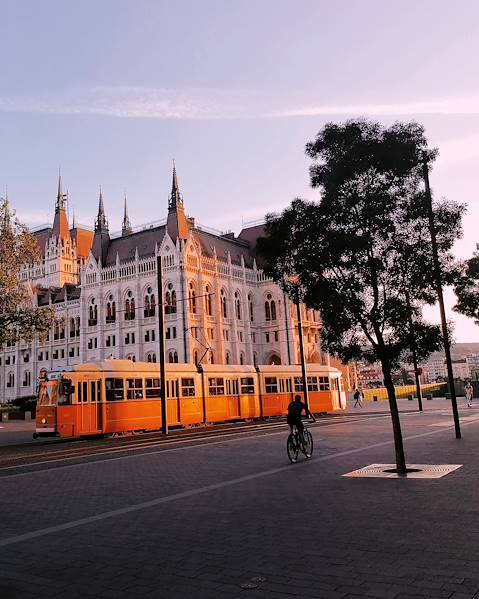
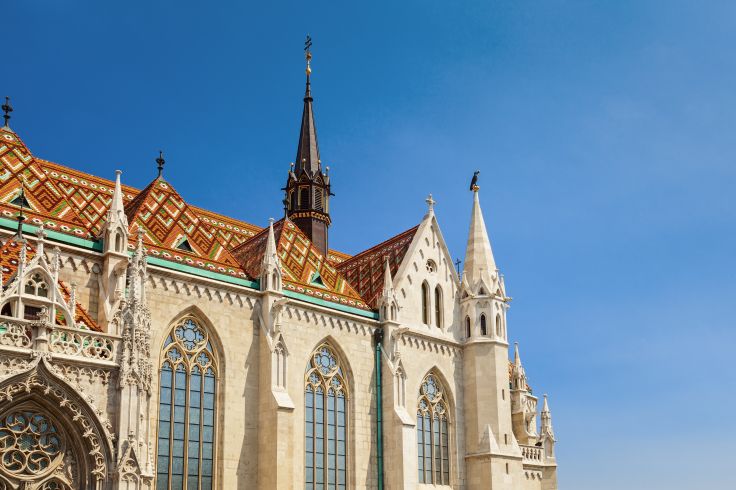
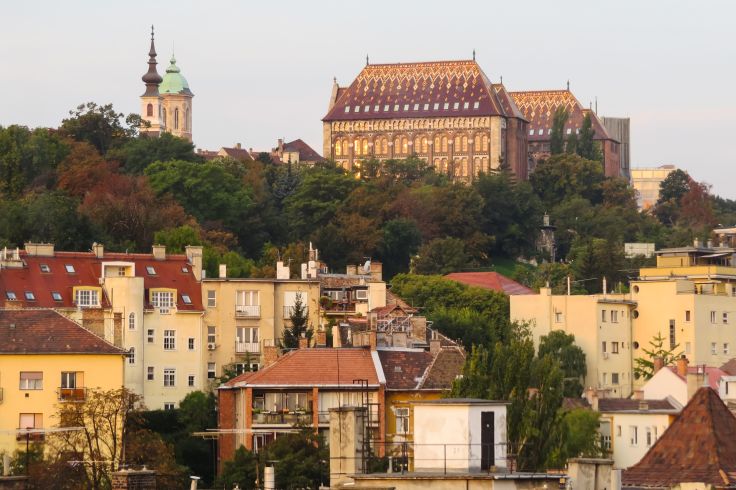
You can get to Hungary by train or plane. Once there, a car gives you complete freedom to explore. Hungarian roads present no particular problems. Simply take the time to carefully note the place names for the day to avoid confusion. Beyond that, travel conditions are much the same as elsewhere in Europe. In a country of relatively modest size, there are no particularly long driving stages to contend with, and Hungary is richly endowed with cities of art. Nature, too, is often strikingly beautiful. Your accommodations are waiting for you with the required parking options. In the city or in the countryside, good locations: easy sightseeing, quiet streets, and often bikes available. Everywhere, you’ll find a high level of comfort and genuine attention to travellers' well-being. When a hotel does not have its own restaurant, there are options available within walking distance. In short, at every stop-off, your hotel is suited to the situation. Budapest’s Jewish quarter, the trendy districts of the capital, a gourmet stroll along the shores of Lake Balaton, and the highlights of Gyor, Pécs and Eger are all on your travel itinerary. Private guides accompany the visits, sharing valuable tips for your independent explorations. The Hungarian language is - to say the least - not an easily accessible language for non-speakers, but Hungarians make every effort, with good will, to communicate in other languages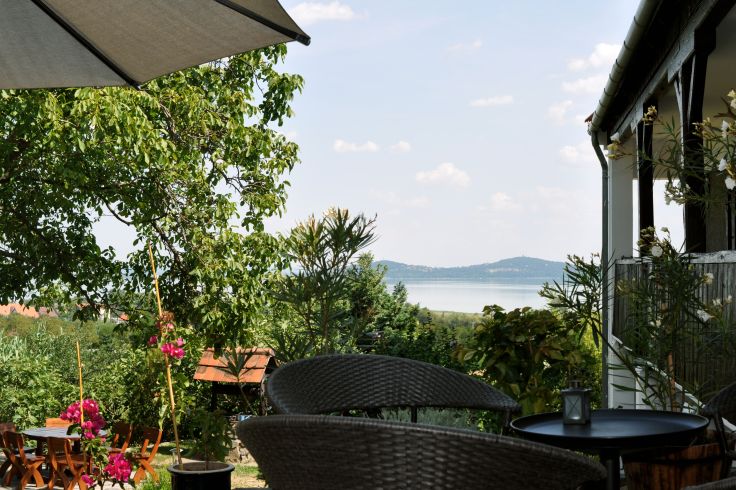

Itinerary
100% customisable for you
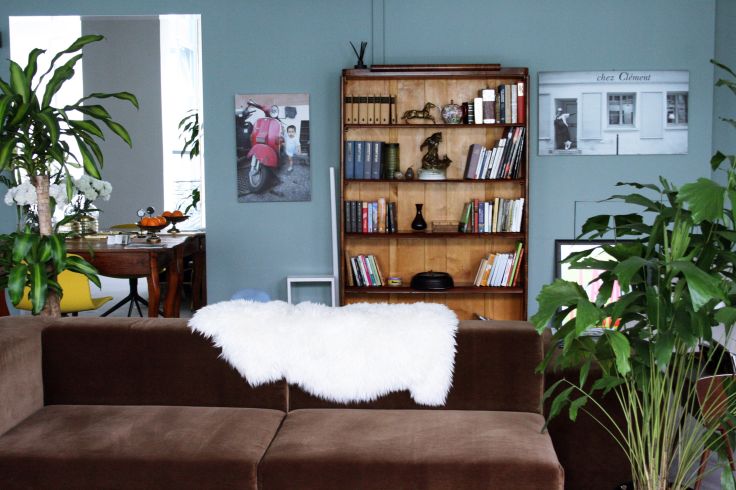
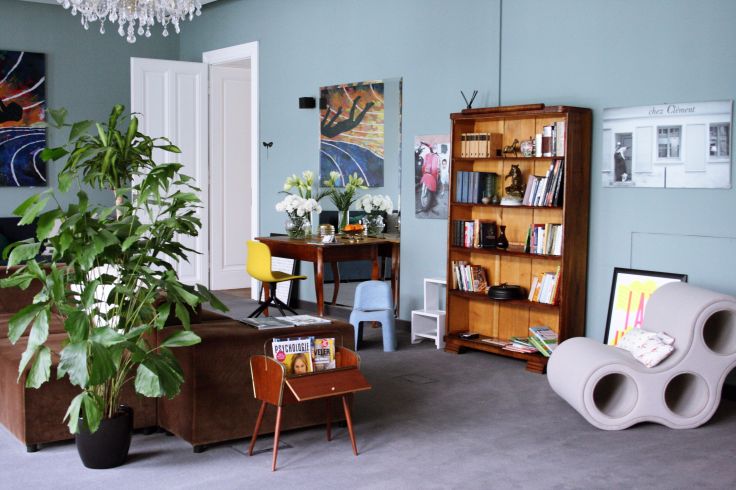
Transfer and stay for three nights in Pest, in the central district of Terézvaros. The 18th-century building has an interior courtyard covered with Virginia creeper. Galleries run from floor to floor. That said, the spirit of the hotel is very contemporary, from its environmental policies to its ultra-graphic decor. The rooms are divided into four themes: Classic, Cool, Natural and Heaven. Increasingly intangible, yet always very comfortable. A tasty breakfast is served on site, in a bistro setting. The bar, which offers a glamorous take on the ruin concept, attracts a loyal clientele of young professionals, thanks to its optical art and well-made cocktails. The sauna and gym make the cellars an unexpected well-being space.
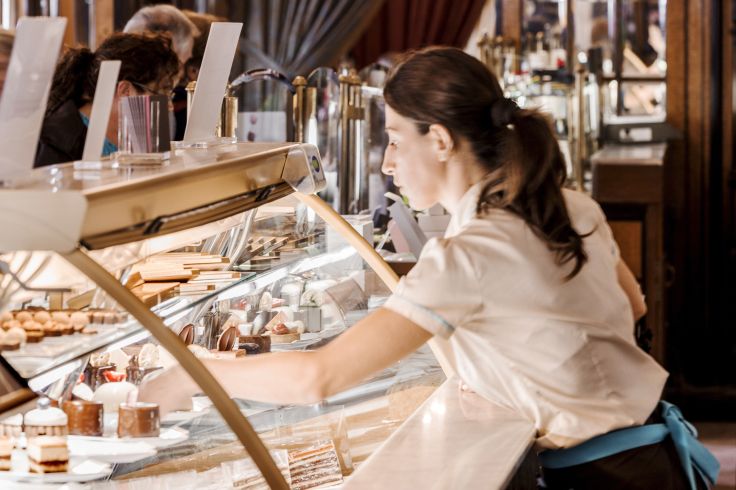
Already on your itinerary - The Jewish quarter. Judaism has a long history in Hungary. Today, after the Shoah and despite a steady demographic decline, the Hungarian community is the largest in Central Europe. Accompanied by a private guide, take a walk through the streets surrounding the Great Synagogue (1854-1859). Built in the Moorish style, it has a significant capacity of 3,500 seats. The Catholicism of its architect, Ludwig Förster, undoubtedly explains some of the original features, such as the pulpits and the location of the bimah. Hungarian liberal Judaism - Neolog - has its centre here. You can also visit the memorial park, which commemorates the 600,000 Jewish victims of the Holocaust and the Righteous Among the Nations, including Raoul Wallenberg. The birthplace of Theodor Herzl is just a few streets away. At the Fröhlich patisserie, you can sample a delicious sweet treat called flodni, which is made with walnuts, poppy seeds, jam and apple.
Already on your itinerary - Trendy Budapest. There is the Budapest you find in travel brochures; the Budapest that is becoming more institutionalised, with its ruin bars - still great fun - and the creative Budapest. It is the latter that you will be exploring. You’ll unlock its cryptic geography with a knowledgeable private guide. The FlatLAB boutique has cutting-edge stylists and is perched on the 3rd floor. The Puskin cinema broke new ground in 1929 with the introduction of sound films; today, still at the forefront, it shows uncompromisingly mainstream films. For a range of kitchenware and sustainable fabrics, made by small independent workshops: Printa. In Telep, you'll find young enthusiasts of design, fashion, music, graphic design, photography, etc. gathered around the bar. And the street art of the Danube is both interesting and vibrant.
A lively outing that invites you to seek out something different from the usual highlights. For example, you can visit the pretty tomb of Gül Baba, who was a dervish and contemporary poet of Suleiman the Magnificent. Or you can head to the Kiraly baths, which are still steeped in Ottoman tradition.
Optional - The Széchenyi baths.
Pick up your rental car and drive along the Danube to Gyor. On leaving Budapest, you can stop at the evocative eco-museum in Szentendre, which brings together buildings from the 18th and 19th centuries and recreates traditional rural life with a romantic touch. The fortified castle of Visegrad (13th-16th centuries) provides a fantastic view over the Danube. And there are monuments whose size indicates that their influence extends far beyond their location, such as St. Adalbert's Cathedral in Esztergom (1822-1869), which has a 100-metre-high dome with national significance. Stay the night in the historic centre of Gyor. The hotel is housed in a former monastery built in the early 18th century. The decor has retained some beautiful Baroque elements, notably the wood panelling in the library. There are long corridors that are typical of monastic architecture and simple but comfortable rooms. The bar serves Czech beer. Take your pint under the trees in the inner courtyard for a peaceful aperitif. The restaurant serves traditional Hungarian cuisine.
Already on your itinerary - Gyor highlights. At the confluence of the Danube, Raba and Rabca rivers, Gyor has a riverine charm despite its industrial status. The old town also retains some beautiful old buildings. You can take walking tour with a private guide. You can admire the Baroque interior (1635-1650) of the Cathedral of the Holy Virgin Mary, the church, order house and Jesuit college (17th century), and the compact Neo-Romanesque Great Synagogue (1868-1870), and much more.
Drive to Sopron. Overnight stay in a quiet neighbourhood in the historic centre, 300 metres from the fire tower. Beautiful house with a courtyard, small garden and charming interior. The rooms are simple and functional, air-conditioned, and with very decent bathrooms. The restaurant sets its tables under beautiful vaults, the deepest of which date back to the 16th century. It has an à la carte menu featuring wines from Sopron and Burgenland (Blaufränkisch, Traminer/Savagnin and Grüner Veltliner grape varieties) and traditional Hungarian cuisine, including goose foie gras with fig jelly, catfish soup, paprika veal, stuffed peppers and pancakes.
The city's appearance suggests its age (Roman ruins of Scarbantia) and former prosperity (nobles and merchants who always had the means to build well and modernly). All European styles can be found here as they were adopted one after another by builders. The famous fire tower is emblematic in this respect, with its medieval foundations, Renaissance colonnaded gallery and Baroque lantern dome. It is pierced by a passage celebrating the loyalty to Hungary of a city that is almost Austrian following the 1921 referendum.
Drive to Badacsonytomaj and Lake Balaton. On the way, stop at the Benedictine abbey of Pannonhalma, which is a UNESCO World Heritage Site. Founded in the 10th century, it provides a comprehensive illustration of the evolution of European monasticism through religious concepts, the arts and the economy. It is a great lesson in faithful change.
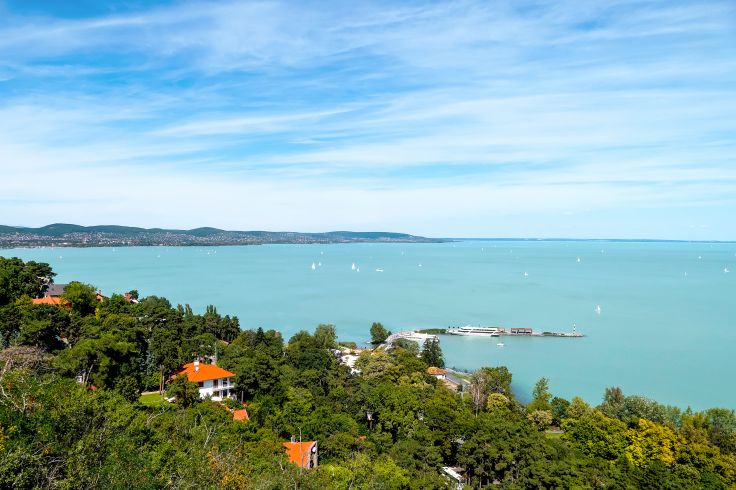
Stay for three nights in a setting of vineyards and walnut trees on the northern shore of Lake Balaton. A lush garden surrounds the mid-19th-century house, which overlooks the lake. Outside are pearl grey and white walls, and a red tile roof. Inside, the layout combines design and rustic construction with a real sense of harmony. The rooms are comfortable and well equipped. You’ll feel very much at home here. In summer, meals of vegetables, meat and fish are prepared on the outdoor barbecue. Accompanied by wine from local vintners and fresh fruit and vegetable salads, these grilled dishes are simply wonderful. Badacsonytomaj beach is just a short walk away.
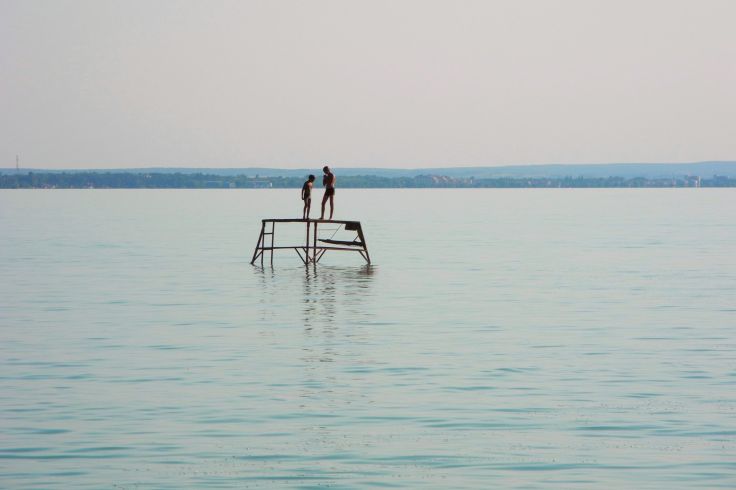
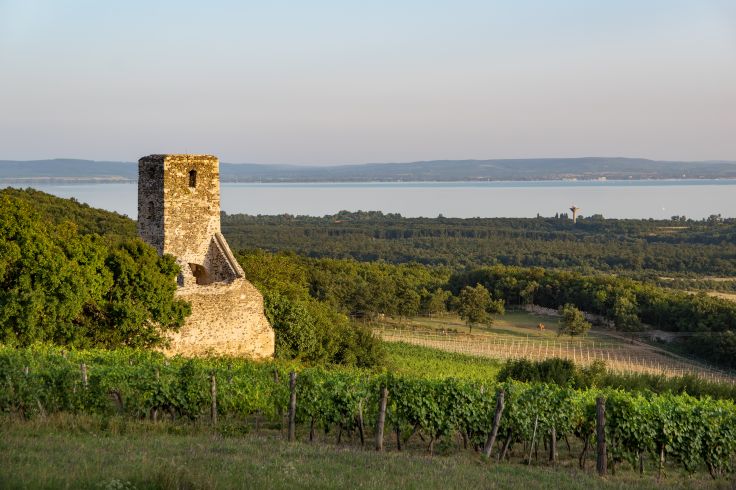
Alongside the lake, whose northern shore is more thermal and southern shore more suitable for bathing, the region's vineyards are its most obvious attraction. The vines form regular rows on the slopes that gently descend towards the water. Pinot Gris and Welschriesling are common varieties. Badacsony wines are full-bodied with complex aromas. Above the village is the Badacsony inselberg, which delights nature lovers with its 50-metre basalt columns. A short drive away is Veszprém, which is a charming and harmonious architectural gem. In the centre of Veszprém is St. Michael's Cathedral, which was restored in the early 20th century to its 14th-century Gothic best. A few miles to the north-west, lovers of delicate and fragile objects will be enchanted by the porcelain from the Herend Porcelain Manufactory. This venerable establishment supplied Queen Victoria and Emperor Franz Joseph, and consequently the great bourgeois families of Europe at the time. It was about having the same dinner sets as the Schönbrunn Palace, even if it was just 12 place settings compared to the palace’s 120. Next why not visit the thermal lake of Hévíz: natural hot waters, whose healing effects were already recognised by the Romans. While soaking in this rejuvenating bath, you can delight in the Belle Époque pavilions and the water lilies. It is also interesting to note that the beautiful Benedictine monastery of Tihany on the shores of Lake Balaton - what a blue sky up there! - is dedicated to Saint Aignan of Orléans, who defended the city against the Huns in 451.
Already on your itinerary - A gourmet walk. Among other things, this involves checking with the winegrowers what the previous paragraph says about their wines. A private guide is on hand. Next is an organic market: the local vegetable gardens produce plump, colourful vegetables, especially paprika, which you’ll be able to enjoy in salads, stews and with grilled meats. The orchards yield apricots, cherries, peaches, plums, etc. Next come a mustard maker and a cheese maker - at this stage of the trip, you will have probably already encountered Balaton, which is a soft, pressed cow's milk cheese with a pleasant hint of acidity. Next up is palinka. In Hungary, it's almost always the right time for a little palinka - a fruit brandy. Apricot (barackpalinka) and cherry (meggypalinka) are particularly fragrant.
Drive to Pécs. Stay for two nights in a new hotel in the old town centre. The clean lines of the interior design owe much to the contemporary style. The rooms are bright and basic, with a good level of amenities. In the morning, you can fill up on calories at the breakfast buffet. The sightseeing starts almost on the doorstep. To extend your range, you can hire bikes. When the time comes, the proximity of everything makes it easy to quickly find the right place to satisfy your hunger.
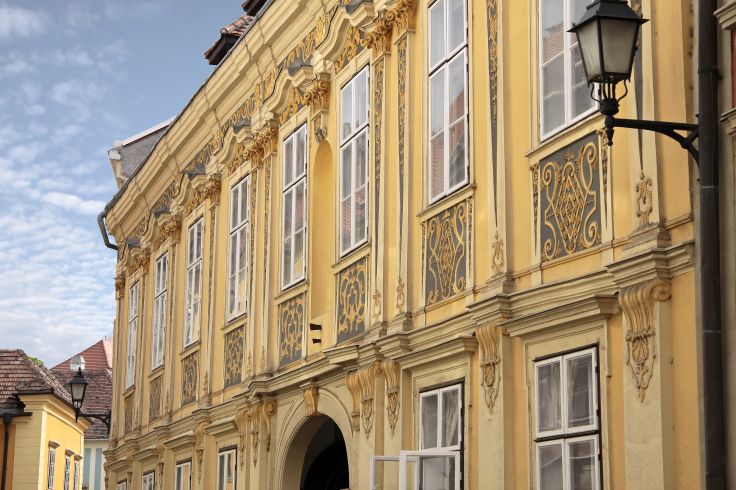
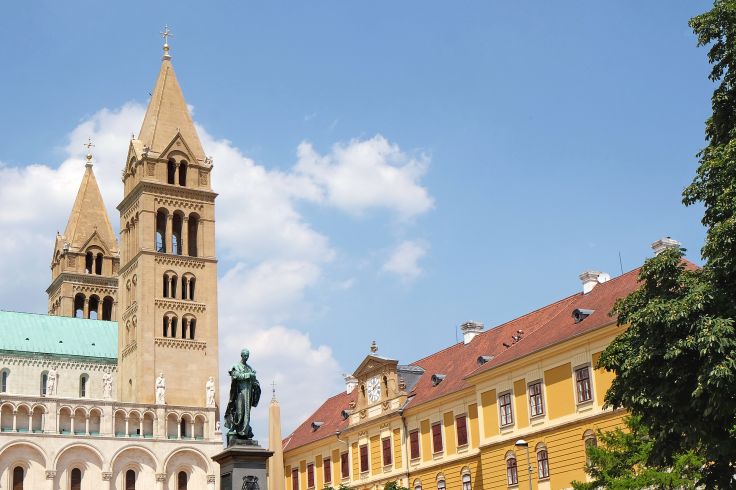
The ancient Roman town of Sopianae boasts a stunningly rich artistic heritage. The historic districts provide a detailed account of what an Austro-Hungarian city looked like. Ottoman influences have been integrated, and ancient and medieval remains have been uncovered. Walks always provide new subjects for admiration.
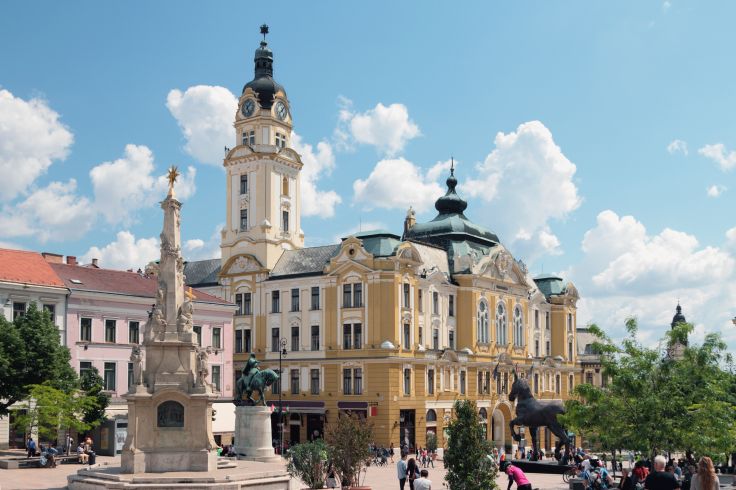
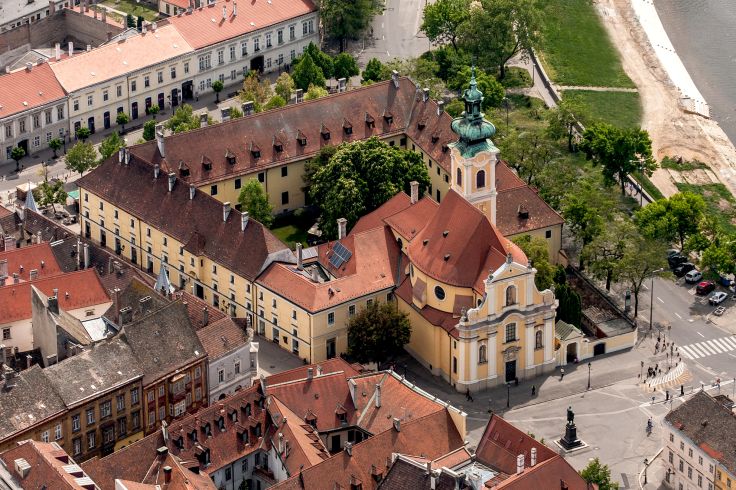
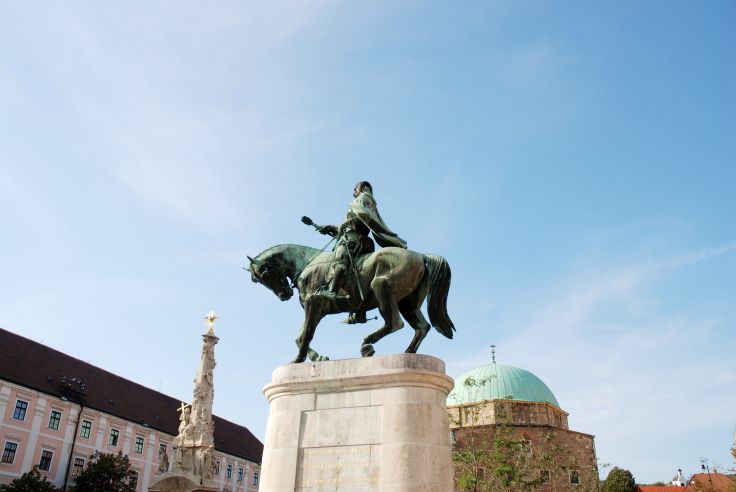
Already on your itinerary - Pécs highlights. A private guide will take you around the main monuments of Pécs, starting with Széchenyi Square, where you will find the eclectic and baroque town hall (1907); the Nador Hotel, inaugurated in 1846; and the Trinity Column (1740). And, above all, the Church of Our Lady of Candlemas, which is a mosque built between 1543 and 1546 by Qasim Pasha with stones from a Gothic church, then converted into a Catholic church in 1702 after the Habsburg reconquest. It is the most important Ottoman monument still visible in Hungary. UNESCO has listed the early Christian necropolis, whose earliest elements date back to the 4th century, as a World Heritage Site. The burial chamber of Saints Peter and Paul - named after a fresco that decorates it - in the Cella Septichora takes you back in time in a striking and moving way. Pécs is also home to Victor Vasarely, as commemorated by a museum and an optical sculpture in front of the Pauline Church. Vasarely? The Renault logo from 1972 to 1981, for example.
Drive to Szeged, on the banks of the Tisza. Siklos Castle is worth a stop because of its imposing proportions and for the memory of a national heroine: Dorottya Kanizsai (1490-1532) had the Hungarian dead from the Battle of Mohács buried there. It was a lightning victory that opened the way to Buda for Suleiman the Magnificent.
Overnight stay in the historic centre. The hotel is housed in a beautiful townhouse dating from the late 1850s. The design and decoration are resolutely contemporary. See the glass and steel cladding of the inner courtyard. The rooms meet international urban chic standards. Shades of grey, tobacco-brown and bronze; a seamless bathroom - the bathtub is a piece of furniture in its own right, just like the bed; miscellaneous connections; designer furniture. A restaurant and café bring guests together. In keeping with the decor, the former serves cuisine that filters Hungarian tradition through an international lens, which international critics appreciate. When you try it, we think you will agree. The latter is a delightful coffee shop. The wellness area is equally impressive.
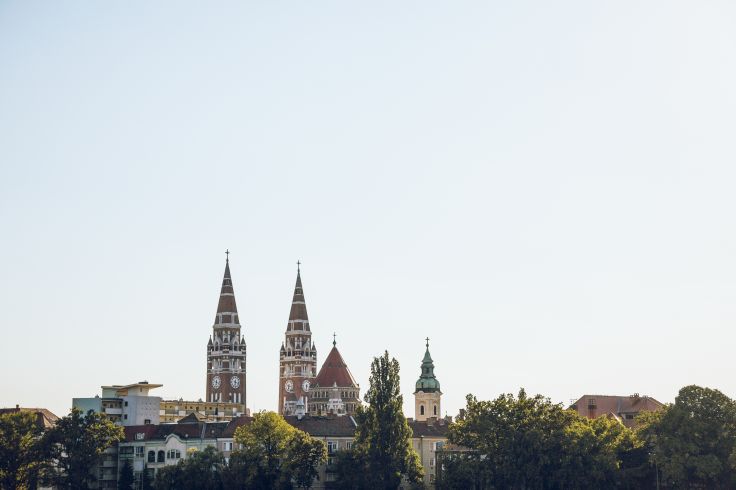
Two monuments. First is the cathedral, which was built between 1913 and 1930 and is a large neo-Romanesque church and a patriotic focal point, where you can see the Virgin Mary wearing the Hungarian crown, the Virgin Mary wearing traditional Hungarian costume, etc. Then there is Szeged goulash, which is made of pork, paprika, sauerkraut and just the right amount of cream. When the spoon stands upright in the dish on its own, it's good!
Drive to Kecskemét. Passing through Opusztaszer, you can't miss The Arrival of the Hungarians (in Pannonia) by Arpad Feszty, a panorama from 1894. The canvas measures 15 metres high and 120 metres long. It is teeming with characters, making the overall movement truly oceanic. It was the last hurrah for spectacular painting as cinema panoramas soon killed off panoramas.
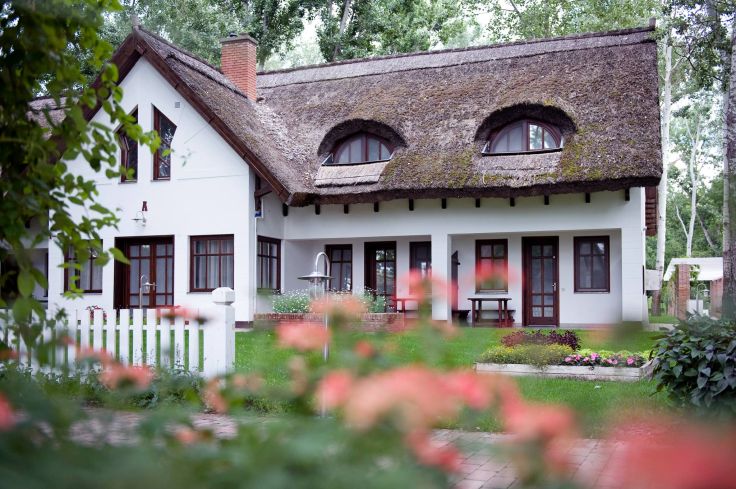
Night in the Puszta, north-west of Kecskemét. The hotel consists of white buildings that are evenly spaced around a main house in a well-maintained park. As you pass by, you’ll be pleased to spot an outdoor swimming pool. Inside, the decor oscillates between equestrian references, rustic pop and opulent design. In any case, the rooms and common areas are comfortable. The restaurant serves the kind of easy-going cuisine that the atmosphere suggests. And the wellness area, with massages, sauna and jacuzzi, has plenty to offer.
Kecskemét offers visitors a beautiful collection of 19th-century buildings, including the town hall (Ödön Lechner and Gyula Partos, 1893-1896) and the Cifra Palace (Markus Géza, 1902), which is adorned with Jugendstil ceramics.
Drive to Eger. The Puszta, the plain, is the domain of the csikosok, the Hungarian gauchos. They demonstrate their skills at equestrian shows. The Hungarian post, which consists of riding a pair of horses standing up, has generally made a lasting impression. The national livestock has a fierce appearance. The grey ox, with its long curved horns, for example, or the racka sheep, which has a twisted V on its head and a very flower power woolly coat on its back. From time to time, a red-footed falcon plays the holy spirit and dwarf geese watch over their fluffy offspring. You can go canoeing on Lake Tisza or visit the ecological information centre.
Stay for two nights just north of the historic centre of Eger. The hotel is surrounded by a large Mediterranean garden and stands out for its pleasant chalet-style appearance. The rooms exude a sense of distinction. So does the dining room. The result is warm colours, beautiful fabrics and furniture reminiscent of the 18th century. Nevertheless, the technical facilities are state-of-the-art. The bar (with an interesting selection of Hungarian wines) has a pool table. The spa service, indoor swimming pool, sauna and jacuzzi perfectly complement the care taken to ensure guests enjoy their stay.
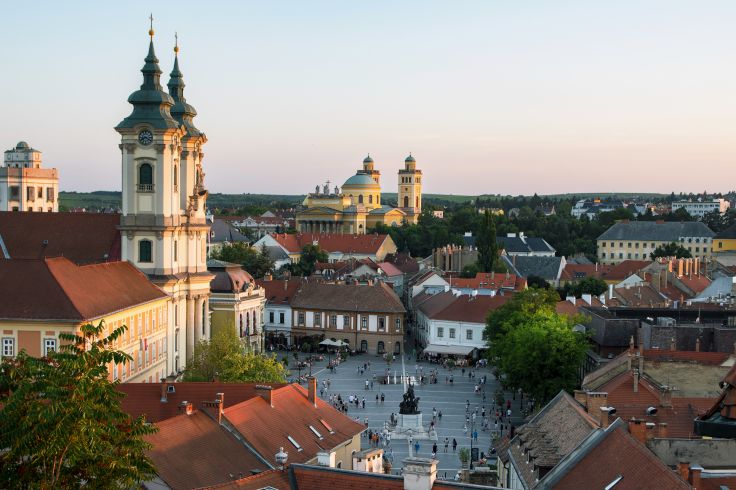
The city's history has been marked by both good times and bad. It retains a complex and profound landscape, where fortifications, a network of cellars, Baroque palaces, Rococo churches and Art Nouveau buildings jostle for space. From the Cordeliers Church, which was designed by Prague architect Kilian Ignaz Dientzenhofer (1689-1751), to the Beatles Múzeum, there is plenty to do! Not to mention the essential spa session and tasting of Egri Bikavér wine.
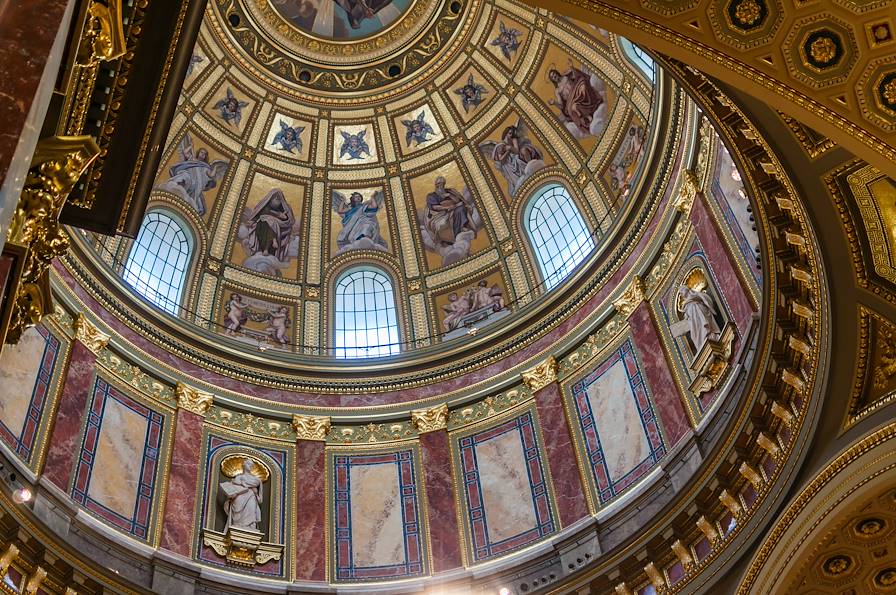
Already on the itinerary - Eger, the highlights. The castle, minaret and basilica provide a schematic but accurate summary of Eger's history. The first saw Hungarians and Turks clashed several times in the 16th century, Ottomans and Habsburgs in the 17th century, and Austrians and Hungarians in the 18th century. The minaret belongs to the Kethüda Mosque (17th century), which no longer exists. It is a rare example of its kind still visible in Hungary and it rises slenderly in front of the Szent Sebestyen Church. The Basilica of St. John the Apostle was built by Jozsef Hilda between 1831 and 1837 and never fails to impress, both for the scale of its volumes and the grandeur of its painted decorations. A private guide will accompany you from one monument to the next.
Drive to Budapest and drop off the car. Return journey.
À la carte
This suggested itinerary can be customisable down to the smallest detail, including duration, stops and content. An à la carte menu of experiences is also available to create a journey that reflects who you are.
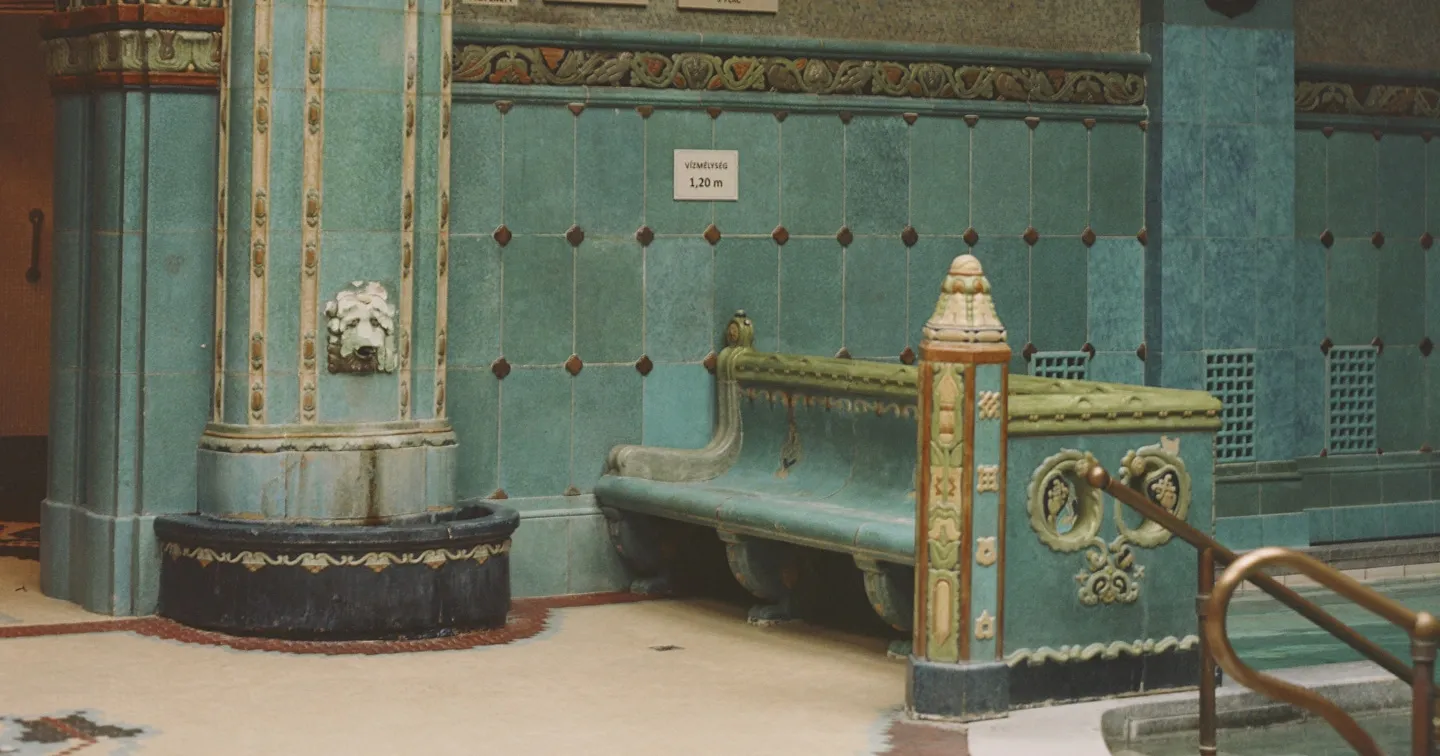
Széchenyi Baths - Budapest
Thermal baths are pillars of the Budapest way of life. While the Kiraly baths have a “Cistercian” sobriety, the Széchenyi baths display all the flourishes of the Austro-Hungarian Belle Époque. They are inseparable from the image of Budapest itself. So do not visit the Hungarian capital without indulging in this social and wellness ritual, to which a sumptuous setting (Gyözö Czigler, 1913) adds a distinctly kaiserlich und königlich spirit.En Optional - Entrance ticket.
Why visit Hungary with Voyageurs du monde?
Every day, our travel specialists craft bespoke experiences shaped around each traveller's profile, desires and budget. These passionate experts design experiences delivered on the ground by a local network of Concierges and trusted contacts. These fully customisable, made-to-measure trips are complemented by a wide range of high-end services (lounges, 24/7 assistance, travel booklet, app, Wi-Fi, restaurant booking, etc.)
Let us create your tripA few of the advantages of travelling with us to Hungary
- Globally unique concierge service
- Adjust your trip while travelling
- 24-hour assistance
- CO2 absorption