100% customisable travel idea
Shetland and Orkney Islands Scotland's northern paradises
Scotland - Aberdeen - Shetland - Orkney
Gales and wildlife
Your trip
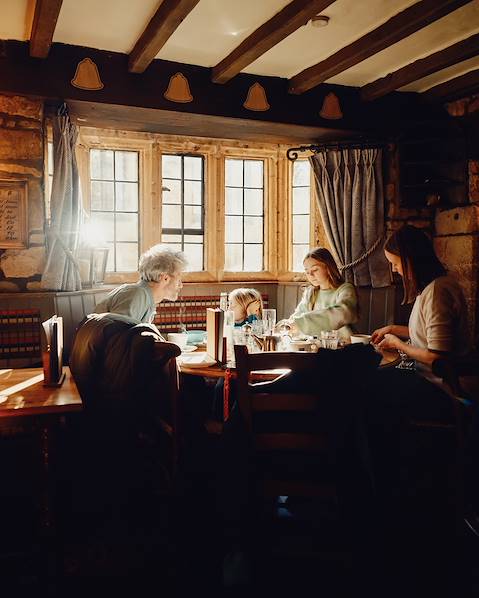
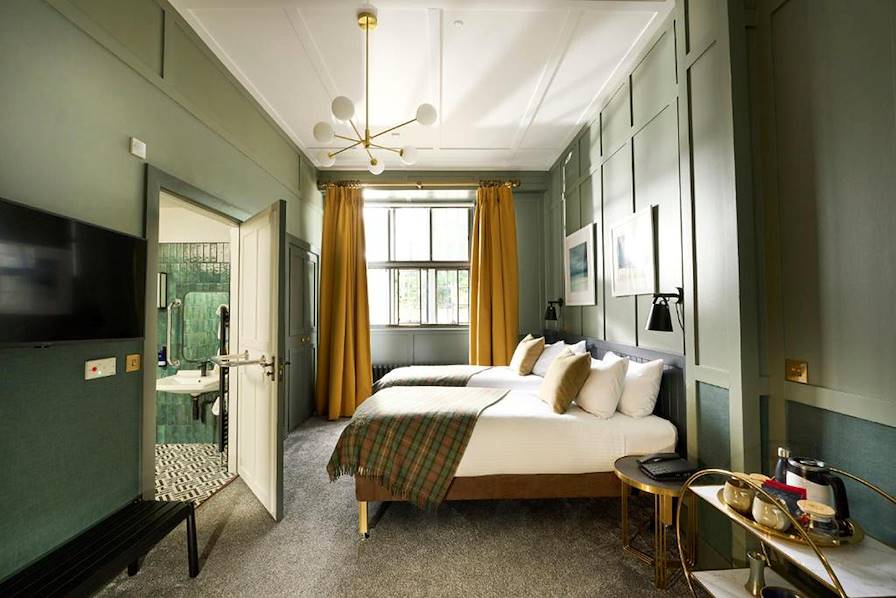
Hotels on the islands are generally simple: this is explained by the remoteness, the weather conditions and the austerity of life in the archipelagos. The same goes for the primacy given to nature in the appreciation of beauty. Your accommodation is the exception that proves the rule: in Shetland, a 16th-century building, the former residence of a laird (Scottish lord), where an atmosphere of opulent country life reigns; in Orkney, the best-located establishment in the archipelago's main town (Victorian, moreover). And to round it all off, a night in a place that livens up Aberdeen, on the one hand, and a cosy country house for the final leg, on the other. All good, then. Especially as there are hearty breakfasts every morning. All you have to do is drive from one to the other. To do so, you take to the road in a rental car - with the steering wheel on the right-hand side - which can be unusual at first if you’re not used to it! The logic of the traffic is quickly grasped and the traffic is such that you have time to see what's coming: when you're caught up in a flock of sheep, it doesn't matter where the steering wheel is because you are going at a snail's pace anyway. In these parts, the car is still the most suitable means of transport. Especially as the ferries are surprisingly punctual and it's easy to take your car on board. We have automatically added an activity to your itinerary because birdwatching in Shetland is not to be missed. We also felt it was important for you to have a number of essential tickets in your pocket: Dunnottar Castle, the Neolithic village of Skara Brae, the ferry to Hoy and Dunrobin Castle. The rest of the time, you are free to explore on your own, at your leisure, with suggestions to help you along the way. And if you change your mind or something unexpected happens on the trip, you will have the contact details of our on-site Concierge service at your disposal. The concierge works with your travel specialist and can even help you make changes to your trip once you arrive.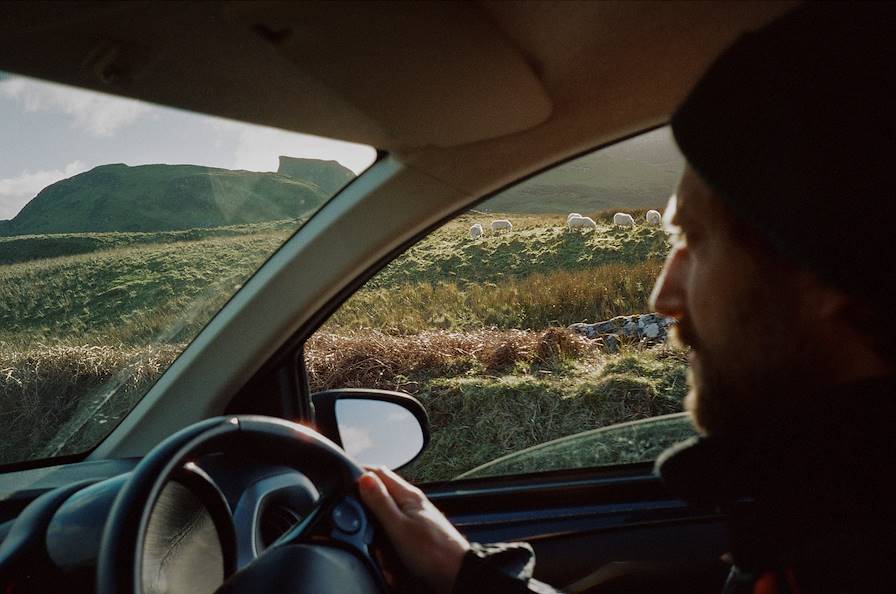
Itinerary
100% customisable for you
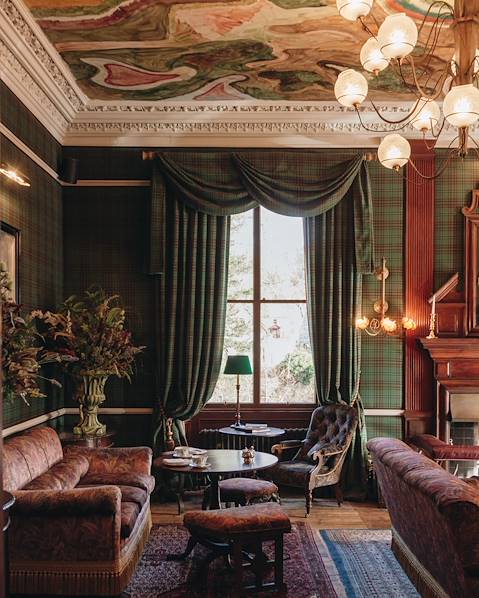
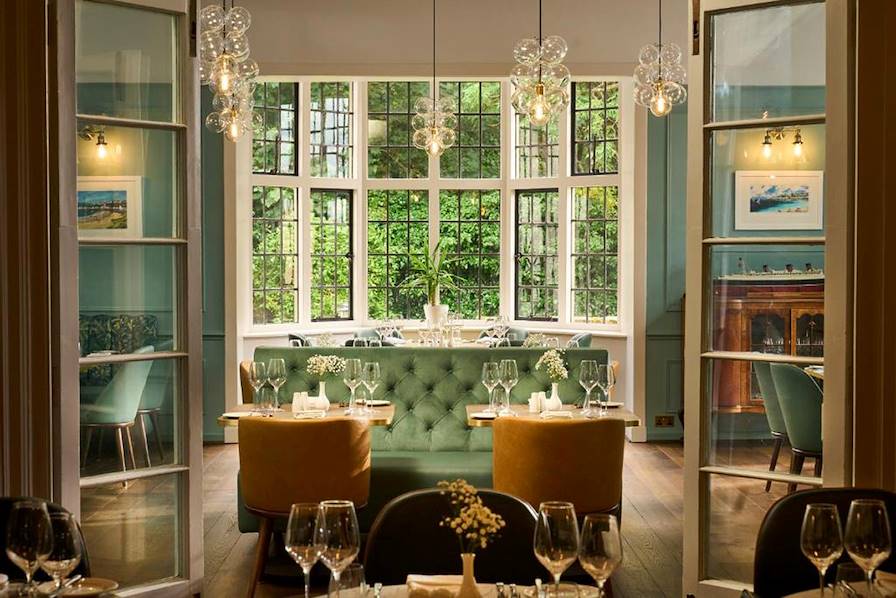
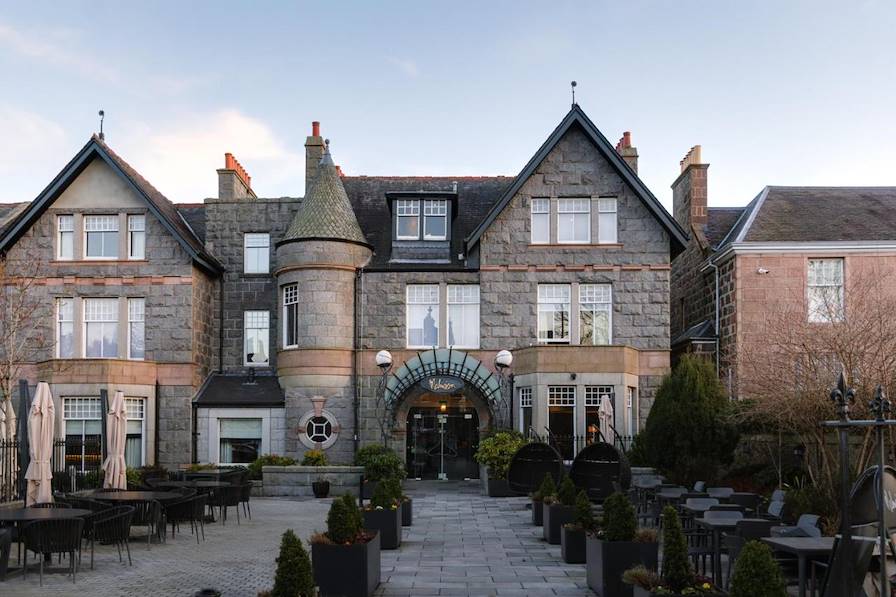
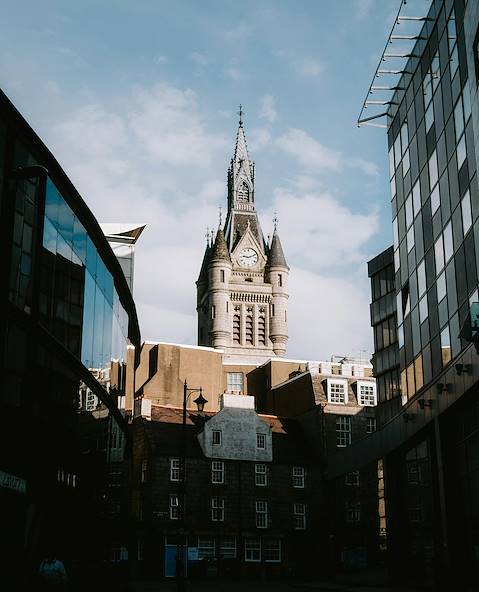
Upon arrival, pick up your rental car and stay for one night between Queen’s Road and King’s Gate, in the quiet Rubislaw district, just five minutes from the city centre. Aberdeen is sometimes called "the Granite City", or the "the Grey City". In keeping with these titles, your accommodation has granite walls, showcasing Aberdeen’s signature stone. Exploring the interiors is all the more surprising as you discover high ceilings, touches of vibrant colour, and original, even whimsical touches. The same breeze of playful modernity blows through the rooms. All this is made even more appealing with the touches of tartan and velvet that imbue the whole place with Scottish charm. In the restaurant, the mansion lives up to its reputation, with fine wines served alongside sophisticated cuisine. The hotel also has a spa, a gym, and a whisky bar where it is customary to sip a wee dram.
Things to see and do - Admire the works of Joan Eardley and Samuel Peploe at Aberdeen Art Gallery - recharge in the winter garden at Duthie Park - stroll along the promenade that circles the beach - explore Old Aberdeen - visit St Machar's Cathedral - browse the collections at the Maritime Museum or the Gordon Highlanders Museum.
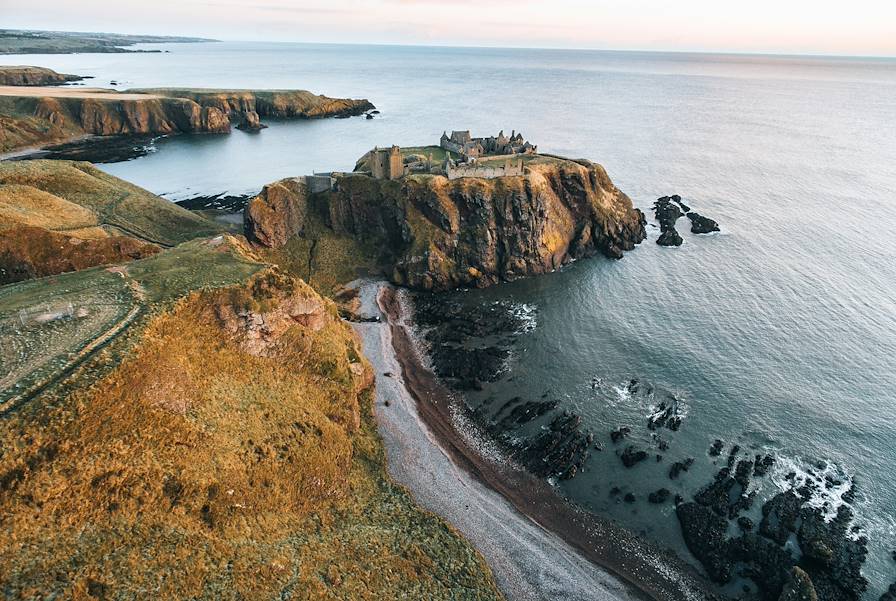
On your schedule - Dunnottar Castle. Just 25 minutes from Aberdeen, the small fishing port of Stonehaven, nestled at the end of a natural bay, is best known as the home of Dunnottar Castle. Perched on the cliffs overlooking the sea, the castle was once home to the Earls Marischal of Scotland, one of the most powerful families in the country. In its windswept setting, the romantic and imposing building captivates visitors who never tire of photographing it. Your tickets are for a self-guided tour of the castle.
At the end of the day, return to Aberdeen to board the overnight ferry to the Shetland Islands with your car. The ship has everything you need to pass the time. There’s a restaurant for dinner, a shop for some souvenirs, and Wi-Fi to share your photos. As for your private cabin with a porthole, it has its own bathroom and private toilet facilities. All in all it's a perfectly pleasant way of reaching the Shetlands.
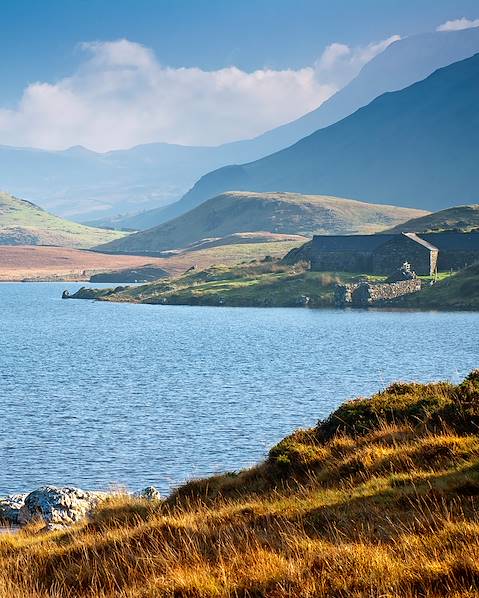
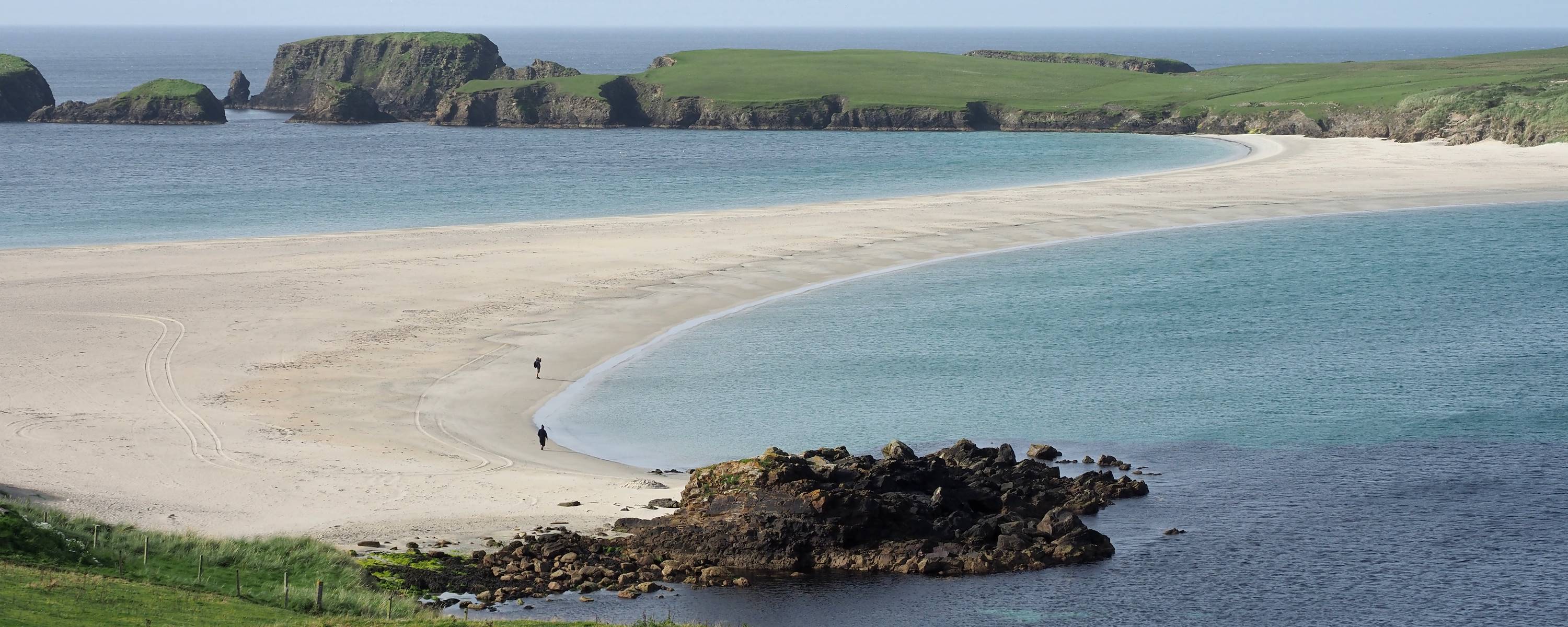
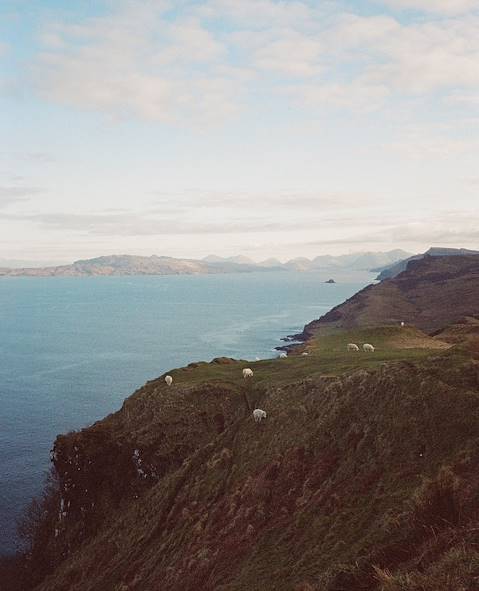
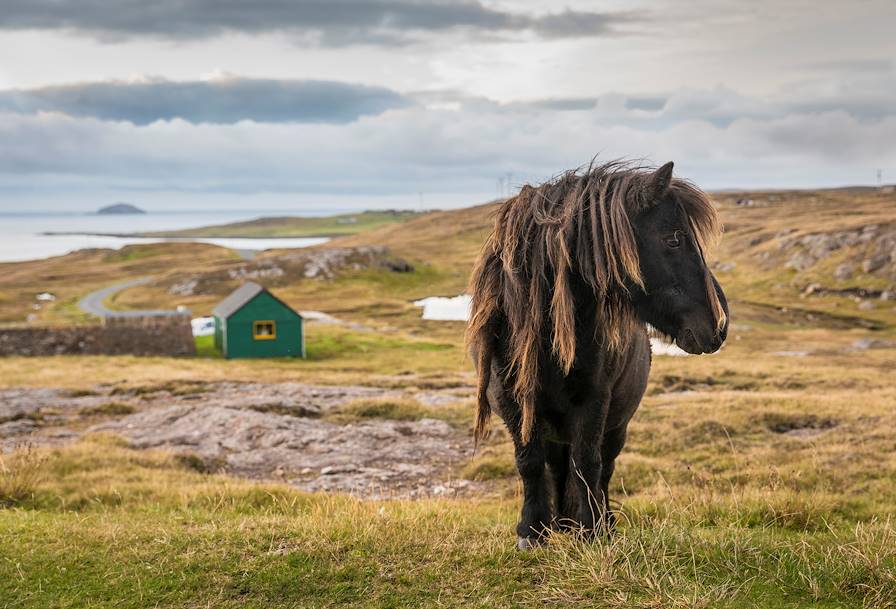
The ferry docks in the early morning at the port of Lerwick, the capital of Shetland. Shetland sweaters are such a staple of British style that we tend to forget the islands were part of Norway until the 15th century. The Vikings are still very much present in the heritage of the islands, alongside the Picts. The deeply indented coastlines constantly reshape the connection between land and sea, creating countless breathtaking landscapes. Landscapes that change with the light and its endless variations. Then of course there’s the famous pony, who we all remember from childhood. Just like the cute little Shetland Sheepdog.
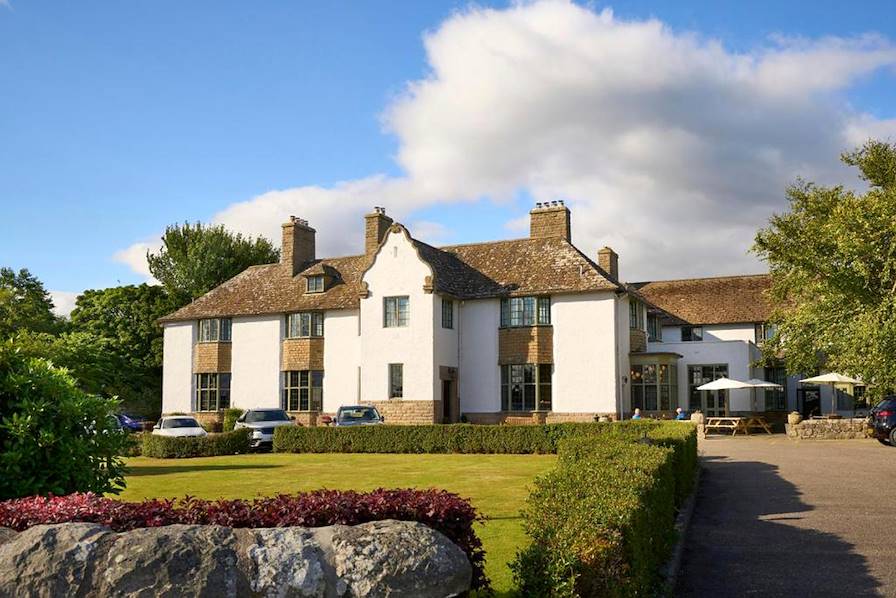
After disembarking from the ferry, head north and stay for two nights, more or less right in the centre of Shetland. The buildings (from the 16th-18th century) are an impressive sight with their white walls and slate roofs. They stand out against the green (or russet) of the countryside. The sea shimmers at the end of the garden. Inside, there is a general sense of comfort that sits well with the feeling of being far from home. The rooms are well equipped. The property exudes an opulent country atmosphere. The satin quilts are wonderfully cosy. The restaurant serves authentic Shetland fare, freshly cooked and full of flavour. In the lounge, a collection of 160 whiskies awaits enthusiasts.
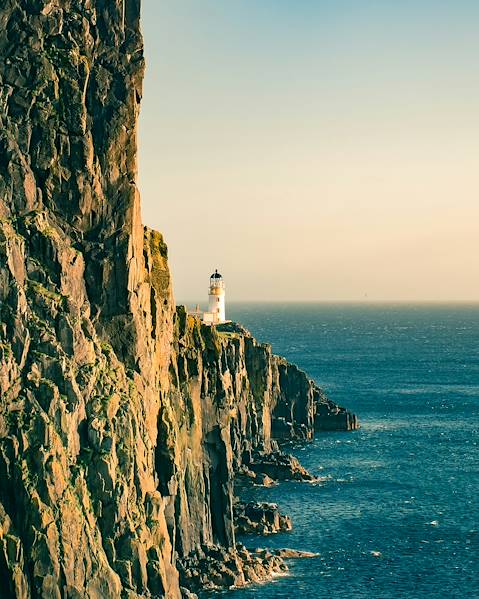
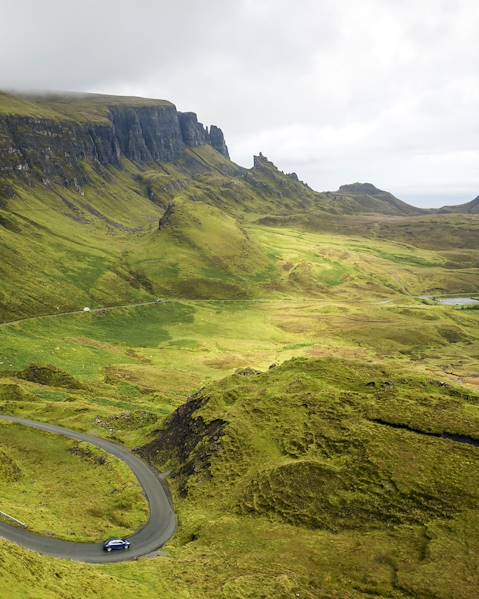
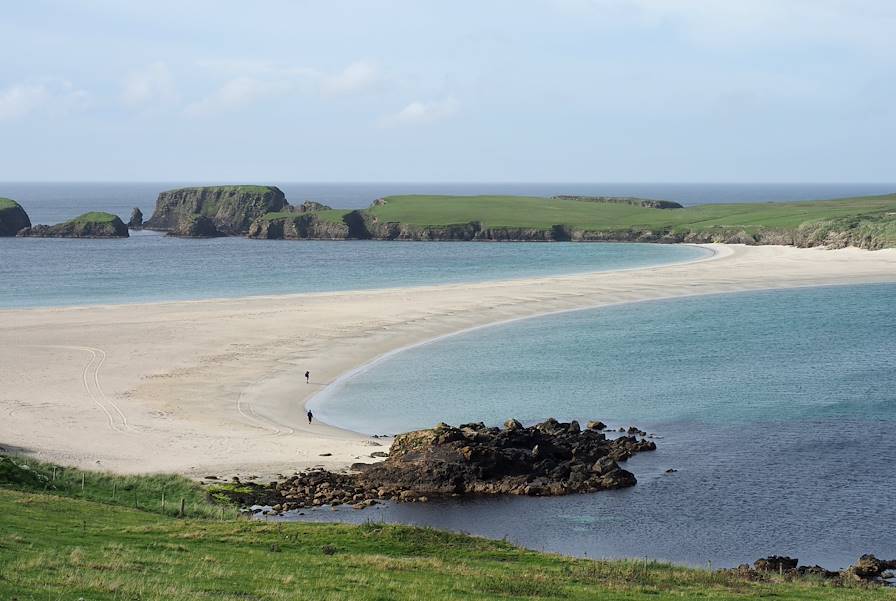
Our suggestion for the day - Northmavine. This area, north of Brae, measuring around 25 km (16 miles) by 13 km (8 miles), is connected to Mainland by the Mavis Grind ("the isthmus gate" in the local language). Legend has it that the isthmus is so narrow that, as you cross it, you can throw one stone into the North Sea and another into the Atlantic without having to move. The hilly peninsula is home to Shetland's highest summit, Ronas Hill, which rises to 450 metres (1,486 feet) above sea level. If you don’t want to climb it, you can admire it from the beach at Ronas Voe. To complete this mystical adventure, you should try and find Beorgs of Housetter. These modest pink granite standing stones rise out of the ground to blend beautifully into the vista. Finally, no visit to Northmavine would be complete without admiring Eshaness and its dramatic cliffs in the west. It feels like the elements are unleashed here. The wind sweeps furiously along the coast and the waves crash against the rocks. The lighthouse is a reminder that nature is not the only force at work here.
Return to Lerwick, the capital of Shetland. Sitting as it does overlooking the deep blue sea, the city encapsulates the archipelago, always at the whim of the weather. Strong winds often rush through the cobbled streets, whipping along the stone houses before striking against the old shop fronts.
Scheduled for the morning - Birdwatching cruise. With a naturalist skipper and guide, set off on a birdwatching tour to Noss, off the east coast of Bressay. The northern gannet, Atlantic puffin, common murre, European shag and black-legged kittiwake all nest on the island's sandstone cliffs. More recently, the great skua, northern fulmar and storm petrel have joined these traditional species. The tour is the best way to see most of these birds. If you keep your eyes peeled, or use binoculars, you might be lucky enough to spot otters, seals or porpoises who often make an appearance.
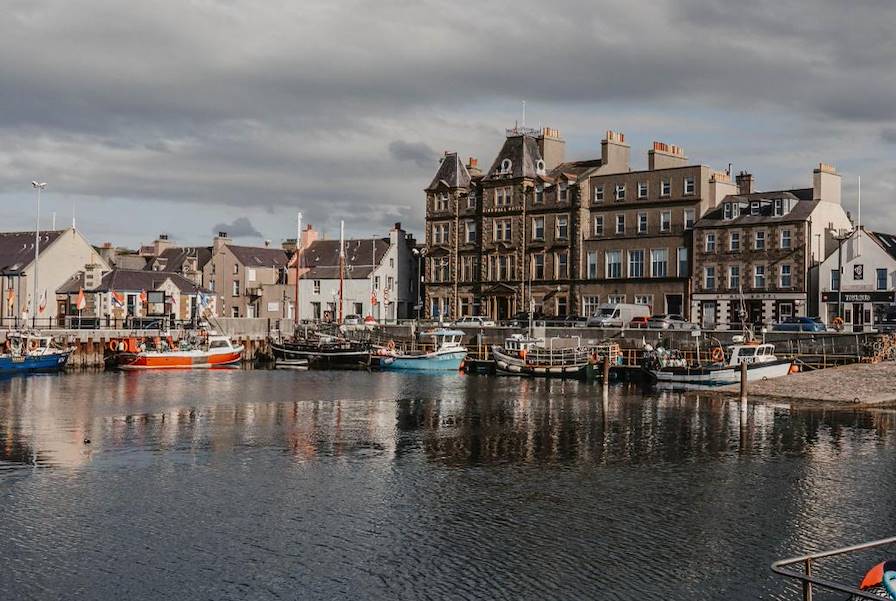
In the afternoon, set sail again, this time on the ferry to the Orkney Islands (6 hours). Once again, the ferry has everything you need for a pleasant crossing. Arrive in Kirkwall, the largest town in Orkney, in the early evening, and stay for three nights right on the harbour. You couldn’t be better placed to soak up the atmosphere. The hotel is in one of Orkney's finest Victorian buildings. The layout and decor reflect this, while still embracing the 21st century. The rooms are well equipped and comfortable, with vintage photographs and woollen textiles that sit well with the environment. In the pub, they serve traditional food that proudly embraces its roots. The menu includes chicken and black pudding terrine, smoked haddock soufflé, roast beef and fish chowder. If you enjoy a wee dram be sure to head straight to the whisky bar.
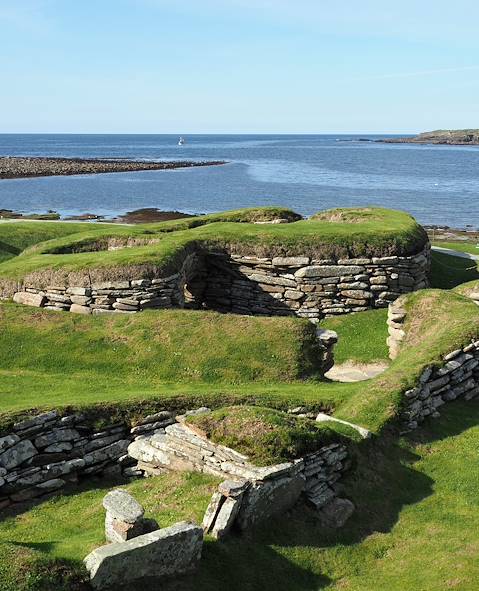
The Orkney Islands are rich in history. On Mainland, this can be traced in the remains of several stone structures dating back more than 5,000 years. Remarkably preserved for their age they show us what daily life might have been like for these distant ancestors. The most famous of these ancient sites is Skara Brae. Which is perfect because you already have your tickets . In Europe's best-preserved Neolithic village you can make out the walls of the dwellings, the passageways and even the shapes of some stone furniture. Further on, the Ring of Brodgar, a large henge and stone circle on the moor, is spellbinding. Of the original 60 megaliths, 27 are still standing, arranged in a circle 103 metres (338 feet) in diameter. Finally, the Standing Stones of Stenness are just as impressive. Although only four of the original twelve stones remain, they rise regally towards the sky. The tallest one is 6 metres (19.6 feet) high, which is quite impressive.
As well as its Neolithic monuments, Mainland has dramatic coastal landscapes that constantly shift throughout the day and with the changing weather. On the west coast, the dramatic sandstone cliffs have been carved out by wind and waves. Yesnaby Castle sea stack, standing among the waves, is perhaps their most beautiful work. With its natural arch and jagged stones, it’s a favourite spot for seabirds. In contrast, the eastern side of the island is mostly low lying farmland. Here it is the gentle countryside and beautiful beaches that catch your eye. In the distance, a seal that might easily be mistaken for a rock stretches before settling back for its nap.
Scheduled: Trip to Hoy. Measuring 135 square kilometres (52 square miles), Hoy, off the coast of Mainland, is impossible to overlook. Not only is the island is vast, it is also the most mountainous in the archipelago, hence its name, "Hoy", which means "high island" in Old Norse. For the full experience, head to Ward Hill, the highest point on the island (and in the Orkneys), rising to 479 metres (1,572 feet). Despite its impressive size, the peak still struggles to steal the spotlight from another must-see, the Old Man of Hoy. This sandstone stack, standing in the middle of the sea along the cliffs of St John's Head, may only be 137 metres (450 feet) high, but it's still a sight to behold. You already have your ferry tickets to Hoy from Mainland.
Ferry crossing from Stromness to Scrabster (1 hour and 30 minutes). Back on the mainland, you join the North Coast 500, the iconic route that skirts the northern coastline. The road trip offers plenty of attractions and opportunities to stop along the way. At the northeastern tip, explore Duncansby Stacks. The sight of these unusually shaped rocky pillars rising proudly from the water is quite eerie Further south, ruined Bucholie Castle stands overlooking the sea. Next, head to Wick, a former port that prospered from the herring fishing boom and is now the largest town on the east coast of the Northern Highlands. The town's museums and distillery are worth a visit.
Stay for one night in Brora, a small, peaceful town with a lovely golden sandy beach. Seals, dolphins and minke whales are your new neighbours at this hotel, that was built in 1913 as a country house. Its recently refurbished rooms feature large beds topped with Scottish tartan blankets. The restaurant on the ground floor has beautiful windows overlooking the garden. In the lounge, a fire crackles gently.
On your schedule - Dunrobin Castle (you already have your tickets). A short drive from your accommodation, overlooking the Moray Firth, Dunrobin Castle is one of Britain's oldest continuously inhabited houses. Although it dates back to the early 14th century, it was transformed into a French Renaissance style château five centuries later. It goes without saying this fairytale castle is one of a kind in Scotland and well worth the detour. Inside there’s a library lined with thousands of old books, a grand reception hall and a portrait gallery. In the gardens, wander among the pools reflecting the castle and the boxwood paths. Fuchsias with red and purple bells, giant gunnera leaves, and a tangle of cosmos create an enchanting landscape. Bird of prey enthusiasts can attend a falconry demonstration when the weather’s good. There's lots to do!
Continue your journey towards Inverness, crossing the Dornoch Firth and then the Cromarty Firth. Return the rental car at the airport and return flight.
À la carte
This suggested itinerary can be customisable down to the smallest detail, including duration, stops and content. An à la carte menu of experiences is also available to create a journey that reflects who you are.
With a few extra days: Cairngorms National Park
It is the largest national park in the United Kingdom (4,500 km²) and certainly one of the most beautiful. Dominated by the silhouette of Ben Macdhui (1,309 metres) and high plateaus partly covered with low vegetation reminiscent of the tundra, it represents the Highlands as we imagine them, with a raw beauty enveloped in changing tones: grey, blue, gold, green and red. In winter, grey geese arrive from Iceland. Swans also arrive. This is a popular spot! Throughout the year, six distilleries produce whisky within the park's boundaries. There is a wide range of outdoor activities on offer, including hiking for all levels, swimming, cycling, kayaking and rafting.
Why visit United Kingdom with Voyageurs du monde?
Every day, our travel specialists craft bespoke experiences shaped around each traveller's profile, desires and budget. These passionate experts design experiences delivered on the ground by a local network of Concierges and trusted contacts. These fully customisable, made-to-measure trips are complemented by a wide range of high-end services (lounges, 24/7 assistance, travel booklet, app, Wi-Fi, restaurant booking, etc.)
Let us create your tripA few of the advantages of travelling with us to United Kingdom
- Globally unique concierge service
- Gourmet Voyageurs
- Adjust your trip while travelling
- 24-hour assistance
- CO2 absorption