100% customisable travel idea
Epic journey on the Southern Route By car from Algiers to Timimoun via Ghardaia
Algeria - Algiers - Southern oases
100% customisable travel idea
Algeria - Algiers - Southern oases
100% customisable for you
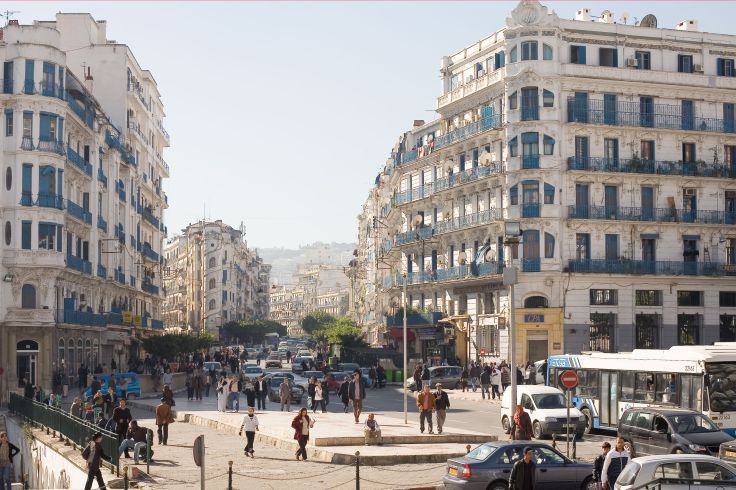
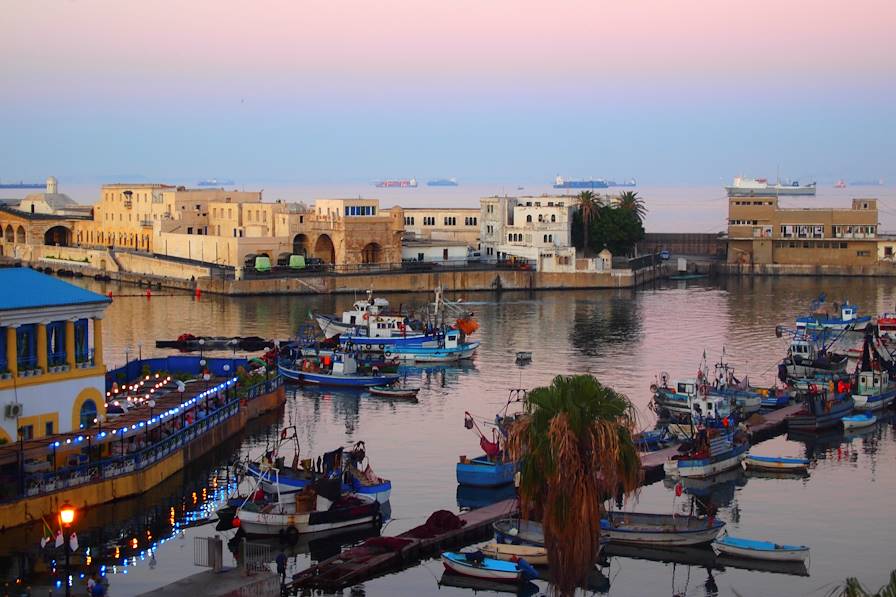
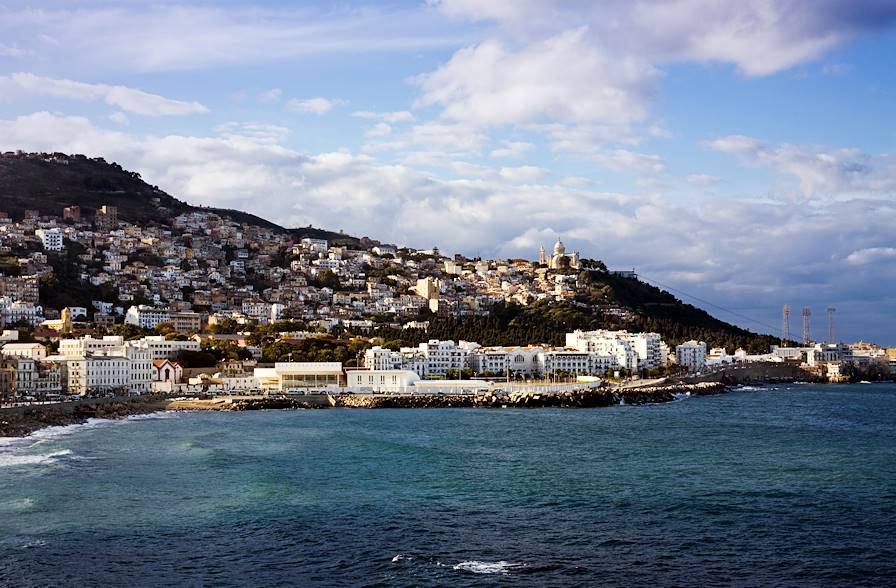
Airport priority (in certain cities), then a direct flight to Algiers. Transfer from the airport to a simple, central hotel for one night. The aim here is not to work miracles with the ambiance, but to offer basic amenities and an adequate level of service.
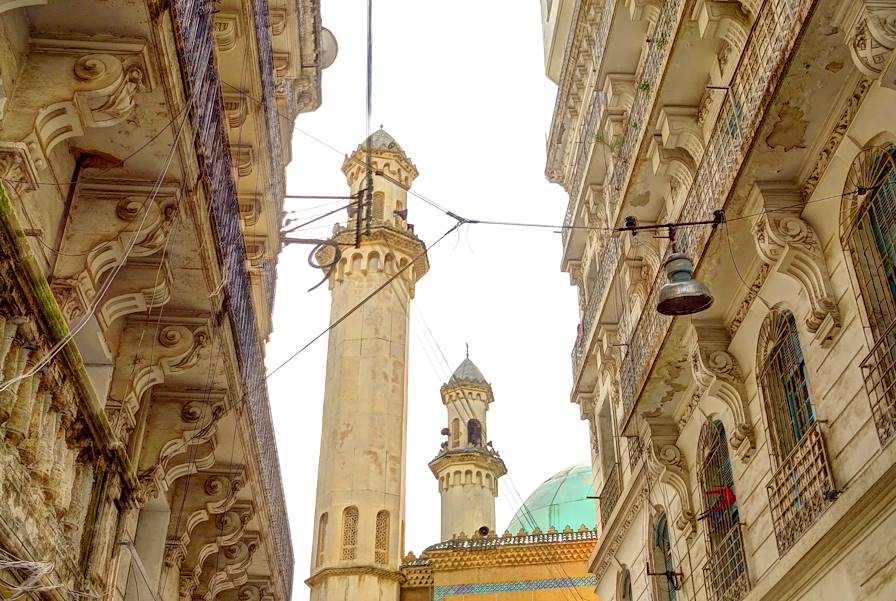
Already included - Private tour of the Casbah. This is the medina, the traditional Arab citadel with influences from the Ottoman Empire. Set out with a guide to discover a neighbourhood that is famous yet mysterious at the same time. Keeping itself partly hidden, it holds artistic treasures that are not for sale. Appreciate their value and power of fascination inside these citadel walls. Mosques, Ottoman palaces, hammams, and porticoed houses come into view before you reach them. And even artisan workshops - ceramists, painters, coppersmiths, carpenters, and more - open their doors to you. Yet the Casbah has managed to remain popular and full of character. The Museum of Popular Arts and Traditions offers valuable insight into what happened (and still happens) within this stronghold.
Meet your private driver who will accompany you throughout the trip. Road to Bou Saâda, in the High Plateaus. Overnight stay in a hotel that opened in 1913. The architecture is an intricate balance of Moorish motifs and modern designs. The botanical garden is lush and carefully maintained, adding a generous touch of greenery around a beautiful swimming pool. Inside, the decor reflects a certain Franco-Algerian classicism, with handmade furniture, tie-back curtains and immaculate bedlinen. The bedrooms provide a good standard of comfort. In the restaurant, Algerian cuisine and international classics are on the menu. Meals are served in the dining room or on the terrace, which extends below the park’s leafy trees.
Included - Private tour of Bou Saâda, the City of Happiness. Visit the palm grove and the city’s main attractions with a guide: the medina and souk, with their shady alleyways; the old Ferrero Watermill; mausoleums; and Palm Tree Mosque, founded in the 12th century, with ceilings and columns made of juniper wood. You’ll also see Zaouia El Hamel, a Sufi monastery founded in the 19th century. The complex includes a mosque, study rooms, guesthouse and the mausoleums of its founder, Muhammad bin Abi al-Qasim, and his daughter, Saint Lalla Zaynab.
Drive to Ghardaia. Stay for three nights not far from the marketplace, in a building designed by Fernand Pouillon, 1970-72. The long white façade incorporates and develops the former Bordj Giraud. Recent renovation work has restored the hotel's features to incorporate technical excellence and charm with functionality and aesthetics. You’ll feel at ease in these thoughtfully designed spaces. The rooms are well laid out and the restaurant is commendable. There is also a large swimming pool.
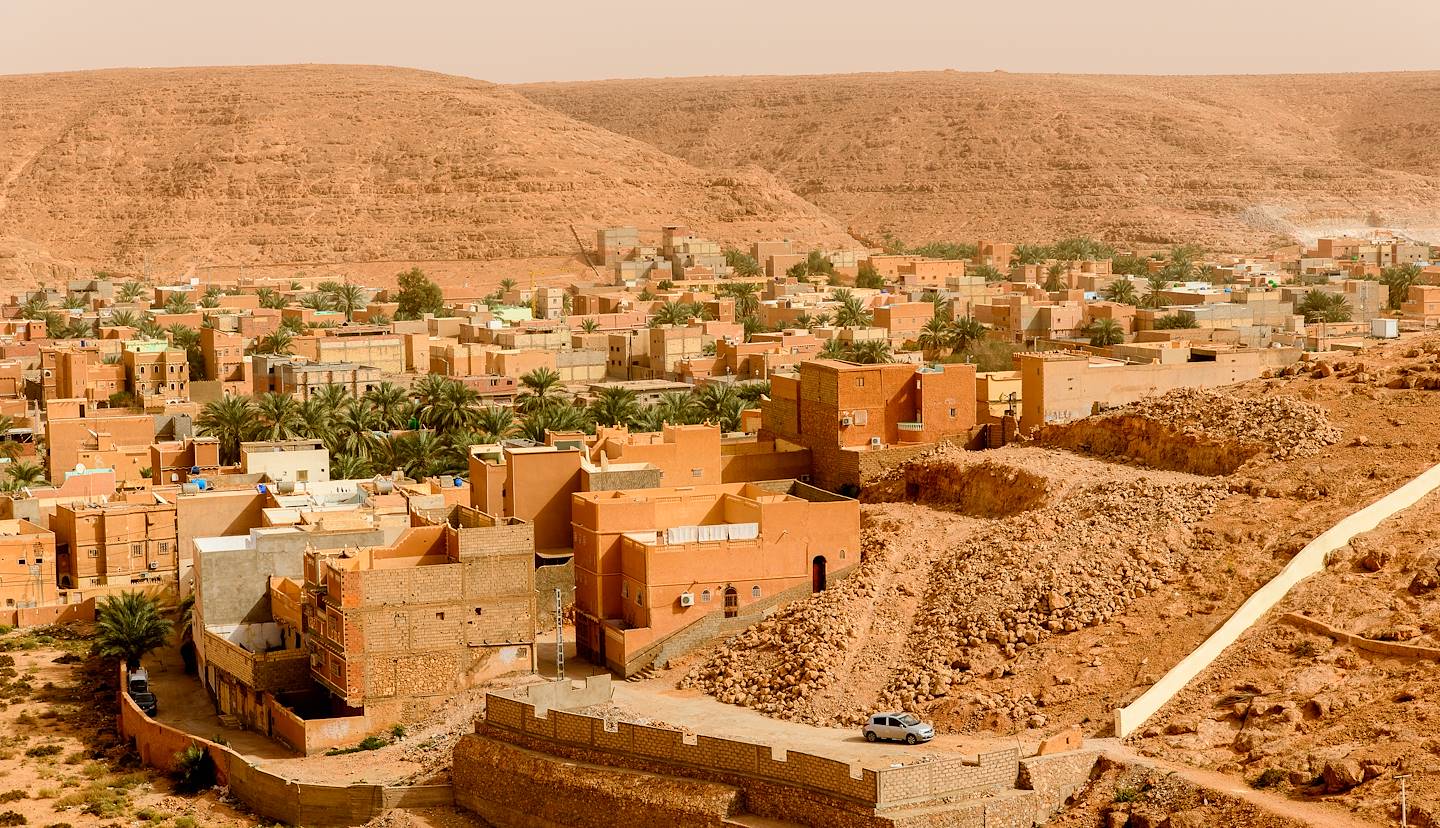
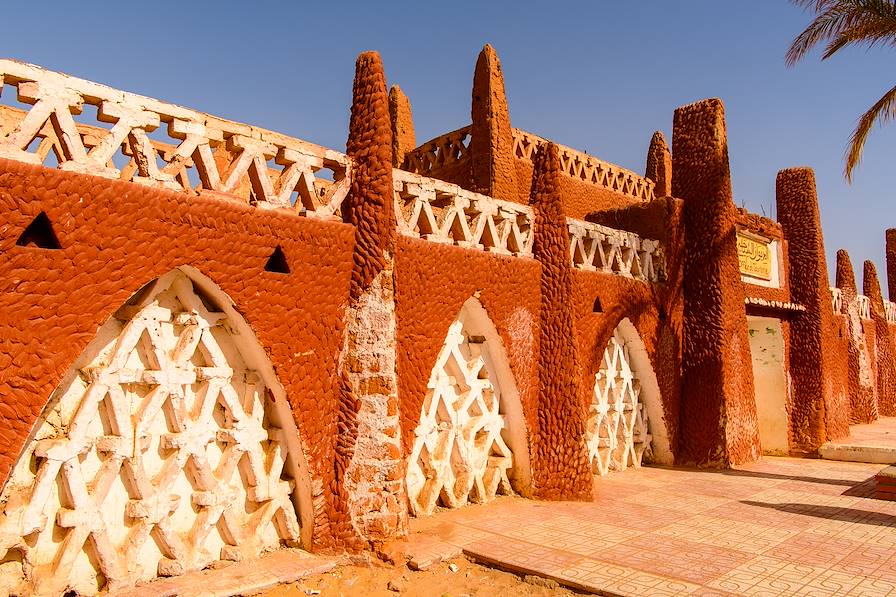
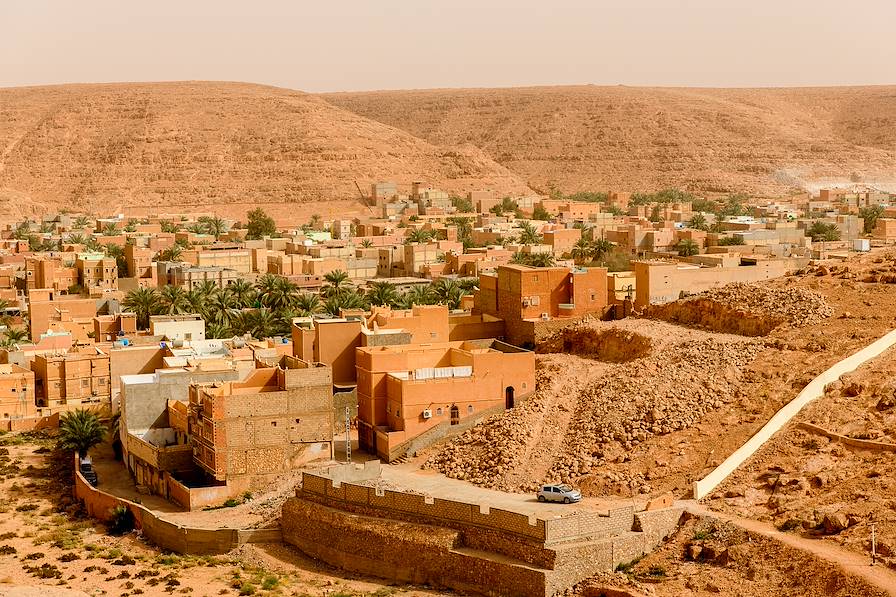
Already included - Private tour of Ghardaia and its palm grove. Ghardaia is the largest of five fortified cities created by the Ibadites in the M’Zab Valley. Its ochre tones blend into the landscape. The old town, where the minaret of the grand mosque points skyward, is crisscrossed by narrow streets. The lower sections of those alleyways leading to the market square serve as a souk. Here you’ll find the tightly packed workshops and stalls that are characteristic of these Arab markets. Goods are displayed on and above the street, and the engaging shopkeepers create a vibrant atmosphere. Ghardaia has been a trading centre for a long time - a role it has never lost - and this souk is by far the largest in the region. The Chick Baba-Oueldjemma and Ammi Saïd Mosques are full of the spirit of the desert. You will be accompanied on this tour by a knowledgeable guide.
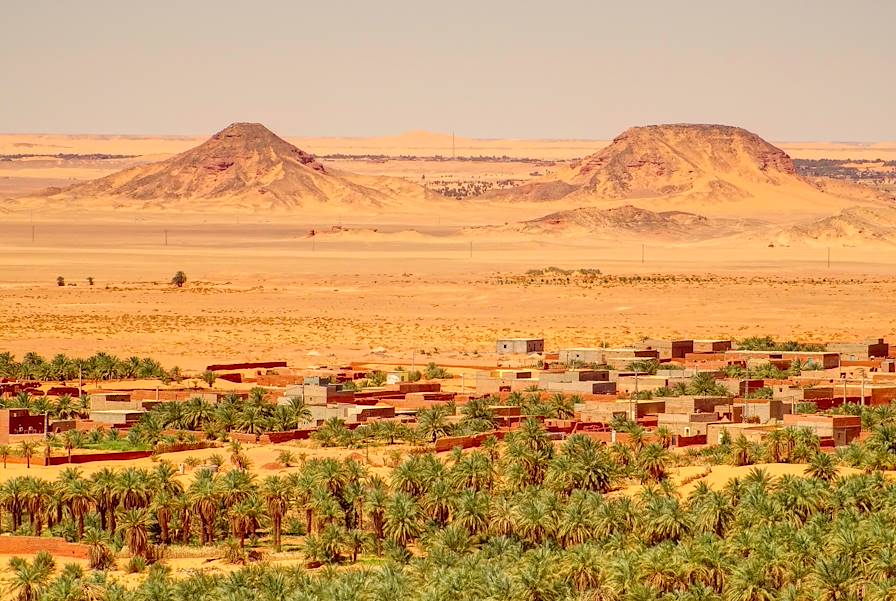
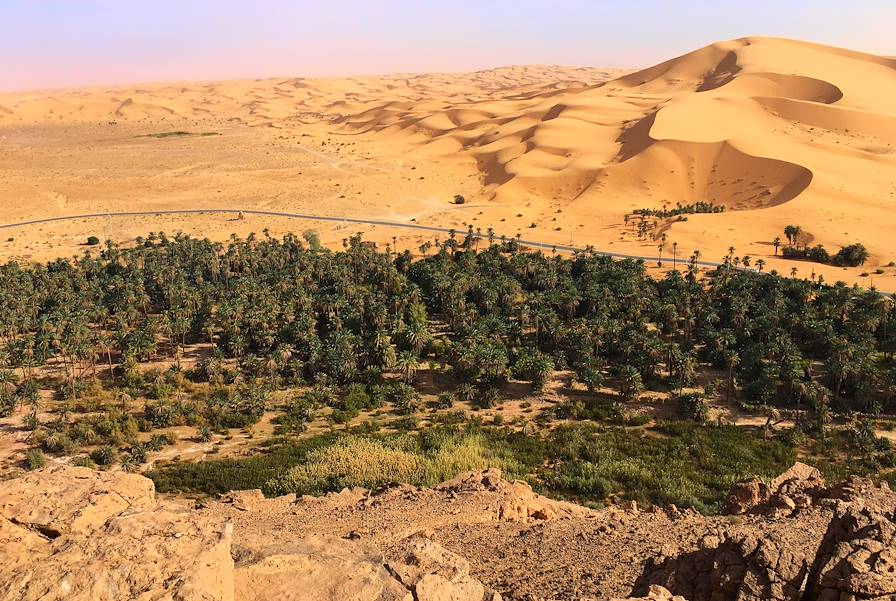
Included - Private tour of the Chaamba oases: Metlili and Sebseb. It was mainly in the 19th century that Chaamba camel breeders settled in the oases. These Maliki Sunni Arabs had to find a balance with the Ibadi Berbers of the M’Zab. In Metlili, you can admire the ksar (fortified village) and green minaret of the mosque, along with the blue domes of the koubbas. The Sebseb Oasis is surrounded by dunes. Here, you can start to sense the South and the lifestyle that comes with it, making sense of the traditional pastoral and commercial activities of the Chaamba. Something of it still lingers. People don’t abandon an old culture for the first motor car that comes along. Your guide will accompany you throughout the day.
Drive to El Menia. Overnight stay in a modern hotel designed by Fernand Pouillon in 1974. Arab architecture here provides both form and function. The property is set out like a hamlet; its maze-like layout channels airflow, essential due to the climate. Everything has been carefully considered. The immaculate white exterior reflects the sun - another essential consideration. And so does the (very pleasant) swimming pool. The clean lines of the interior conveys a sense of calm and peace. In short, nothing could be better!
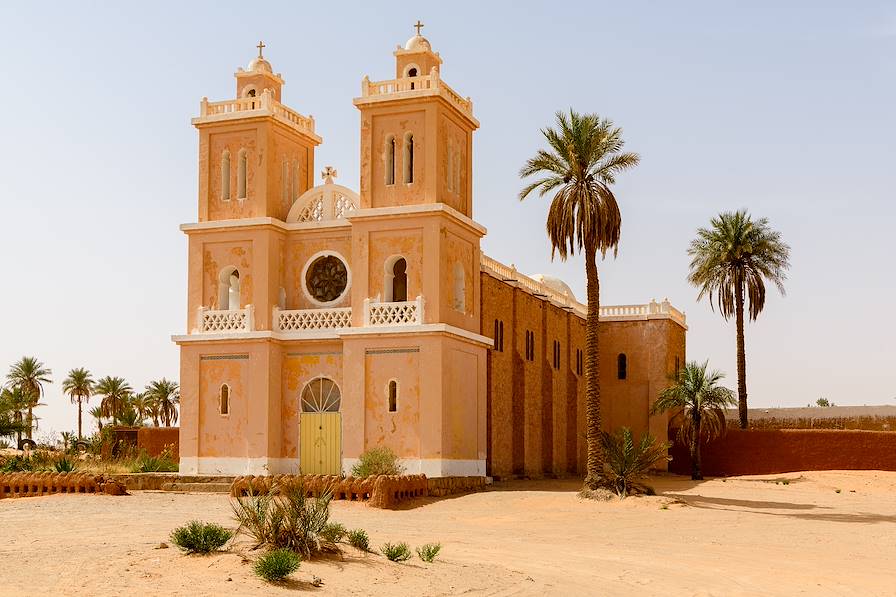
Already included - Private tour of El Menia. You can clearly make out the different parts of the ksar: the caravanserai at the foot of the hill, the village itself on its slope and the watchtowers up above. This is the life of a desert community, outlined here and explained by your guide. Saint Joseph Church, dating from the 1930s, and the tomb of Charles de Foucauld, from 1929, are two other significant monuments.
Drive to Timimoun. Stay for two nights in the palm grove. Your Zenata Berber-style guesthouse has rooms and traditional tents set around a large garden. You can even choose to stay in the zariba (shepherd’s hut). Inside the house, the decor is inspired by the work of local artisans. The rooms are simple, with wooden and wrought iron beds and excellent bedding. Rugs are everywhere - covering floors and seats. The common areas, both indoors or out, are especially welcoming. The kitchen prepares typical Gourara dishes, including ichkouad (fine grained pasta and beans); rougag (flatbread with olives and beans); kennoud (fine grained pasta with lentils and meat), and more. The Sahara of the oases has its own unique flavours.
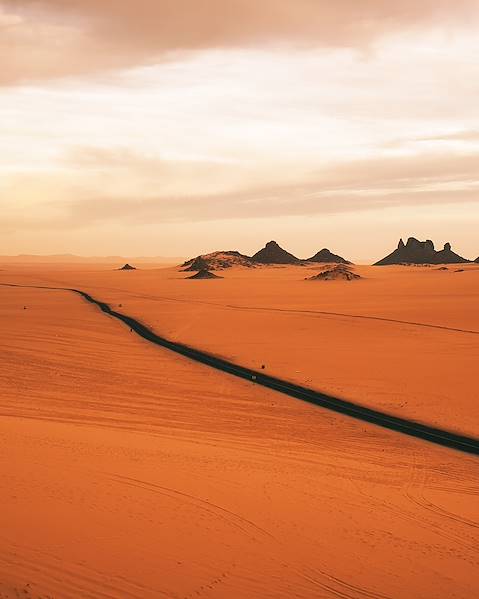
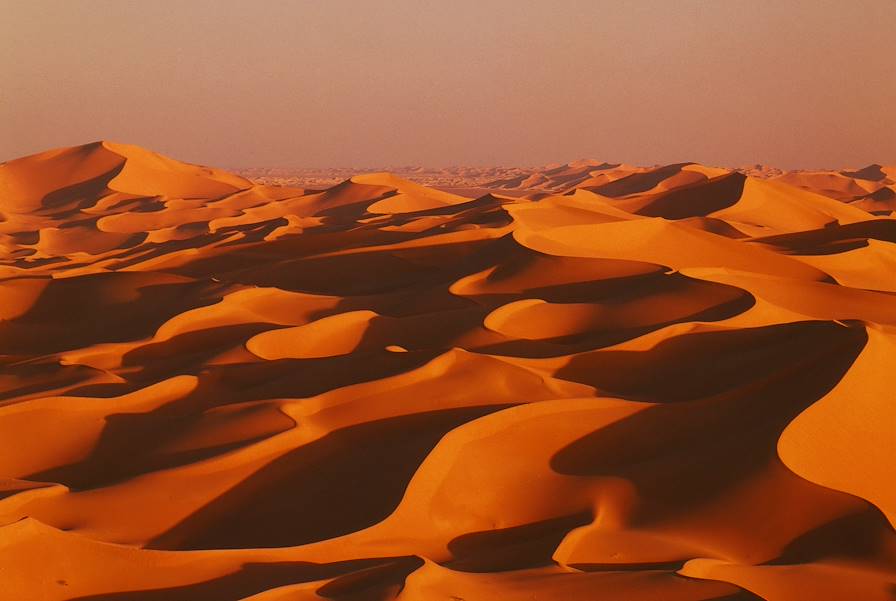
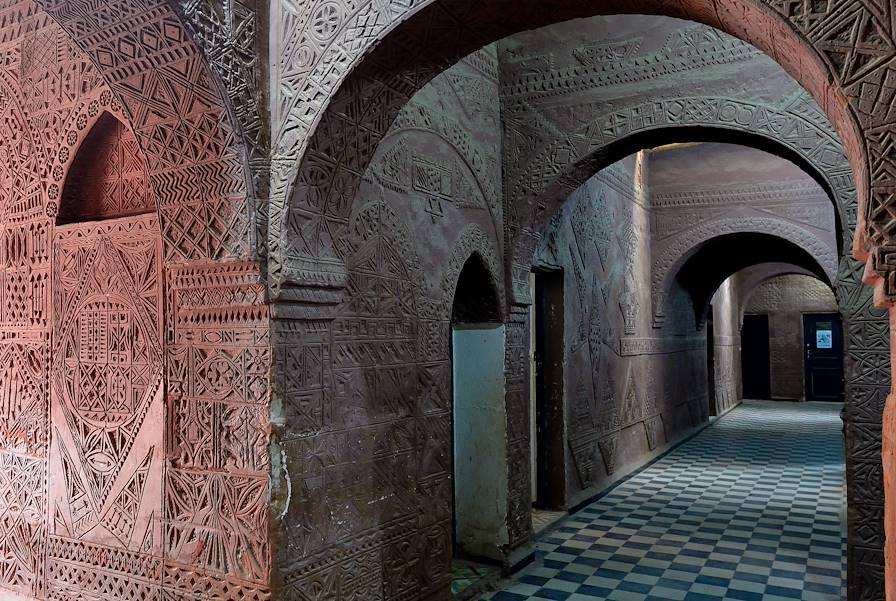
Included - Private tour of South Timimoun. The ksar, palm grove and foggaras (traditional water supply system) of the Red Oasis are now accessible to visitors. So, you’ll set off with a guide, travelling 70 km (43 miles) into the desert, to reach Guentour palm grove and ksar. Overlooking the site, this fortification has the laconic splendour of ruins. In the palm grove, you’ll see enclosures and plots that were once cultivated, carefully marked out by natural screens and thin earthen walls. This fragile agriculture is constantly threatened by the encroaching desert. The sand brings with it a hint of melancholy. To shake it off, head west to the dunes of Thala, to enjoy something to eat while watching the sun paint the bare sand red.
Drive to Taghit, via Béni Abbès or theWhite Oasis, comprising seven ksours (castles) and including a chapel built by Charles de Foucauld in 1901. Stay for two nights in a modern hotel whose architecture reinterprets traditional motifs. Those that enhance comfort have been preserved, including mashrabiyas, benches, and fountains. The rooms are simple, spotless and adequately furnished. Two restaurants serve top-quality cuisine. The hammam is most welcome, as is the large swimming pool in the garden. Bicycles and scooters are available for hire.
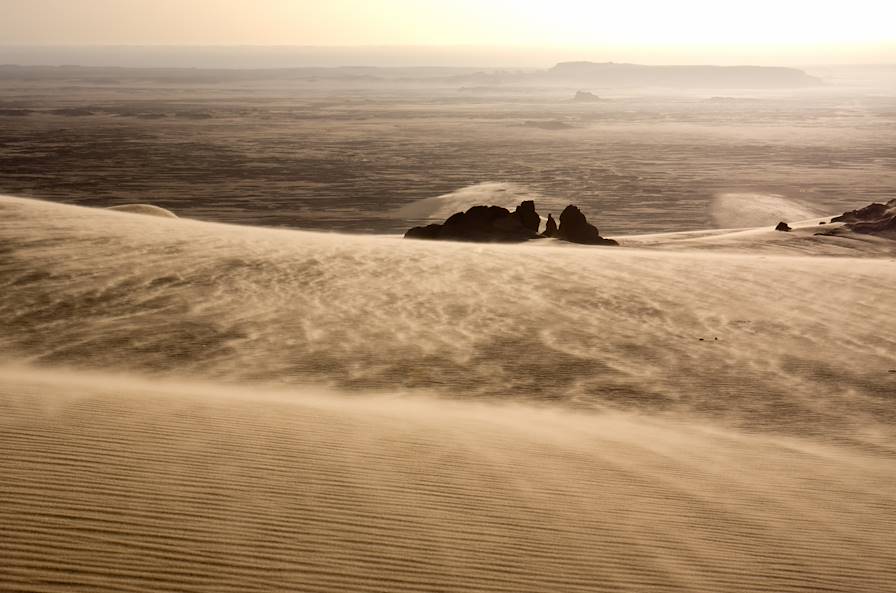
Included - Private tour of the Taghit Oasis. Taghit is built in an oasis fed by the Zouzfana Wadi. When you turn to the east, the palm trees stand against the backdrop of the Grand Erg; to the west, Mount Baroun, creating a spectacular double panorama. There are still fine examples of traditional architecture for visitors to explore. Slip through the alleyways accompanied by a guide. This is a world that opens up gradually. Its initially closed and tight-knit appearance conceals a specific, vibrant sociability. Your guide also gives you the opportunity to get a sense of how the oases are run, including what is grown there, their exchange system, water management, and so on. In the surrounding area, rock carvings depict lots of animals - including bovids, ostriches, lions and elephants - revealing that in the Neolithic period, the Sahara looked very different from today.
Drive to Béchar train station and take the night train to Oran.
Transfer to the airport for your direct flight home.
This suggested itinerary can be customisable down to the smallest detail, including duration, stops and content. An à la carte menu of experiences is also available to create a journey that reflects who you are.
Every day, our travel specialists craft bespoke experiences shaped around each traveller's profile, desires and budget. These passionate experts design experiences delivered on the ground by a local network of Concierges and trusted contacts. These fully customisable, made-to-measure trips are complemented by a wide range of high-end services (lounges, 24/7 assistance, travel booklet, app, Wi-Fi, restaurant booking, etc.)
Let us create your trip
Travel with complete freedom, guided by your interests,
ideas and passions.
250 travel specialists, organised by country and region. Driven by a passion for beauty and never short of ideas, they inspire you and design an ultra-personalised journey: itineraries, accommodation, workshops, encounters, and more.
Always at your service: with a dedicated travel specialist, Concierge service and 24/7 assistance, our teams support you and adapt in real time, for a trip that is both flexible and expertly supported.
With family, as a couple, in a group of ten, on a road trip, by train, by boat, for a weekend or a round-the-world journey... Trips tailored to your preferences, enhanced by clever services, for ever smoother travel.