100% customisable travel idea
Romania Uncovered Larch forests and painted churches
Romania - Bucharest - Transylvania - Bucovina - Maramures
A journey across Romania
Your trip
If we suggest taking the wheel, it’s because Romania’s roads make it possible. In recent years, the road network has improved markedly. It's not motorway-smooth everywhere, but it's consistently very manageable along the suggested itinerary. Local drivers remain lively, but they now pay far closer attention to the rules than in the past. In short, your “Western” driving habits apply here without difficulty. Between stops, the journey times are very reasonable, so the car is never a chore but an instrument of freedom. Your accommodation throughout offers both comfort and good conditions for rest - and each place has its own character. From urban Bucharest to rural Snagov, via a chalet in Gheorgheni and a Renaissance craftsman’s house in Sighi?oara, no two stays feel alike. City or countryside, each enjoys a well-chosen setting. Although Romanian belongs to the Romance language family, having private guides makes communication easier and more meaningful. They will accompany you on the visits already scheduled: private tours of Bucharest, Bra?ov and Sibiu; entrance tickets to the castles; the painted churches of Bucovina and the wooden churches of Maramure? - the last two each filling a full day. And if an unexpected idea or a minor setback arises along the way, you have the contact details of our on-site concierge service to help you, whose role is to handle the unexpected.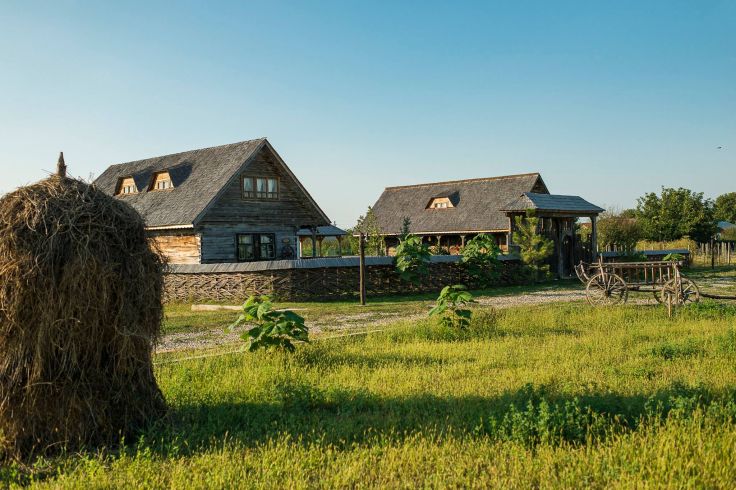
Itinerary
100% customisable for you
Transfer and settle in for two nights in the centre of Bucharest. The hotel has two wings: one contemporary, the other eclectic. Between them is a lovely garden terrace. Inside, a clean and modern design puts travellers at ease. The rooms are bright, well equipped, and have very comfortable cotton-silk bedding; the bathrooms are just as appealing. Leather sofas and armchairs bring style and a touch of flair to the common areas. At the stove, the chef moves effortlessly from the Romanian repertoire to international classics. American-style breakfast: pancakes, cereal, fruit, etc. To relax and stay in shape, guests have access to a sauna, a spa and a gym.
Optional extra: Entrance tickets to the Palace of Parliament.
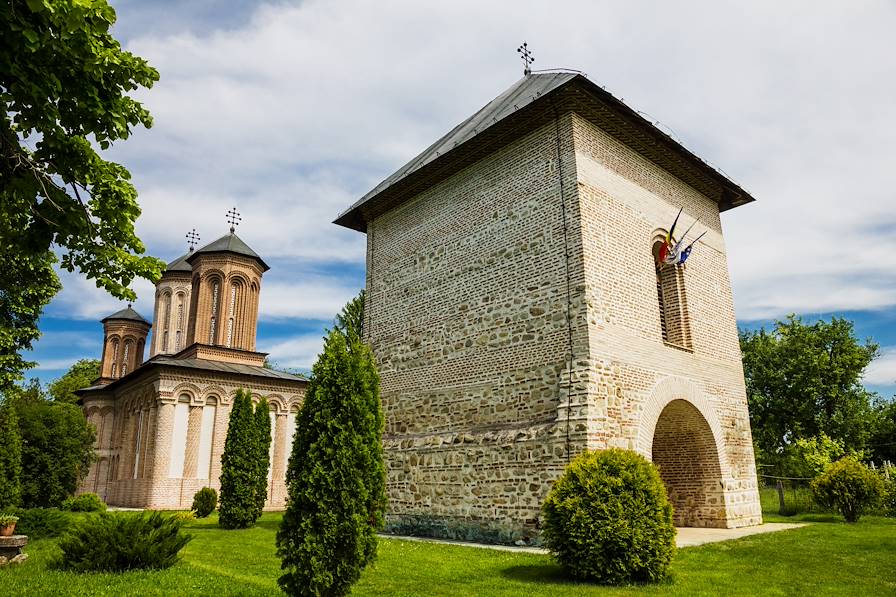
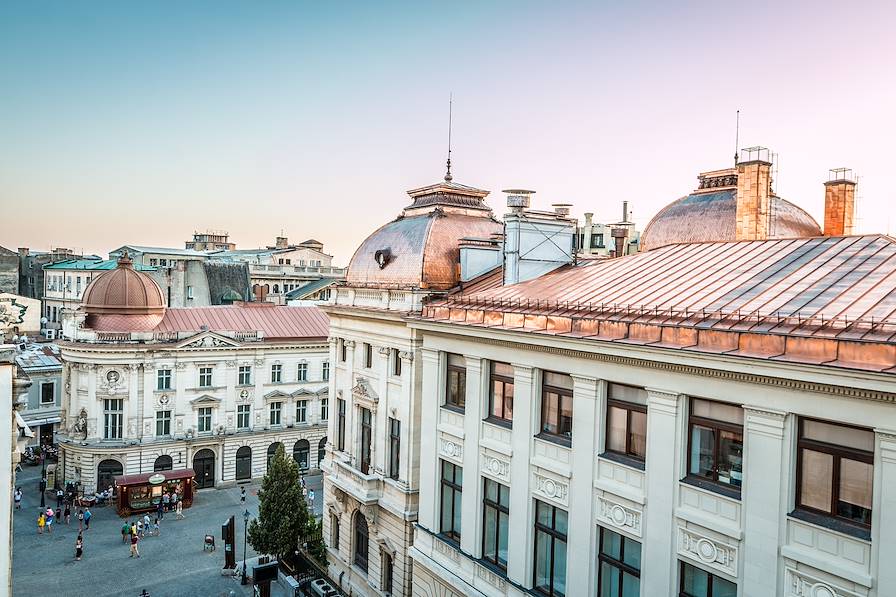
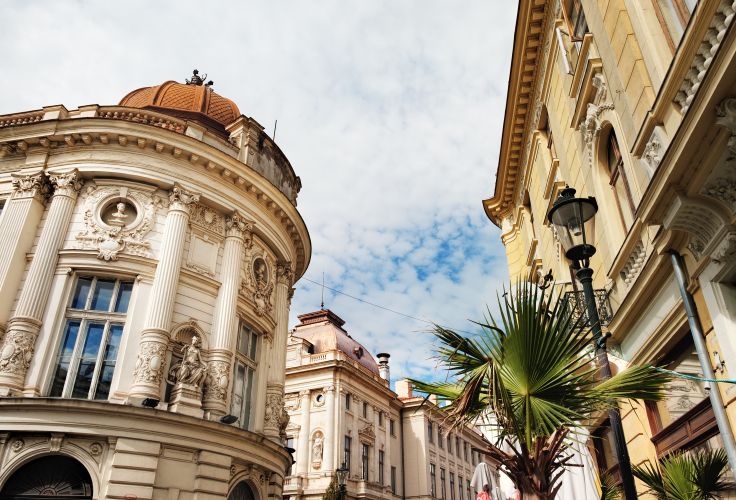
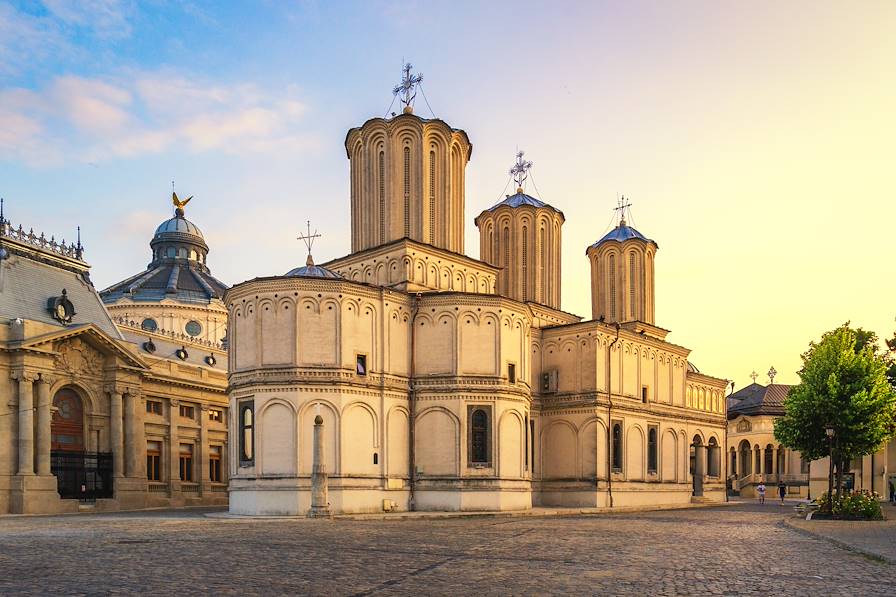
Already planned in your itinerary - Private tour of Bucharest. Accompanied by a guide, set out on foot to discover the main attractions of a city that proves to be much more appealing than expected. The buildings from the socialist era are now showing the effects of their rushed design, but their redevelopment is in full swing. And they haven’t covered everything - far from it. There are still districts that have survived the bulldozers of history, such as Lipscani. On Calea Victoriei, at the southwest corner of Revolution Square, stands Kretzulescu Church, which dates from the 18th century - as does the Stavropoleos Monastery Church, a vibrant example of Brâncovenesc style. The Greek Catholic Saint Basil the Great Cathedral, built in 1909, owes its existence to people from Bucharest with Transylvanian roots. The collections of the National Art Museum brilliantly show the European roots of Romanian culture. The history museum offers fascinating confirmation of this. Along the way, you can snack on a pretzel or a doughnut, just as the locals do when they feel a bit hungry.
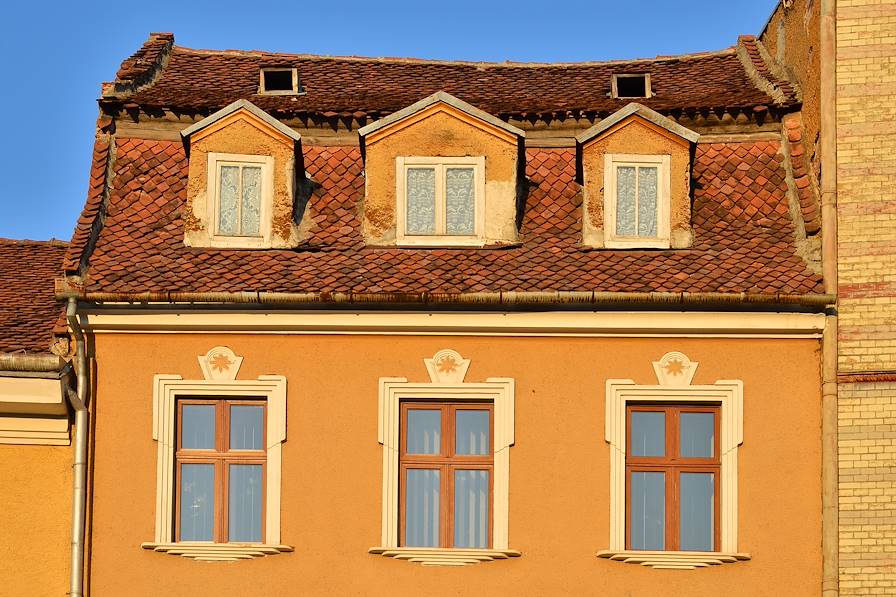
Pick up the rental car and head to Brasov. Settle in for two nights in a neoclassical house in the old town. The decor draws inspiration from the spirit of the late 19th century: dark wood, tufted leather and velvet. The rooms are well equipped, comfortable, and have a functional bathroom. Exposed beams on the ceiling and other structural features add a touch of provincial romance. The bar and restaurant are located in the cellars: brick walls, vaulted ceilings, an atmosphere that is both raw and welcoming, which pairs perfectly with the Romanian and Hungarian cuisine from the chef.
Already planned - Your entrance tickets to Peles Castle.
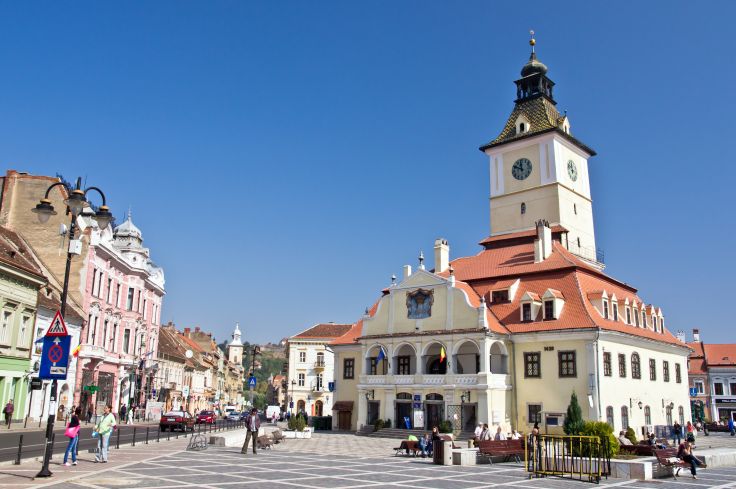
In your itinerary - A half-day tour of Brasov's highlights, with a private guide. Brasov was founded in the 13th century at the initiative of Hermann von Salza, a grand master of the Teutonic Knights. Since then, it has consistently retained a Germanic character - still evident today in the 16th century Catherine Gate, which for a long time was the only entrance to the walled city permitted to the Wallachians or Romanians. Once a commercial hub, the area still retains the charm of the Austro-Hungarian Empire, which encouraged its industrial growth in the 19th century. It boasts a rich artistic heritage, from Gothic to Jugendstil. The Black Church (14th-15th centuries) still brings together a strong Lutheran community. Old streets and squares form a charming network.
Already included - Your tickets for Bran Castle. Count Dracula’s castle has an interesting history, even though the Dracula myth linked to it often overshadows this. It’s easy to picture the famous vampire slipping out of there at night!
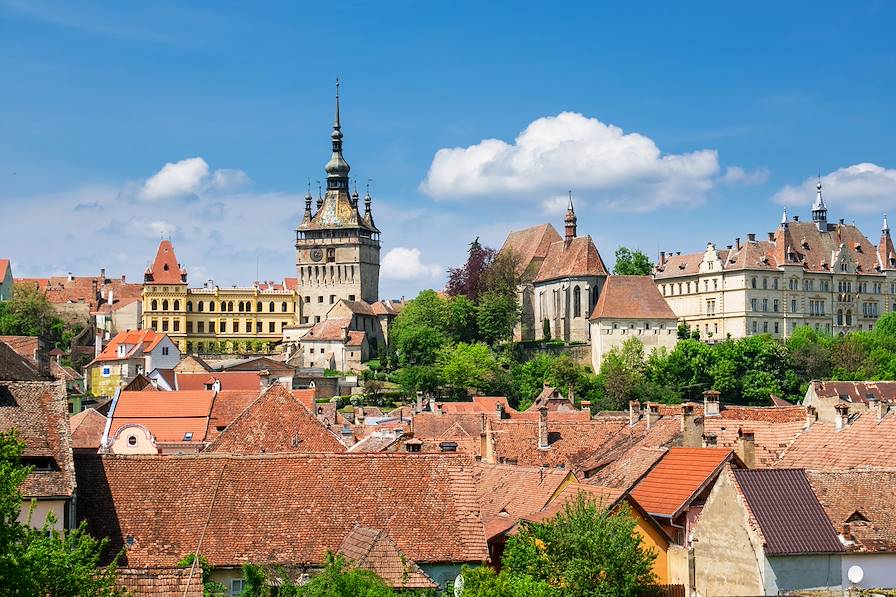
Drive to Sighisoara. Spend the night below the town hall - steep stairs lead to the upper part of the city. Your accommodation is a Saxon house with an old rose-coloured facade. Inside, there is a deliberate rusticity - one that is even exalted. In some rooms, the beamed and boarded ceilings have real character. All of this creates a sense of strength. The rooms are comfortable and well equipped, each with a very pleasant bathroom. Museum ambitions do not take precedence over accommodation requirements. In the evening, meet in the courtyard around the barbecue. The region’s charcuterie specialities are a perfect match for this. Its churches, towers, craftsmen’s and merchants’ houses, and ramparts place Sighisoara among the country’s leading medieval sites. You need to discover this on foot, allowing yourself to be surprised by ever-changing viewpoints.
Drive to Gheorgheni. Stay overnight in a small valley, a few kilometres northeast of the city. There is a certain cosy and peaceful feeling that emanates from the chalet. It brings to mind the house of the Three Bears. The rooms are simply appointed. The dining room has a clean, fresh feel. In the evening, a lovely buffet is set up there. The services of a small spa, dry heat from a sauna, and a ping-pong table allow you to relax. Outside, there’s a barbecue, so you can enjoy grilling, Romanian-style. We are in the beautiful mountains of Székely Land. The Székelys, a Hungarian-speaking people, settled in the region during the Middle Ages. At that time, they guarded the eastern borders of the Kingdom of Hungary - which, as it receded, left them there like seashells on the shore. About 15 km (9 miles) from the hotel, Red Lake offers an enchanting landscape. It was formed in 1837 by a landslide - recent and natural!
Drive to Gura Humorului, in Bukovina. Stay for two nights in a charming guesthouse made up of several small traditional houses from the region, along with a few more modern ones, arranged like a small village. The guest table highlights produce from the adjoining farm and neighbouring producers. This is a warm stop-off steeped in tradition.
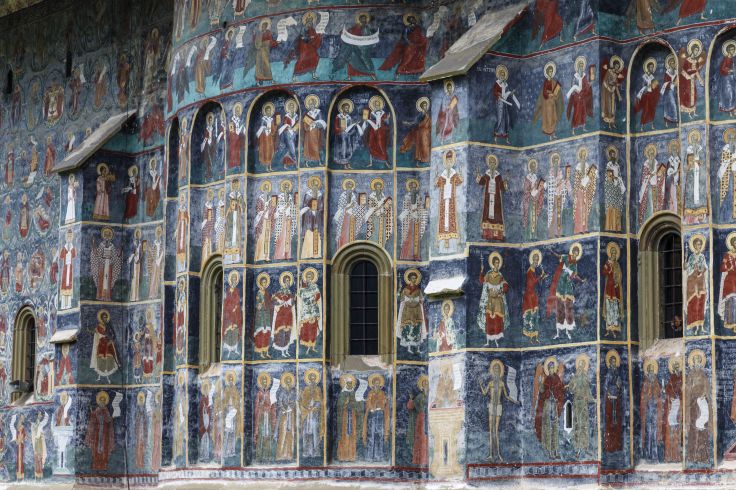
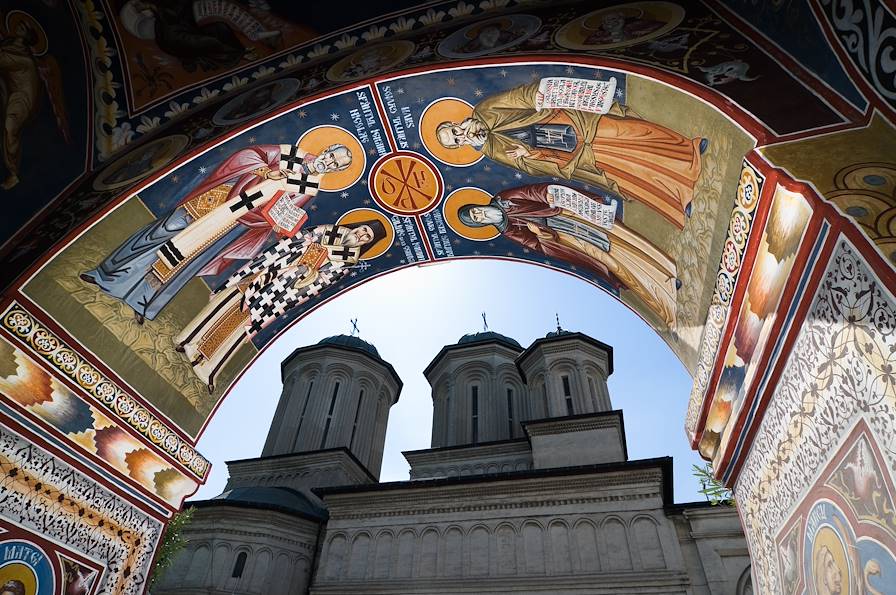
Already planned in your itinerary - The painted churches of Bukovina. These orthodox monastic churches built in the 15th and 16th centuries are on the UNESCO World Heritage List. This is for their historical and architectural interest, but above all for the fantastic frescoes that cover their interior and exterior walls. The oldest site on the tour, Voronet Monastery, dates from 1487. The patterns juxtapose biblical and traditional scenes against a blue background - most notably, a monumental Last Judgment - simply stunning. The presence here, as in other sanctuaries, of the great pagan philosophers of ancient Greece raises intriguing questions in the history of ideas. At Moldovita - 1532 - you can admire a beautiful Tree of Jesse (the genealogy of Christ) and a depiction of the capture of Constantinople by the Turks in 1453. Finally, at Sucevita - 1583 - the Ladder of Divine Ascent shows the faithful moving along the line between a beautiful angelic order and infernal chaos. The prayer of all saints, depicted on the walls of the apse, is a rare motif that marks the fortunate end of the spiritual tightrope walk of the ladder. The day is spent with a private guide.
Drive to Sighetu Marmatiei. Stay for two nights in the south-west of the city, on the north bank of the Iza River. The spacious and well laid out hotel exudes respectability and a comfortable lifestyle. There are also geraniums at the windows. The rooms and common areas are carefully equipped - simple and functional. Amid the lively buzz of the homely inn, it quickly becomes clear that the chef sends out just what’s needed: Romanian cuisine that delights the soul. The local wines also add to the cheerful mood of the guests. Outside is the essential barbecue for sunny days.
The trials of history have not spared Sighetu Marma?iei, the historic capital of Maramure?. The large Hasidic Jewish community that lived there disappeared during the Shoah. The museum, housed in the birthplace of Elie Wiesel (1928-2016) on Strada Dragos Voda, tells their story. The old village prison pays tribute to people who suffered under communism.
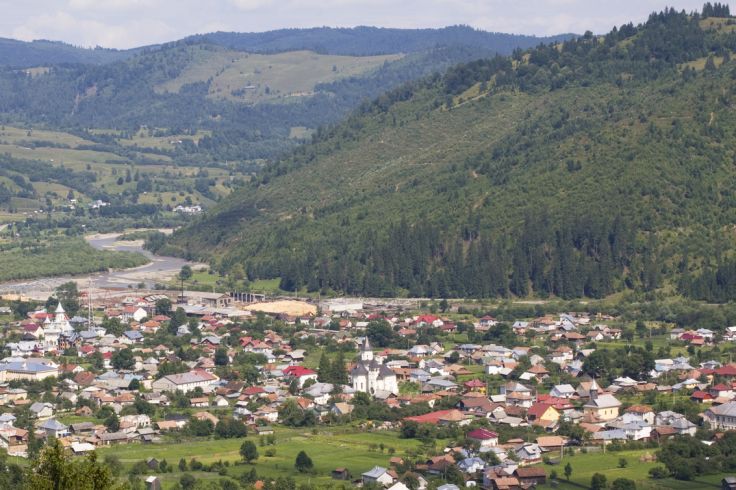
Already planned in your itinerary - The wooden churches of Maramures. UNESCO has listed eight of these traditional Orthodox churches; you will visit three of them with a private guide. The Church of Pious Paraskeva (an ascetic saint from the 11th century) in Dese?ti dates from 1770; its harmonious vertical lines are the result of outstanding carpentry. It houses a striking collection of murals. The shingle roofs of the Saint Nicholas Church in Budesti (1643) give it the look of a shell or a light grey cloak. Along with that, it has a striking purity of line. As for the Church of the Presentation of the Virgin at the Temple in Bârsana, built in 1720, this stands out as much for its paintings as for its architecture. These buildings collectively express the excellence of the craft - the skill of the artisans who built them - as well as the faith that inspired the communities and their sense of aesthetics. These little houses of God bear witness to a surprisingly balanced relationship between the constraints of the earth and the wonders of heaven.
Drive to Cluj-Napoca. Stay overnight a few hundred metres north of the Cluj-Napoca Botanical Garden. The hotel is housed in a 19th-century building and features decor that sometimes borders on light kitsch: mauve, petrol blue and anise green. Well-equipped rooms and bathrooms allow travellers to rest in ideal conditions. Breakfast served on site, and there’s a restaurant within walking distance. An important economic hub, Cluj also serves as the main centre for Hungarians in Romania, who make up half the city’s population. The birthplace of Matthias Corvinus (1443-1490), the great Hungarian monarch, is emblematic.
Optional extra: Private tour of Cluj-Napoca.
Drive to Sibiu.
Optional extra along the way: Private tour of the Turda salt mine.
Settle in for two nights in the charming historic centre. The residence occupies an old house, fitted out in a classic hotel style. The clean and pleasant rooms have a touch of charm. The gym has a unique atmosphere thanks to its location in vaulted brick cellars. You can easily find a restaurant or an inn near the hotel. Transylvanian cuisine is sure to satisfy: salo, smoked bacon, eaten with bread and red onions; pastrami, cured meats - beef, mutton or goat; sheep’s cheese from the pastoral region of Marginimea Sibiului; hanklich, sponge cake and cream; and more.
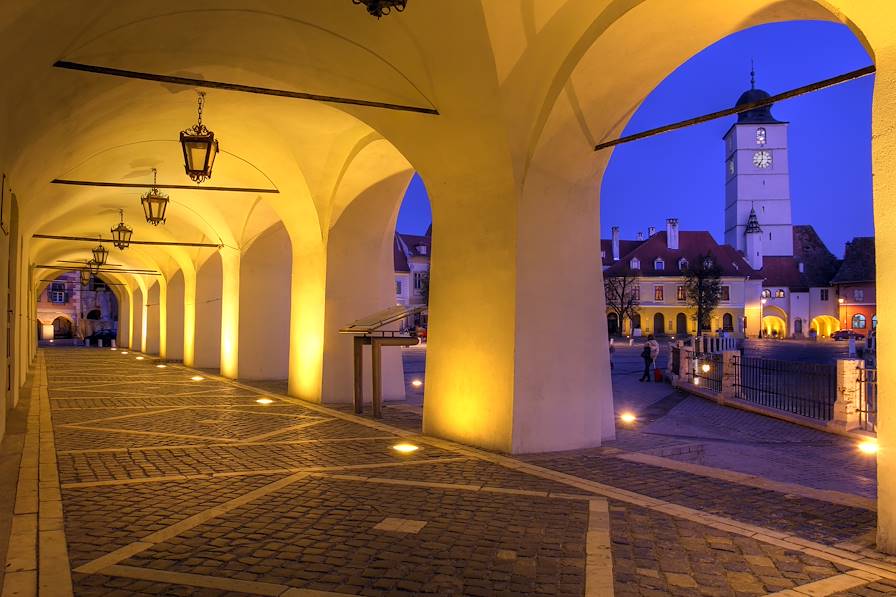
In your itinerary - A half-day tour of Sibiu's highlights, with a private guide. The city, once called Hermannstadt and founded by Germans in the 12th century, has passed through history without major damage. It features a miraculous blend of Gothic, Renaissance and Baroque architecture. The harmonious balance that emanates from it makes it one of the most attractive cities in Europe and it is now applying for World Heritage selection. Of its four walls, dating from the 12th to 15th centuries, traces remain here and there. Renaissance military architecture is represented by the Haller bastion, while the Mercenary’s bastion exemplifies that of the 17th century. In the lower town, for example, the Goldsmith’s Passageway stands out with its evocative 16th-century houses. In the upper town, you are spoiled for choice. The Grand Square, of course, with an artistic heritage that stretches from the Gothic White Tower to the neo-Rococo hotel. La Small Square, presided over by the famous Bridge of Lies, is also full of appeal. The Evangelical Cathedral (14th-16th centuries), which features a splendid Crucifixion fresco by Johannes von Rosenau (1445), lends an air of nobility to Huet Square.
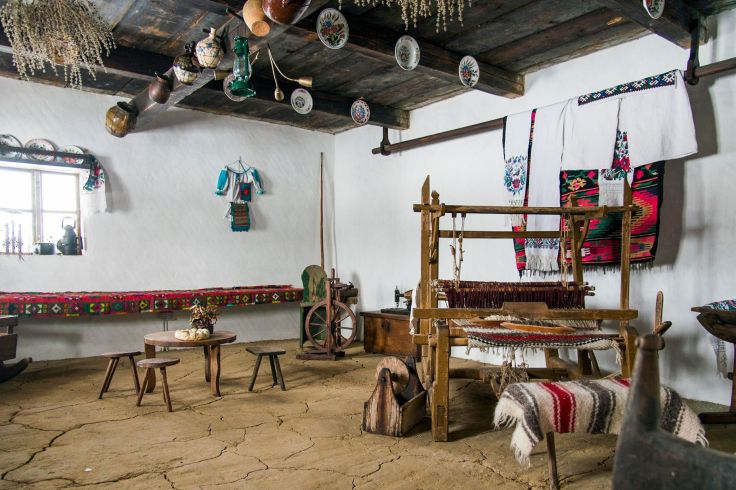
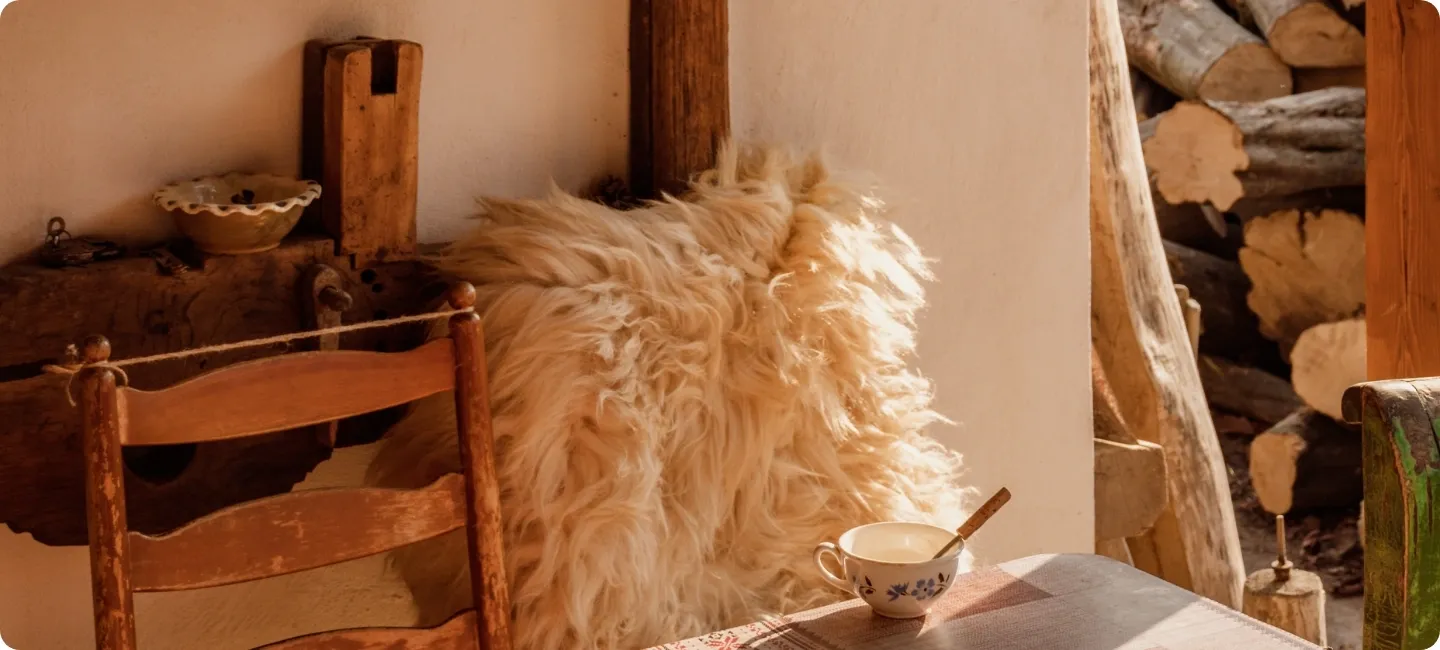
Drive to Snagov. Stay overnight in a traditional, true to life Wallachian village. The houses are made of wood, and the rooms are furnished and decorated as in fairy tales. Floral-patterned rugs, shaggy wool blankets, painted pottery, embroidery, old-fashioned tools and large-format photographs - you step into an ethnographic museum you’re allowed to live in. What a change of scenery! The restaurant serves modern Romanian cuisine and has an Italian spirit. On a small island in Lake Snagov stands Snagov Monastery, founded at the beginning of the 15th century. Vlad the Impaler (1431-1476), Prince of Wallachia and the historical prototype of Dracula, is said to rest there.
Drive to Bucharest airport and drop off the car. Return flight.
À la carte
This suggested itinerary can be customisable down to the smallest detail, including duration, stops and content. An à la carte menu of experiences is also available to create a journey that reflects who you are.
Bucharest - The Palace of the Parliament
The Palace of Parliament may well be Europe’s emblem of political and architectural excess. Unable to rid themselves of it, Bucharest residents have turned it into a kind of ironic reference point. Designed by Anca Petrescu from 1984 onwards, this vast complex broke absurd records for surface area, volume and materials. Today, it arouses curiosity and stands as the most visited building in the country. The Parliament is housed there, along with a contemporary art museum. Love it or loathe it, Bucharest can no longer be imagined without it. Tour with a private guide.Cluj-Napoca, a Romanian city with Hungarian influences
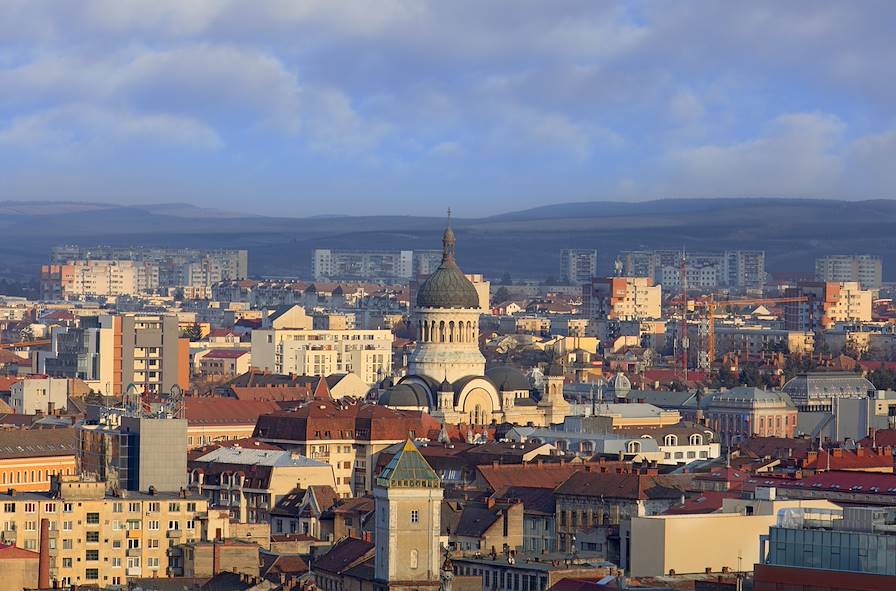
Cluj-Napoca is the former capital of Transylvania. With its two major Romanian- and Hungarian-speaking communities, it is a deeply bicultural city. The historic centre is organised around a large square from which a grid of streets and avenues extends - a legacy of Saxon culture. On your visit, you discover key landmarks such as Union Square (Pia?a Unirii), dominated by St Michael’s Catholic Church; the Banffy Palace, now home to the National Art Museum; the History Museum; the Teleki Palace, which houses the county library; the Tailors’ Bastion, a remnant of the medieval city walls; and the National Theatre.Optional - With a private guide.
Why visit Romania with Voyageurs du monde?
Every day, our travel specialists craft bespoke experiences shaped around each traveller's profile, desires and budget. These passionate experts design experiences delivered on the ground by a local network of Concierges and trusted contacts. These fully customisable, made-to-measure trips are complemented by a wide range of high-end services (lounges, 24/7 assistance, travel booklet, app, Wi-Fi, restaurant booking, etc.)
Let us create your tripA few of the advantages of travelling with us to Romania
- Globally unique concierge service
- CO2 absorption