100% customisable travel idea
A road trip through Transylvania Castles and mountains in Dracula country
Romania - Bucharest - Transylvania
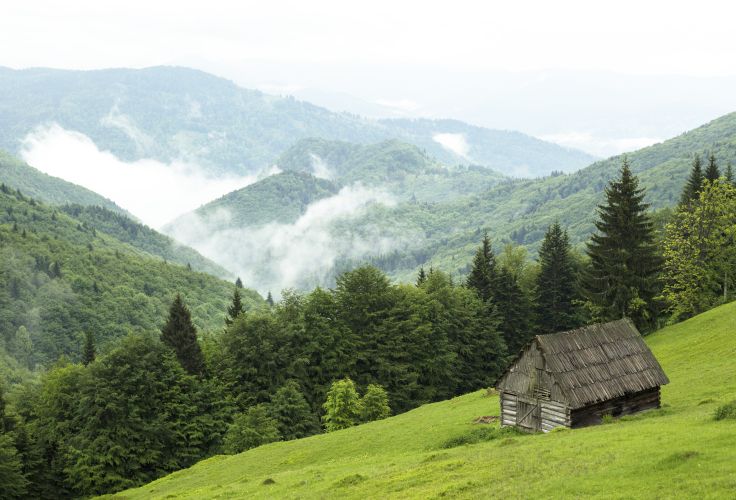
The mountains and forests of Romania
Your trip
Romania’s road network has improved significantly in recent years, with many modern, reliable roads. Some stretches still leave room for improvement, but they barely feature on this itinerary. Driving here is straightforward and brings a genuine sense of freedom. At each stop, you stay in comfortable, well-located accommodation, each reflecting the character of its surroundings. Along the way, you discover hearty Romanian cuisine, now being reinterpreted with flair by a new generation of chefs. Two visits are already scheduled in your programme: Bucharest and Bra?ov, both with private guides. Sibiu can be added as an option. The rest of the journey is designed to be enjoyed independently, at your own pace. Daily driving times are kept reasonable, leaving time both for sightseeing and for spontaneous stops along the way - without wearing anyone out. Moments of relaxation, or a glass of palinca, are only possible, but encouraged. And should an unexpected idea or minor setback arise en route - you have the contact details of our on-site concierge to assist you.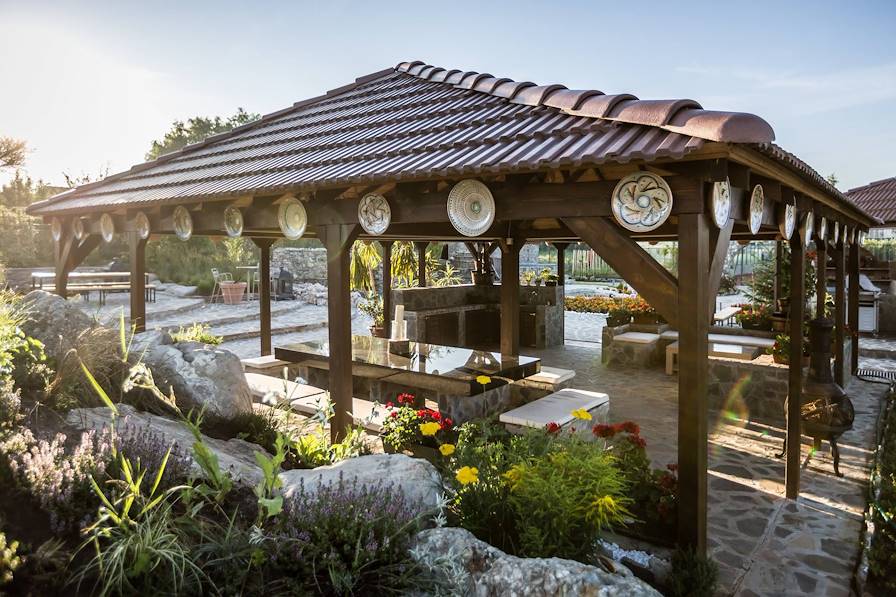
Itinerary
100% customisable for you
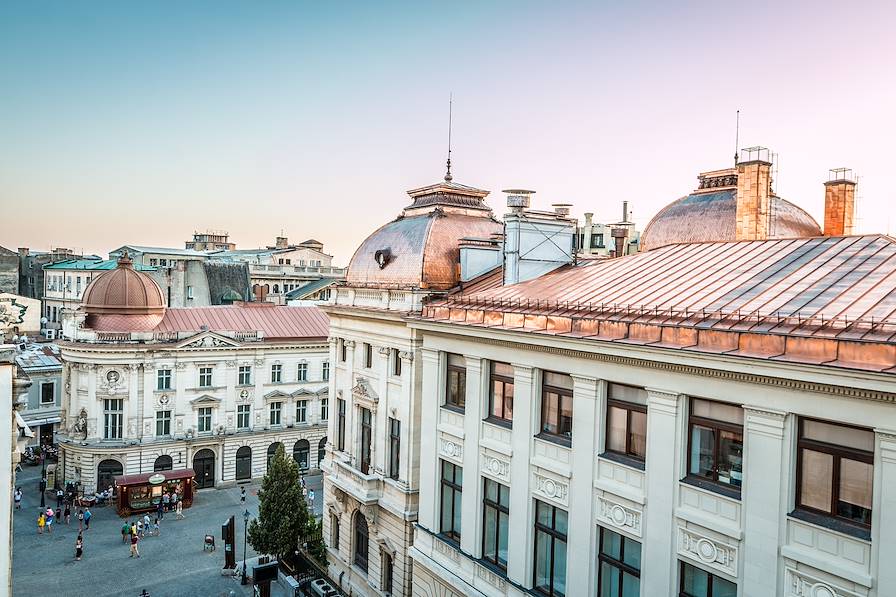
Private transfer and check-in for two nights in central Bucharest, at Union Square. From the facade, the white highlights a beautifully crafted 19th-century building. This follows you inside, where the style is clean and hotel-classic, with flawless execution. The conversion of the courtyard into a lobby is a real success. The rooms meet international standards. They are well equipped and comfortable, decorated in neutral tones. The restaurant serves international cuisine. The establishment’s location of makes it easy to reach the main points of interest quickly.
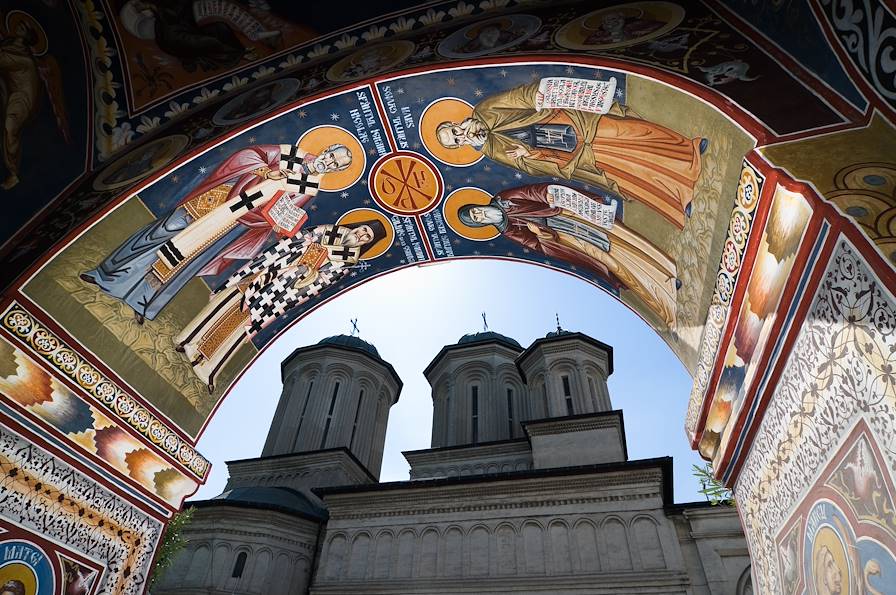
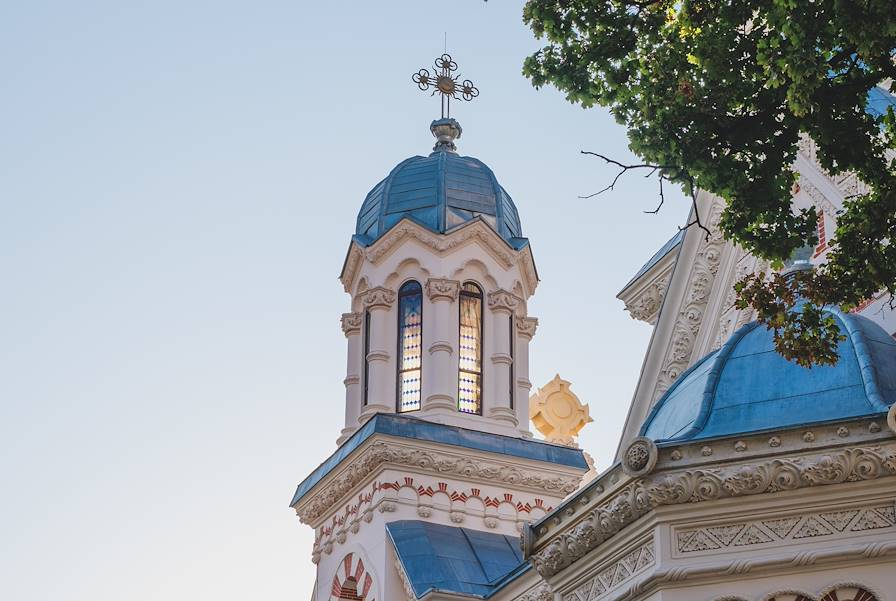
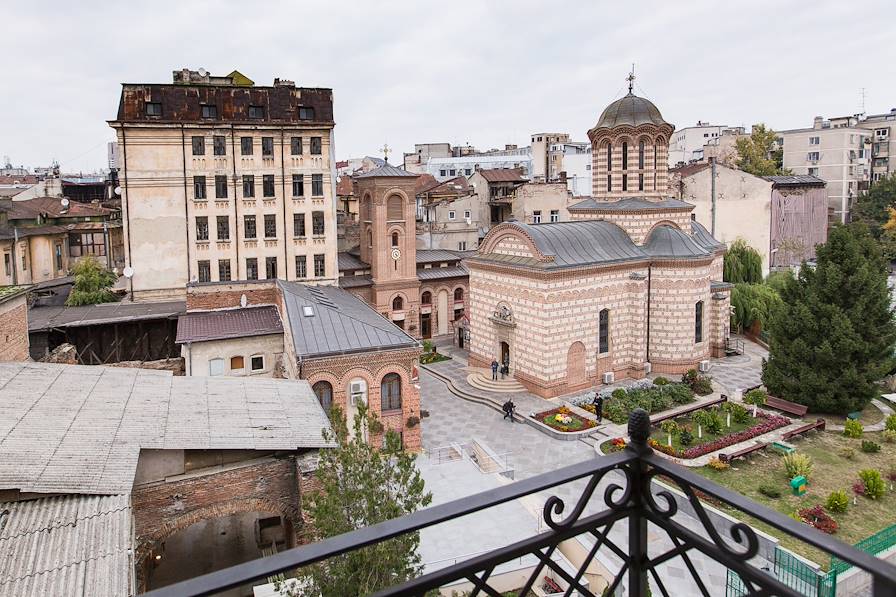
Already planned in your itinerary - Private tour of Bucharest. Accompanied by a guide, set out on foot to discover the main attractions of a city that proves to be much more appealing than expected. It is by no means limited to the austere buildings of the socialist era, nor even to the monumental Parliament Building. You can find charming spots in the Lipscani district. On Calea Victoriei, at the southwest corner of Revolution Square, stands Kretzulescu Church, which dates from the 18th century - as does the small church of Stavropoleos Monastery, a vibrant example of Brâncovenesc style. The Greek Catholic Saint Basil the Great Cathedral, built in 1909, owes its existence to people from Bucharest with Transylvanian roots. The collections of the National Art Museum brilliantly show the European roots of Romanian culture. The history museum offers fascinating confirmation of this. Along the way, you can snack on a pretzel or a doughnut, just as the locals do when they feel a bit hungry.
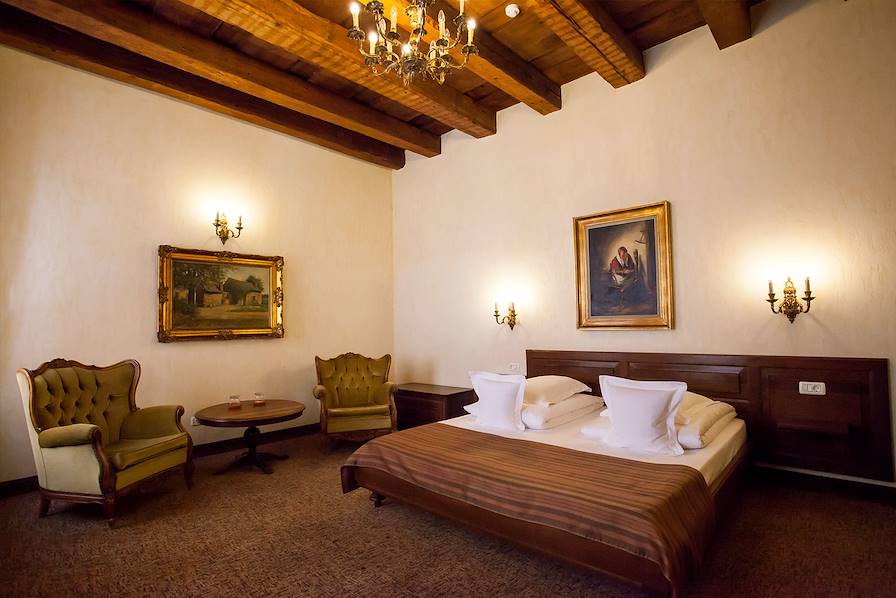
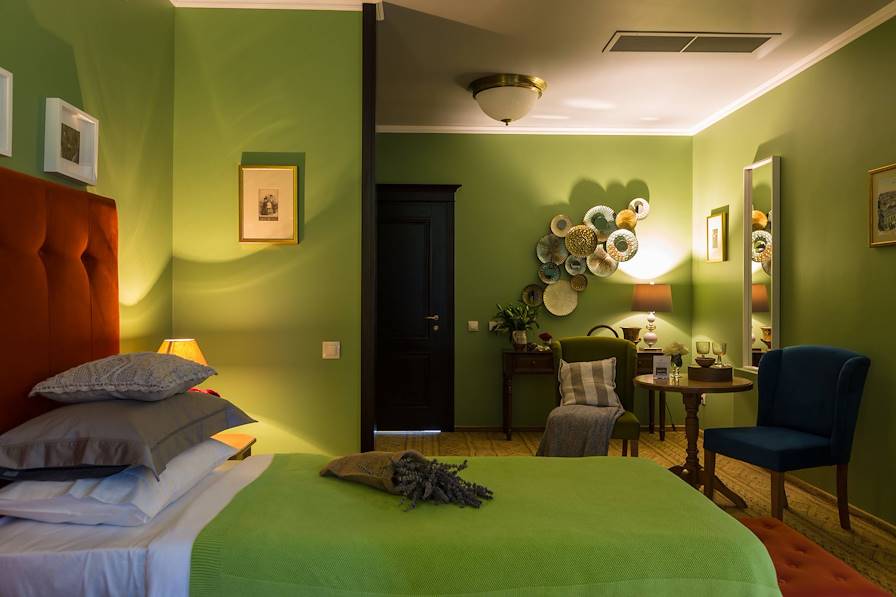
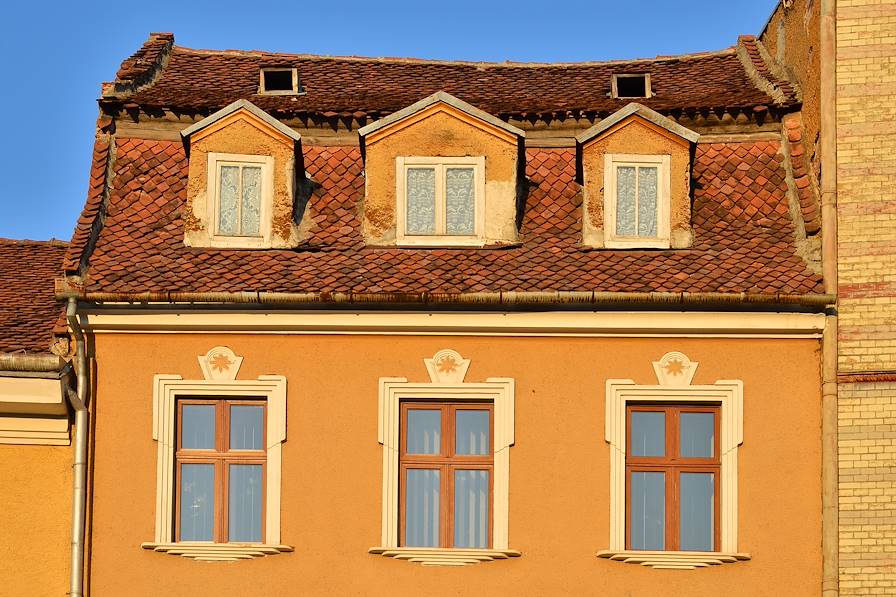
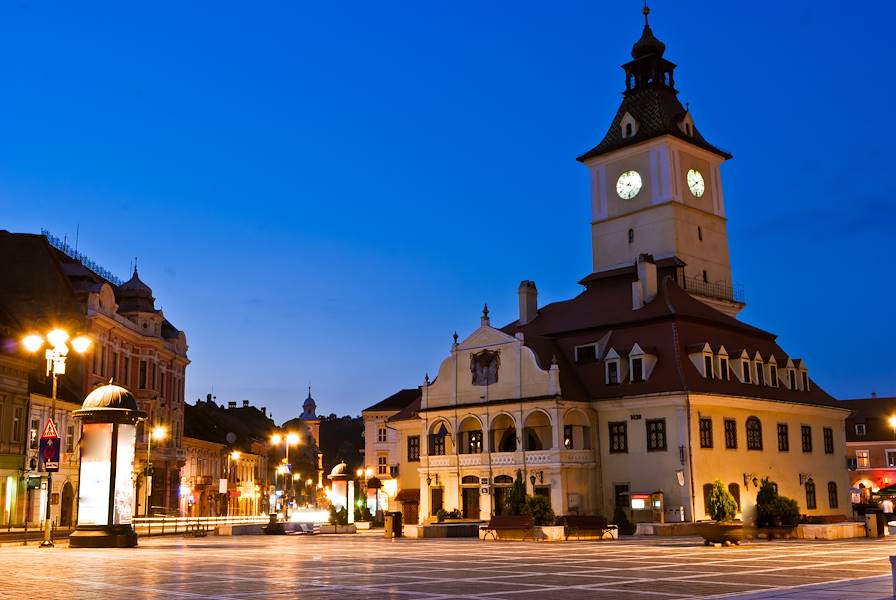
Pick up your rental car and set off for Transylvania. Stay for two nights in a neoclassical house in the old town of Bra?ov. The decor draws inspiration from the spirit of the late 19th century: dark wood, tufted leather and velvet. The rooms are well equipped, comfortable, and have a functional bathroom. Exposed ceiling beams and other structural elements give the place a warm, old-time charm. The bar and restaurant are located in the cellars: brick walls, vaulted ceilings, an atmosphere that is both raw and welcoming, which pairs perfectly with the Romanian and Hungarian cuisine from the chef.
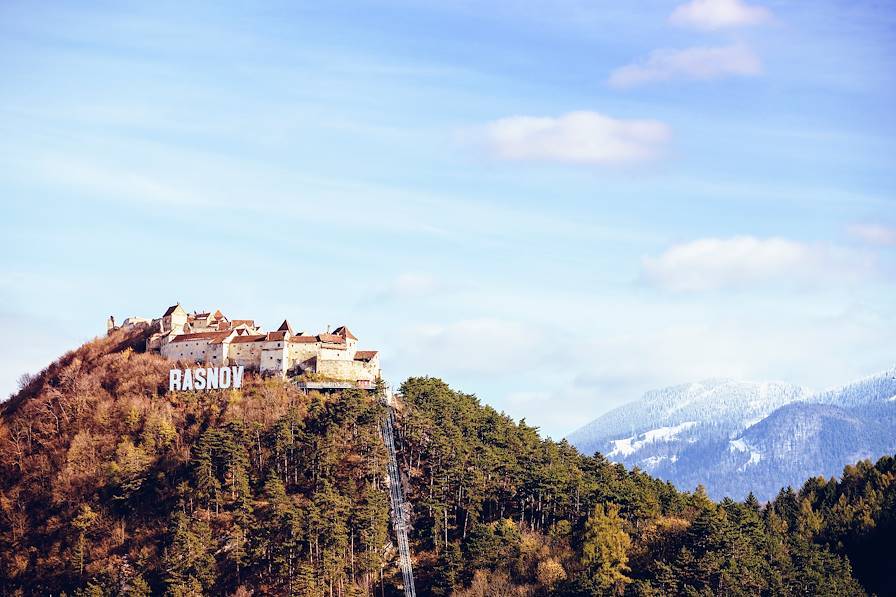
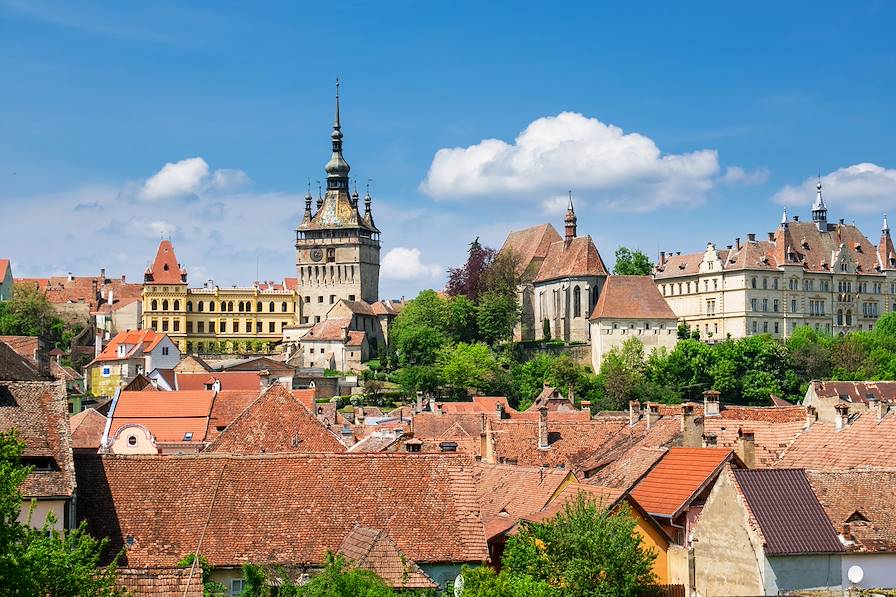
Already planned in your itinerary - Brasov, gateway to Transylvania. Brasov was founded in the 13th century at the initiative of Hermann von Salza, a grand master of the Teutonic Knights. Since then, it has consistently retained a Germanic character - still evident today in the 16th century Catherine Gate, which for a long time was the only entrance to the city permitted to the Wallachians or Romanians. Once a commercial hub, the area still retains the charm of the Austro-Hungarian Empire, which encouraged its industrial growth in the 19th century. It boasts a rich artistic heritage, from Gothic to Jugendstil. The Black Church (14th-15th centuries) still brings together a strong Lutheran community. Old streets and squares form a charming network. As for Bran Castle, it has an interesting history, but the Dracula myth linked to it often overshadows this. It’s easy to picture the famous vampire slipping out of there at night! Walk around with a private guide.
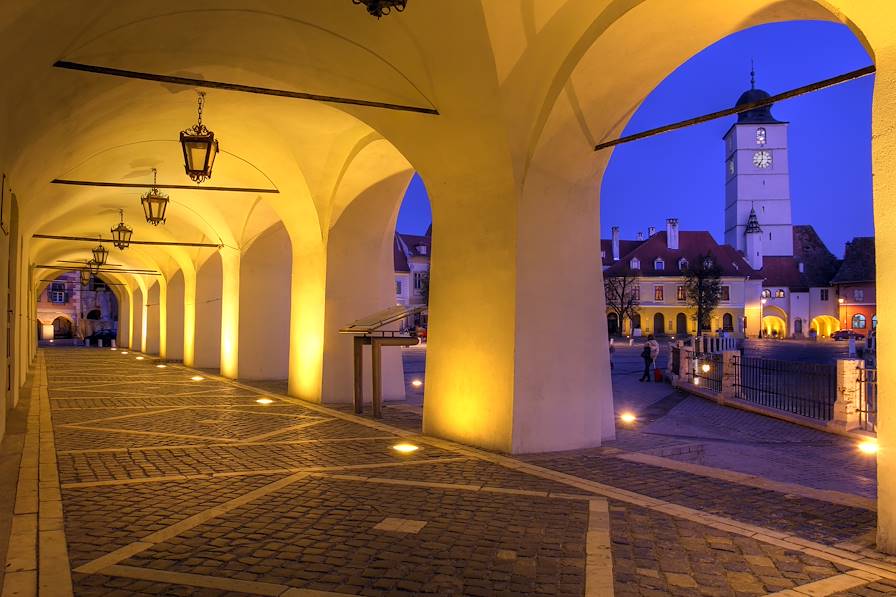
Drive to Sibiu. Spend two nights in the historic centre. While the origins of the house date back to the 13th century, its current appearance is more late baroque. It is charming with its double windows, wooden galleries, and the twisted pillars in the passageway - a picturesque old European style that reflects the city’s character. The rooms are simple, well-appointed and comfortable. The only aim is to ensure you can rest and recover in comfort. The essential part is outside. The legendary Bridge of Lies - the first cast iron bridge built in Romania - is very close by.
Optional extra: Sibiu, a Romanian city with German influences.
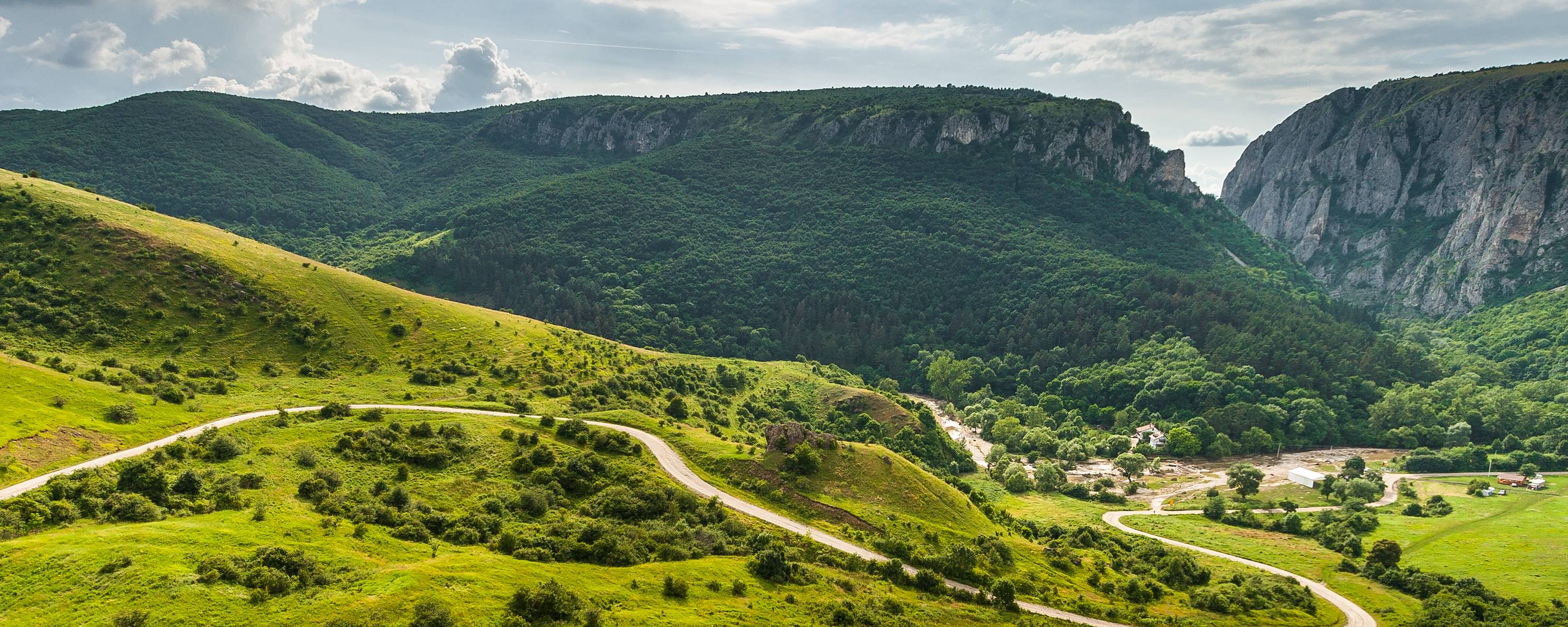
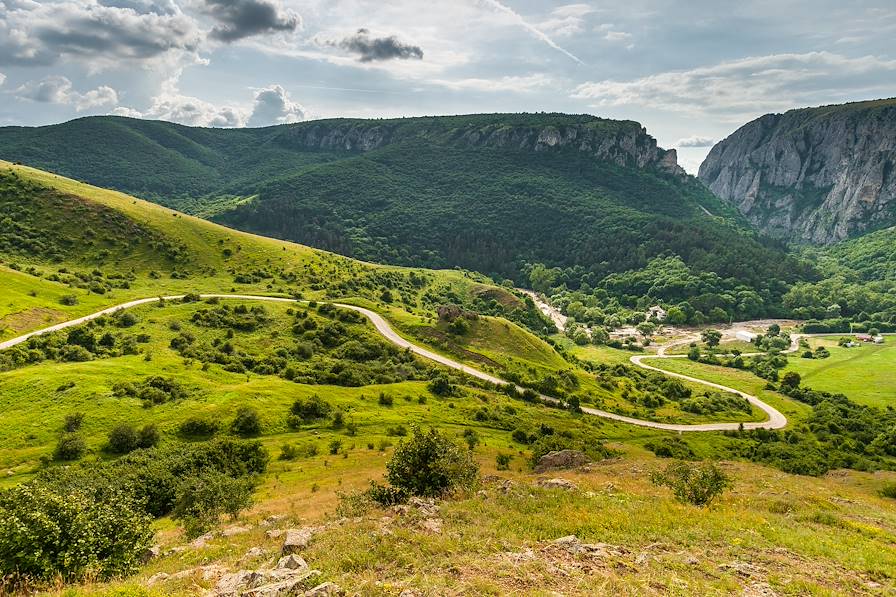
Things are always less simple than they seem; Nicolae Ceausescu had National Road 7C built to guard against a Russian invasion, following the Czechoslovak model. The man behind what is now Bucharest’s Parliament Building was also the creator of one of Europe’s most beautiful roads, crossing the Fagaras Mountains. Some one hundred kilometres (62 miles) of breathtaking scenery between Cartisoara and Curtea de Arges. The hairpin bends call for cautious driving. This benefits the passengers, who are treated to a real feast for the eyes. The Poenari Citadel still seems to watch over the borders of Wallachia and Transylvania; it too belongs to the legend of Vlad the Impaler / Dracula. In Curtea, there are several notable religious buildings, including the small Church of the Assumption of the Virgin Mary from the late 17th century, decorated with murals inside and out (though the interior ones are sadly quite damaged). The 7C can be added to the itinerary for Snagov. At least during the warmer months, as snow will cause the road to close.
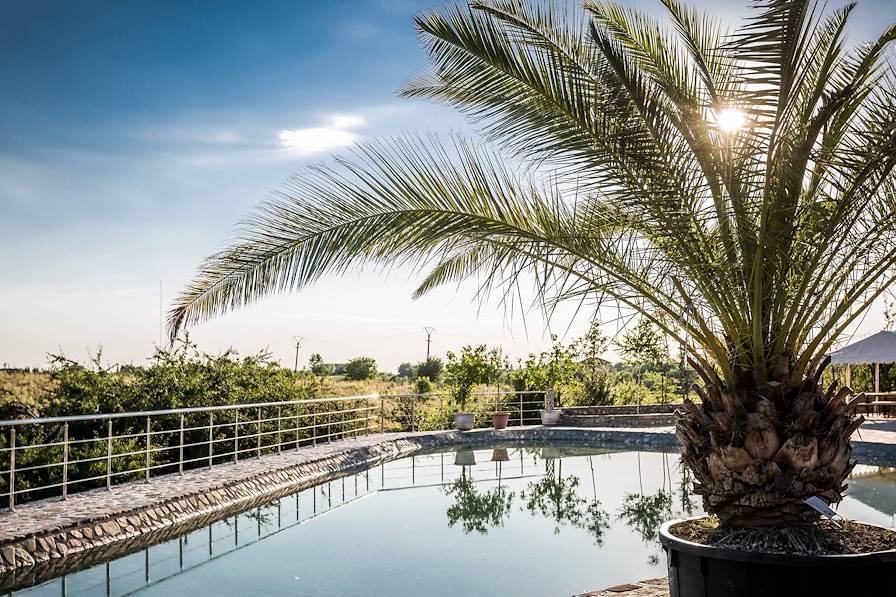
Drive to Snagov. Spend a night on the south shore of the lake. The garden looks out over the water. In the hotel, there are no shades, just real colours, which give the rooms structure… and a hint of glamour. The rooms offer modern comfort without any shortcomings. At the restaurant, the cuisine moves between the establishment’s healthy detox focus and the hearty generosity of tradition. It’s up to you to choose. Or you can create your own combination. The wellness area includes two outdoor swimming pools and a spa, with a steam room, sauna and hot tub. Qualified practitioners provide treatments and massages. Yoga sessions naturally fit into the holistic approach.
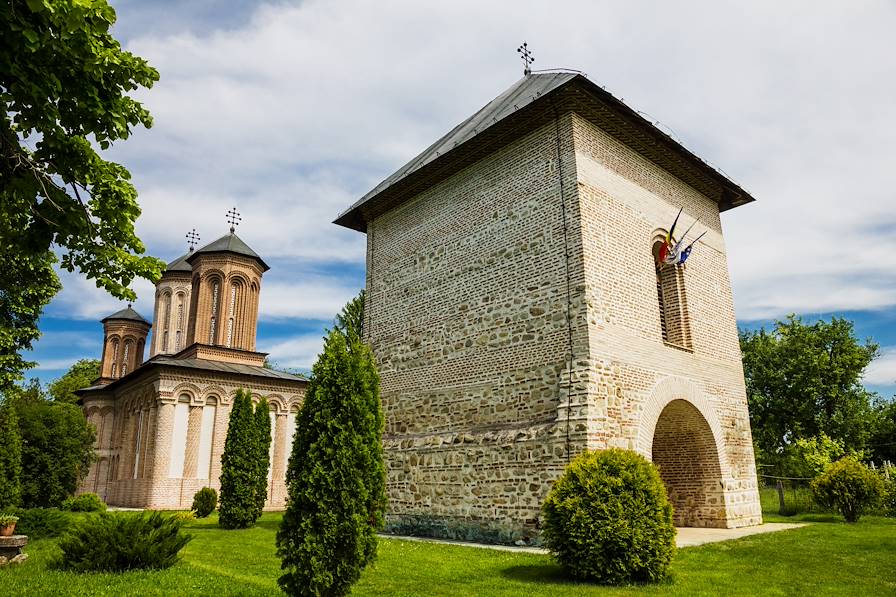
And a final mention of Dracula: Vlad the Impaler is said to be buried at Snagov Monastery, founded at the beginning of the 15th century. This is strictly conjectural.
Drive to Bucharest airport and return the car. Return flight.
À la carte
This suggested itinerary can be customisable down to the smallest detail, including duration, stops and content. An à la carte menu of experiences is also available to create a journey that reflects who you are.
Sibiu, a Romanian city with German influences
Formerly known as Hermannstadt, Sibiu was founded by German settlers in the 12th century and has passed through history largely unscathed. The city offers a remarkable blend of Gothic, Renaissance and Baroque architecture, whose harmonious balance makes it one of Europe’s most appealing towns and a strong candidate for World Heritage status. Traces of its four defensive walls, dating from the 12th to the 15th centuries, can still be seen. Renaissance military architecture is represented by the Haller Bastion, while the Mercenaries’ Bastion dates back to the 17th century. In the lower town, the Goldsmiths’ Passage, lined with evocative 16th-century houses, is particularly striking. In the upper town, you are spoilt for choice. There's the Grand Square, of course, whose architectural heritage ranges from the Gothic White Tower to the neo-Rococo Town Hall; the Small Square, dominated by the famous Bridge of Lies; and the Evangelical Cathedral (14th-16th centuries), home to a splendid a secco Crucifixion by Johannes von Rosenau (1445), which lends quiet nobility to Albrecht Huet Square. Private tour with dedicated guide.Optional - Half-day.
Why visit Romania with Voyageurs du monde?
Every day, our travel specialists craft bespoke experiences shaped around each traveller's profile, desires and budget. These passionate experts design experiences delivered on the ground by a local network of Concierges and trusted contacts. These fully customisable, made-to-measure trips are complemented by a wide range of high-end services (lounges, 24/7 assistance, travel booklet, app, Wi-Fi, restaurant booking, etc.)
Let us create your tripA few of the advantages of travelling with us to Romania
- Globally unique concierge service
- CO2 absorption