100% customisable travel idea
Award-winning restaurants and accommodation that's full of character From castles to manor houses, Irish elegance at its finest
Ireland - Kerry - Burren - Connemara - Dublin
Chic gentry
Your trip
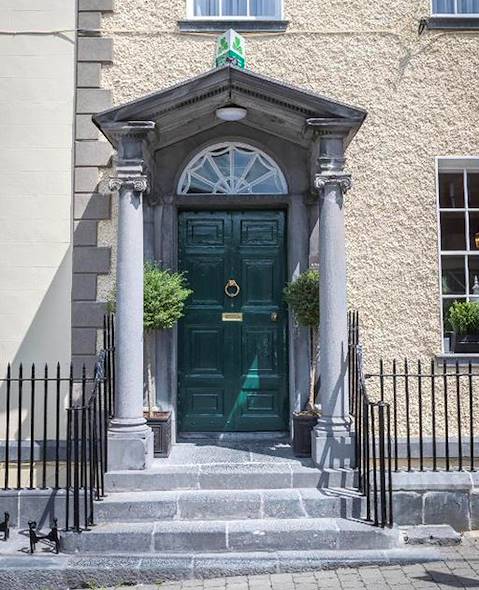
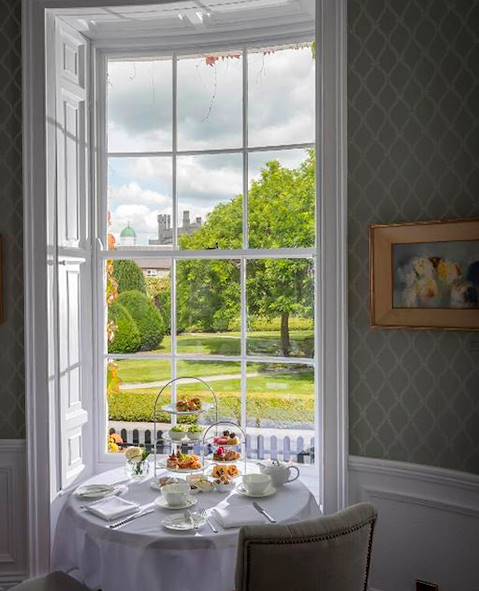
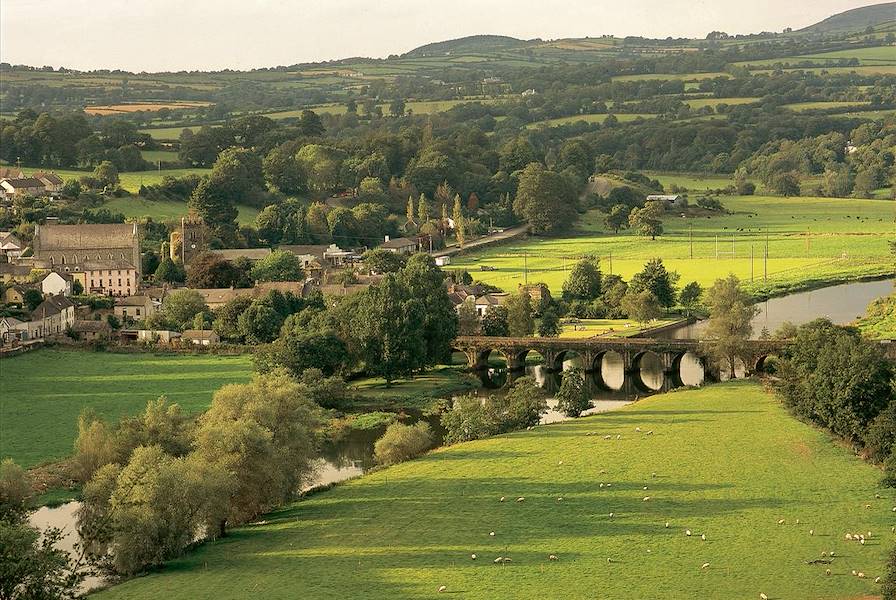
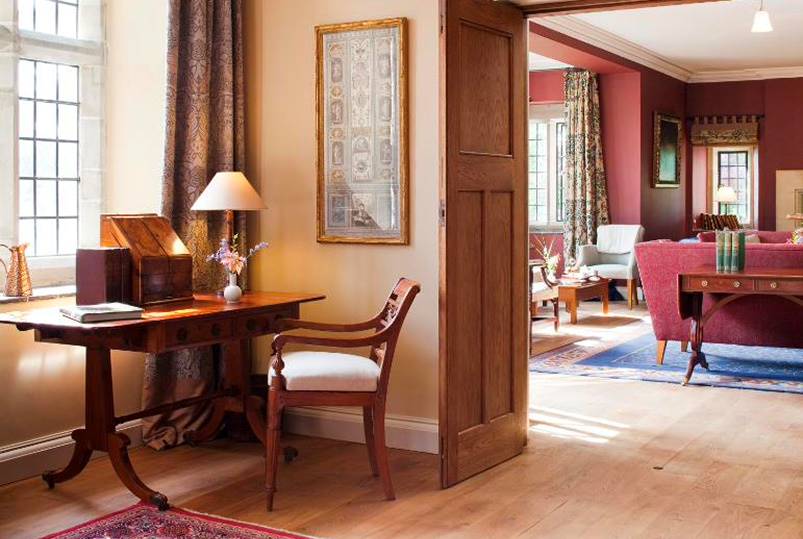
Castles and manor houses are among the great charms of this trip to Ireland. Everywhere: blooming gardens, with a view,rooms you’ll be reluctant to leave, a traditional atmosphere with a contemporary touch, Irish breakfast prepared to perfection, and attentive, friendly service. The walls date from the 18th, 19th and early 20th centuries. Smart,all in all. Countryside and city alternate at the right pace. To reach your destination and get around the area once you arrive, you have a rental car at your disposal. While driving on the left requires a bit of extra attention at first, you soon feel at ease without even realising it. From then on, nothing but freedom! On your itinerary, we have included several activities, some cultural, some culinary: a dinner at a restaurant in Kilkenny and another at an award-winning table in Ballyvaughan, an excursion to the curious island of Inishmore, a guided tour of Galway with a local, and tickets for the Trinity College library in Dublin. A beautiful blend of experiences, sharing and enjoyment. And if you wish to visit other castles or explore other islands, simply let us know. Finally, along the way, an unexpected request or a minor setback may arise; you have the contact details of our on-site Concierge service to assist you.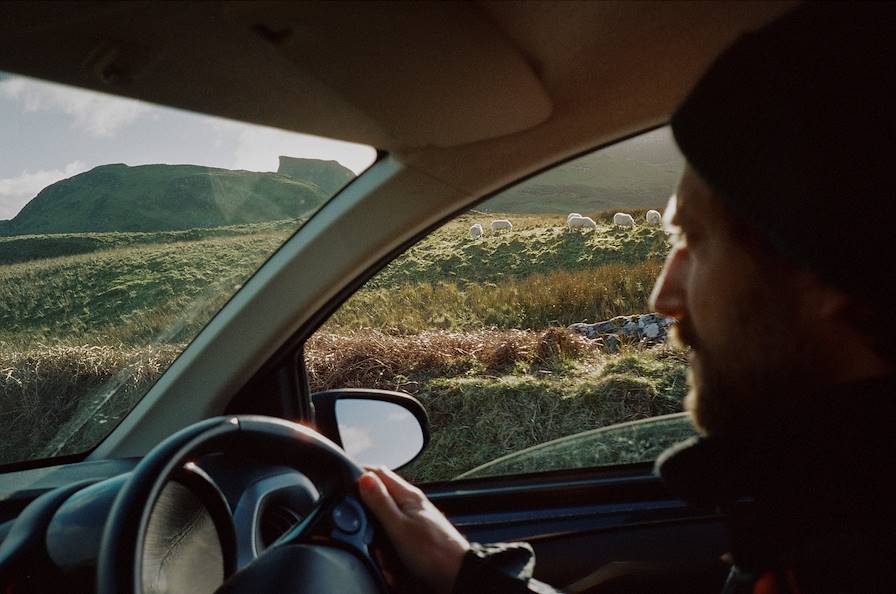
Itinerary
100% customisable for you
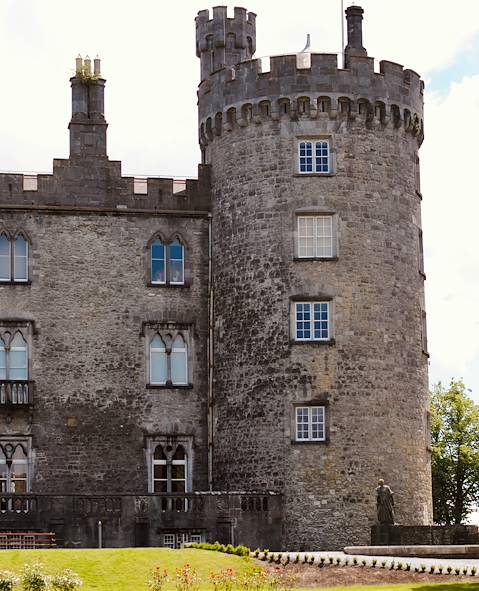
On arrival at the airport, collect your rental car and drive to Kilkenny. Stay for one night in the heart of the city, just a stone’s throw from the castle, in what was once the dower house. Enchantingly green gardens and a flawless 18th-century manor draped in Virginia creeper will set the bar high for your trip. The interior decor is an extension of the architecture, combining contemporary furniture and Art Deco touches with the home’s original features. All of this creates a sense of harmony that is invigorated by strong colours such as teal, white, golden yellow and olive green. In the bedrooms you will find everything you need for a comfortable, cosy stay. The large bow windows open out onto the garden and the castle, enhancing the sense of space and light.
Kilkenny was founded in the 6th century around the monastery of Saint Canice, from which it takes its name. The rich architectural heritage, especially from the medieval period, blends with the surrounding countryside to create multiple opportunities for walking or cycling.
To see and do - Sample one of the city’s famous beers; admire the largest rosary window in Ireland in the south transept of the Black Abbey; join in with one of the many festivals
. Optional - Entry tickets for Kilkenny Castle.
. Already included - Three-course dinner at the Michelin Star Campagne restaurant.
Drive to Cork, stopping en route to visit the Rock of Cashel, perched on its rocky outcrop overlooking the village of the same name. A tip for fans of medieval architecture and Celtic art, or if you’re just curious about them: the mystery surrounding this collection of royal and religious relics - some remarkably well preserved, others in ruins - remains intact, and there are still legends being recounted about this important site. Its origins are thought to date back to the 4th century. It was here that Saint Patrick is said to have used a shamrock to explain the Holy Trinity, making the shamrock a symbol of Ireland.
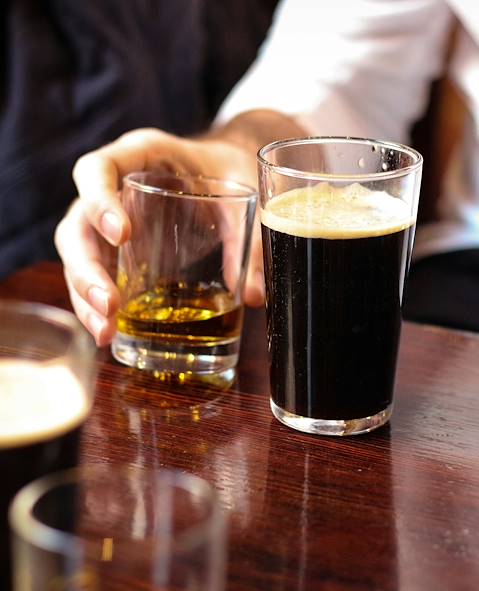
As soon as you arrive in Cork, you can check in for a one-night stay just outside the city centre. You will fall in love with the hotel at first sight when you see its smart exterior set among flower-filled gardens, hidden behind a high wall. The very picturesque red-brick building is neo-Georgian in style. Its facades are covered in vines, the century-old tree stands guard beside the front steps, and a doorman in uniform awaits you. As you enter you will see a grand staircase leading to the upper floors. Hotel staff will always greet you with a smile as they go about their work. On the ground floor, the lounges reflect the opulence of the aristocratic lifestyle of days gone by; upstairs, the elegant bedrooms are an homage to the comfort of a bygone era. Cosy nooks are set up for you to savour the present moment in this timeless setting. You may wander through colourful, meticulously designed gardens, embrace the sacred tradition of afternoon tea in a bright and airy lounge, or curl up with a book in a comfortable Chesterfield armchair in the library, or enjoy a whisky by the fireplace and listen to a tale from days gone by, told by the butler of the manor house.
In the city centre, be sure to stroll along St Patrick’s Street, one of the most attractive shopping streets in the country. Another must-try: the famous crubeens, which are breaded pig’s feet! Optional - A tour of Cork and the surrounding area at sunset, by private boat.
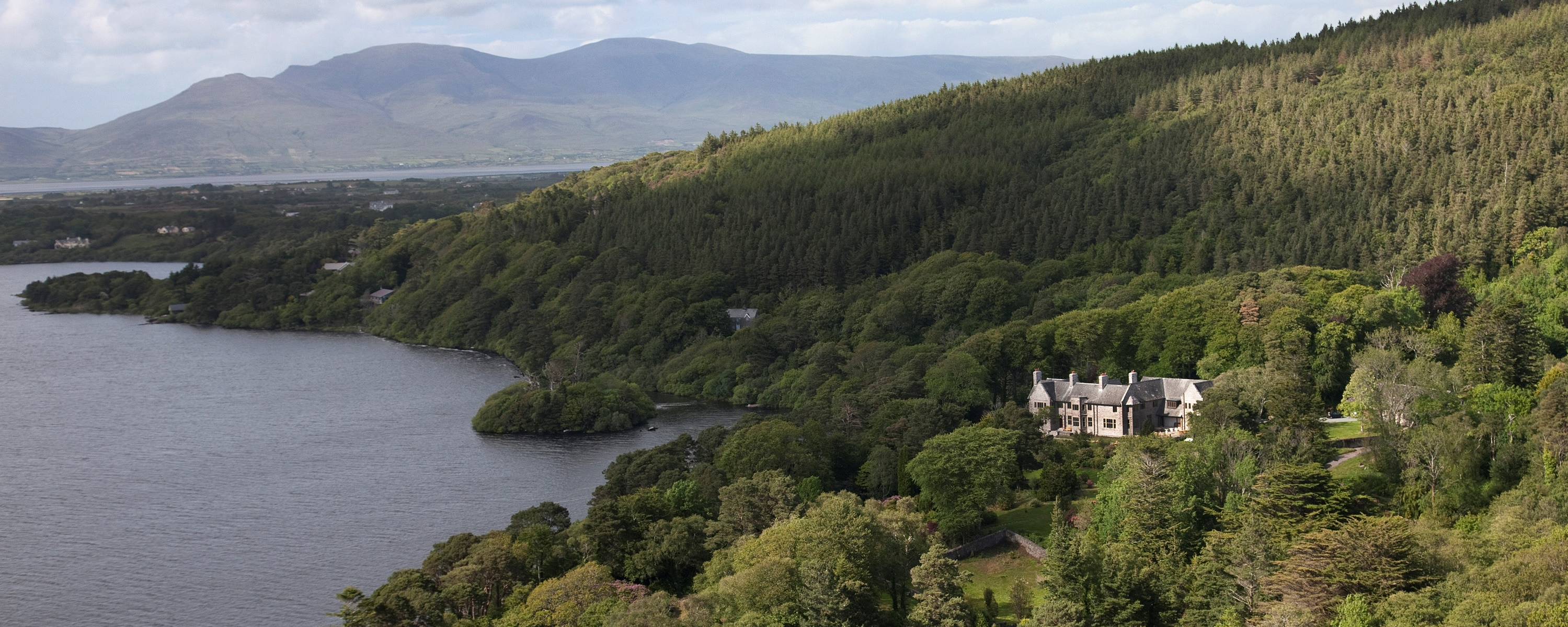
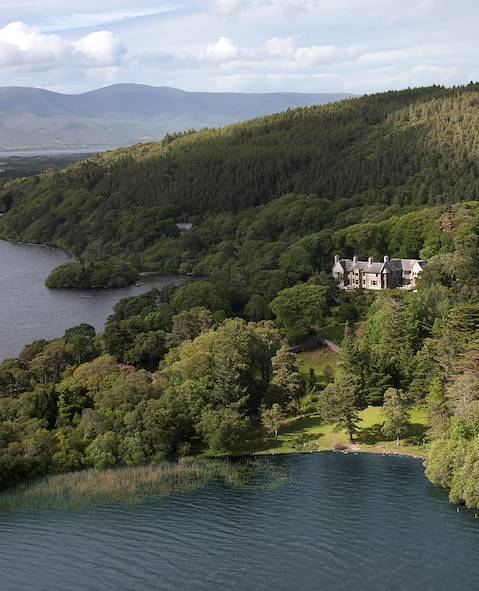
Drive to Killorglin, in County Kerry. Stay for two nights on the shores of Lough Caragh, near Killarney’s three interconnected lakes. Lady Gordon, who had the manor built in 1913, expressed her satisfaction that it never looked new. It is an example of the Baudelairean concept of elegance. The grounds, which extend over more than 25 acres (10 hectares) almost render it unnecessary to explore the rest of the region, as there is so much to inspire you. In your room, you will find it easy to embrace the aristocratic approach to life, as the essential elements of simplicity and nature are very inviting. This is also the case in the communal areas. Afternoon tea or Kerry lamb is served simply on beautiful porcelain. You can find wellbeing by relaxing in an armchair tucked into an oriel window, or on one of the terrace’s loungers, or by taking a stroll along the pathways. Want to do some exercise? Go for a paddle on the lake. The rowing boats are ready and waiting.
The Ring of Kerry, the beautiful circuit of the Iveragh Peninsula, practically passes by your doorstep. Next: Cahersiveen, Waterville, Sneem (where famous photos of General de Gaulle were taken during his trip following the failed regionalisation referendum in 1969), Kenmare (connection to the Ring of Beara), and Killarney. 106 miles (170km) of pure, authentic Ireland. Hiking here can be done on a large or small scale. In Killarney National Park, don’t miss the gardens of Muckross House: rhododendrons, azaleas, and black Kerry cattle; the panoramic vista over the lakes from Ladies View viewpoint; or Ross Castle and Muckross Abbey, which both date back to the 15th century and fell at the hands of Cromwell’s Roundheads in the 17th century. If you keep a close watch along the riverbanks, you can spot the grey heron, the mallard, the water rail, and sometimes even, in a flash of blue, the common kingfisher. Between Killorglin and Killarney, there is a beautiful stretch of the MacGillycuddy Reeks, which are the highest mountains in Ireland. Once again, there are plenty of opportunities for hiking and enjoying the fresh air.
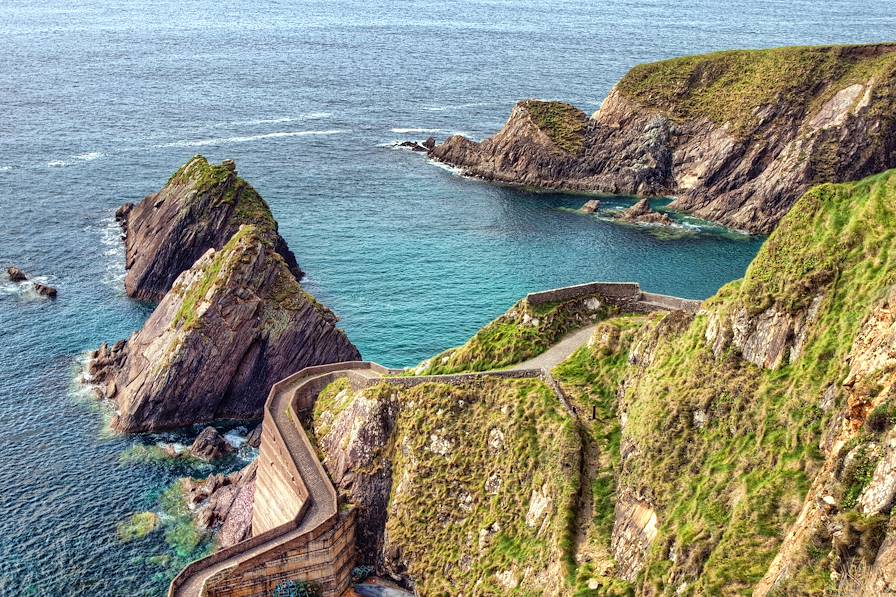
Drive to Ballyvaughan, in County Clare. Along the way, take time to explore the Dingle Peninsula, which is a true slice of wild Ireland, with its vast untamed bays, barren mountains, rocky hills, dramatic skies and cliffs plunging into the ocean.
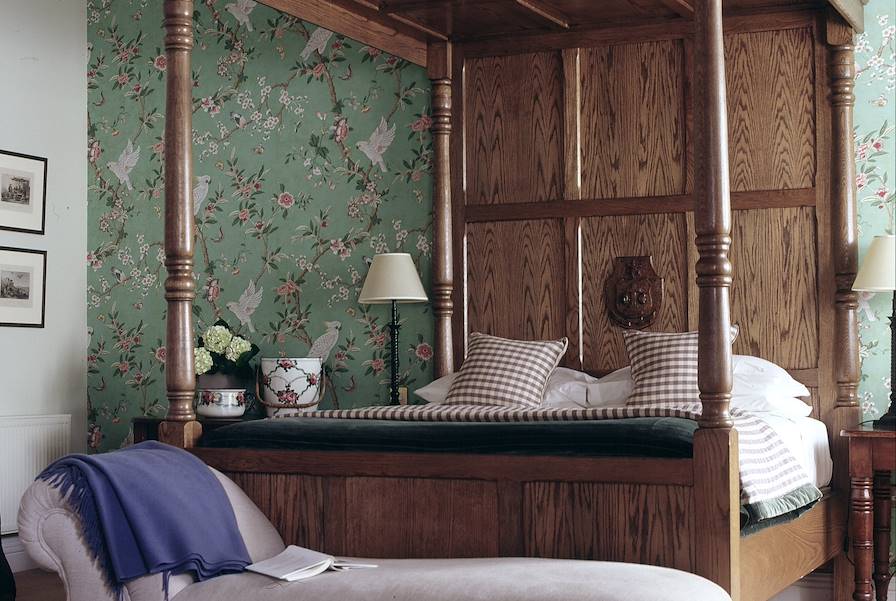
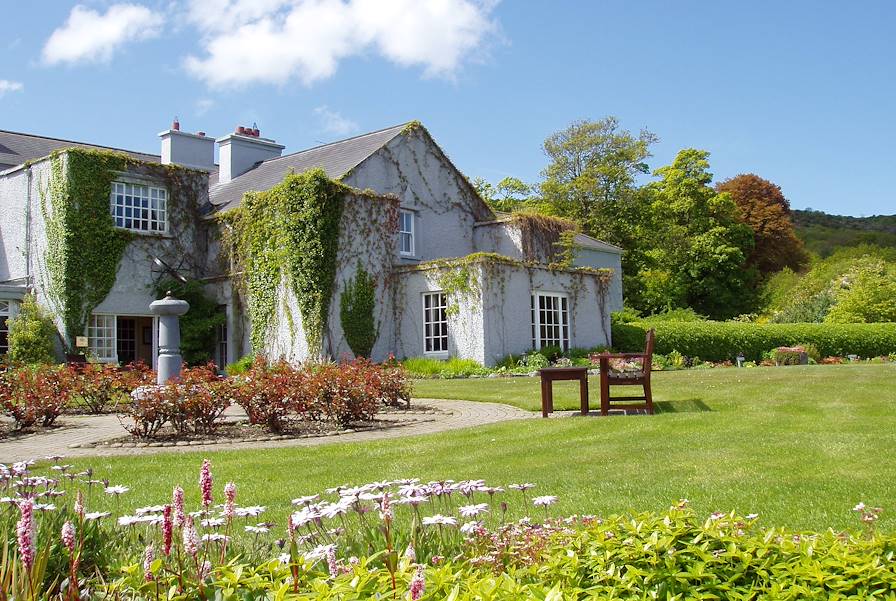
When you reach your destination you will check in for a two-night stay in a beautiful 16th-century building with sumptuous landscaped gardens. Beds of colourful flowers frame the perfectly maintained lawns, while sweeping views open out onto a rolling landscape stretching all the way to Galway Bay. Nature evolves throughout the day with the changing light. Skilfully run by the same family for three decades, this accommodation has received numerous awards. The bedrooms and suites exude great elegance, with refined colour palettes, such as mauve or sea green, immaculate floral curtains, vintage furniture, and exquisitely detailed decor. There are no televisions in the rooms, but rather an invitation to savour the rustic atmosphere of rural Ireland, and a life shaped by the seasons along with the beauty of the gardens. The welcome here is truly delightful: the owner runs this guesthouse to perfection in a relaxed atmosphere. It is true that it is hard to leave this haven - but the almost lunar landscape shaped by the Burren karst plateau is calling you onwards.
Scheduled: An escape to Inishmore Island. If the Aran Islands, the guardians of the bay, were sisters, Inis Mór (in Gaelic) would be the eldest. At 7 miles (12km) long and 2 miles (3km) wide, it is the largest islet in the area, and also the most populated. The ferry from Doolin drops you off for the day on this land swept by sea spray. “A dreary rock appeared at first sloping up from the sea into the fog”, wrote the Irish poet John Synge, somewhat harshly. The site does indeed have a unique character: which is only natural, since geologically it is an extension of the almost lunar Burren plateau. Human activity has somewhat changed its appearance, by piling up the scattered rocks to build stone walls. These now crisscross the area, forming an integral part of the landscape (and the fantasy). The island is also a top cultural destination: ancient Celtic sites, well-preserved prehistoric forts and remnants of monasteries co-exist on the island. One might wonder if a single day is enough to explore this wind-swept land.
Already planned: An eight-course dinner at the hotel’s multi-award-winning restaurant.
The time has come to head to Connemara, the land of legends and folklore. To get there, head towards Rosmuc, the “peninsula of hills”, following the Galway Bay coastline.
Planned along the way: Galway guided by a local.. Unsurprisingly, the meeting point is outside a pub (and there is a good chance it will end at the same place, only this time seated at a table). You will be joined by a French woman who has become a Galway girl. She will take you on a guided walk through the medieval streets of Ireland’s festival capital. From hidden gems to highlights, always with a twist or an anecdote, your guide for the day will improvise the route based on her latest discoveries, what is going on locally and, of course, your wishes. In the distance you will hear a few notes from a fiddle, a harp or even a bodhrán setting the rhythm for your walk.
Continue on to Rosmuc and check in for two nights in a 19th-century Victorian house built on the shores of Camus Bay. You can catch a glimpse of it from most of the bedrooms, which are also cosy and richly decorated. Adjacent to the accommodation, there is an extensive relaxation area: heated saltwater pool, sauna, steam room, seaweed bath and outdoor hot tub. Alternatively, why not take a dip in the Atlantic from the jetty, which is just a few feet away, before quickly heading back to the dry heat of the sauna? In the evening, set out on a culinary journey in the hotel’s intimate restaurant. It prides itself on crafting modern Irish cuisine using local ingredients.
Rosmuc, nestled between the sea and the mountains, is the archetype of a village inhabited by indomitable Celts. The guttural tones of the local language resonate in the streets, in the pub, and in the harbour. This is no surprise, as this village of 500 people is located in a Gaeltacht, one of the regions where the local language is spoken by a large proportion of the inhabitants. Here, you will get a taste of the proud, noble and indomitable Ireland. It was the heartland of nationalist hero Patrick Pearse. It was here, in 1915, that he wrote the famous speech ending with: “Ireland unfree shall never be at peace”, which was prophetic.
Optional:- Guided evening tour of Kylemore Abbey and Gardens.
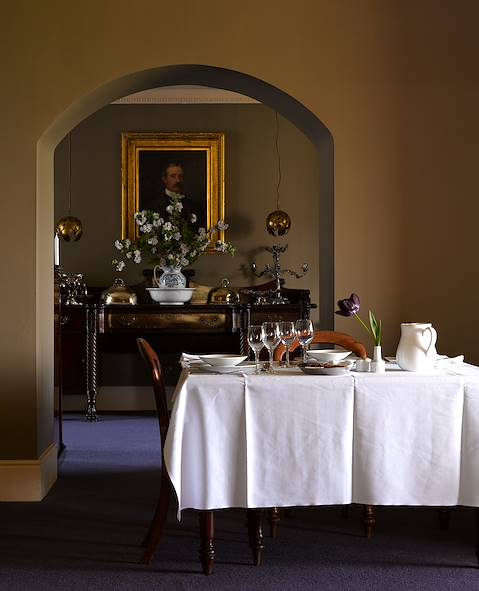
On the way to Dublin, you can stop off at Clonmacnoise, the richest monastic site in the country, dating from the 11th century. Its remains have retained a certain spirituality over the years and make for a welcome cultural stop. When you arrive in Dublin, return your rental car and spend the night just behind the National Gallery, at exclusive accommodation where you while find understated luxury in the carefully decorated, restored Georgian houses set around two private gardens. The hotel has preserved the historical heritage of this 18th-century building while creating spacious, bright bedrooms. In addition to its high-quality Irish bar-restaurant, it also houses one of Dublin’s most renowned French dining establishments.
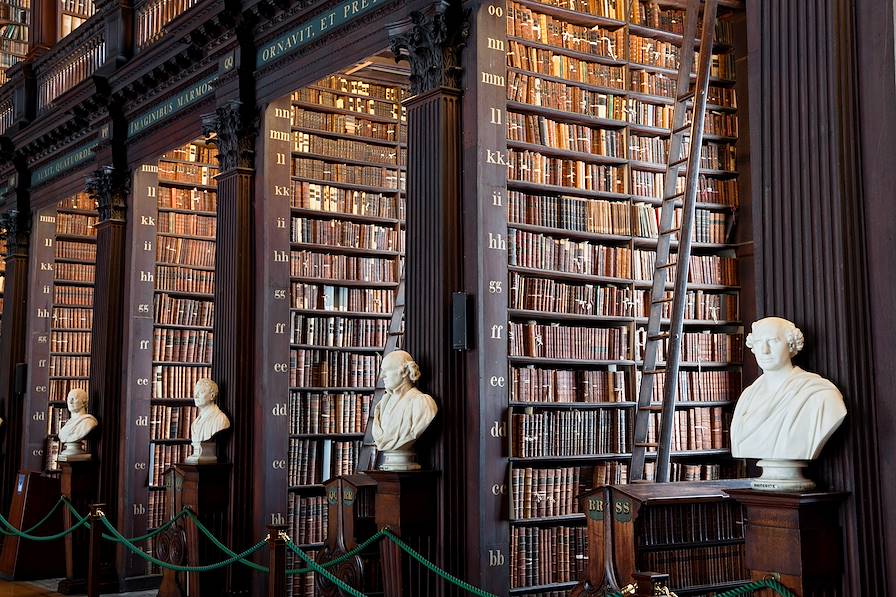
Already arranged: Tickets for the Trinity College Library, founded in 1592 by Queen Elizabeth I and modelled on Oxford and Cambridge universities. Oscar Wilde, Bram Stoker, Edmund Burke and Samuel Beckett studied there. The library is the centrepiece of this university, in particular the Long Room, which was built between 1712 and 1732 and stretches for 213 feet (65m) beneath a magnificent vaulted ceiling clad in oak. The shelves and railings are carved from the same fine material. The books are tightly packed together on the shelves over two floors. The overall impression is striking. However, if you keep looking up, you might miss, along the walkway, the harp of King Brian Boru (14th-15th centuries) that inspired the local currency, or the Proclamation of the Irish Republic, which Patrick Pearse (him again) read in 1916. The highlight of the exhibition is an illuminated book of the Gospels written in calligraphy from the 9th century, the Book of Kells. The audioguide enables you to enjoy the site even more, without missing a thing.
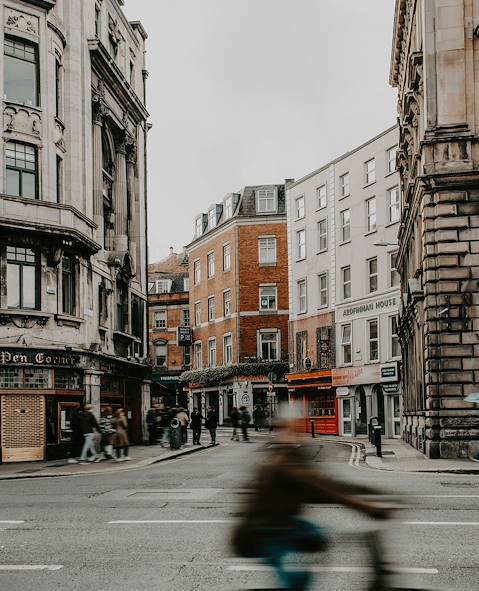
Not to be missed: - Go on a pub crawl; visit the new Dublin Docklands; stroll along the banks of the Liffey; browse St Stephen’s Green Shopping Centre; watch a hurling match at Croke Park; and at the National Gallery, admire Caravaggio’s The Taking of Christ (1602), Rembrandt’s Portrait of a Woman with Gloves (1642), Vermeer’s Woman Writing a Letter with Her Maid (1670), or Connemara Girl by Augustus Nicholas (1865). Finally, the Guinness Storehouse at St James's Gate Brewery is also a national attraction.
Optional: Private guided tour of St Patrick's Cathedral.
Private transfer to the airport and direct return flight.
À la carte
This suggested itinerary can be customisable down to the smallest detail, including duration, stops and content. An à la carte menu of experiences is also available to create a journey that reflects who you are.
Tickets for Kilkenny Castle
Built on a rocky outcrop for the Norman Count of Pembroke, the castle has overlooked the town and the River Nore for more than 800 years. It has retained many of its original features, including its rectangular U-shape and its three medieval round towers. The main gallery impresses with its length, ceiling height, and rich collection of paintings and tapestries. The park, which covers more than 20 hectares (49 acres), is also well worth a visit.Private sunset cruise near Cork
As the sun turns red and sparkles on the sea, you board the Cailín Óir on the River Lee for a private cruise to discover the most iconic peninsulas and archipelagos off the coast of Cork. You can then catch sight of the rocky face of Rocky Island, the historic village of Cobh with its colourful houses, and the screw-pile lighthouse of Spit Bank. The guide teaches us a little more about the surprising history of Spike Island, which was in turn both a prison and a monastery.The castle, the abbey and the gardens of Kylemore in the evening
This impressive neo-Gothic castle, built in 1868 on the shores of Lake Pollacapall, looks as if it has come straight out of a fairy tale or a child’s drawing. Its jagged silhouette in Dalkey granite - towers, gables and crenellated walls - blend harmoniously into the mountainous, wooded landscape of Connemara. At dusk, once the crowds have left, it takes on an even more unique atmosphere and you can truly feel the weight of history. Since 1920, it has served as an abbey, hosting a community of Benedictine sisters, and as a renowned Catholic college. At the craft centre, you’ll find a whole range of Kylemore pottery, handmade and hand-decorated. The guided tour continues by the adjoining church, a true miniature treasure of neo-Gothic architecture, believed to have been built by a husband in tribute to his late wife. The proportions are extremely elegant, with fine, feminine details - columns combining various types of marble, and stained glass depicting female figures. In the coolness of the evening and under the glow of the moon, the Victorian gardens, adorned with greenhouses and kitchen gardens, release their fragrances.Saint Patrick’s Cathedral in Dublin
In the southern districts of old Dublin, the cathedral built in honour of Ireland’s patron saint shines with its stained glass windows, its central nave, and overall Gothic style. It is the largest in the country. In its current form, it dates from the 12th century, but according to several theories, it was built on an ancient place of worship dating back to the 5th century. This exclusive tour with a private guide leads you through passageways and hidden doors usually closed to the public. It ends with the climb up to the bell tower, from which you can take in the whole capital at a glance.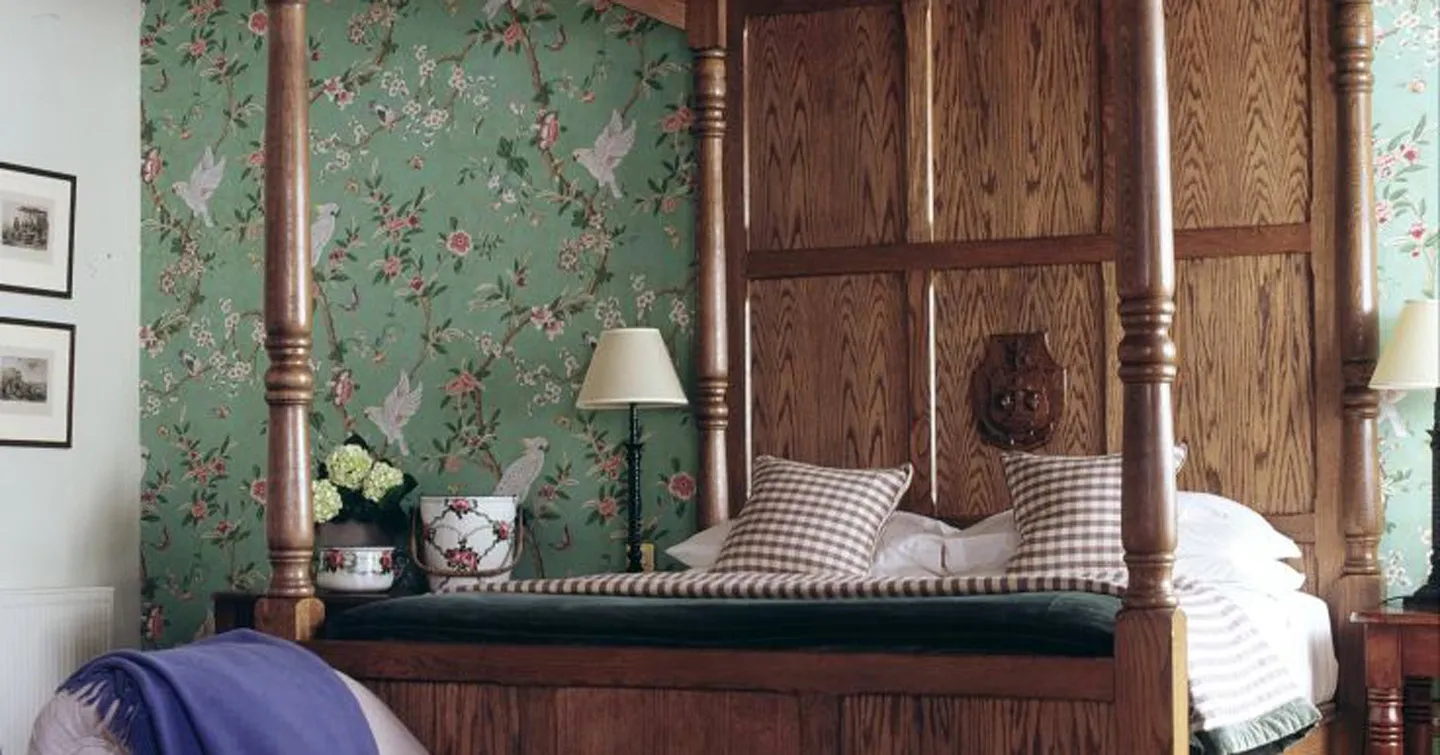
Why visit Ireland with Voyageurs du monde?
Every day, our travel specialists craft bespoke experiences shaped around each traveller's profile, desires and budget. These passionate experts design experiences delivered on the ground by a local network of Concierges and trusted contacts. These fully customisable, made-to-measure trips are complemented by a wide range of high-end services (lounges, 24/7 assistance, travel booklet, app, Wi-Fi, restaurant booking, etc.)
Let us create your tripA few of the advantages of travelling with us to Ireland
- Globally unique concierge service
- Adjust your trip while travelling
- 24-hour assistance
- Like a local
- CO2 absorption