100% customisable travel idea
Legendary parks, cosy cottages and a family road trip Enjoy summer in the United Kingdom!
Great Britain - Wales - England - Scotland
100% customisable travel idea
Great Britain - Wales - England - Scotland


100% customisable for you
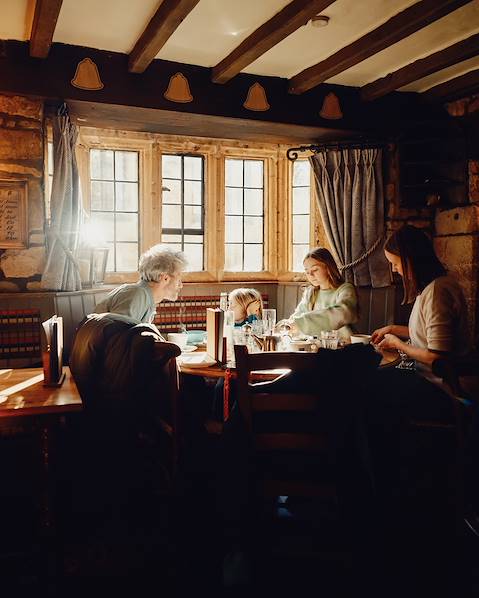
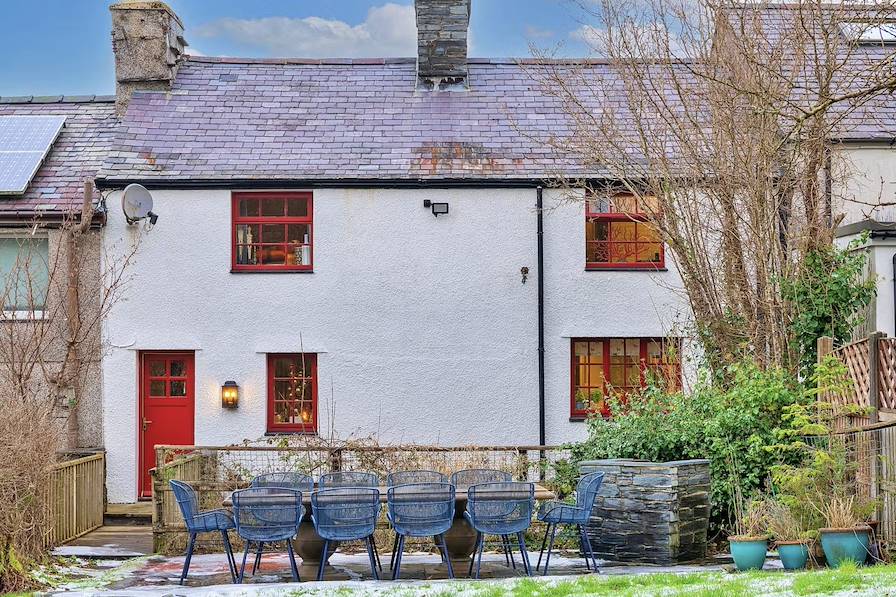
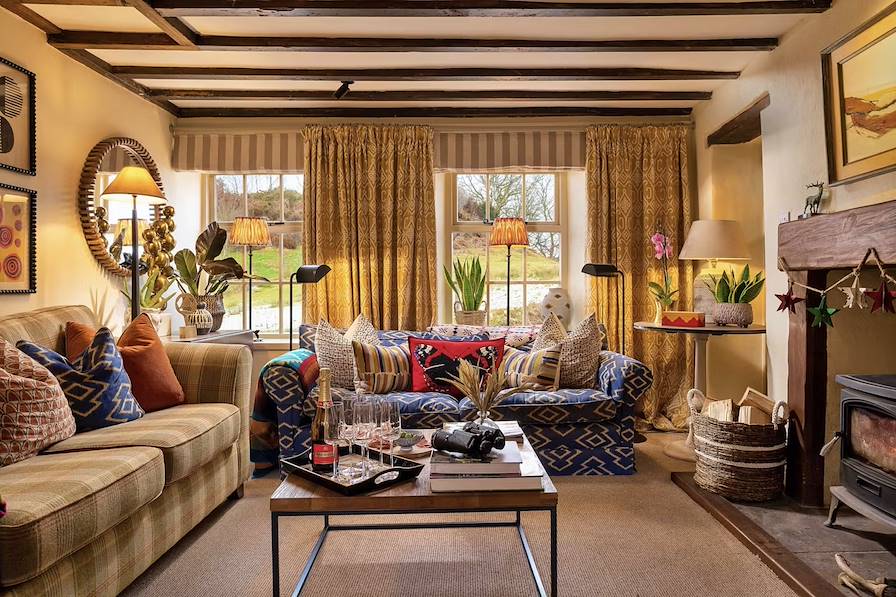
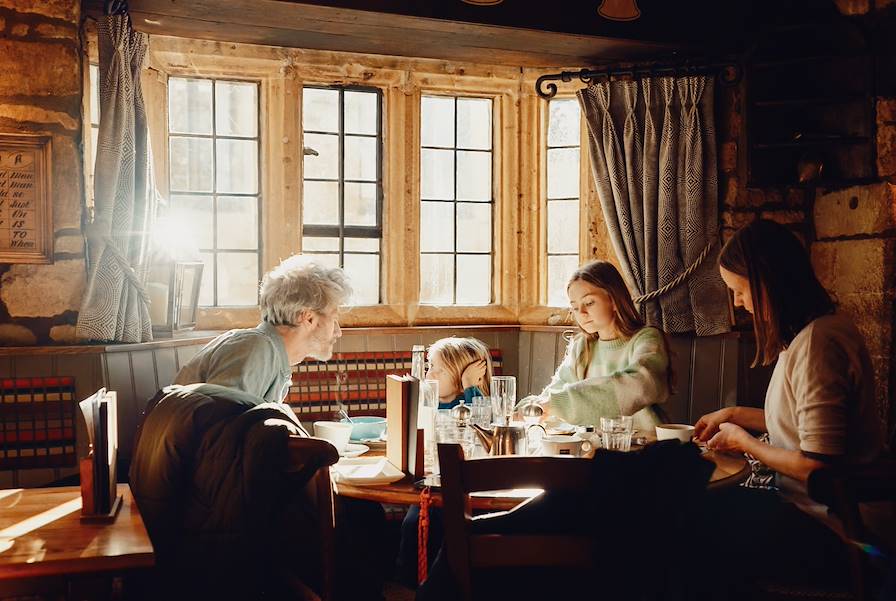
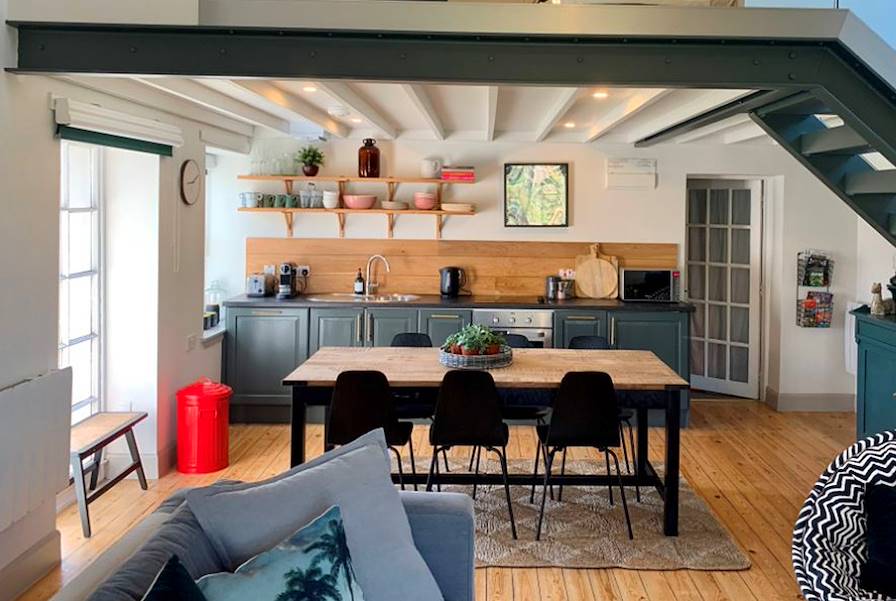
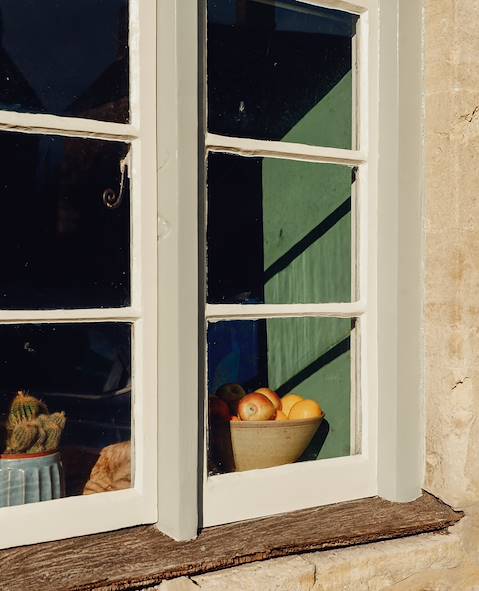
Flight to Manchester. Upon arrival, pick up your rental car and drive to Snowdonia National Park in Wales. Stay for four nights in the countryside, not far from a small Welsh village. The cottage will charm you at first sight with its stone walls and bright windows. As you step inside, the main design feature is immediately obvious: colour, colour and more colour! The thick patterned sofas are adorned with colourful cushions, the kitchen is turquoise, and green is used throughout, from the bathroom walls to the lounge chairs. The three bedrooms tucked away upstairs are equally flamboyant. At the heart of this rainbow dwelling, beneath the ceiling with its original beams, there is a library, its shelves overflowing with books and board games. Curled up by the wood stove, your family evenings are set to be memorable.
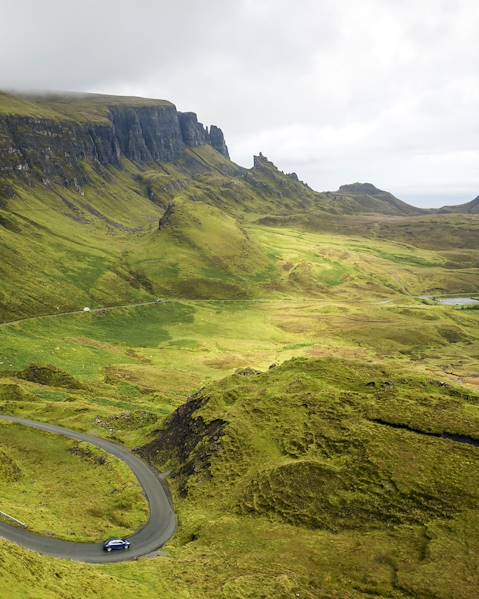
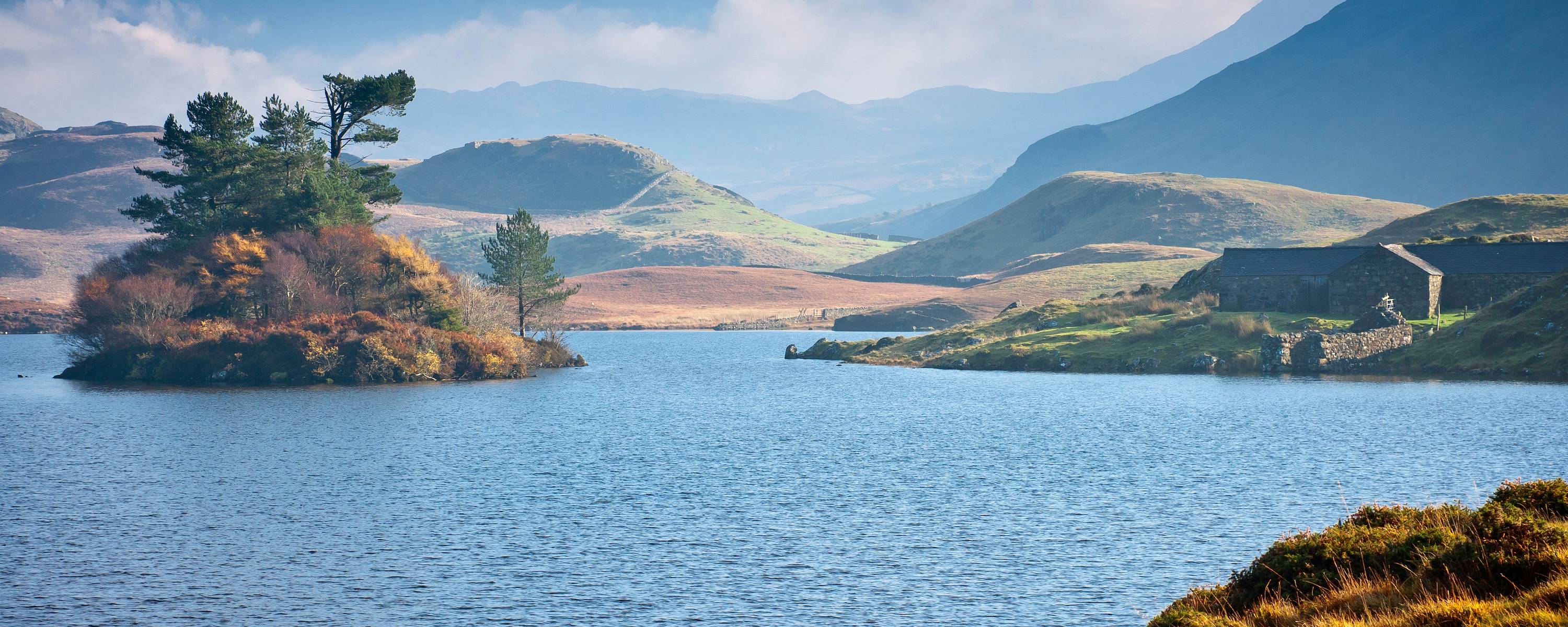
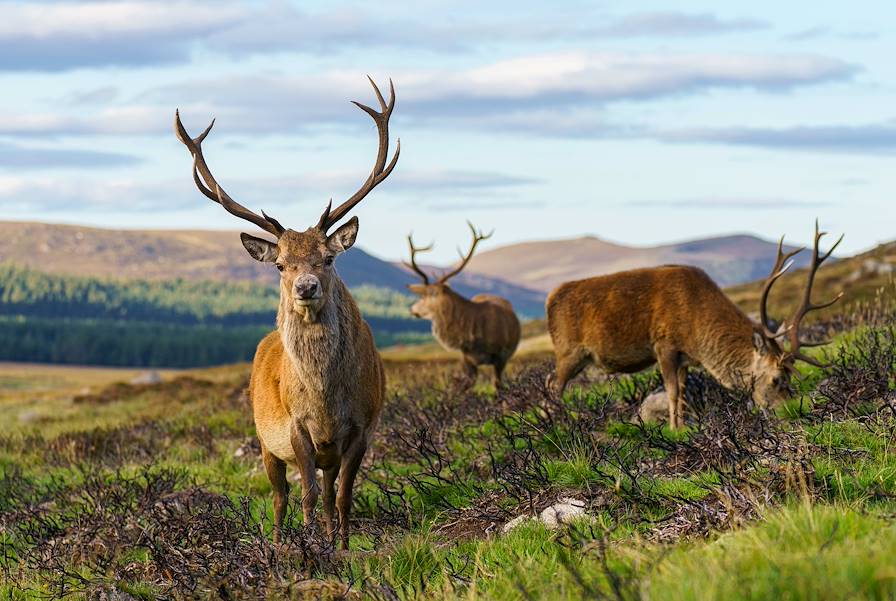
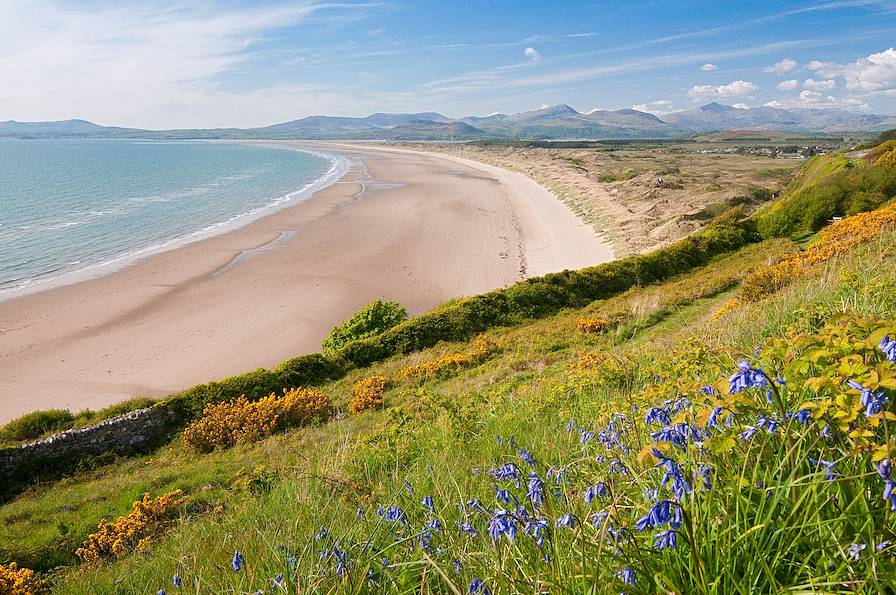
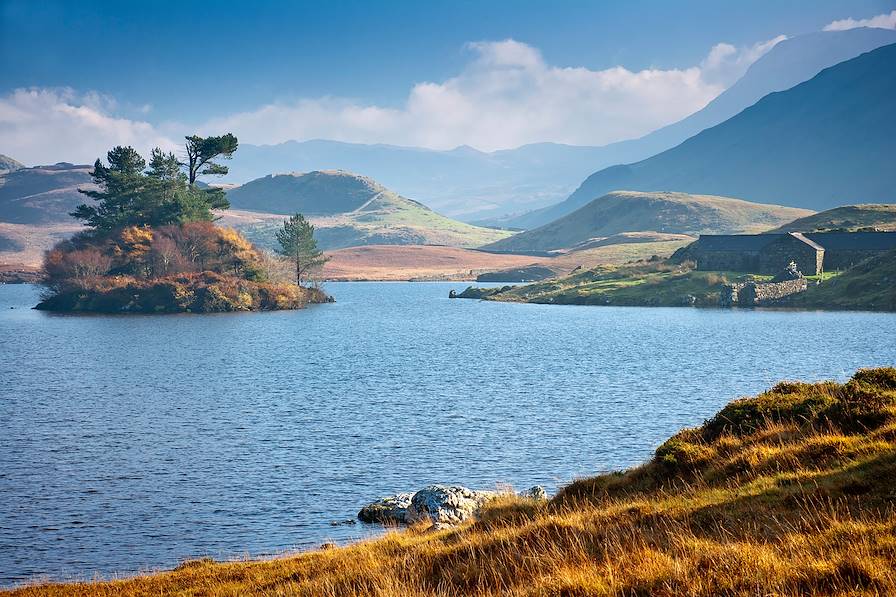
The park is where you encounter some of the most stunning natural landscapes in Wales. It covers over 2,100 square kilometres (810 square miles) of diverse green landscapes. Lakes nestle among the green valleys. Mountains reach towards the coastline and its fine sandy beaches. Mount Snowdon, the highest, towers over the park at 1,085 metres (3,560 feet). With stunning views everywhere you turn it's like an adventure playground for outdoor enthusiasts of all levels. Hike surrounded by rugged green landscape, try some fly fishing in the cool streams or rest in the shade beneath oak canopies. Spot deer, and with a bit of luck, maybe even an otter or an osprey. Explore old castles and abbeys with awe inspiring Gothic windows. Take a real breath of fresh air and enjoy nature!
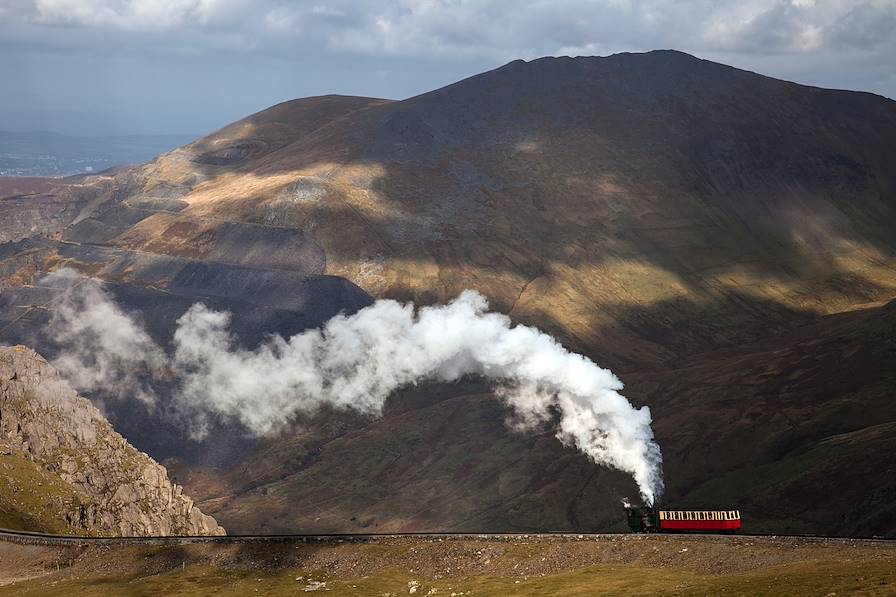
On your schedule - Snowdon Mountain Railway - you already have your tickets. After exploring the valleys and greeting their inhabitants, it is customary to head for higher ground. From Llanberis a narrow gauge rack-and-pinion mountain railway transports lovers of beautiful scenery to the summit of Snowdon 1,085 metres (3,560 ft) above sea level. It’s a bit like the Welsh equivalent of the Rhune train in the Basque Country. The train grips onto the side of the mountain, clinging to the slope in an attempt to tame it. What do the children make of it? Comfortably settled in their seats, they let out the usual "oohs" and "aahs", suggesting they might be having a good time. Dropped off at the top, they spread their arms wide and pretend to be swept away by the wind while you enjoy the view.
On your schedule - Caernarfon Castle. Along with its counterpart in Conwy, Caernarfon Castle is a proud stone reminder of King Edward I of England's campaign to conquer North Wales. This fortress-palace was one of the greatest buildings of the Middle Ages and took nearly 50 years to build, between the 13th and 14th centuries. It gradually fell into disuse and was restored in the late 19th century. It has hosted the investiture ceremony of the Princes of Wales for the past 100 years making it the perfect place to learn about the national history. The tickets are for a self-guided tour of the castle.
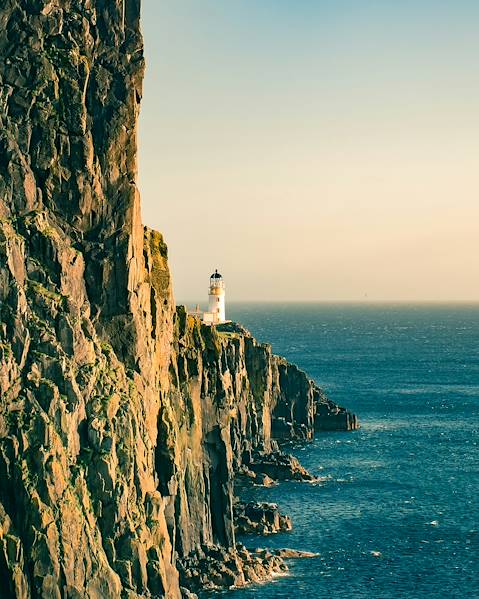
Our suggestion for the afternoon - Anglesey. Barely separated from the mainland, Anglesey covers an area of just over 700 square kilometres (270 square miles) off the coast of Caernarfon. The UNESCO-listed Beaumaris Castle makes for a wonderful complement to the morning visit. Much of the coast, dotted with lighthouses, is a designated Area of Outstanding Natural Beauty. The beaches of Rhoscolyn and Newborough, in particular, are well worth a visit. Around the cliffs, penguins, peregrine falcons and red-billed choughs are a draw for birdwatchers, while inland, there are a few stone circles and ancient tombs for archaeology enthusiasts.
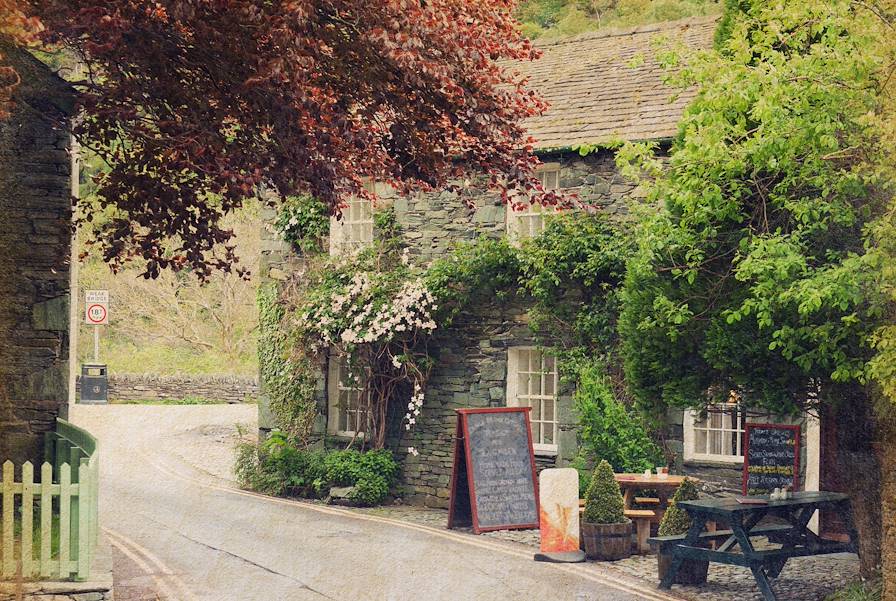
Return to England and drive to the Lake District (4 hours). Stay for five nights at the gateway to the national park, in the heart of Cumbrian hills carpeted with fields. The small stone cottage, now covered in ivy, was once a barn. It has retained the high ceilings supported by sturdy beams. The rest of it has been completely redesigned in soothing tones. The parquet floors echo the different types of wood found in the furnishings. Light pours in through the bay window and there is an old fashioned stove. The kitchen opens out onto the living area, so you can keep an eye on the children while you cook. You can eat your meals on the charming wooden terrace. From this lovely spot, enjoy the stunning views over the ocean of green, sometimes catching sight of walkers making their way along the Cambrian Way.
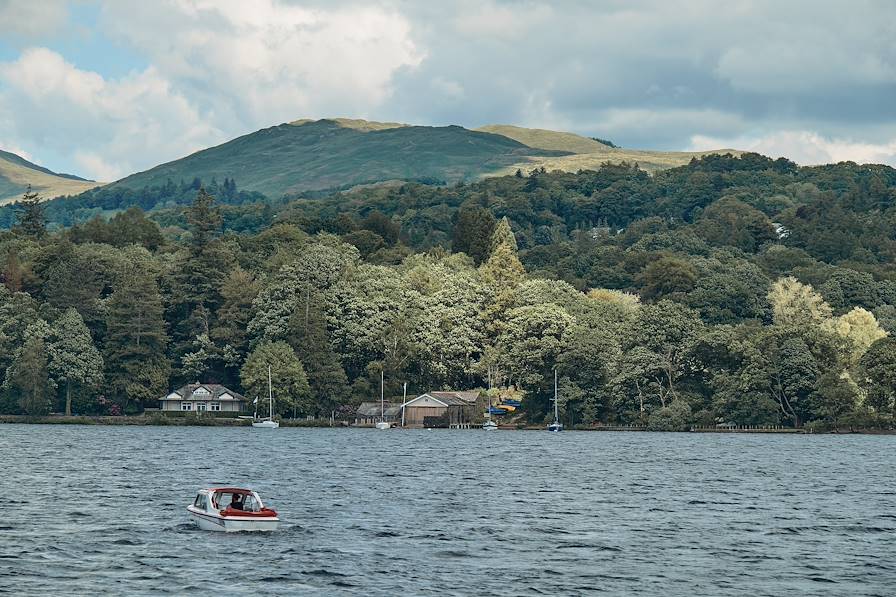
You are now in the world famous Lake District National Park. Whether or not it inspires you to read the poems of Samuel Coleridge or I Wandered Lonely as a Cloud, by William Wordsworth, it will surely spark the same bursts of enthusiasm as it did for the two Lake Poets. With its lakes, hills and mountains, the region is absolutely stunning (and listed as a UNESCO World Heritage Site). Between Windermere and Keswick are the Central Fells, the heart of the Lake District. This may not be the highest part, but the well-defined and varied landscape is full of rural charm and changing colours. Around Keswick, Walla Crag and Bleaberry Fells are good places for easy hikes. The paths around Derwentwater are good places for families to go walking too. The protected wildlife flourishes here. Red squirrels, which elsewhere face strong competition from their grey cousin from America, are thriving.
On your schedule - Cruise and hike around Ullswater. Ullswater, in the northeast is a long glacial lake where regattas are regularly held. Today, you board one of the old steamers that have plied these waters since the late 19th century. Slim and elegant, the boats glide across the surface, hardly stirring it. It’s a feast for the eyes and a smooth ride to boot. The boat takes you to Aira Force, a waterfall on Aira Beck, which plunges spectacularly for about 20 metres (66 feet) before flowing into the lake among the daffodils. From there, you join the Ullswater Way for a hike back to Glenridding, the small port where you departed The hike is one hour and 30 minutes of easy walking.
Our suggestion for the day - Walk along Hadrian’s Wall. Stretching from coast to coast, Emperor Hadrian had this immense wall built in the 2nd century AD, to create a defensive barrier between England and Scotland. The aim was to protect the Roman Empire from "barbarian" invasions. The result is impressive. The wall, which was built in six years by Roman garrisons, is 117 kilometres (73 miles) long, dotted with 300 towers and protected by 17 forts. About twenty years later another wall, the Antonine Wall, was built further north to further strengthen the Roman defences. The Romans then retreated back to the original wall. Today, it winds gently through the countryside. Some of its stones can be found in buildings in the surrounding villages, and the wall is sprouting with wild grasses. There are several sections where you can walk for a few hours.
Drive to the Scottish Borders, in southern Scotland. Stay for five nights in the heart of the countryside. Happily, the accommodation, which also served as a barn in its time, retains some of the features of your previous cosy retreat: stone walls, exposed beams and double height ceilings. In the centre, the large living area serves as a lounge, dining room and kitchen. Beneath a large window, a bench seat adorned with cushions is a tempting place to lose track of time contemplating the garden and the countryside beyond. You could spend hours there, wrapped in the comforting warmth of the wood-burning stove. But, it's worth taking some time to explore the grounds. Beyond the walls, there is an orchard, a pond and forests. There's lots of wildlife too. You should see sheep, ducks, owls, herons and even otters. That’s a lot of action for this part of the world!
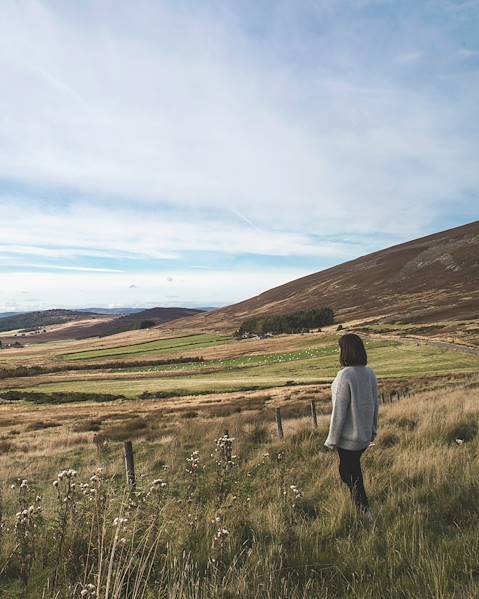
The Borders region in the south of Scotland is often overlooked in favour of the popular Highlands. Yet its hills, rivers and dense forests are hidden gems for travellers seeking the great outdoors. It’s perfect for those seeking peace and quiet too! Culture lovers won’t be left out either. Once the frontier of the Roman Empire, the Borders still bear traces of its turbulent past. The string of ruined abbeys scattered across the region are reminders of this history.
Things to see and do - Go and smell the flowers at Dawyck Botanic Garden or Harmony Garden - enjoy some whisky tasting at a local distillery - explore Traquair House, from the 12th century, a former hunting lodge visited by 27 Scottish kings and queens - continue to Floors Castle, the largest inhabited house in Scotland.
From its source north of Moffat, the Tweed Valley makes its way through the Borders, passing through the charming towns of Peebles, Galashiels, Kelso and Coldstream before flowing into the North Sea.
On your schedule - Melrose Abbey. Founded by King David I in 1136, Scotland’s most famous ruin was largely destroyed by the English army in 1385. The remaining ruins date from the early 15th century and have an elegance unmatched anywhere else in the country. The exterior of this magnificent ruin is decorated by unusual sculptures, including hobgoblins, cooks with ladles and a bagpipe playing pig. It is also rumoured that the abbey is home to heart of Robert the Bruce, the champion of Scottish independence.
Also booked - Tickets for Sir Walter Scott’s house. Abbotsford House stands majestically among the landscapes that inspired its creator, Sir Walter Scott. As you step inside, the writer’s entire history opens up to you. The manor has an extensive collection of relics, weapons (including Rob Roy’s pistol), armour and swords, as well as an impressive library of more than 9,000 rare books. Sumptuous landscaped gardens surround the house, which is especially pleasant during fine weather.
East Lothian, to the east of the capital, is beautifully situated on the shores of the Firth of Forth. This is where the seaside town of North Berwick can be found, with its beautiful beaches, coastal scenery and the Scottish Seabird Centre. Strolling among the shops, cafes and bars, golfers drawn by world-famous courses mingle with birdwatchers, and you are one of them!
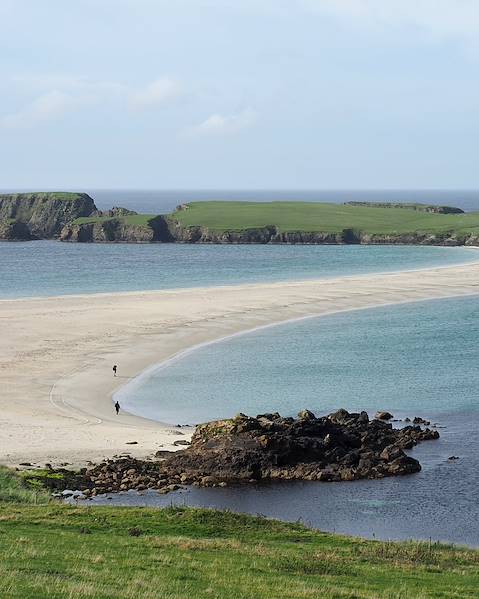
Your schedule for the day: A seabird safari. Board at the port in the town. Without further delay, the boat heads out to sea. You’re heading for The Lamb, Craigleith and Bass Rock, the famous Islands of the Forth. These patches of land are a refuge for numerous species of seabirds, including puffins, guillemots and gannets. Bass Rock is home to the largest colony of gannets in the world and named after their Latin name Sula Bassana . With their pale yellow necks, light grey eyes and a dagger-shaped bill edged with black, Europe’s largest seabirds are easy to identify.
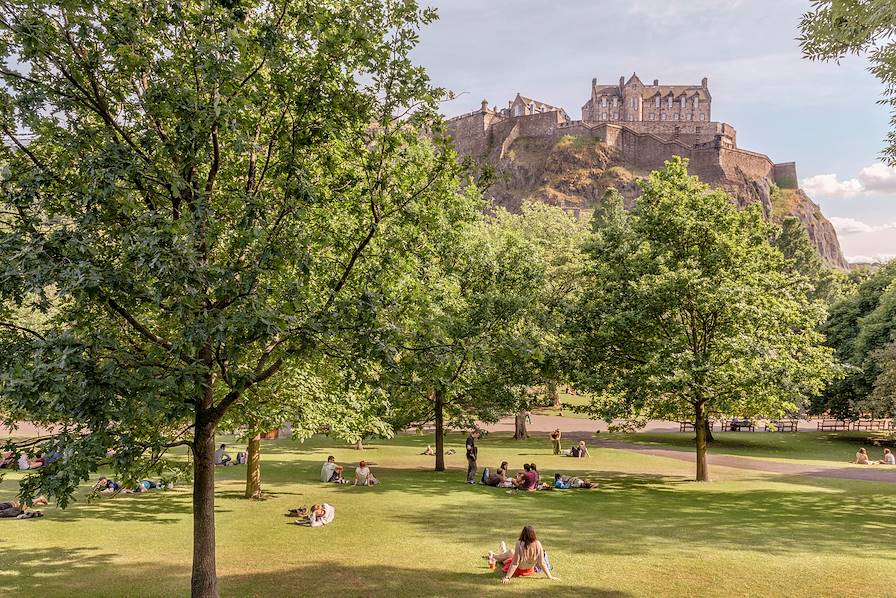
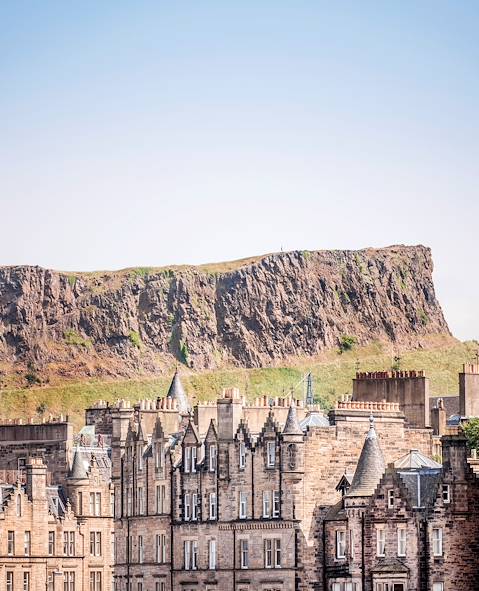
On your schedule - Train journey to Edinburgh. With your tickets in your pocket, board the carriage bound for the Scottish capital. Edinburgh is a UNESCO World Heritage Site, due in part to its medieval 'herringbone' street pattern. Walk down the Royal Mile, from the castle to the Palace of Holyrood, where some of the ceilings bear the monogram of Mary Stuart, Queen of Scotland and France in the second half of the 16th century. Mary, Queen of Scots is a central character who brings many others to life and is vital to understanding the Scottish spirit. Close to the palace is the Scottish Parliament building, a beautiful example of contemporary architecture that houses an institution with a history dating back to the 13th century. Next, continue your explorations along the delightful paths of the Royal Botanic Garden, with its ten different climate zones. As you walk, children will quickly notice the striking resemblance between the Scottish capital and the world of Harry Potter. And with good reason: JK Rowling wrote the first volume of the world’s most famous young wizard’s adventures in this very city.
Optional extra - Mysterious animals walking tour.
Drive to Edinburgh Airport (50 minutes), return the rental car and return flight home.
This suggested itinerary can be customisable down to the smallest detail, including duration, stops and content. An à la carte menu of experiences is also available to create a journey that reflects who you are.
Every day, our travel specialists craft bespoke experiences shaped around each traveller's profile, desires and budget. These passionate experts design experiences delivered on the ground by a local network of Concierges and trusted contacts. These fully customisable, made-to-measure trips are complemented by a wide range of high-end services (lounges, 24/7 assistance, travel booklet, app, Wi-Fi, restaurant booking, etc.)
Let us create your trip
Travel with complete freedom, guided by your interests,
ideas and passions.
250 travel specialists, organised by country and region. Driven by a passion for beauty and never short of ideas, they inspire you and design an ultra-personalised journey: itineraries, accommodation, workshops, encounters, and more.
Always at your service: with a dedicated travel specialist, Concierge service and 24/7 assistance, our teams support you and adapt in real time, for a trip that is both flexible and expertly supported.
With family, as a couple, in a group of ten, on a road trip, by train, by boat, for a weekend or a round-the-world journey... Trips tailored to your preferences, enhanced by clever services, for ever smoother travel.