100% customisable travel idea
The Balkans, the Black Sea, the vineyards Grand Tour of Bulgaria
Bulgaria - Sofia - Plovdiv - Black Sea - Veliko Tarnovo
100% customisable travel idea
Bulgaria - Sofia - Plovdiv - Black Sea - Veliko Tarnovo
100% customisable for you
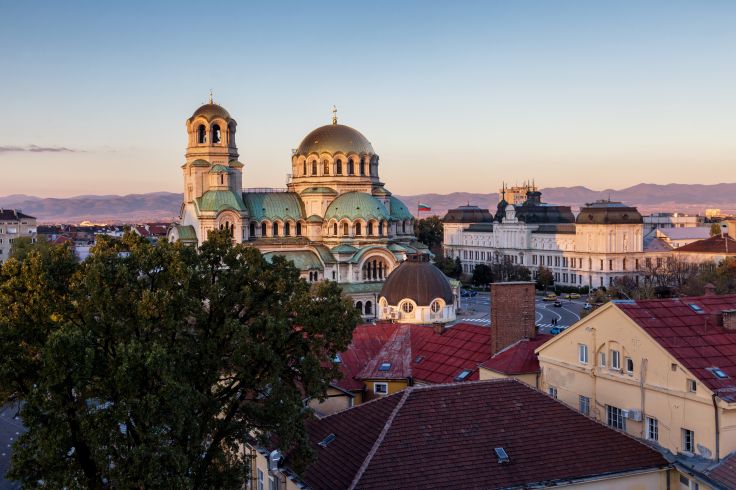
Transfer. Stay for two nights right in the centre. A view of Saint Alexander Nevsky Cathedral from the rooftop bar. The building's glass façade reflects its contemporary style. This is confirmed inside, with white, grey, anthracite, wood and pop accents dotted here and there. The rooms have a clean, uncluttered design, without frills, but are still comfortable. Floor-to-ceiling windows let in light and views of the cityscape. Swimming pool, spa service and gym are available for fitness. The cuisine is also pleasant.
Optional - Mount Vitosha in private.
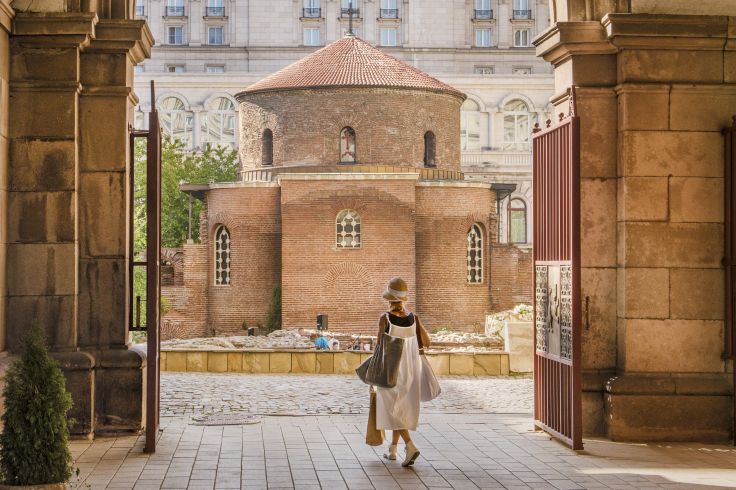
Already on your itinerary - Boyana church. Visit one of the most authentic medieval monuments in Europe with a private guide. The Greek cross-shaped church was built in the 10th century and expanded in the 13th century. Inside, there is a dazzling array of ancient frescoes, the best of which was made by anonymous painters from the Tarnovo school and dates from the period of expansion. The artistic quality and integrity of these paintings cannot fail to impress. Accompanied by a private guide, take a tour to discover other highlights. The Orthodox Cathedral of Saint Alexander Nevsky was built between 1882 and 1912 in a muscular neo-Byzantine style to celebrate the decline of the Ottoman Empire and the role played by the Russians in this decline. The National Assembly is from the same period, as are the Ivan Vazov Theatre and the university from the 1920s. The architecture of these buildings reflects the European aspirations of the time.
Collecting the rental car. Drive to Plovdiv. Two hours' drive south of Sofia is a truly unmissable site: the Rila Monastery, set in a beautiful mountainous setting. Founded in the 10th century around the remains of Saint John of Rila, it has continued to exert an influence on Balkan Orthodoxy ever since, during prosperous times and times of hardship alike. It was damaged by fire but was partially rebuilt between 1834 and 1862. This makes it a monument of national Renaissance architecture. Here, you are touching on the most sensitive aspect of Bulgarian national identity. UNESCO has duly classified it as a World Heritage Site. And the frescoes will enchant you once again!
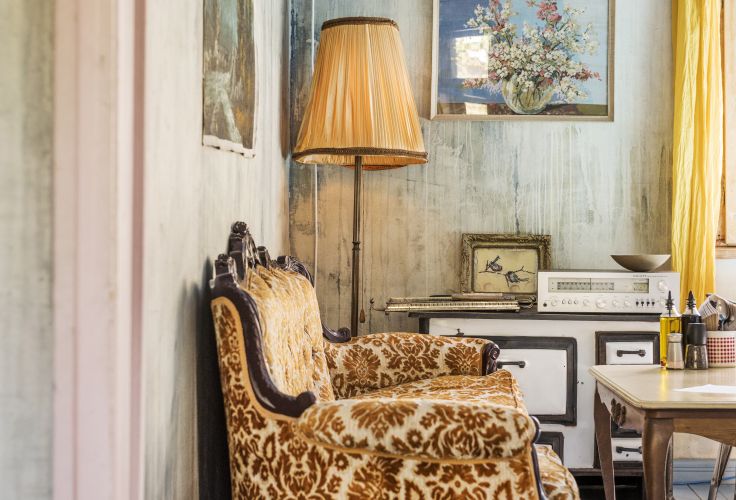
Stay for two nights in the historic centre, north of the Roman theatre. The house's raspberry-coloured façade is a pretty 19th-century feature. Inside, while preserving the structure, we opted for contemporary simplicity. The rooms are immaculate. They share shades of white, grey and yellow, wood and brick. Breakfast is served in the dining room.
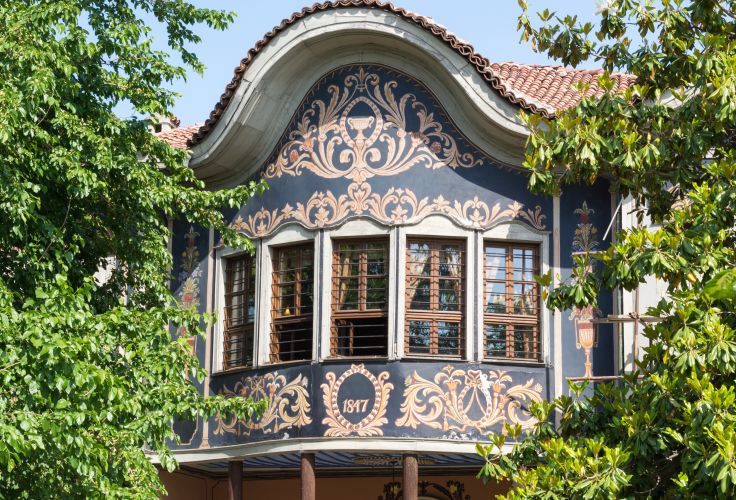
Plovdiv is believed to have been continuously occupied since the 2nd millennium BC. European champion. It was a Thracian city that became the capital of Thracia, a praetorian province, during the Roman era as it was a regional hub crossed by an important military road. The remains of this period, such as the theatre and the odeon, are among the highlights. Plovdiv then became Bulgarian in the 9th century. Byzantium took control of it. Then the Ottoman Empire. Minarets and Turkish baths were added to the Orthodox churches, and the Djumaya Mosque dates from the 14th century. In the 19th century, the national revival movement built beautiful Bulgarian houses. The Sephardic synagogue also reflects the community's past with its Moorish style. All of this forms a diverse and coherent whole, bearing witness to a long, eventful and, ultimately, shared history.
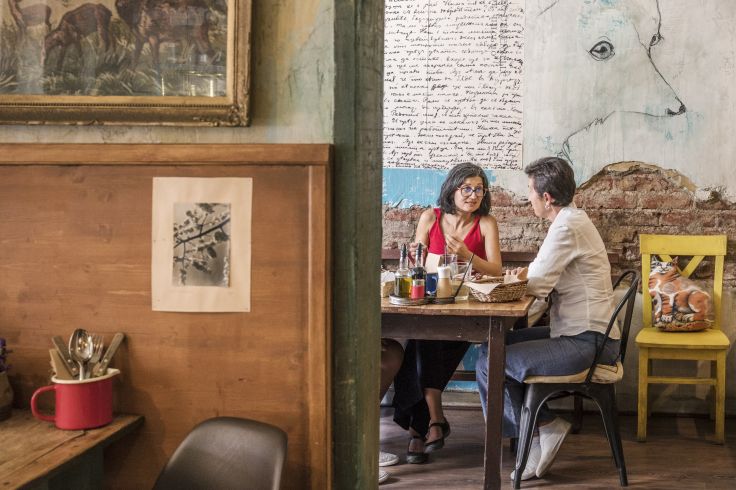
Already on your itinerary - Kapana, Plovdiv's colourful neighbourhood. Formerly a district of guilds and commerce, Kapana has accompanied Plovdiv through its ups and downs since the end of the Middle Ages. The locals are deeply attached to it. After a period of relative decline, it has been revived and become trendy and artistic. The authorities have done their part; creatives and entrepreneurs have as well. And what was feared might happen did not take place. Kapana kept its soul and its modern makeover and social media presence have brought back its smile. It is clearly the most pleasant spot in town, with its cafes, restaurants, shops, art galleries and artisans. Day and night. Tour with a private guide.
Optional - horse riding in the Plovdiv area.
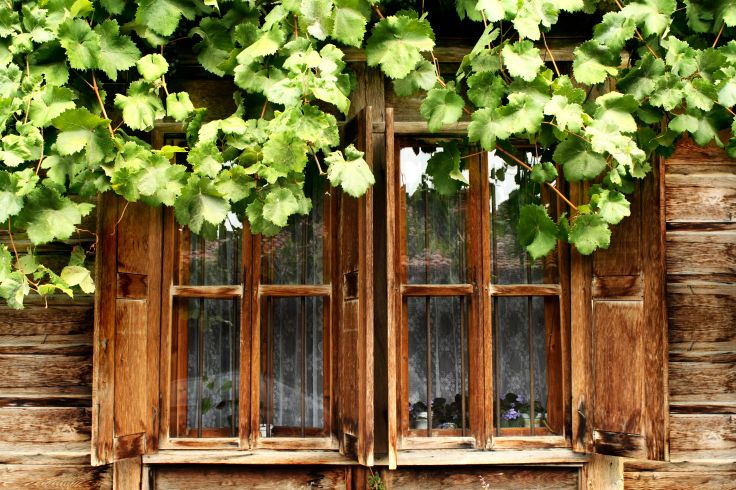
Drive to Sozopol. In the Eastern Balkans, don't miss Jeravna, with its beautifully preserved traditional wooden architecture. It is a museum village, but one that is actually inhabited. Nor the Thracian tomb of Karanovo. The tomb and its contents, including a chariot with horses and a dog, have been preserved in their original state. This gives them a particularly evocative power.
Stay for three nights in a modern complex by the water with private beach, swimming pool and large garden. The garden features contemporary sculptures that are thoughtfully and dynamically arranged. This adds substance to the relaxation. You can also play tennis - artistic sensibility and sport are not incompatible. Inside, there is a certain decorum. There is a chic that already leans a little towards the Orient. The facilities are of a good standard and comfortable. In the restaurant, the international cuisine has a slight Bulgarian accent, which suits it well. The wellness centre has a spa, gym, sauna and hammam, which are all part of a well-established tradition on the Black Sea.
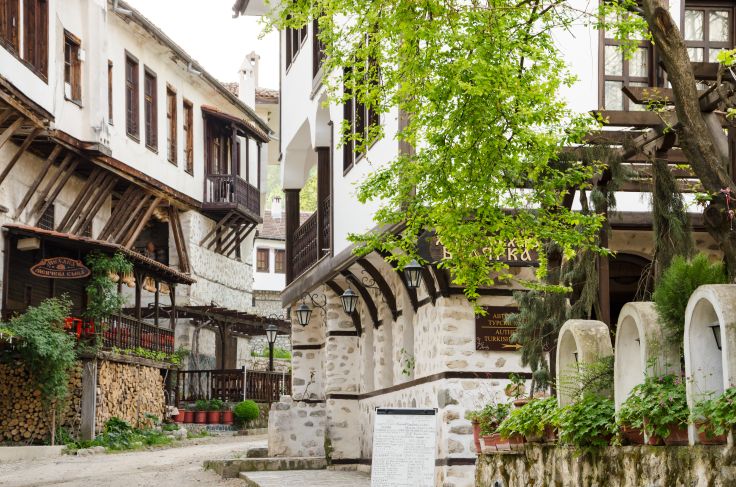
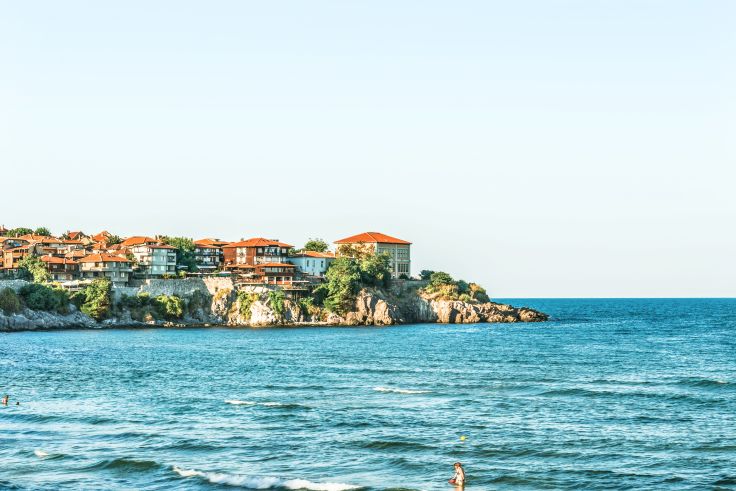
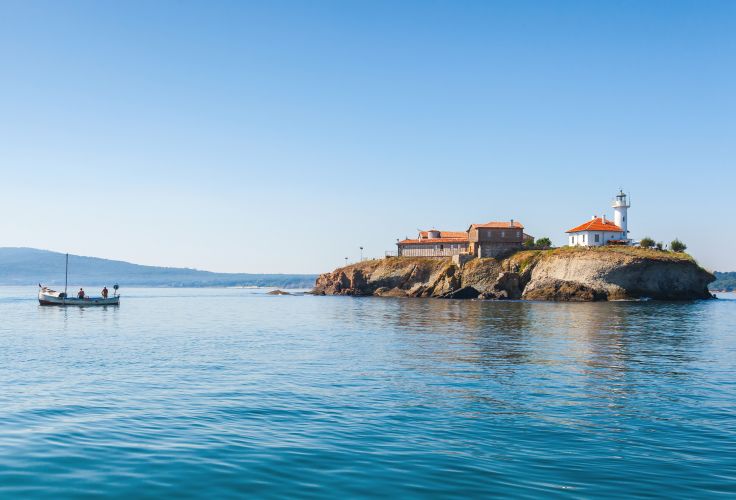
Of course, you can enjoy the sand and water, and the amenities of the hotel, but you can also take a few moments to visit the old town. There are still many traditional houses there. They look very stylish with their stone bases and weathered wooden corbels. It is an adaptable model, whose fortune has spread throughout the Balkans. The whole of Sozopol is full of authenticity. At the water's edge, these houses have an added charm. Those who are not distracted by sunscreen will note that the pre-Socratic philosopher Diogenes was originally from Sozopol, then known as Apollonia Pontica. This may not change much about your stay, but it can serve as an introduction to the museum's archaeological collections. They highlight the importance of the city during antiquity. The name Sozopolis - city of salvation - appears in the 1st century AD, indicating early Christianisation. In short, you're not swimming just anywhere.
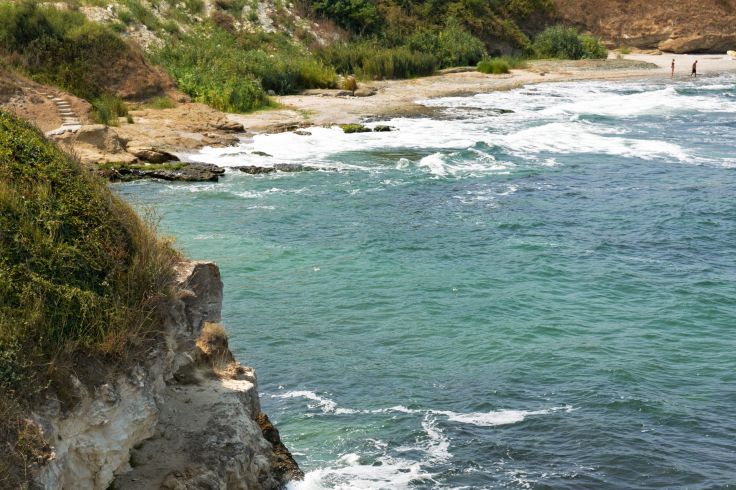
Head north (on the way, you can take a free therapeutic black mud bath at the Pomorie lagoon). Stay for two nights just north-east of Varna, on Saints Constantine and Helena Beach. The establishment is a fine example of large-scale seaside architecture. You'll love the terraced pools, the beach at the end of the estate, the gardens and the spacious rooms. The layout and decor are strictly and comfortably classic hotel style. The spa and related facilities, including a Japanese bath, provide the utmost wellness. The indoor pool and its huge windows are great. Restaurants and bars are the same as professionalism is one of the fine arts. Just let yourself be carried away from one hour to the next, from one installation to the next.
One idea is to visit Queen Marie of Romania's residence in Baltchik, which was built between 1926 and 1937 in an eclectic oriental style. The park has been converted into a botanical garden and boasts a spectacular collection of cacti.
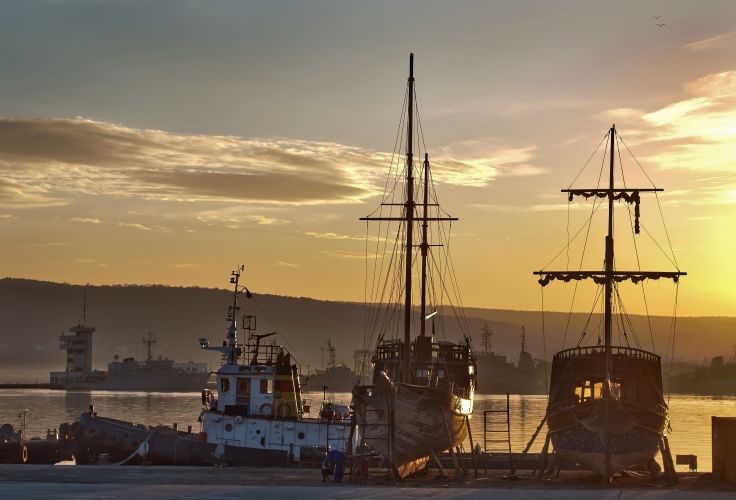
Already on your itinerary - the Black Sea coast by private yacht. You set sail at sunset with a certified skipper and his English-speaking assistant. For two hours, let yourselves be enchanted by this sea known as the Black Sea, which is perhaps why it is poorly located on the treasure map. The Bulgarian coastline is very beautiful. You can see this as you head out to sea. And Varna justifies the thrill it produces in travellers. The best way to experience it is from the sea, especially as the sun sets in the west and splashes it with its multicoloured hues. And then, a yacht! Not a dinghy.
Optional - Kayaking on the Black Sea.
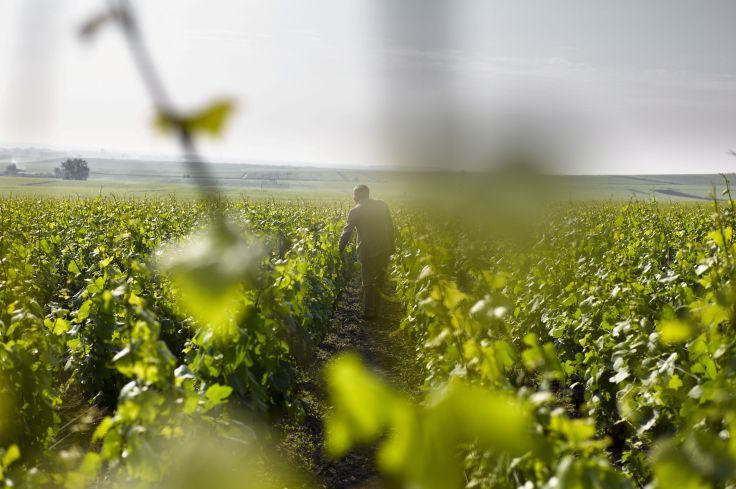
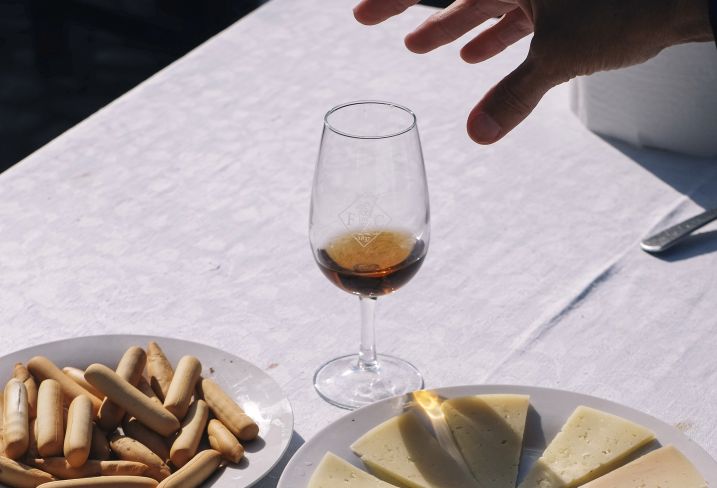
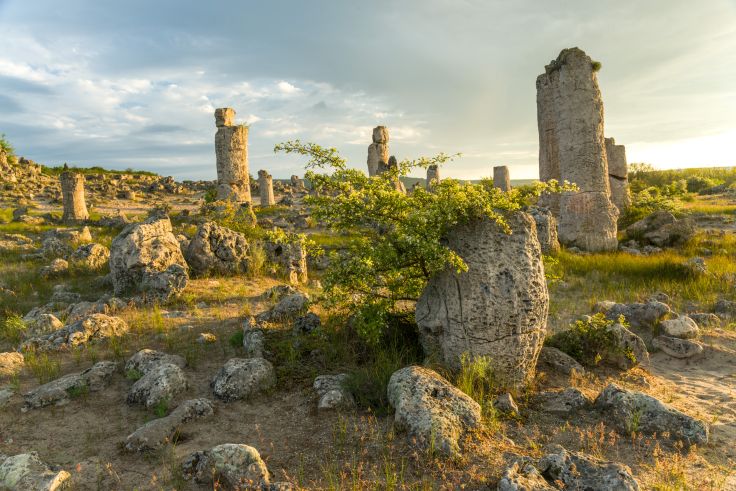
Drive to Osmar. Leaving Varna, travellers encounter a spectacular natural phenomenon: the Pobiti Kamani. This consists of natural limestone columns rising from sandy soil, like a giant game of skittles waiting for the ball of time to knock them down. In Shumen stands one of Bulgaria's most important Ottoman buildings: the Cherif Halil Pasha Mosque (18th century). Not far away, in the village of Madara, the Horseman is carved into a cliff some 20 metres high. This monumental 8th-century relief is unrivalled in Europe and is an eloquent testimony to the early days of the Bulgarian state. The Osmar region is renowned for its white wines.
Spend the night in a pretty farmhouse dating from 1881. The comfort has improved considerably since then and the house even has a spa, but a warm rustic atmosphere still pervades the place. It feels like staying with cousins in the countryside as it is a little urban, but still very homely. In the bedroom, the large wardrobe and starched sheets mean that when the sun filters through the curtains, it gilds everything. The tavern is in tune, serving generous plates and heady wines. In summer, dinner is served in the flower-filled garden.
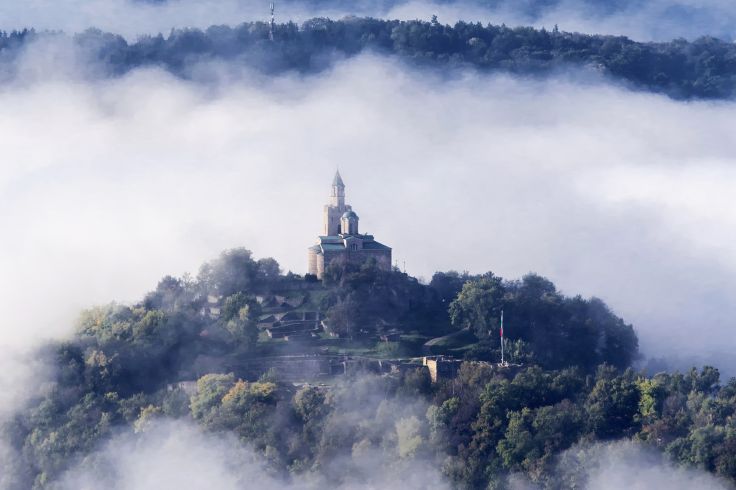
Drive to Veliko Tarnovo. Stay for two nights in the centre. The hotel has adopted a contemporary design and sticks to it throughout, both in the common areas and in the rooms. Abstract paintings on the walls are complemented by the bedspreads. The furniture design varies from room to room. The colours are grey, blue, green and bronze. Brick walls appear here and there. The arty vibe quickly wins you over. Especially since the comfort of the rooms is impeccable.
Already on your itinerary - Dinner at the Arbanashki Han restaurant. A pretty room, decorated with mosaics and stained glass. Tables laid with precision. And a wonderful menu of grilled meats and traditional Bulgarian dishes, including stewed beans, Arbanassi-style potatoes, roast pork loin, etc.
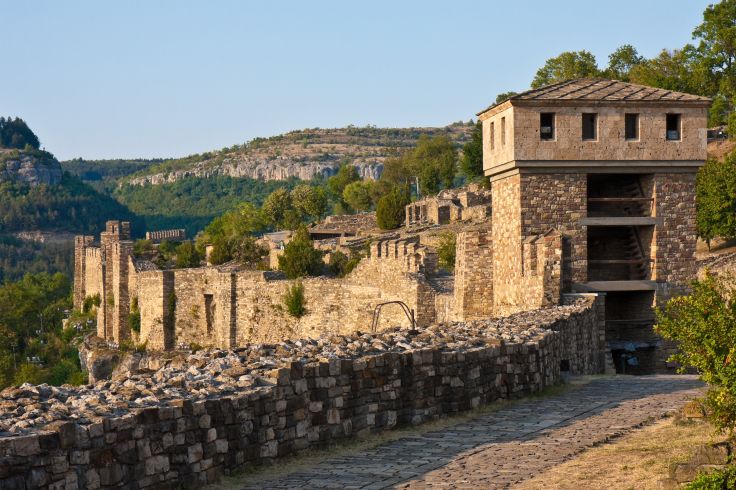
Arbanassi is only 2.5 miles (4km) from Veliko Tarnovo. So, let's start there. The village has a few wonders, such as the Church of the Nativity of Christ and its frescoes (15th-17th centuries), the Church of the Holy Archangels Michael and Gabriel (16th-18th centuries) and the Konstantsaliev House (17th century). Bojentsi is one of the most beautiful villages in Bulgaria and a conservatory of national Renaissance architecture. Tryavna is known for its woodcraft, its icon museum and its old square. Three good reasons to go there.
Already on your itinerary - The Dryanovo Valley in private. Numerous walking trails in the wild landscape of this pretty valley in the Bulgarka Nature Park attract hikers. Nature trails lead to charming clearings, pass through woods or cross ancient Roman sites. Four miles (6km) from Dryanovo City, in the forest, lies a monastery famous for the support its monks gave to the Bulgarian national movement (it should be noted that its foundation in the 12th century celebrated a Bulgarian victory over the Byzantines). Hiking with a private guide.
Drive to Oreshak. A night at the foot of the Great Balkan Mountains. Your hotel consists of two houses dating from the late 19th century. Getting there requires a bit of an adventure as you have to hold on tight to the steering wheel, but the obstacle course is well worth the effort. The forest setting is magnificent and surrounded by nature. The buildings have been carefully restored and are incredibly charming. The furnishings and décor are reminiscent of Bulgaria of yesteryear. It's a pleasant change of scenery and perfectly in tune with the surrounding countryside. Well-thought-out simplicity. The garden connects to the forest. You'll have a delightful evening here. Especially since the barbecue is available in summer. The restaurant uses seasonal and local ingredients with the aim of reviving the traditional cookbook. And it is very successful.
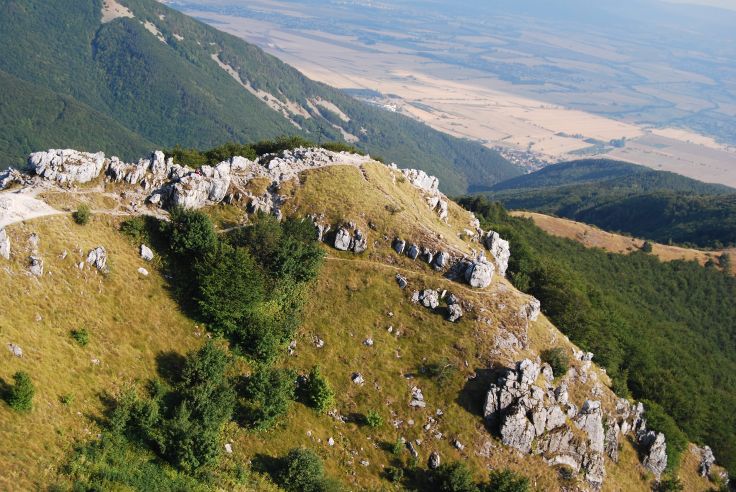
South of Oreshak lies the Central Balkan National Park, which protects the roof of the Great Balkan and a natural environment that is exceptional for its integrity. This is a moving testimony to what Europe was, mutatis mutandis, for a long time. Make the most of it! Like the Monastery of the Holy Mother of God in Troyan, about six mile (10km) west of Oreshak. Founded in the 16th century, it has a splendid collection of 19th-century frescoes and a miraculous icon, the Virgin with Three Hands - the third being that of John Damascene, a fervent defender of religious images in the 8th century.
Return the car to Sofia Airport and take your return flight.
This suggested itinerary can be customisable down to the smallest detail, including duration, stops and content. An à la carte menu of experiences is also available to create a journey that reflects who you are.
Every day, our travel specialists craft bespoke experiences shaped around each traveller's profile, desires and budget. These passionate experts design experiences delivered on the ground by a local network of Concierges and trusted contacts. These fully customisable, made-to-measure trips are complemented by a wide range of high-end services (lounges, 24/7 assistance, travel booklet, app, Wi-Fi, restaurant booking, etc.)
Let us create your trip
Travel with complete freedom, guided by your interests,
ideas and passions.
250 travel specialists, organised by country and region. Driven by a passion for beauty and never short of ideas, they inspire you and design an ultra-personalised journey: itineraries, accommodation, workshops, encounters, and more.
Always at your service: with a dedicated travel specialist, Concierge service and 24/7 assistance, our teams support you and adapt in real time, for a trip that is both flexible and expertly supported.
With family, as a couple, in a group of ten, on a road trip, by train, by boat, for a weekend or a round-the-world journey... Trips tailored to your preferences, enhanced by clever services, for ever smoother travel.