100% customisable travel idea
Balkan Odyssey On the paths of Montenegro and Bosnia
Montenegro - Durmitor - Kotor - Bosnia - Sarajevo - Mostar
100% customisable travel idea
Montenegro - Durmitor - Kotor - Bosnia - Sarajevo - Mostar
100% customisable for you
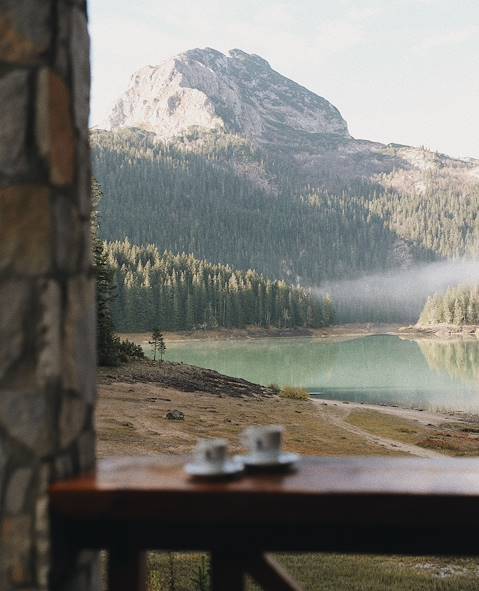
Already included - upon arrival in the capital of Montenegro, you will be welcomed by a member of our local team. They’ll assist you with any formalities (including car rental) and go over the travel itinerary with you, offering useful advices along the way. Set off for the romantic alpine pastures of the Durmitor Mountain Range, heading up the Zeta Valley. Along the way, Ostrog Monastery is a perfect place for reflection. Standing on a cliff 900 metres (2,950 feet) above sea level and visited by thousands of pilgrims each year, the immaculate white building is the country’s foremost religious site. North of Niksic, the road winds for a long stretch through the mountains, revealing panoramas of great beauty. The landscape signals the imminent arrival at your destination - Zabljak, the highest village in Montenegro.
Stay two nights surrounded by meadows, woodland and mountain ranges. Your hotel is in the traditional style of an Alpine chalet. The rooms are simply furnished and decorated in light tones. In the restaurant, the chef is proud to source ingredients locally, and keen to introduce guests to Montenegrin specialties, such as kacamak, cicvara and kastradina. There is also a wellness centre with a sauna, hammam, and massage treatments - perfect for getting ready for the adventure ahead.
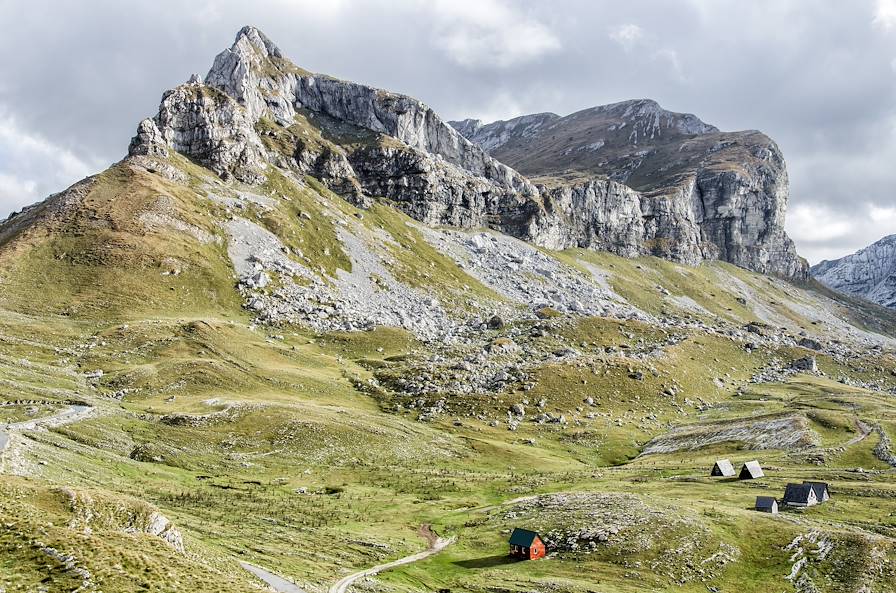
Included - full day hiking in Durmitor National Park. Durmitor National Park protects the high karst reliefs of the Dinaric Alps. It is a listed UNESCO World Heritage Site for its flora - Bosnian pine, Balkan maple, Alpine blue eryngo, globeflower - as well as its fauna - chamois, bear, wolf, capercaillie, vultures, etc. To the north of the massif, discover the remarkable phenomenon that is Tara River Canyon, one of the deepest in Europe. Set out confidently, accompanied by a private guide. Several itineraries and difficulty levels are available: 200 to 700 metres (650-2,300 feet) ascent, and from 4 to 7 hours of hiking. Mount Curevac 1,625 metres (5,331 feet) offers breathtaking views over the mountains and canyon. You can drive most of the way, reducing the walking time to 20 minutes. The Three Lakes Trail, which includes the famous Black Lake, also offers beautiful panoramas. At the foot of Obla Glava Peak 2,303 metres (7,556 feet), the ice cave and its strange formations can only be reached with considerable effort - but it is always well worth the undertaking.
It is 250 km (155 miles) from Zabljak, in Montenegro, to Sarajevo, in Bosnia and Herzegovina. The route offers a final brush with Durmitor National Park before heading down the switchbacks to Niksic, the country’s second largest city and a true cultural hub. Then, continue north to Scepan Polje, which marks the border with Bosnia.
Stay two nights in the centre of Sarajevo, close to the historic Bascarsija district. The rooms’ decor is simple, functional and modern. In the morning, the buffet breakfast does its job - giving you energy for the day ahead. It’s even better when the weather lets you enjoy it outdoors on the terrace. The friendly, attentive staff are dedicated to helping guests - the country could not have wished for better ambassadors. Less than a 10-minute walk from the hotel, the Latin Bridge (1798-99) marks the spot where Gavrilo Princip ignited the European powder keg by shooting Archduke Franz Ferdinand and his wife, Sophie Chotek, Duchess of Hohenberg, on 28 June 1914.
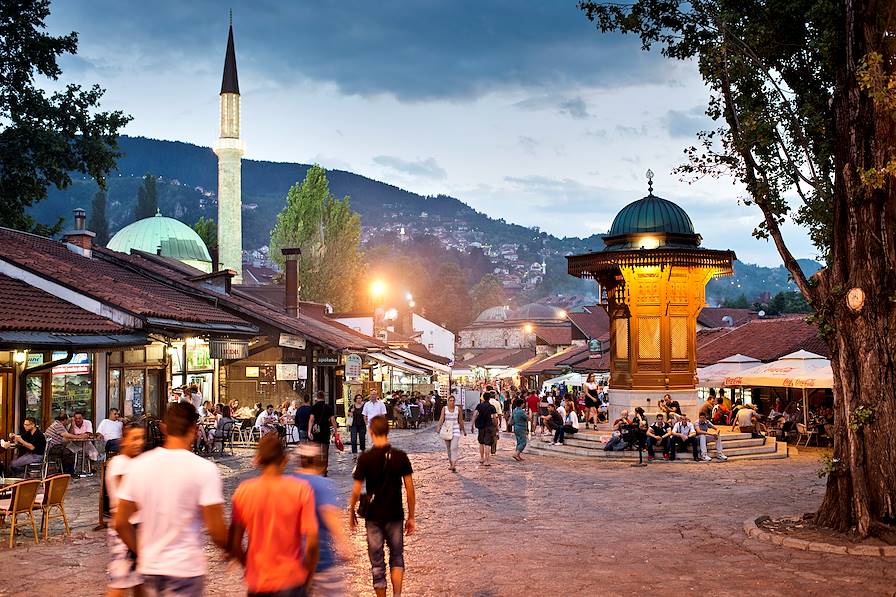
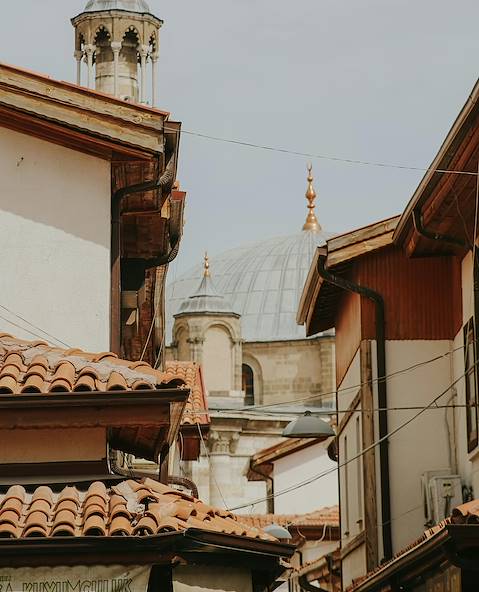
From elegant minarets to pastel facades, Sarajevo moves from Ottoman to Austro-Hungarian in just a few steps. Multicultural and cosmopolitan, the city is not defined solely by its turbulent political history. A true crossroads between East and West, the capital of Bosnia is rich in its distinctive atmosphere and charm.
Already included - private tour of Sarajevo. The capital has been founded twice. First by the Ottomans, in 1461, who built the Careva Dzamija (Emperor’s Mosque), bedesten (covered market), baths, a governor’s palace, bridge and clock tower. The city has grown around this core. Then, from 1878, the Austro-Hungarian Monarchy established a theatre, central post office, Catholic cathedral and Serbian Orthodox cathedral, a government palace, railway station, the Ashkenazi synagogue (in addition to the Sephardic one from 1581), and a brewery. And perhaps it saw another revival after the 1992-1996 siege, as evidenced by the Parliament of Bosnia and Herzegovina’s Assembly Building. Your private guide will explain all of this to you.
Drive to Herzegovina and Mostar. Along the way, Konjic offers the chance to admire the reconstructed old Turkish bridge - destroyed by the Germans in 1945 - and Tito’s bunker. The itinerary continues along the river - why not stop to sample the spit-roasted lamb that locals are so proud of in this part of the country? The landscapes here are beautifully mountainous, mixing rocks, woodland and water features, especially around Lake Jablanicko.
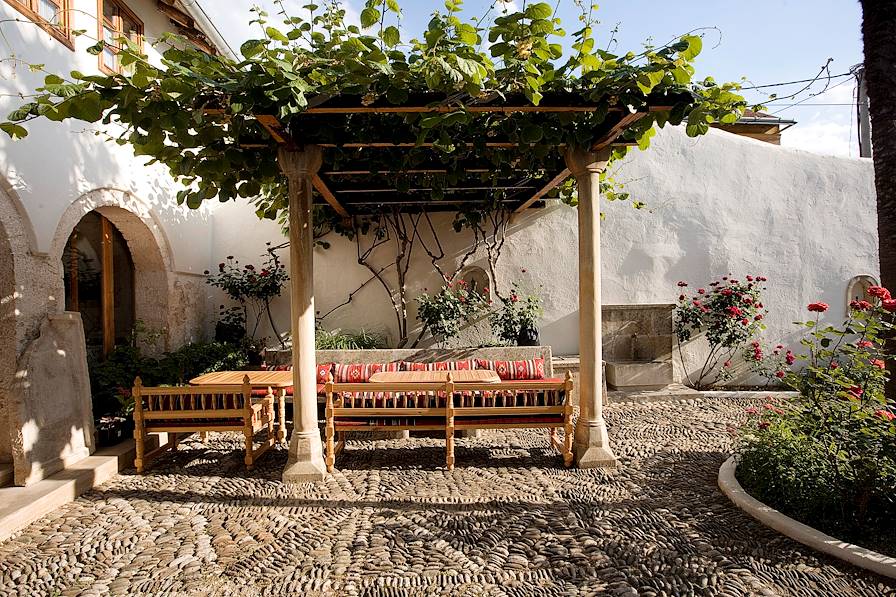
On arrival in Mostar, check in for two nights at a museum-hotel in the historic centre. The building dates from the late 17th century and is typical of Bosnian-Ottoman architecture. The decor partly reflects the traditional style, with benches, kilims, embroidery, etc. The rooms, enhanced by fine woodwork, feature up-to-date amenities while immersing guests in the atmosphere of old Bosnia. A collection of antiques enhances this sense of stepping back in time. In the warm months, the courtyard garden is filled with roses, so you can sip your Turkish coffee in air that is doubly scented.
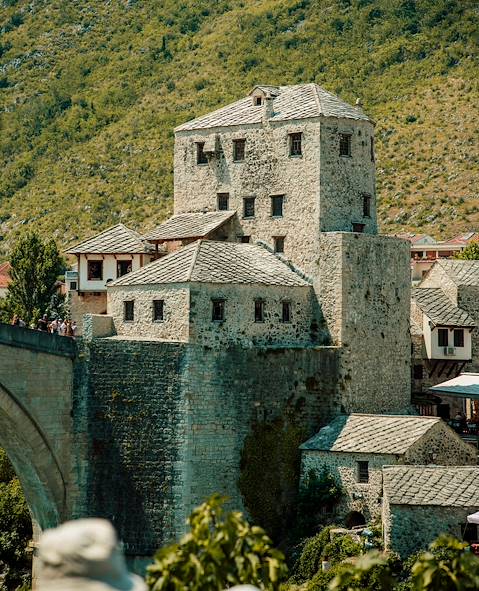
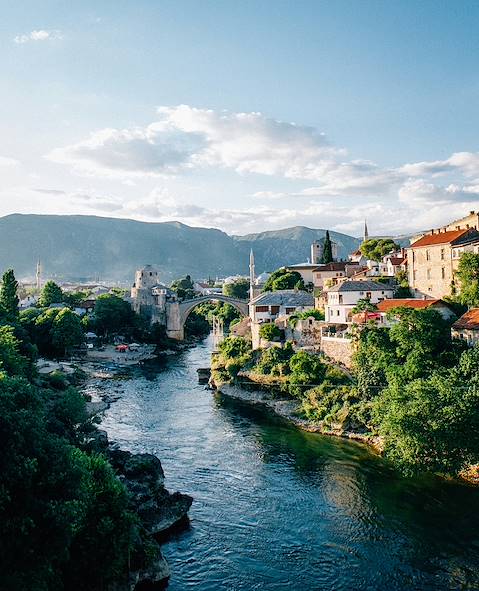
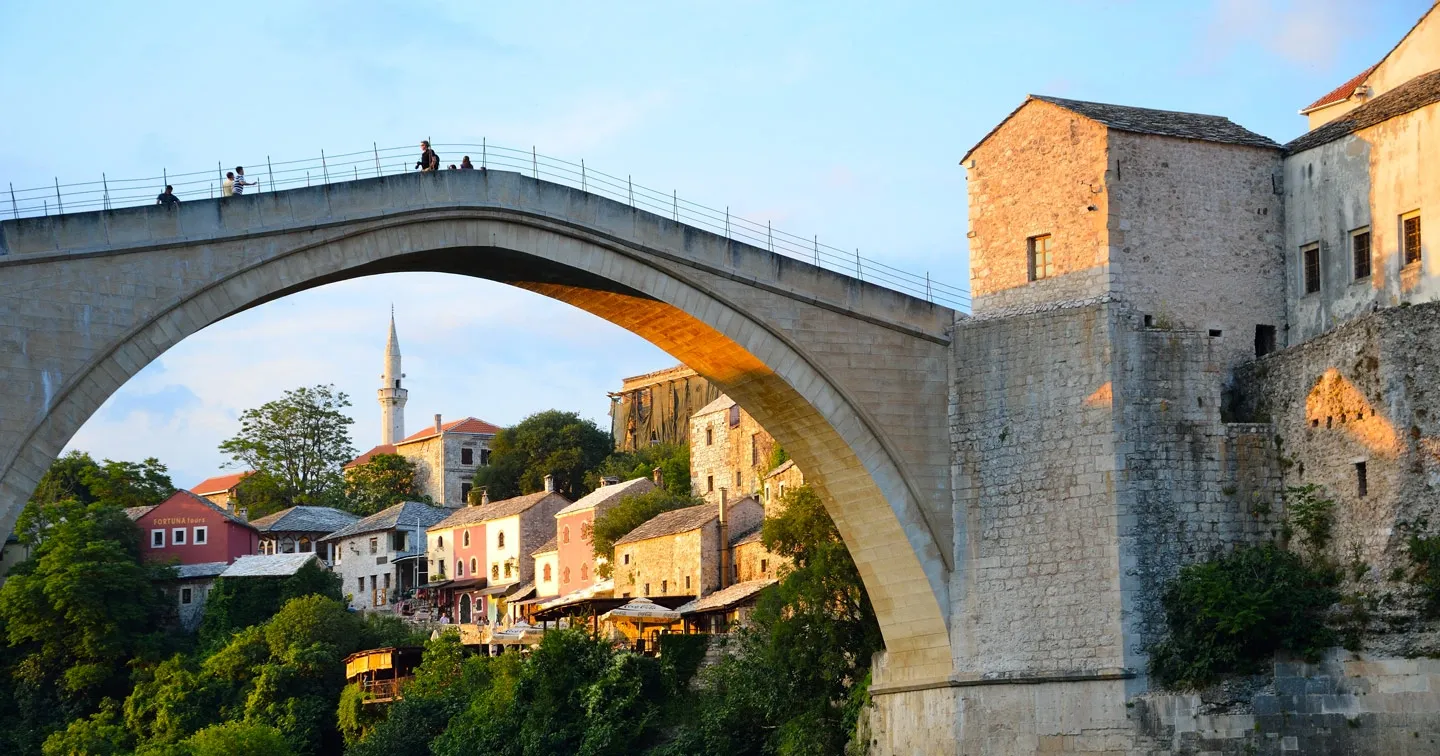
Included - Mostar with a private guide. A treasure trove of medieval Ottoman architecture in Europe, Mostar was one of the towns devastated by the Balkan conflict. More than ten years later, Mostar remains torn between its three communities: Catholic Croats and Muslim Bosniaks form the majority, with an Orthodox Serb minority in the middle. A major international effort aims to gradually restore the town’s heritage in a fair way and the ‘Old Bridge Area of the Old City of Mostar’ is listed as a UNESCO World Heritage Site. Not to be missed: the Franciscan church in the Croatian quarter, the Old Town itself, the old bazaar, Musala Square, Spanish Square, the Rondo, and the Partisan Memorial Cemetery.
What to see and do in the surrounding area - about 10 km (6 miles) from Mostar, Blagaj is a little gem. Located at the source of the Buna River, this charming village presents an eloquent blend of Adriatic and Turkish architecture. The 16th-century tekke (dervish monastery) is inseparable from the Vrelo Bune, and is a splendid example of site interpretation. Pocitelj and its 15th-century fortress reflect the same sense of enchantment, while the Trebizat waterfalls at Kravice offer a cool interlude.
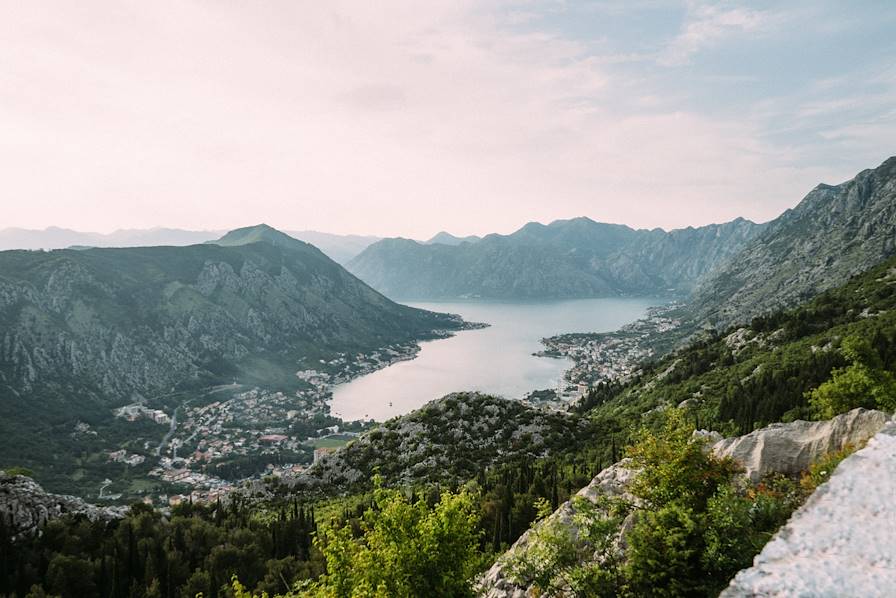
Depart for the Bay of Kotor, the deepest fjord in the Adriatic, where the shores stretch for nearly 30 km (19 miles) into the heart of the Orjen and Lovcen Mountains. The drive lets you take in the delightfully rural and untamed countryside. Halfway there, you will pass through the village of Bileca, which marks the border crossing and your return to Montenegro.
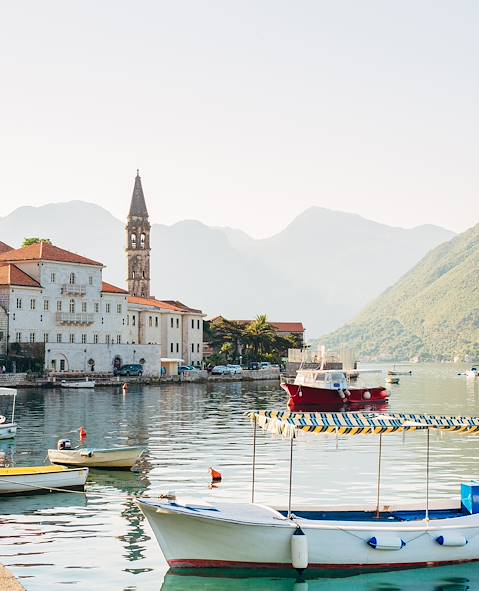
Arrive in Perast to stay two nights on the seafront promenade. The building dates back to the 17th century and its façade still displays features typical of the Baroque style that was fashionable at the time. The bedrooms are decorated in soothing tones that blend beautifully with the light stone of the interior and exterior walls. When the sun shines, enjoy your breakfast on the terrace and make the most of the property’s location on the seafront, just steps from the water.
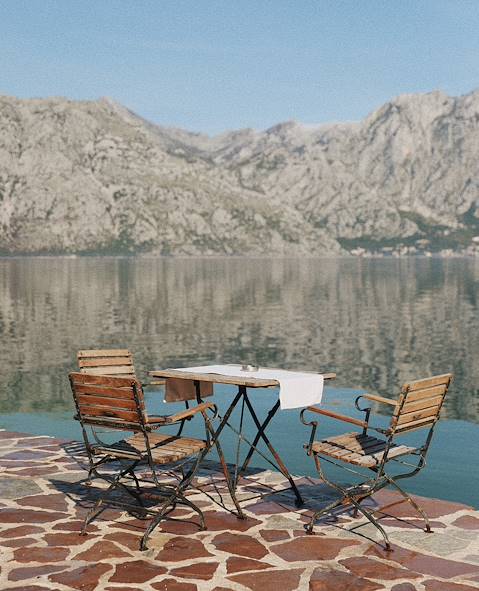
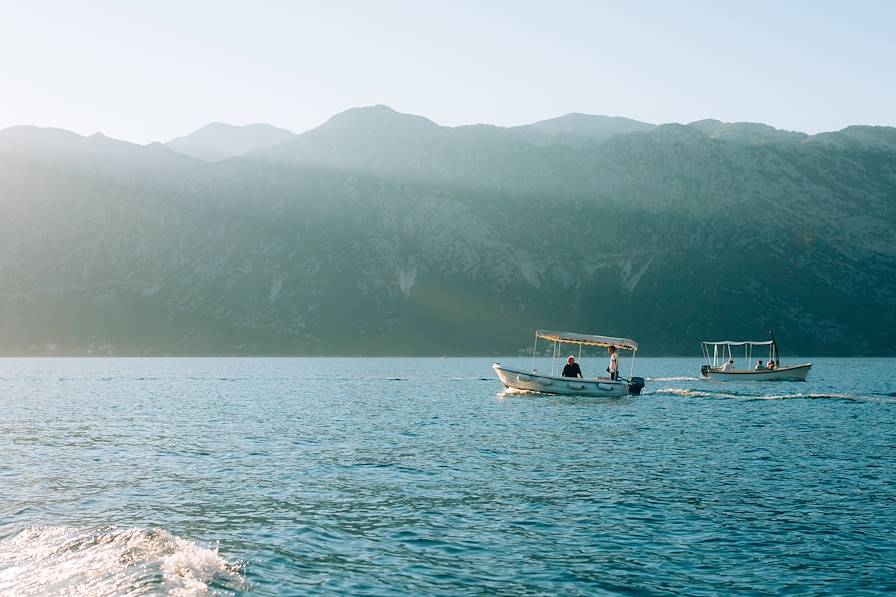
Explore the river mouths and hinterland on foot to reveal some delightful surprises. The small towns of Herceg Novi, Risan and Perast still reflect the importance of their maritime past, with some wonderful hidden spots where you can share octopus salad, baklava, or a jug of pomegranate juice. In the village of Baosici, southeast of Herceg Novi, is the house where the French writer Pierre Loti lived the Montenegrin romances retold in Pasquala Ivanovich. Cetinje, the country’s historic capital, and Lovcen National Park are a short drive away and are well worth visiting - the road from Kotor to the summit of Mount Lovcen provides marvellous views of the Dinaric Alps. Kotor itself is renowned for its medieval centre and miles of city walls. At the start of the First World War, French and Austrian guns thundered between Kotor and Mount Lovcen, until the Austrians successfully conquered the mountain. This turbulent past, now brimming with art, history and epic tales, no longer intimidates visitors, who quickly feel a connection with the region.
Optional - Cetinje with a private guide.
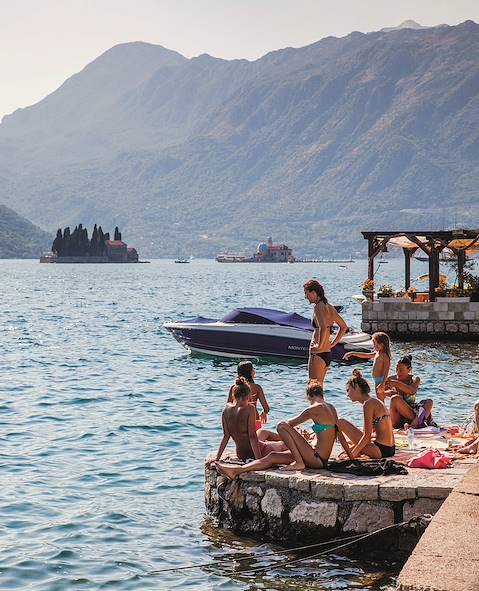
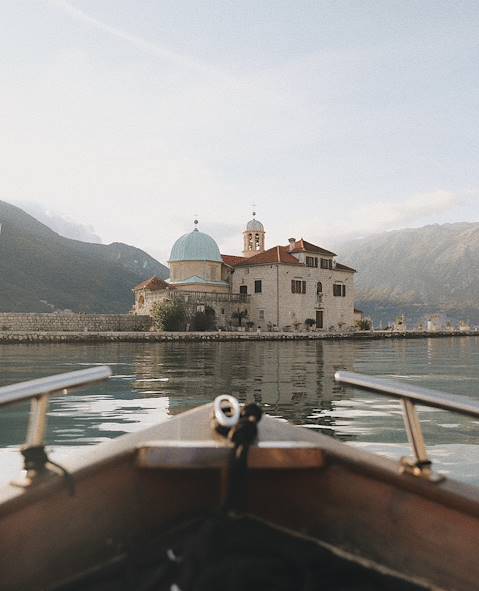
Included - the medieval towns of the Bay of Kotor, with a private guide. The village of Perast was plundered by pirates in the 17th century. And for good reason: it is home to 19 Baroque palaces and 17 Catholic churches, including St Nicholas Church, a true blend of religion and art. The tour continues to Our Lady of the Rock, an artificial island created in the middle of the bay in the 15th century for the construction of a Baroque church. Nestled deeper in the fjord, the medieval city of Kotor (also a UNESCO World Heritage Site), is surrounded by the sea, steep cliffs and a series of ramparts. The town has been shaped by many influences, including the Venetian presence between 1420 and 1797 that is still visible in some of the architecture. Over the centuries, it has been coveted, contested, and torn between peoples (including Turks, Austrians and Italians), resulting in a blended cultural heritage is a true treasure.
Drive to Podgorica airport to return your rental car and take your direct international flight home.
This suggested itinerary can be customisable down to the smallest detail, including duration, stops and content. An à la carte menu of experiences is also available to create a journey that reflects who you are.
Every day, our travel specialists craft bespoke experiences shaped around each traveller's profile, desires and budget. These passionate experts design experiences delivered on the ground by a local network of Concierges and trusted contacts. These fully customisable, made-to-measure trips are complemented by a wide range of high-end services (lounges, 24/7 assistance, travel booklet, app, Wi-Fi, restaurant booking, etc.)
Let us create your trip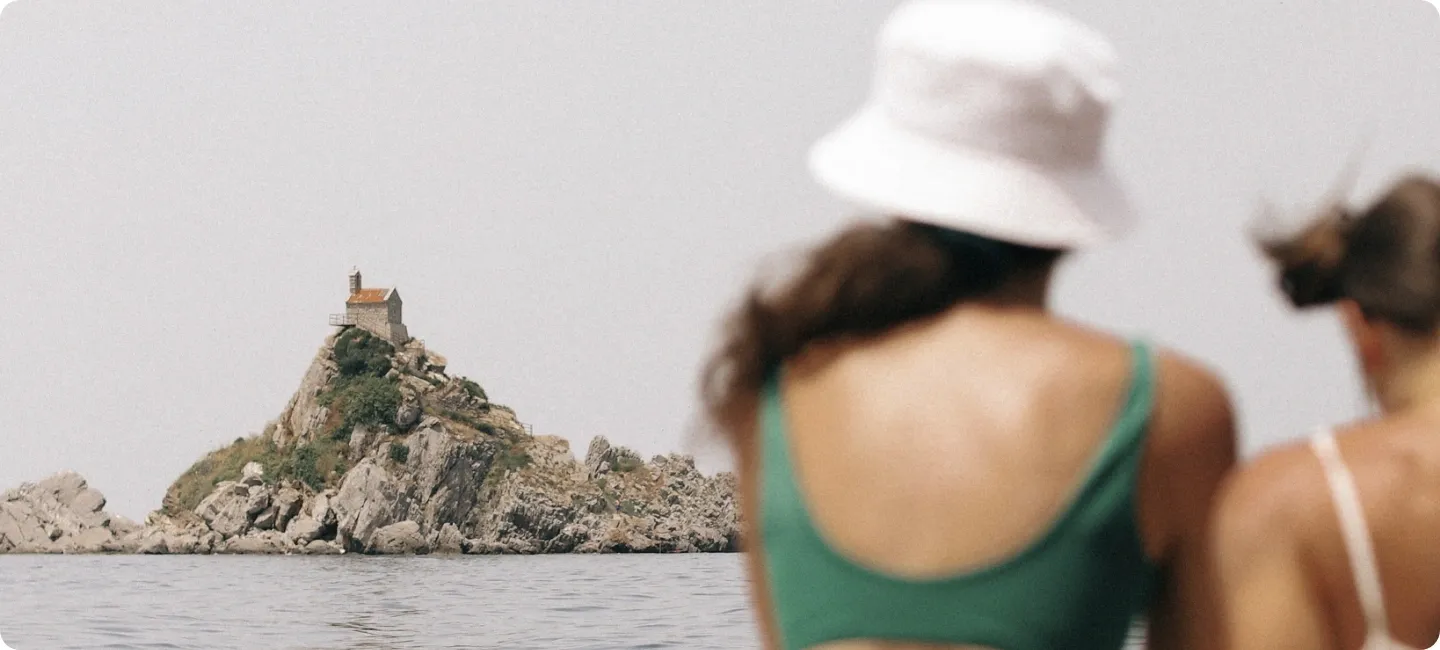
Every day, our travel specialists craft bespoke experiences shaped around each traveller's profile, desires and budget. These passionate experts design experiences delivered on the ground by a local network of Concierges and trusted contacts. These fully customisable, made-to-measure trips are complemented by a wide range of high-end services (lounges, 24/7 assistance, travel booklet, app, Wi-Fi, restaurant booking, etc.)
Let us create your trip
Travel with complete freedom, guided by your interests,
ideas and passions.
250 travel specialists, organised by country and region. Driven by a passion for beauty and never short of ideas, they inspire you and design an ultra-personalised journey: itineraries, accommodation, workshops, encounters, and more.
Always at your service: with a dedicated travel specialist, Concierge service and 24/7 assistance, our teams support you and adapt in real time, for a trip that is both flexible and expertly supported.
With family, as a couple, in a group of ten, on a road trip, by train, by boat, for a weekend or a round-the-world journey... Trips tailored to your preferences, enhanced by clever services, for ever smoother travel.