100% customisable travel idea
City Life, Nature and Water Grand Tour of South Korea
South Korea - Seoul - Gyeongju - Busan - Suncheon - Mokpo - Jeungdo
In the Land of the Morning Calm
Your Trip
The KTX (Korea Train Express) is a high-speed rail system par excellence. You’ll make three journeys on this practical, comfortable, fast train. For the rest of your trip, you’ll have a hire car to travel freely along the west coast, and a T-Money Card to get about on public transport. At every stop, your accommodation illustrates the excellent quality of hotels in Korea, with a consistently high standard of amenities, refined sense of aesthetics, and well-practised service. The properties have been chosen as places to recharge without losing the vibe of your journey. To add some memorable highlights to your trip, we have added a few carefully chosen activities to your itinerary, including Seoul and Busan with local guides, and tickets for a full day tour of Suncheon Bay. And if you have any concerns or last-minute requests along the way, you’ll have the contact details of our concierge service to assist you. They can also work with your travel specialist to make any desired changes to your trip along the way
Itinerary
100% customisable for you
Night on board, arrival the next day.
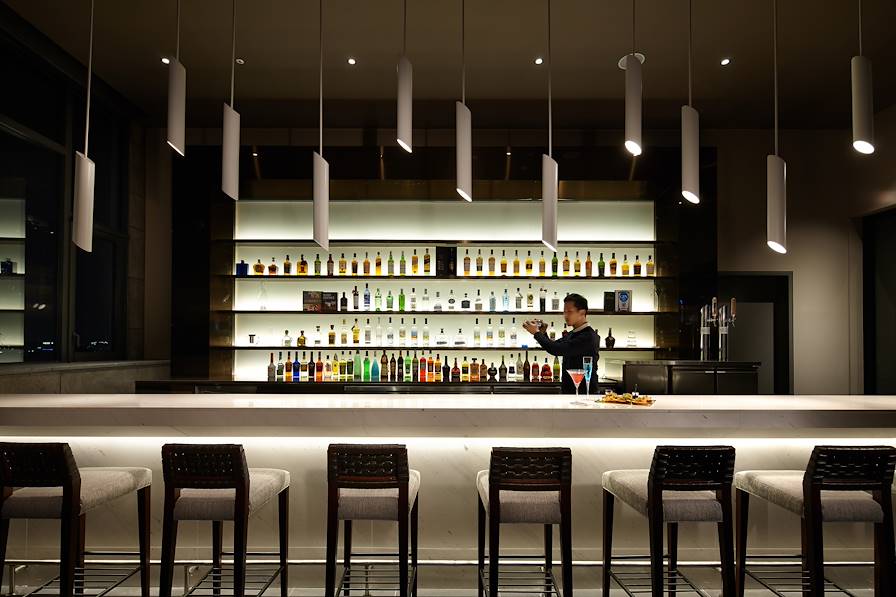
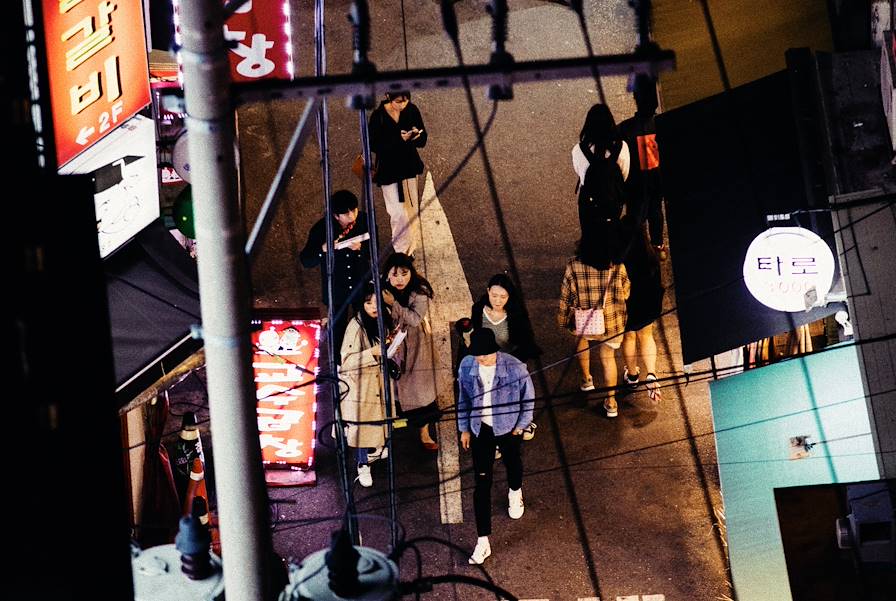
On arrival, private transfer to the commercial heart of the capital: Myeong-dong. Along the main avenue, hundreds of shops line your path, drawing a mixed and merry crowd. Overhead, signs and neon lights help you find your bearings, coming fully into their own after dark. Stay for two nights in one of the towers that shape the Seoul skyline. Inside, the cleverly arranged interiors have a modern design, highlighted with touches of yellow. The evening almost inevitably ends on the rooftop, soaking up the city lights.
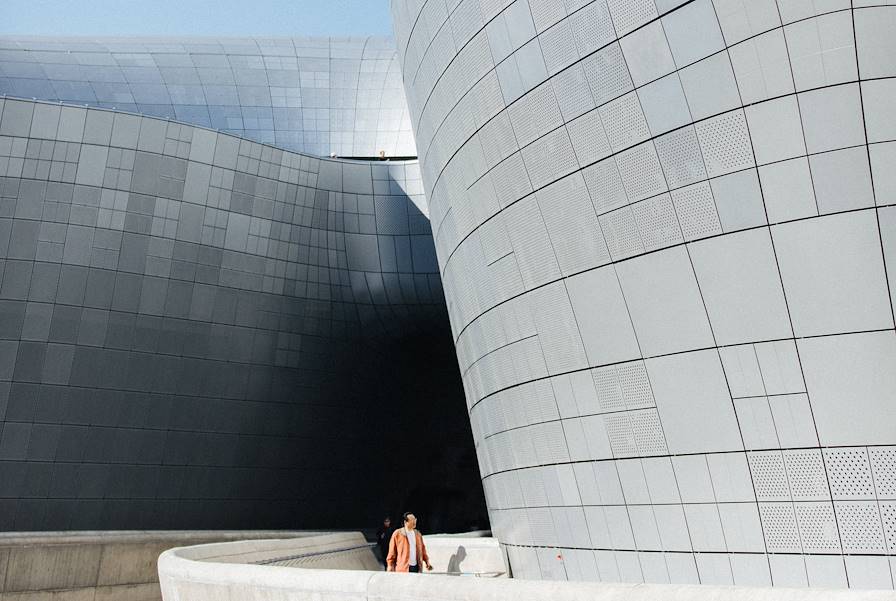
See and do - Check out Gyeongbokgung Palace for its phoenix quality: in the midst of a revival, it is steadily reclaiming its grandeur. Add Dongdaemun Design Plaza, Zaha Hadid’s futuristic, multi-purpose landmark. Together, they more than earn Seoul a place among East Asia’s most magnetic megacities. The city moves fast - very fast - in every direction: towards the past as much as the future. Everything is striking here: the ultra-modern, glittering Gangnam district; the 4-mile (6 km) Cheonggyecheon promenade; the stylish stretch of Garosu-gil; and the contemporary artists of the SeMA. There is also the tranquillity of the Jongmyo Confucian shrine and the royal tombs of the Joseon dynasty, both rightfully listed as UNESCO World Heritage sites. To make exploring easier, you have your T-Money card in your pocket - a must-have for public transport - and even for paying for certain purchases.
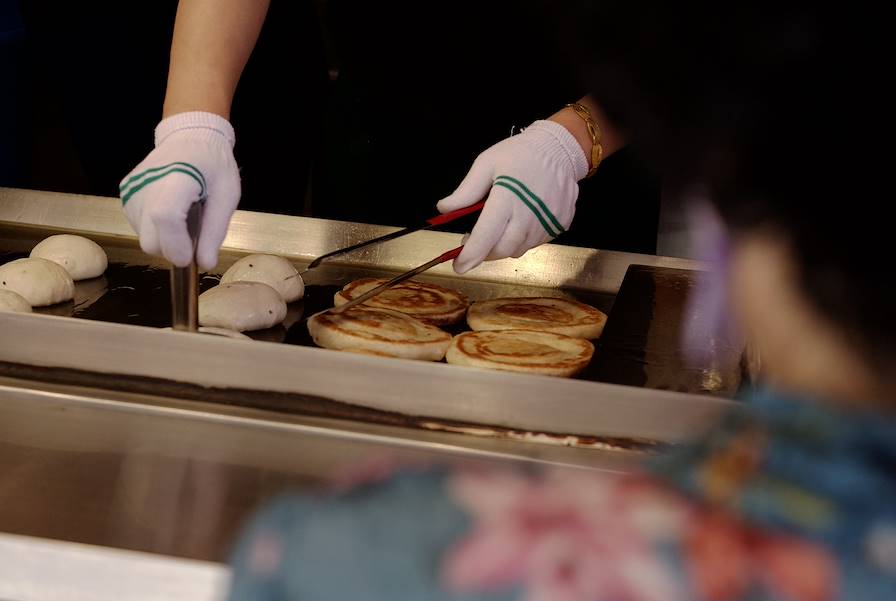
In your itinerary - Seoul with a local. Your guide, who has been living in the city for several years, introduces you to the Korean way of life. The idea is to adjust your curiosity to the pace and ways of the capital. You meet, exchange a few ideas - interests, cravings, current obsessions - then set off and see where it takes you. If shopping is on the mind, the surrounding streets provide endless opportunities. Prefer a panoramic Seoul? Head up to the 778-foot (237 m) N Seoul Tower for a breathtaking big-sky view. Along the way, taste your way through the city: tteokbokki (rice cakes in spicy sauce), odeng (fishcake skewers), gyeranppang (egg bread) and the ever-popular kimbap (Korea’s take on a maki roll).
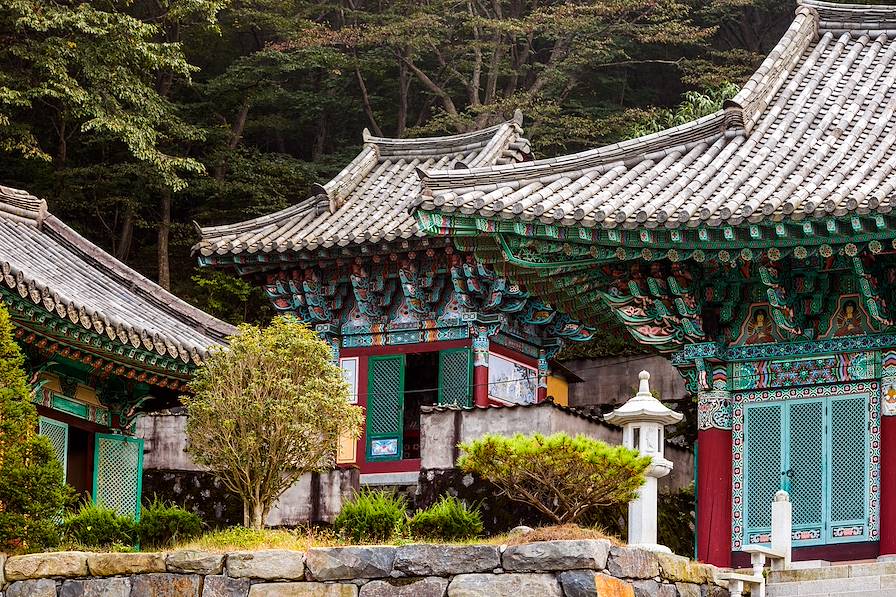
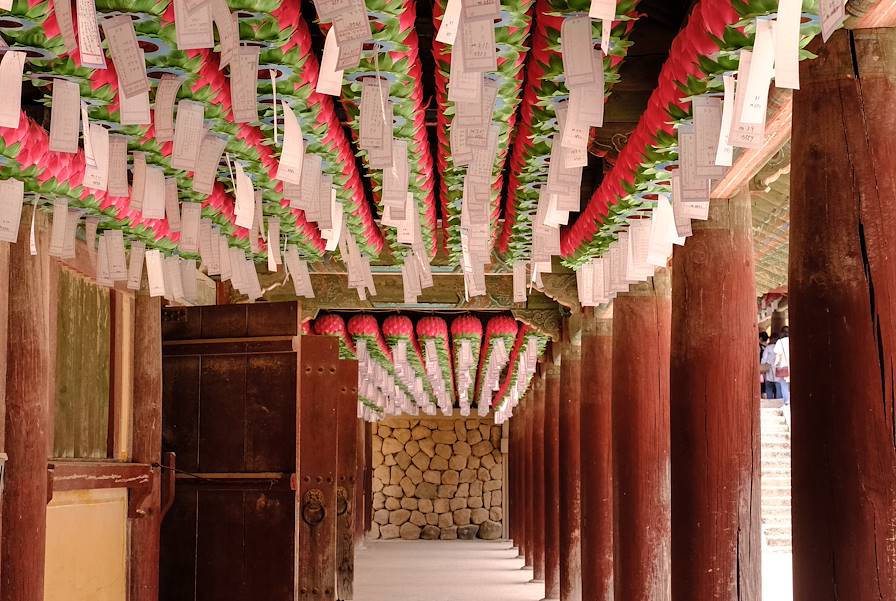
Korean Train Express (KTX) to Gyeongju. The museum-city owes much to its status as the capital of the Silla kingdom, a role it held for nearly a millennium, until around the year 1000. To take in a broad sweep of that history, stroll through the National Museum, home to fine collections from the golden age, including ceramics, Buddhist objects and sculpture. Even more monumental are Seokguram Grotto, featuring a magnificent statue of Buddha, and Bulguksa Temple - both listed as UNESCO World Heritage sites. In the valley, countless small hills form gentle curves. These seemingly natural mounds are actually tumuli - tombs of kings and queens - once again inherited from the Silla period.
Check in for a one-night stay in a lively neighbourhood, just a few steps from the bus station. Behind thick windows, some rooms feature contemporary décor, while others opt for a more traditional style - much like the city itself.
Another KTX ride brings you to Busan. Set on the south-east of the peninsula, it is Korea’s second largest city. Due to its coastal position on the Sea of Japan, this major South Korean port has long been a point of contact with neighbouring Japan. Unsurprisingly, you'll find a renowned fish market there, and plenty of picturesque scenery, especially along the coast. Stay for two nights in a convenient hotel, ideally located near the fish market and public transport.
Already included - Busan in the footsteps of a local. Enjoy a meeting with a local who will show you their city based on your preferences and ideas. Museum lovers will find some unexpected options here, such as the Kiswire Museum - an impressive architectural achievement - and the Trickeye Museum, a temple to cable that brings augmented reality to the city. Beomeosa Temple, founded in 678, is one of the region's best known and offers panoramic views over Busan. Haeundae Beach is the local Copacabana - perfect for claiming a patch of sun. Taejongdae Park, meanwhile, follows the sea, dotted with striking rock formations. And finally, the local culinary specialities are not to be missed: raw mackerel, fish croquettes and seafood tortillas. As the country’s leading fishing port, Busan has no shortage of ingredients to inspire its cooks.
Bus to Suncheon. From one coastal city to another, the route weaves between mountains. On arrival, check in for a two-night stay at a modern, comfortable accommodation. Rooms combine city views with sleek design, softened by neutral tones and natural materials. Once again, the rooftop delivers - what better way to take in the city? The city centre is easy to reach by public transport.
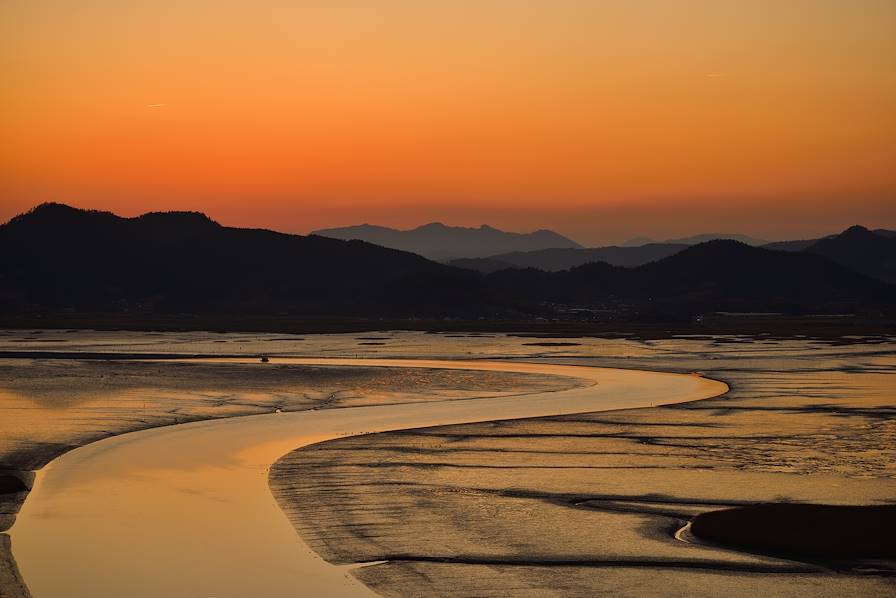
Already included - Tickets for Suncheon Bay, south of the city. This protected 8.5-square-mile (22 km²) wetland is an exceptional setting. No fewer than 140 bird species migrate here each year. A wooden walkway marks the passage into another world, where Korea’s largest reed field stretches out. Herons and storks disappear into the branches. The climb to Yongsan is a must, especially at sunset. From here, a vertiginous landscape unfolds at your feet, as the waterway snakes towards the sea below.
Suncheon is fifty shades of green. Sage in the bay, which forms one of the world’s largest marshlands. Bottle-green in gardens where flowers bloom year-round. And emerald in the mountains, terraced with plantations. Pick up your rental car and set off to explore the region.
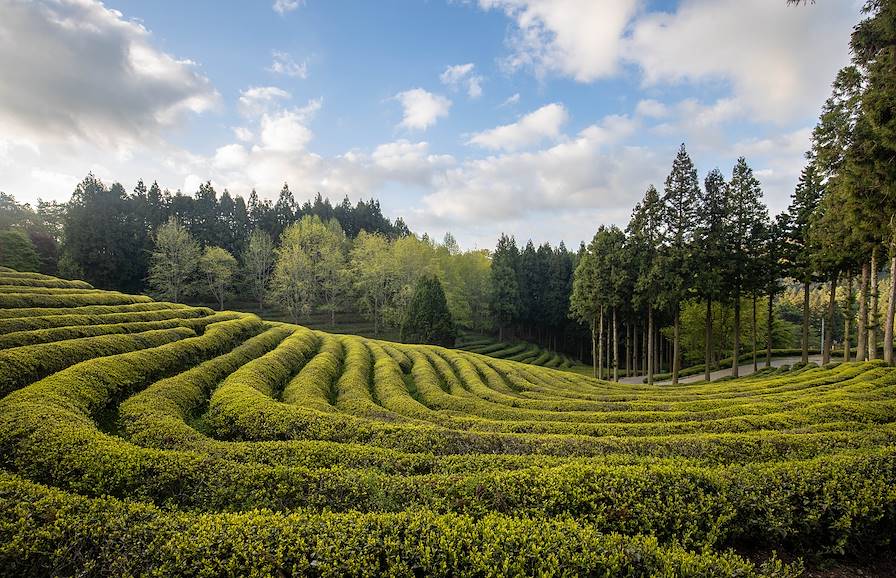
Not to be missed - Southeast of Suncheon, Boseong’s tea plantations line the hillsides. After a tentative start in the 1930s under Japanese rule, tea growing fell away following Japan’s defeat in the Second World War. In the 1950s, Korean entrepreneurs picked up where they had left off. Today, the region produces around 40% of the country’s tea. To reach the site, you travel along one of Korea’s most beautiful roads, lined with centuries-old cedars. On the way back, stop at Naganeupseong, a cultural detour. Built under the Joseon dynasty, it was immediately enclosed by imposing walls - around 10 feet (3 m) thick and 0.9 miles (1.4 km) long - a necessity in a region frequently raided by Japan. At the entrance, the jangseung, wooden totems with intimidating faces, add another layer of deterrence. Around 300 people still live in this traditionally built village. Under the eaves, residents quietly get on with their crafts, unhurried and unbothered.
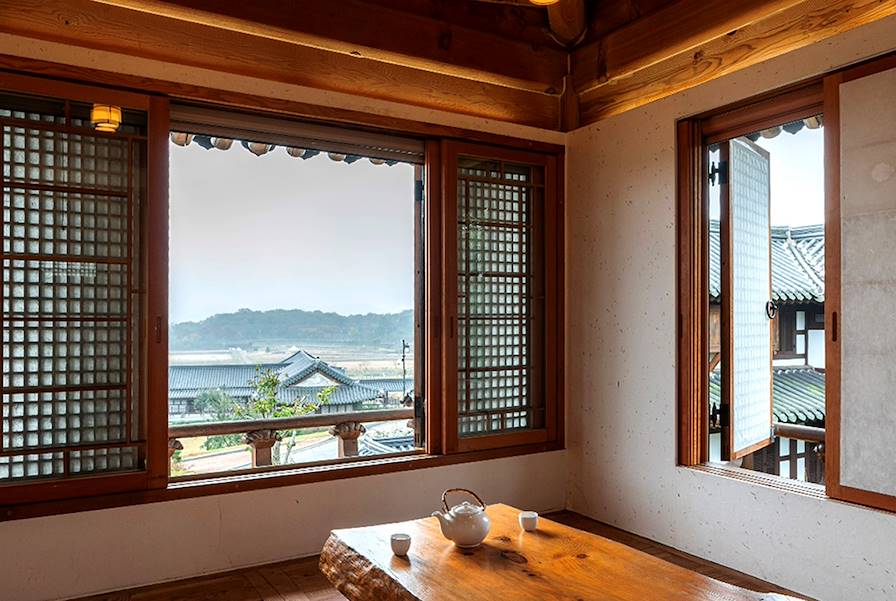
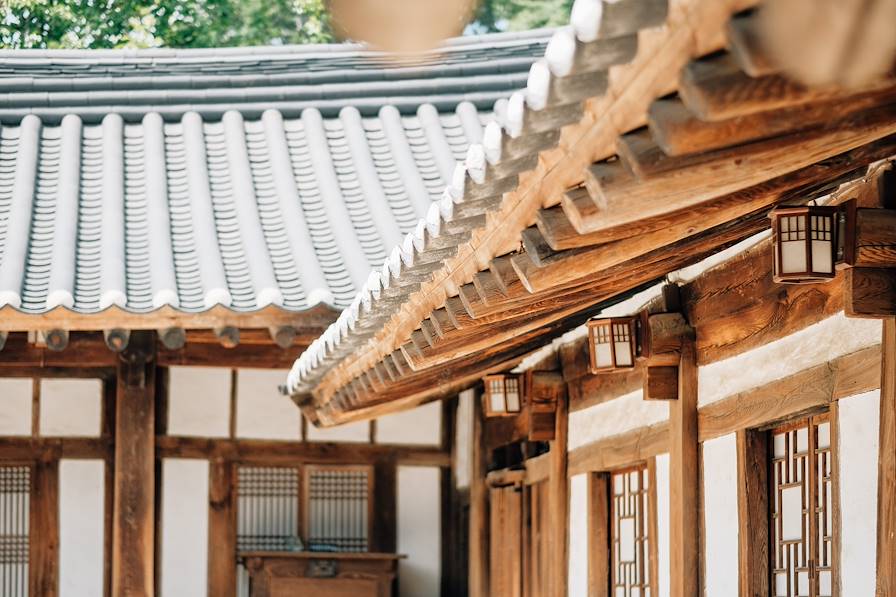
It is time to leave Suncheon. Before you do, take a little time to explore Jogyesan Provincial Park, just outside town. The park hides lovely temples, in its wild, tangled forest - Seonamsa and Songgwangsa, in particular, are well worth the detour. Then, head west to reach Mokpo. Settle in for the night on the other side of the water, in a cluster of traditional hanoks. The setting helps make it special: wind moves through the branches; the gentle lapping of water can be heard from the riverside; insects stitch their sounds into the air. The bedding is laid directly on the floor, as centuries of tradition demand. In the morning, the hotel stays true to form with a breakfast of local flavours.
See and do - Peaceful, laid-back Mokpo is turned entirely towards the sea. The Maritime Museum displays shipwrecks - some dating back to the 11th century - and many objects recovered from the deep. Walk towards Yudal Beach via the Soyogeong and Nakjodae pavilions. Nearby, Yudalsan Park offers panoramic views over the sea and the islands of the Dadohae Maritime National Park. Traditional fishing is still practised on the larger islands.
Drive to Jeungdo Island, in the heart of the Sinan archipelago. Through the windows, the landscape is constantly shifting - the road hopping from island to island via impressively engineered causeways. On arrival, settle in for two nights at a modern hotel on the shore. The guest rooms, set across a series of low buildings, are simple and functional. In the restaurant, Korean flavours are paired with expertly crafted international cuisine. Water is the theme here: pool, thermal baths and, of course, the beach just a short walk away.
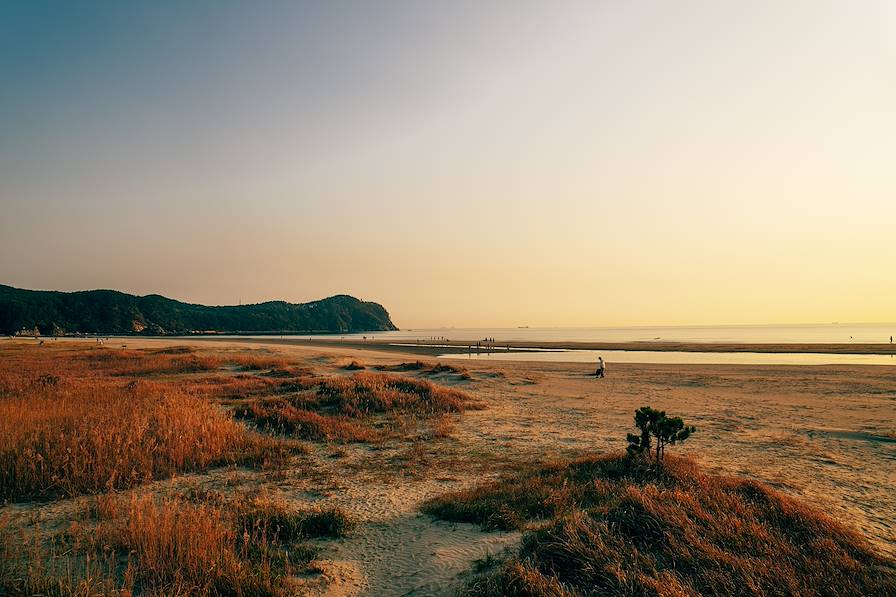
The first Asian city to be awarded the “Slow City” label in 2008, Jeungdo is a celebration of unhurried living. Though connected to the mainland by a bridge, the island still feels calm, almost suspended in time. Its history is closely tied to the production of salt. Even today, the Taepyeong salt farm remains the largest in Korea. A two-mile (3 km) path - with the Salt Museum hidden at its far end - runs alongside salt marshes stretching as far as the eye can see. Opposite, Yeomsaeng Botanical Garden shelters the hardy plant species that thrive in this iodine-rich environment. Ujeon Beach - especially beautiful at sunset - lies beyond the Hanbando forest, home to around 100,000 maritime pines.
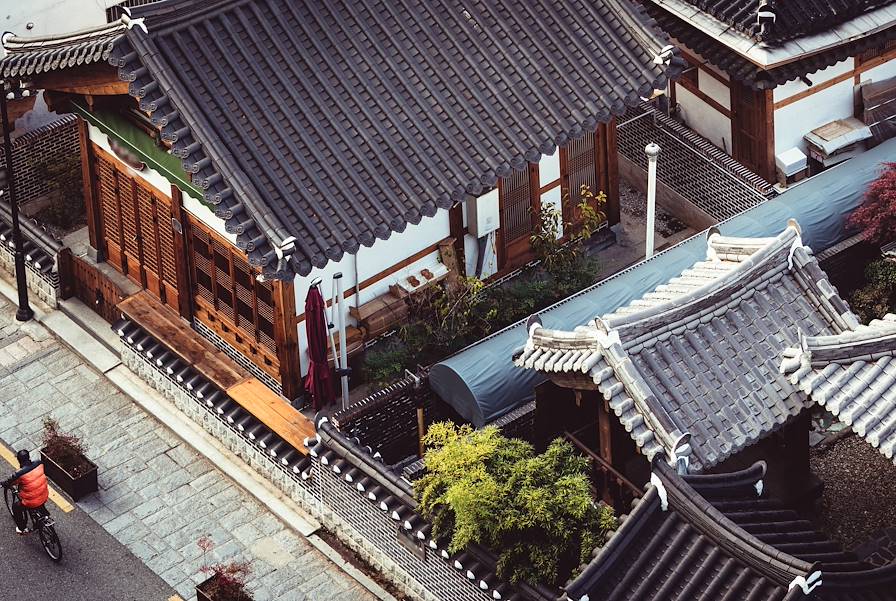
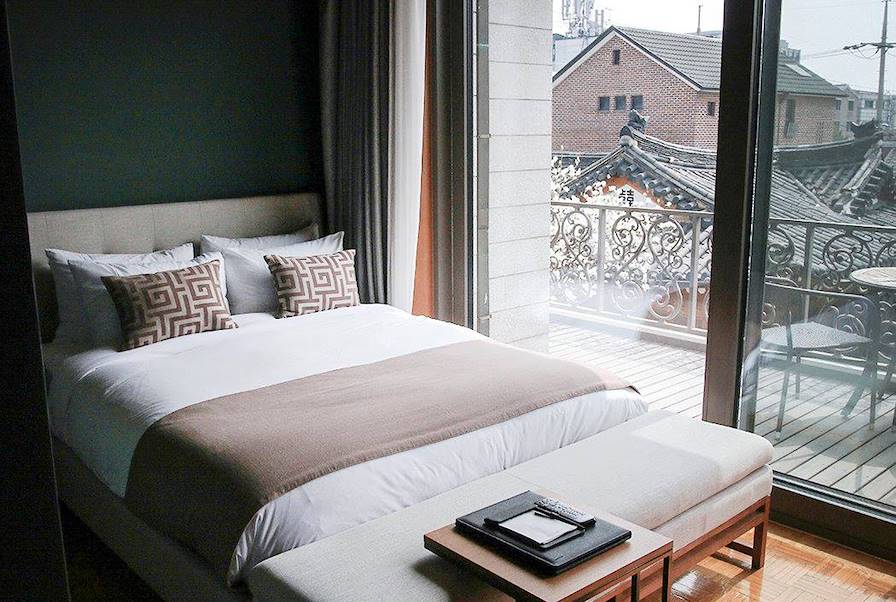
Return to Mokpo, drop off the rental car and take the KTX train back to Seoul. For this final night in Korea, you stay in Bukchon, famous for its concentration of traditional hanoks. Yours comes with a pleasant garden. Inside, the floor mattress has been swapped for a cosy bed - a necessary compromise for this last night before the flight.
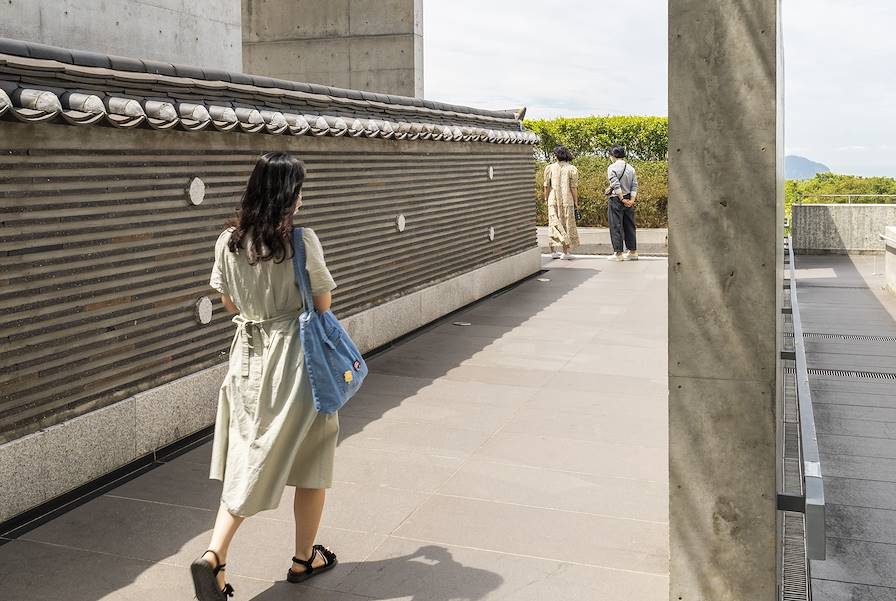
See and do on the last day - Browse the galleries of Insa-dong; meet young Koreans in Hongdae; follow barbecue aromas to Gwangjang Market; explore Korean art in the city’s museums. In short: walk, smell, observe - until you've had your fill of Seoul.
Private transfer to the airport and international return flight.
À la carte
This suggested itinerary can be customisable down to the smallest detail, including duration, stops and content. An à la carte menu of experiences is also available to create a journey that reflects who you are.
Add a few more days to…
Set sail for Jeju Island
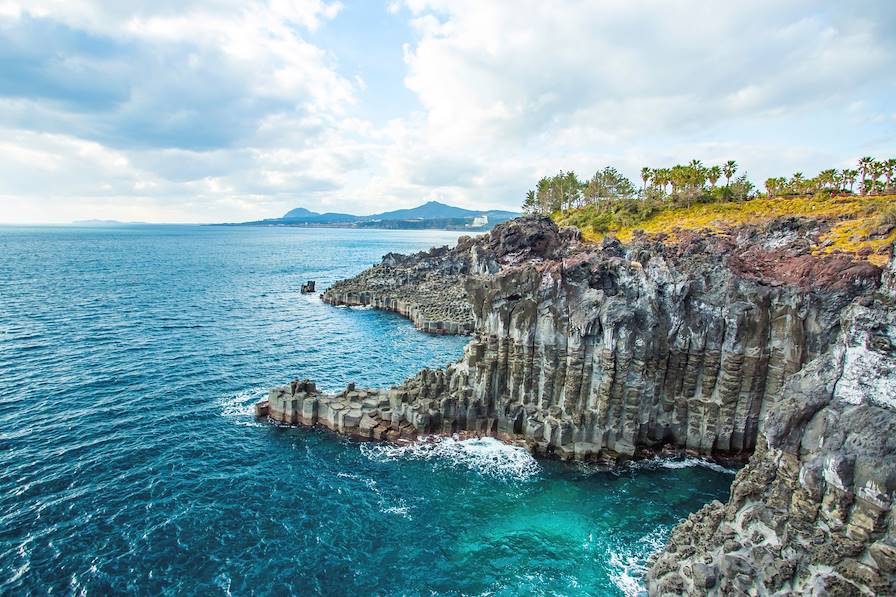
Jeju, the largest island in South Korea, carefully preserves the last remaining hectares of subtropical forest that once covered Asia, from the Himalaya to Japan. Sycamore maples, Mongolian oaks and Japanese snowbells spread their branches above this 800,000-year-old volcanic realm. It is a natural gem encased in basalt columns, pierced with exceptional lava tunnels, and embellished with emerald lakes and cascades. At the foot of Cheonjiyeon Waterfall, newlyweds traditionally pay tribute to Samda-do, “the land of three abundances”. These include an abundance of stone, not just underground, but also the Dol Hareubang (Stone Grandfathers) - statues who protect the villages - and the low stone walls sheltering the island’s orchards from another of Jeju’s abundances: the wind, which sweeps over thatched roofs and dances through the prayer ribbons. A small paradise for hikers, Jeju also conceals beautiful, white sandy beaches. These are yet another surprise, given the expectations set by the rest of the countryside.
Stop Over in Jeonju
Before leaving North Jeolla Province for Seoul, we recommend making a detour via Jeonju. Capital of the Joseon dynasty, which ruled the country from the 14th to late-19th century, Jeonju is also the culinary capital of South Korea and birthplace of one of the country’s most popular dishes, bibimbap (there is even an annual festival dedicated to it). With this in mind, don’t miss Nambu Market that opens on Friday and Saturday evenings, and is full of street food stalls and bars. Other Jeonju highlights include Hanok Maeul, a village where the hanoks (traditional wooden houses) have been converted into cafes, shops and galleries. Jirisan National Park is a premier hiking destination featuring the highest peaks on the mainland.
Why visit South Korea with Voyageurs du monde?
Every day, our travel specialists craft bespoke experiences shaped around each traveller's profile, desires and budget. These passionate experts design experiences delivered on the ground by a local network of Concierges and trusted contacts. These fully customisable, made-to-measure trips are complemented by a wide range of high-end services (lounges, 24/7 assistance, travel booklet, app, Wi-Fi, restaurant booking, etc.)
Let us create your tripA few of the advantages of travelling with us to South Korea
- Globally unique concierge service
- Wi-Fi: 1 GB/day included
- Gourmet Voyageurs
- Adjust your trip while travelling
- 24-hour assistance
- CO2 absorption