100% customisable travel idea
From Beijing to Lhasa Imperial China and Majestic Tibet
China - Beijing - Lhasa - Tsetang - Gyantse - Shigatse
Dragons and Wind Horses
Your Trip
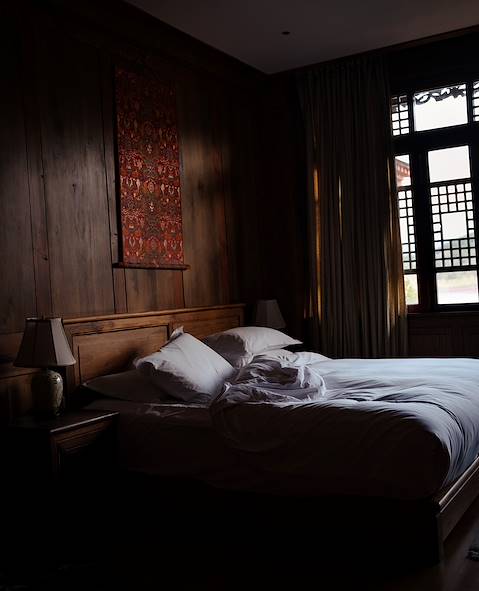
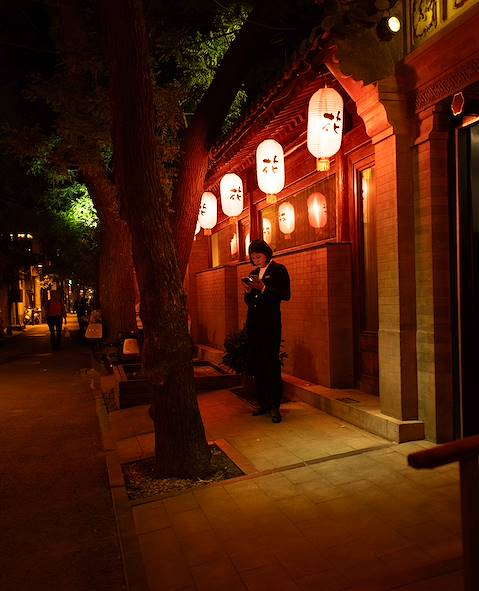
You will find the standard of your accommodation fairly consistent as, in Tibet, things are improving in this regard. Located in a restored hutong (alleyway) in Beijing, your accommodation here is unsurprisingly pleasant. And in Lhasa, too, it’s very pretty, if we do say so ourselves. Elsewhere, your accommodation is perfectly acceptable. Professionalism is taking hold, and a more haphazard approach is becoming a thing of the past. And Tibet’s recovery is benefiting from it. Apart from necessary flights, your travel is arranged with a private driver and, in Tibet, a private English-speaking guide. At each location, specific guides are available wherever necessary. From the Forbidden City to the Potala Palace, from the great monasteries to the caves of southern Tibet, the tours included in your itinerary will take you to places steeped in history, art and symbolism. These visits will shed some light on the long twists and turns of Chinese-Tibetan relations. And what can we say about the magnificent landscapes you will travel through? The pace of your journey has been carefully thought-out so that the trip has rhythm, but is not a race against the clock. Everywhere you go, you’ll always have time to take in your environment and soak up the spirit of the place. So make the most of it! In Lhasa, you’ll gently adapt to the altitude. After that, it comes naturally. And if, along the way, you have any concerns or last-minute requests, you’ll have the contact details of our on-site concierge service to assist you.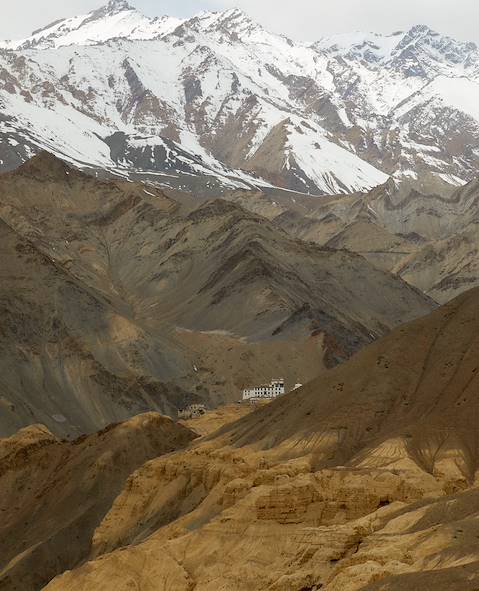
Itinerary
100% customisable for you
Night on board, arrival the next day.
Private transfer with a guide. Stay for three nights in the centuries-old Yanle hutong. So here we are in what remains of old Beijing. In the siheyuan (the residence), the buildings are traditionally arranged around a square courtyard. There are grey tones, as you’d expect. The entire property has been tastefully restored. Your spacious room is well equipped and comfortable. It combines traditional patterns with foreign influences, yet the atmosphere remains unmistakably Beijing. At the right times, it is quite pleasant to spend time in the courtyard or on the rooftop terrace (at a moderate altitude). On site, there’s a restaurant: Chinese cuisine, you can start without delay. There is also a bar. To tour around the neighbourhood, the establishment rents out bicycles.
Optional - The Temple of Heaven.
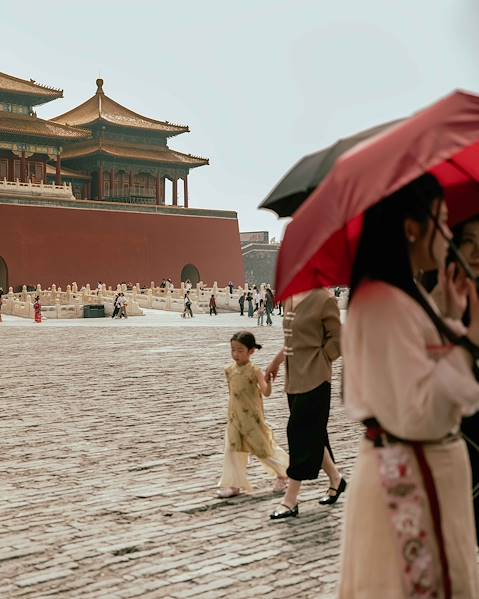
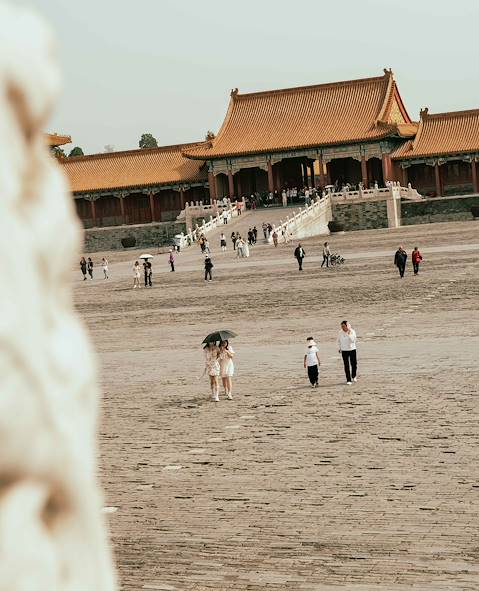
Scheduled - Tian’anmen Square and the Forbidden City. The very large esplanade can be a little disorienting. Let’s see, there is the Gate of Heavenly Peace, Mao’s Mausoleum and the Monument to the People’s Heroes, but it is helpful for the private guide to remind visitors of the major events that took place here: the May Fourth Movement in 1919, the proclamation of the People’s Republic on 1 October 1949, the launch of the Cultural Revolution on 18 August 1966. And others - no less important. The crowds, whether mobilised or self-mobilising, gather in Tian’anmen Square. The Forbidden City is no longer off limits. The former imperial palace is now a museum, whose purpose is to recall the greatness of Chinese civilisation. Through the scale, nobility and coherence of its design, and the splendour of its collections, it achieves this with ease. The nerve centre of the Ming and Qing empires, yet also a world unto itself, it is an achievement whose full significance is difficult to grasp. It retains much of its mystery, offering visitors the chance to let their imagination run free.Optional - Peking-style roast duck.
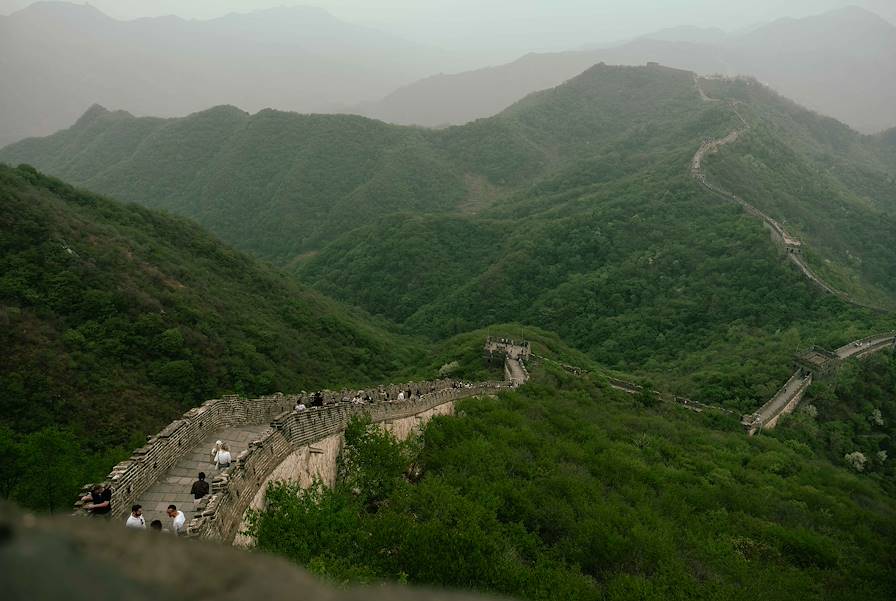
Scheduled - the Great Wall at Mutianyu. A trip to the Great Wall with a private driver. 70 km (140 li) northwest of Beijing, the Mutianyu section is one of the best built and preserved - easily accessible by cable car. In its current form, it dates from the 16th century, during the Ming dynasty. Once you have climbed up to the ramparts, stroll along; from the watchtowers, you can take in the rolling landscape and the dense forest cover, which no doubt made it easy for barbarian incursions. There’s no invasion to fear today, so you can head back on a wheeled cart down a long slide. You may notice that the engineers who designed it crenellated the wall on the outside, and on the inside as well. It’s striking to think that the security barriers concerned the people they protected just as much as the people they protected against!
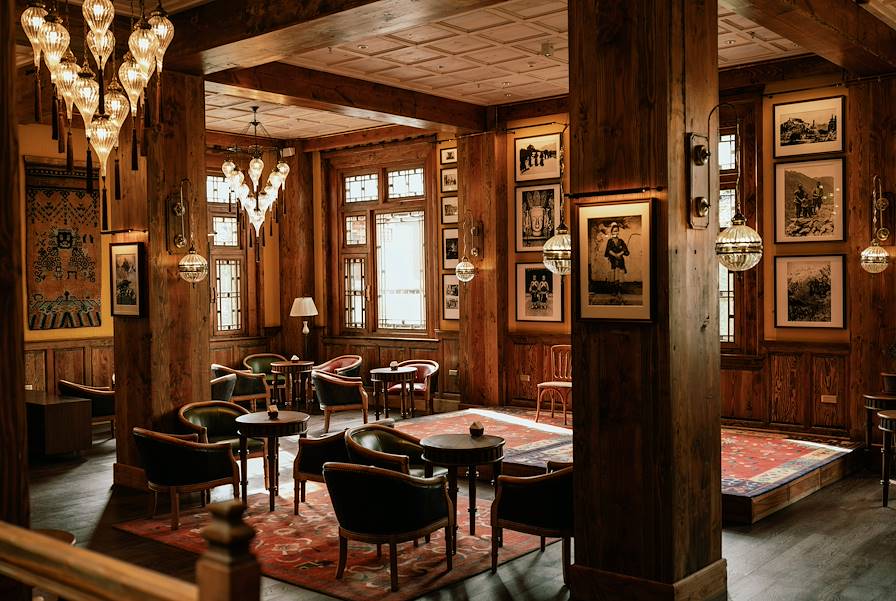
Private transfer to the airport. Flight to Lhasa, 3,650 metres (11,975 feet). After another private transfer, you’ll check in for three nights at a hotel overlooking the Potala. It seems to draw some of its inspiration from it. Here you’ll find what feels like a showcase of Tibetan arts and crafts, starting with beautiful woodwork, metalwork and weaving. It sets the tone. It establishes an aesthetic. The rooms are well equipped and comfortable. The balance between tradition and modern influences holds. A carefully maintained floor is, by the way, the most pleasant surface possible. The tones are natural (in the common areas, the palette is more vibrant). The in-house restaurant primarily serves Tibetan cuisine - a delicious chance to try, for example, the famous yak sausage or Tibetan tartare.
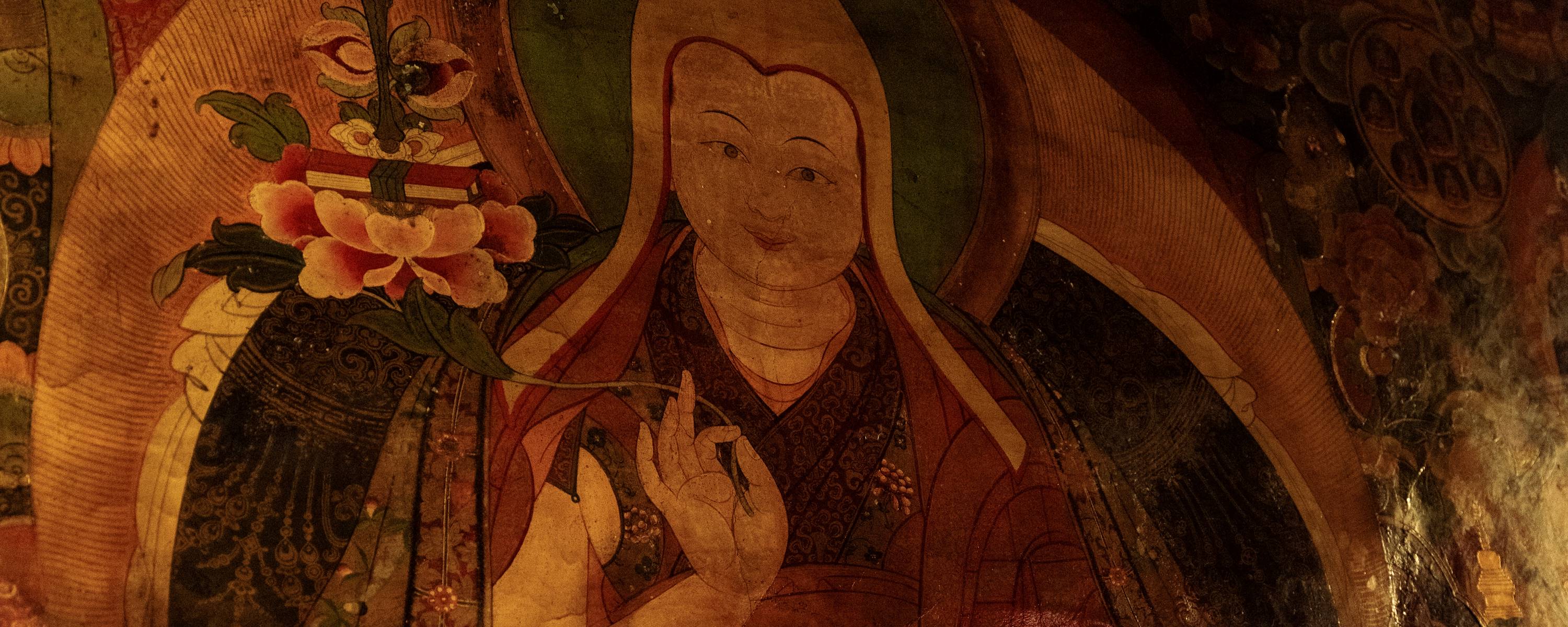
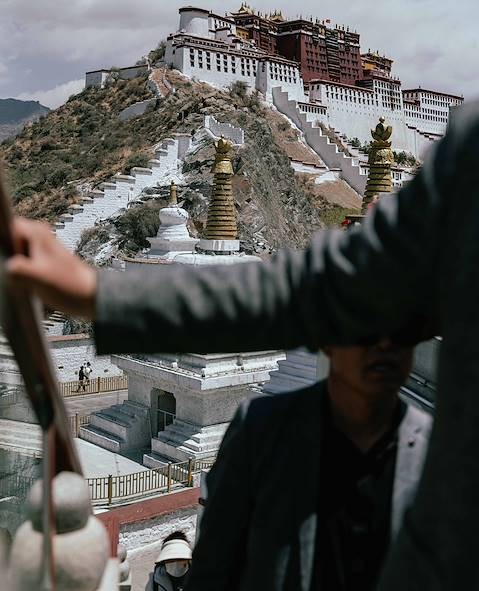
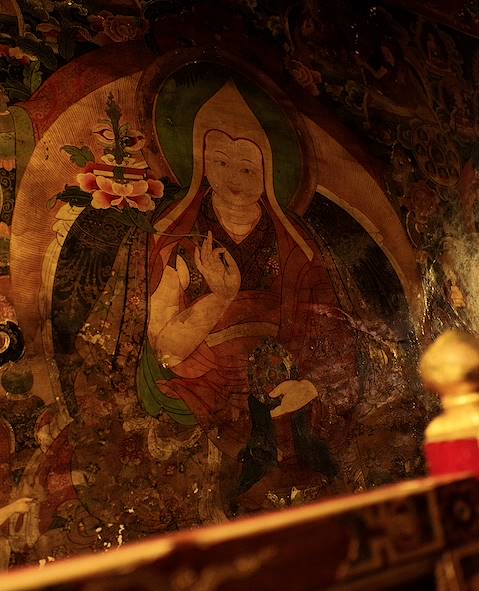
Scheduled - The Potala, in private. The two main features of the world-famous fortress overlooking Lhasa are the White Palace and the Red Palace. The Dalai Lamas lived in the first, which also housed the civil branches of the government. The second, a maze of chapels and libraries, was used for religious activities. Despite the hardships, the Potala still holds artistic wonders. Some remarkable tankas, in particular. Visiting this masterpiece of Himalayan architecture is particularly moving and, much like the Palace of Versailles, invites you to reflect on politics, the arts and the sacred. Following in the footsteps of pilgrims, you’ll head to Mount Chakpori (where a major monastic school of traditional medicine was established) to admire ancient polychrome sculptures. As for the Norbulingka, it is a complex of gardens, palaces and temples, with construction beginning in 1751. The estate served as the summer residence of the Dalai Lamas until the departure of Tenzin Gyatso in 1959. Pools, groves, orchards: the most pleasant spot in Lhasa. A private English-speaking guide will accompany you throughout the day.
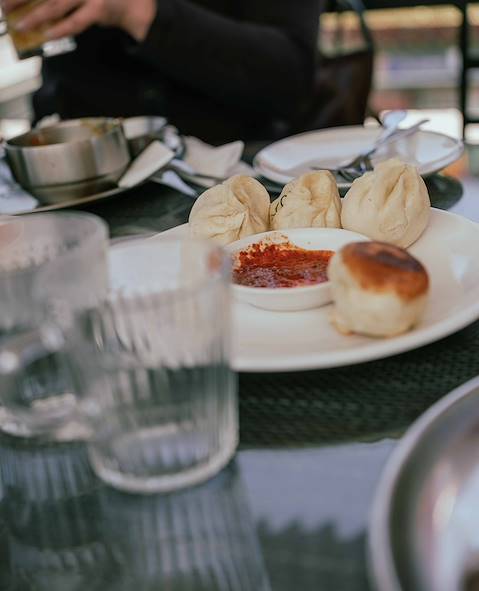
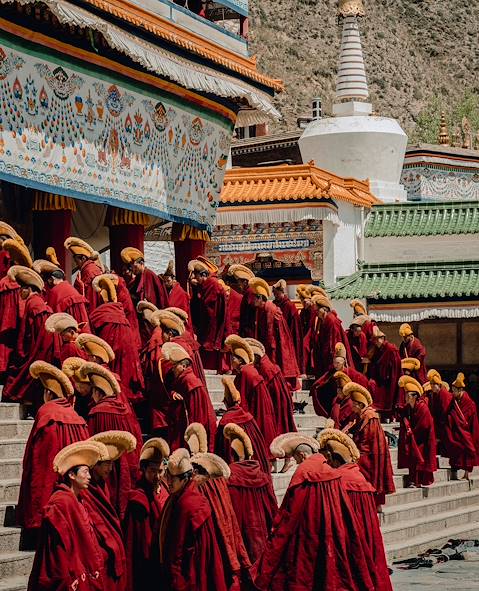
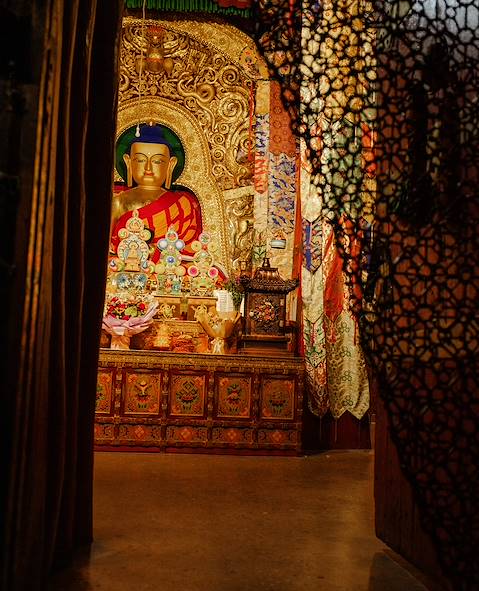
Scheduled - The Jokhang, in private. The Jokhang, the first Buddhist temple established in Tibet, is a major pilgrimage. It houses a Jowo Sakyamuni, a gilded bronze statue of the adolescent Buddha. It was brought by one of King Songtsen Gampo’s wives: either the Chinese Wencheng or the Nepalese Bhrikuti, who co-founded the monastery in the 7th century. Next, we’ll meet Buddhist nuns with green thumbs, judging by the delightful flowers in their convent. They run a small restaurant, where it’s pleasant to drink tea and enjoy momos, the Tibetan dumplings. Well refreshed, we’ll head to Sera Monastery, a renowned 15th-century Gelugpa college. The monks still practise a disputatio there, which cannot help but recall the debates held in medieval European universities. A private English-speaking guide will accompany you throughout the day.
Private transfer to Tsetang, 3,100 metres (10,170 feet). Located 160 km (99 miles) southeast of Lhasa, in the upper Yarlung Tsangpo/Brahmaputra valley, this city is the former capital of the Yarlung dynasty - from the 2nd century BC to the 9th century AD - during which the first contacts between Tibet and Buddhism took place. During this journey to the origins of the State, you’ll visit the Yumbu Lhakhang, once a royal residence and later a Gelugpa monastery. Damaged during the Cultural Revolution, it was restored in the 1980s. You can also see the venerable Tradruk Monastery, which holds, among other treasures, a thangka that Princess Wencheng is said to have embroidered with pearls by hand.You’ll then stay for two nights in a modern establishment. The style is Sino-international with Tibetan décor. The rooms are well equipped and comfortable.
Scheduled - Meditation caves and Samyé Monastery. Today’s tours focus on one of the roots of Tibetan Buddhism: Padmasambhava. This Pakistani guru, invited to Tibet by King Trisong Detsen around 750, is said to have had the Buddhist scriptures translated into Tibetan. He is also said to have meditated in one of the caves visitors can tour. Where monks still retreat to prepare themselves for compassion. Samyé was reportedly founded by Padmasambhava. This led to the Nyingma tantric school. It is built in the shape of a mandala, a representation of the cosmos. The main temple - symbolising the mythical Mount Meru - forms the axis. In this remarkable building, Indian, Tibetan and Chinese styles are layered upon one another. At the entrance, a stele of Trisong Detsen proclaims the year the temple was completed and that Buddhism is the state religion. It is said that it was here that Tibet chose the Indian gradualist path rather than Chan illuminationism. A private English-speaking guide will accompany you throughout the day.
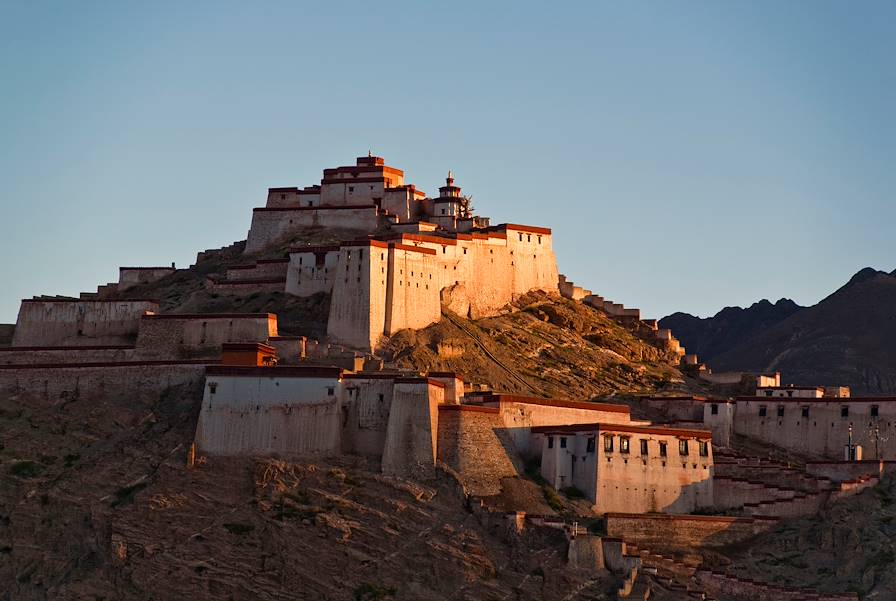
Private transfer to Gyantse, 3,977 metres. We’ll cross two mountain passes: Gampa-La, at 4,794 metres, rises above the blue waters of Lake Yamdrok-Tso, and Karo-La, at 5,020 metres, offers breathtaking views of the Noijin Kangsang massif. On the way, visit Drukpa Ralung Monastery, founded in the 12th century. Red bonnets. It was the 18th abbot of Ralung, Ngawang Namgyal, who, in the 17th century, laid the foundations of the state of Bhutan. In Gyantse, the old streets at the foot of the dzong - the fortress - are well worth a stroll. You’ll spend the night in a modern hotel, where the Tibetan style embraces décor. The common areas are gleaming. The rooms are more reasonably priced, well equipped and comfortable.
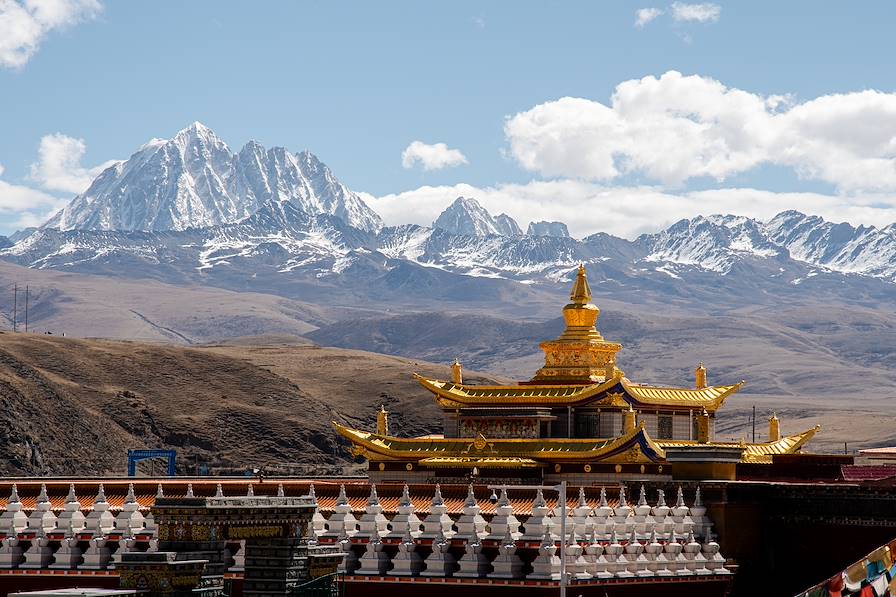
Before leaving Gyantse, we’ll visit Palcho Monastery, home to the largest kumbum in the country. This 15th-century stupa, built in the Nepalese style, contains 77 chapels decorated with a splendid set of mural paintings. The monastery also has a tanka wall, where monumental paintings are displayed in summer. Private transfer to Shigatse, 3,836 m (12,585 ft). Overnight stay in a recently built establishment. The décor has remained tasteful, even though it embraces bold colours and neo-traditional carved wood. The rooms are comfortable, each adorned with paintings illustrating the Tibetan-Mongolian epic of King Gesar. The restaurant’s menu is eclectic, but pleasantly so. You’ll find a nice tea house on the roof of the establishment. And the service is truly attentive. Scheduled - a visit to Tashilhunpo Monastery. The first Dalai Lama founded Tashilhunpo in 1447. The abbots were named panchen, or great scholars. The line of reincarnation of the Panchen Lamas begins with the fifteenth, in the 17th century. Since then, they have held the second place in the Tibetan politico-religious hierarchy. The sacred artworks preserved here often rival those seen at the Potala. We’ll follow the lingkhor, the devotional path, to walk around the monastery. We’ll also stop at a market, which is not overrun with Chinese manufactured goods, and at a carpet workshop. A private guide will accompany the excursion.
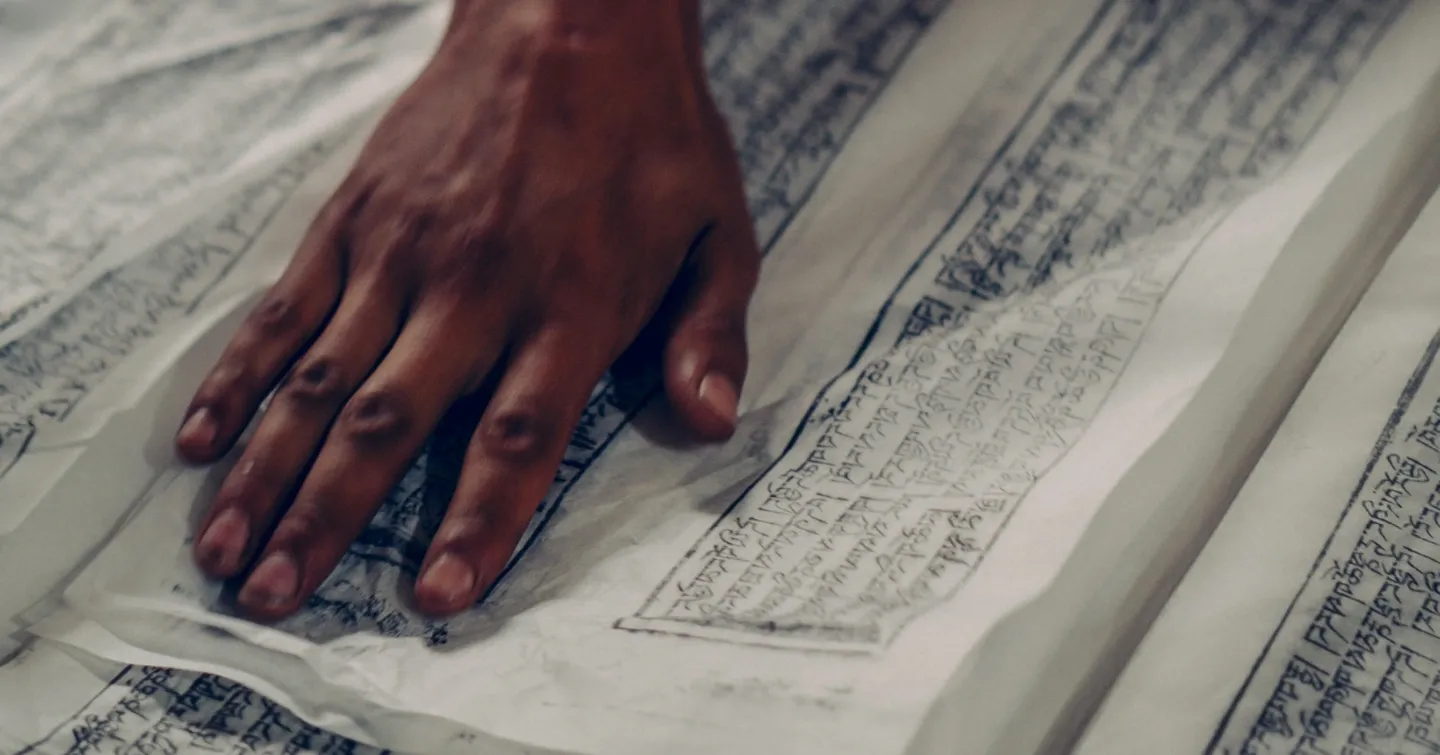
Upon leaving Shigatse, you’ll visit the remains of Narthang Monastery, founded in the 12th century. It is an iconic site of the political upheavals of the 20th century. During the Cultural Revolution, the Red Guards dismantled what had for centuries been the main printing house of the Buddhist canon in Tibetan. The Little Red Book swept away a treasure trove of woodblock prints.Private transfer to Lhasa. You’ll stay for two nights at the arrival hotel.
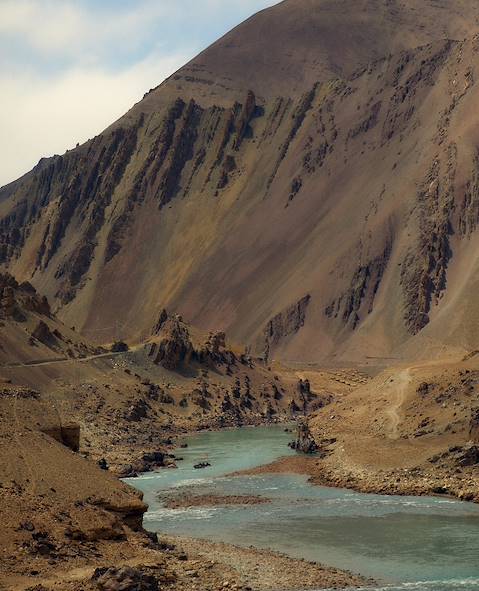
Scheduled - Drak Yerpa. The Yerpa Valley, just northeast of Lhasa, is charged with spiritual energy. The earliest cave arrangements for meditation are thought to be pre-Buddhist. Over time, hermitages, temples and convents multiplied. All phases of Tibetan Buddhism’s history have echoed here. In fact, the founding legends of the national religion stopped here. With its backdrop of high mountains, the sweeping valley, winding limestone, small villages, herds of yaks and surviving or new monasteries, it is also a magnificent Tibetan landscape. Undoubtedly, it’s one of the reasons you came here. A private English-speaking guide will accompany you throughout the day.
Private transfer to the airport. You’ll fly to Beijing, then fly back. Night on board, arrival the next day.
À la carte
This suggested itinerary can be customisable down to the smallest detail, including duration, stops and content. An à la carte menu of experiences is also available to create a journey that reflects who you are.
The Temple of Heaven in Beijing
Built in the 15th century during the Ming dynasty, the Temple of Heaven is undoubtedly the imperial sanctuary par excellence. Bestowed with the Mandate of Heaven, the Emperor was established as the intermediary between Heaven and Earth, and was therefore responsible for harmonising the two - a harmony that would manifest in a good harvest. You will enter China by the Royal Road that links the airport with Xuanwu. Immediately immersed in the atmosphere, any tiredness from the flight will be swept away by the majesty of the large rotundas on their marble terraces.Peking Duck
We can all agree that some dishes improve when they travel. But that’s not the case with Peking Duck. It is a culture, a craft, an atmosphere. Here, the atmosphere is half-traditional, half-industrial. This brings clarity. The craft is a legacy to those who prove themselves worthy. Culture spans everything from the meat to table manners. You therefore have to eat this dish - in the capital, please! - so that you can talk about it. Why do we have to? Just as you have to eat sauerkraut in Strasbourg, callos in Madrid and currywurst in Berlin. It’s the done thing. So, we’ll book a table for you.Add a few extra days to visit Everest Base Camp
On departure from Shigatse, you can reach Everest Base Camp in a suitable vehicle. The adventure is therefore not just for climbers. You’re guaranteed breathtaking mountain scenery and a feeling of being truly on top of the world. It’s an experience you don’t want to miss when you are so close by. Along the way, you can visit the highest monastery in Tibet: Rongbuk. Founded at the beginning of the 20th century, the monks here have been praying for reckless climbers to return from their ascending madness for a long time.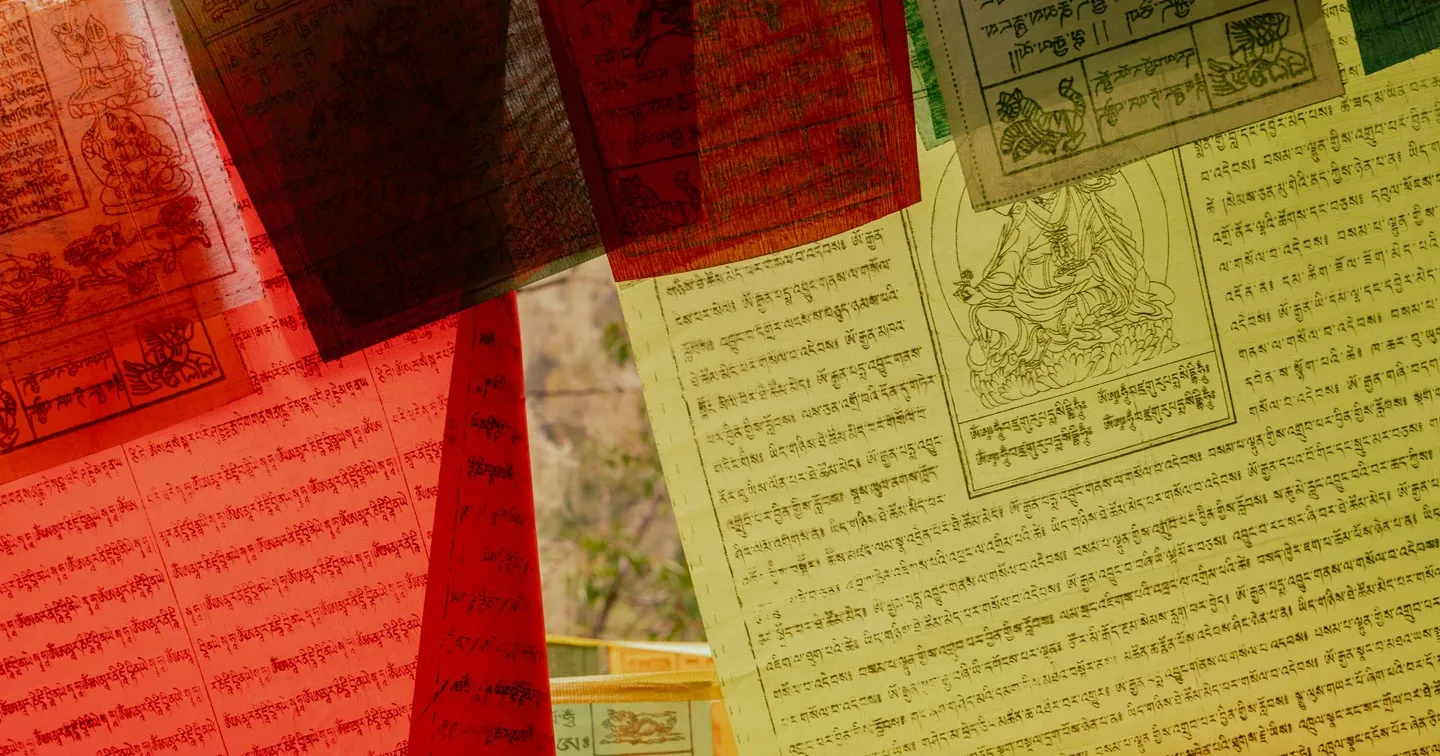
Why visit China with Voyageurs du monde?
Every day, our travel specialists craft bespoke experiences shaped around each traveller's profile, desires and budget. These passionate experts design experiences delivered on the ground by a local network of Concierges and trusted contacts. These fully customisable, made-to-measure trips are complemented by a wide range of high-end services (lounges, 24/7 assistance, travel booklet, app, Wi-Fi, restaurant booking, etc.)
Let us create your tripA few of the advantages of travelling with us to China
- Globally unique concierge service
- Gourmet Voyageurs
- Adjust your trip while travelling
- 24-hour assistance
- CO2 absorption
Why visit Tibet with Voyageurs du monde?
Every day, our travel specialists craft bespoke experiences shaped around each traveller's profile, desires and budget. These passionate experts design experiences delivered on the ground by a local network of Concierges and trusted contacts. These fully customisable, made-to-measure trips are complemented by a wide range of high-end services (lounges, 24/7 assistance, travel booklet, app, Wi-Fi, restaurant booking, etc.)
Let us create your trip