100% customisable travel idea
Siwa, Alexandria and Cairo Between cities and desert, another perspective on Egypt
Egypt - Cairo - Alexandria - Marsa Matrouh - Siwa - El Alamein
North-Western Egypt
Your trip
Two exceptional establishments: one upscale, and two by the sea. Here is the schedule for your nights. The first are, in the heart of Cairo, an historic houseboat on the Nile and, in Siwa Oasis, a remarkable Saharan eco-lodge built entirely from salt stone and lit only by candlelight - undoubtedly one of the most private and exceptional places in the world. Each of them will be remembered for a long time to come. In Alexandria, a Belle Époque extravaganza on the Grand Port. And direct beach access at Marsa Matrouh and El Alamein. In harmony with the spirit of the place. All transfers are done by private car with a driver, and the roads are good. You are accompanied by a guide or our representatives for all scheduled transfers and activities. These offer in-depth insights into these regions, which are less frequented than the Nile Valley. Whether it is the mystical desert, Alexandrian heritage, or the unique culture of the oases, the quality of your guides forms your direct link with the reality of Egypt. Perhaps you would like to stay a little longer in Cairo? You’d simply need to let us know. And if, along the way, an unexpected wish or a minor setback arises, you have the contact details of our on-site Concierge service to assist.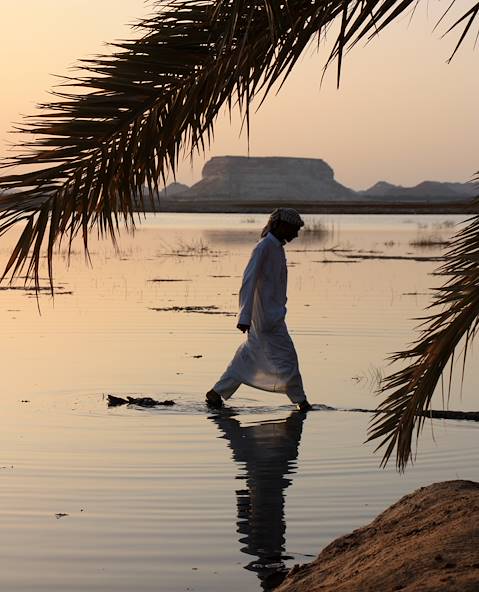
Itinerary
100% customisable for you
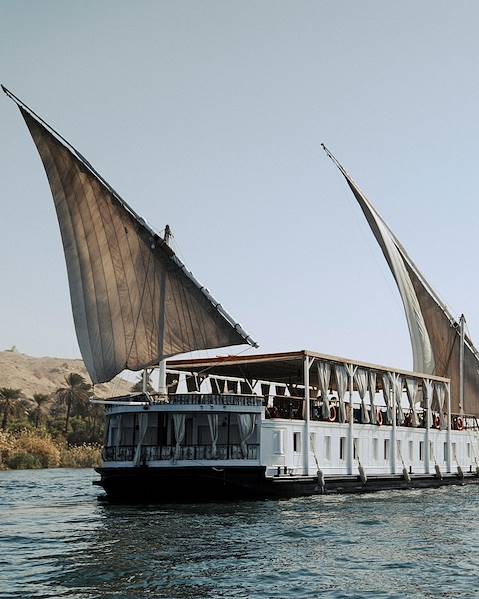
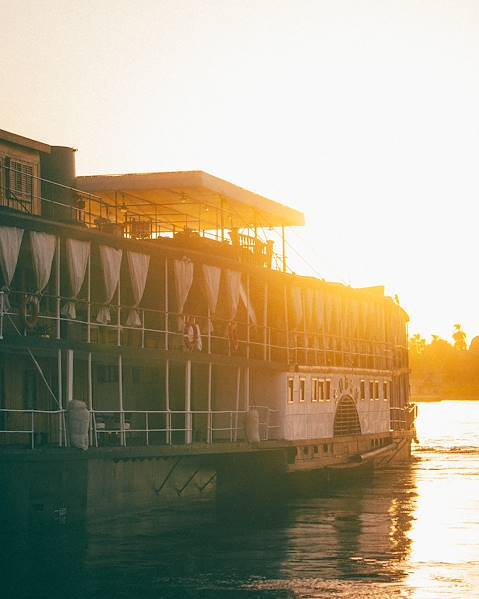
Welcome and assistance with the formalities. A private transfer takes you to the heart of Cairo and the banks of the Nile. Settle into your houseboat close to Zamalek. These houseboats are part of Cairo’s legend and picturesque character. Nevertheless, the authorities decided that their time had come to an end. Restoring and transforming this landmark is a significant gesture. Standing firmly on its barge, it has regained all its charm of the Roaring Twenties - in white with green trim. The rooms open onto galleries overlooking the Nile and old Cairo. The wood they are made from is the main decorative element and creates an atmosphere somewhere between a cabin and a chalet. They are also perfectly equipped, comfortable and spacious. The terrace and winter garden also have a unique charm - you could spend your whole stay there, surrounded by vintage Orientalist touches and melancholic reflections, or rereading Naguib Mahfouz’s “Adrift on the Nile”. At last, the city awaits us…
Optional extra - Cairo by night, with friends.
In your itinerary - Meet your private guide and driver. Drive through the desert to Alexandria. Along the way, you come across the Wadi El Natrun, which has been a major centre of Coptic cenobitism since Saint Macarius the Great - one of the leading figures of the Apophthegmata Patrum in the 4th century. The valley once had around fifty monasteries. Today, only four remain, but they stand as faithful witnesses to a long history.
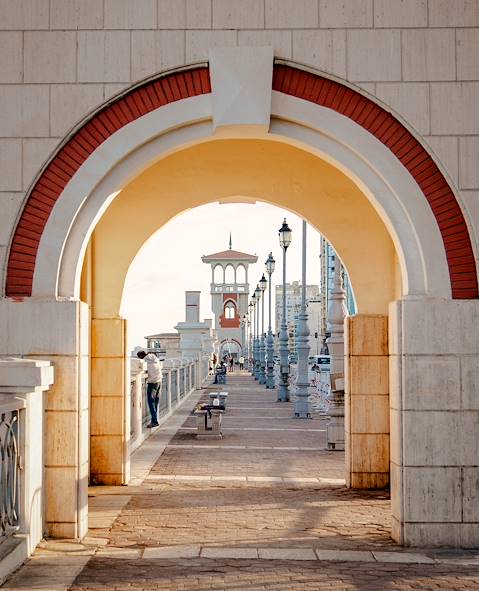
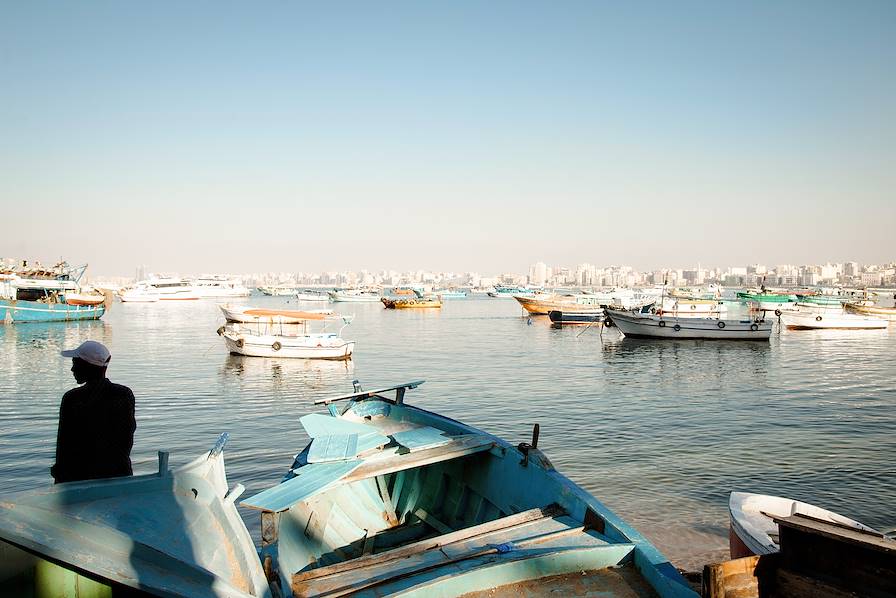
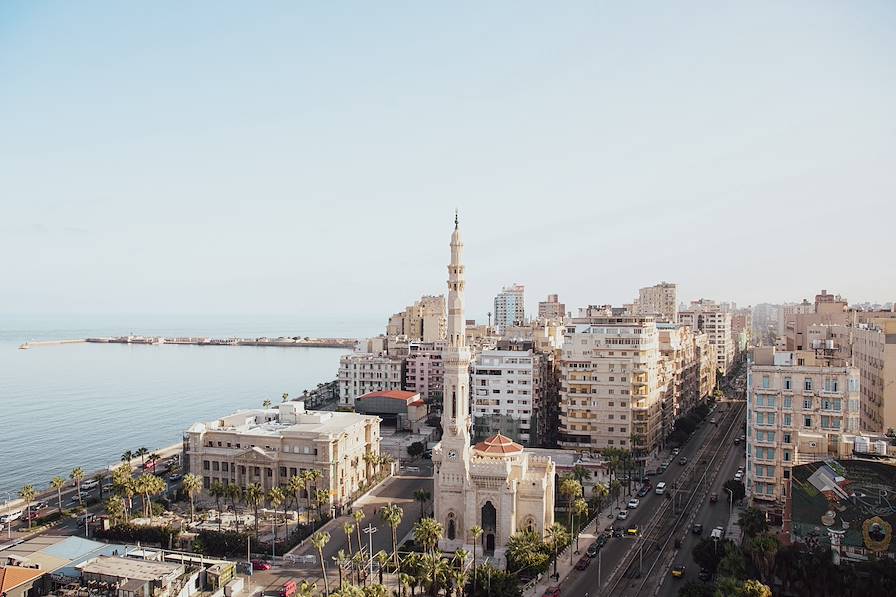
In Alexandria, settle on the waterfront, in an establishment opened in 1906. The renovation has restored its grandeur and decor: wall fabrics, drapes, tie-back curtains, decorative rugs, Pullman bedding and matching furniture. This is the repertoire of old-school high-end establishments, in which the service is equal to its standing. The same is true of the restaurants, bars and cafes. There’s no room for minimalism here.
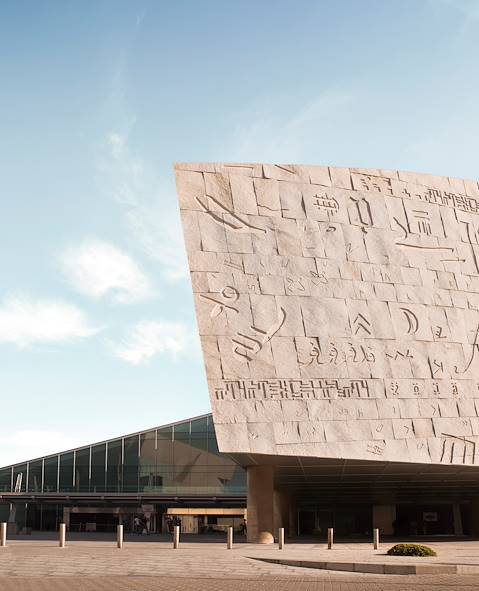
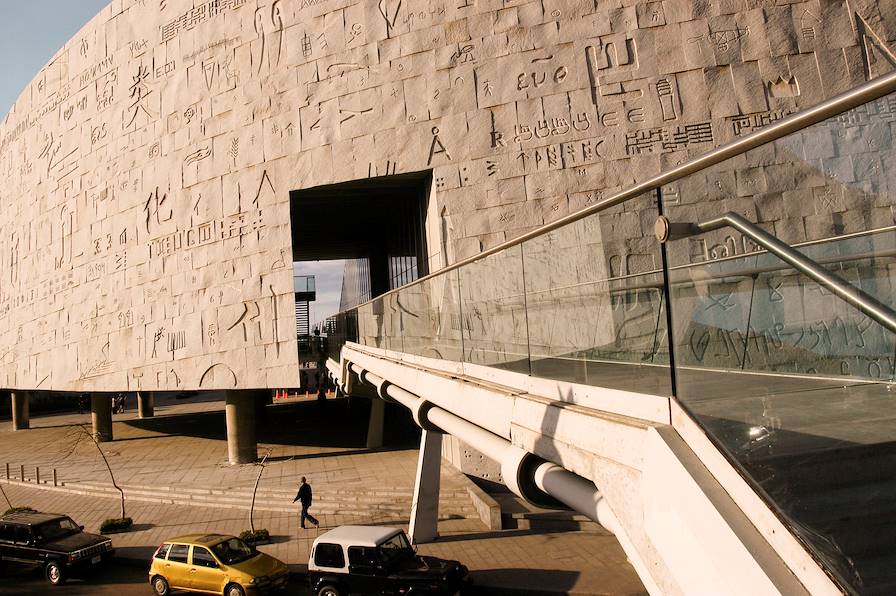
Already planned - the Library of Alexandria. It was Demetrius of Phalerum, a disciple of Aristotle, who, in the 3rd century BCE took the initiative to create this great institution of antiquity. It brought together all the knowledge of the time. Liquidated in the 12th century, it later became a Mediterranean myth. The present-day Bibliotheca Alexandrina, supported by UNESCO, is the heir to this project of universal knowledge. This is not so much through an all-encompassing collection, which is now unimaginable, but through its openness to every possible field. The contemporary building by the Norwegian firm Snøhetta defines the space for this exciting challenge. From the vast reading room to the manuscript museum, culture is a monument in itself.
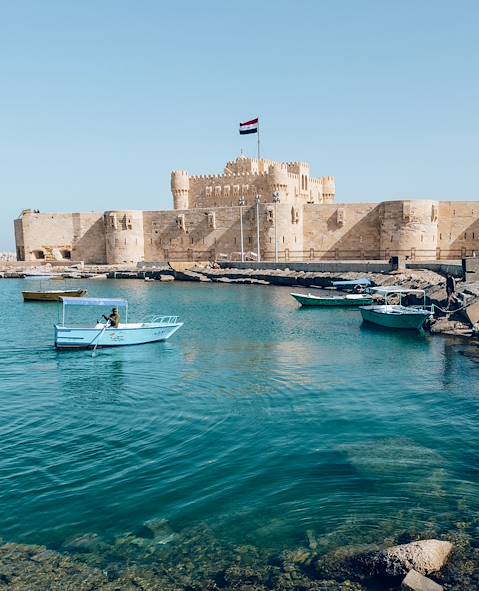
In your itinerary - The highlights of Alexandria. The National Museum of Alexandria is a recent creation; it documents and illustrates the history of Egypt from pre-Pharaonic times. This challenge has been made a reality by magnificent objects. The Citadel of Qaitbay dates from the Mamluk period and stands on the site of the ancient lighthouse, which has left a vast underwater archaeological site at the foot of the fortress. It is a magnificent example of 15th-century military architecture. The catacombs of Kom El Shoqafa, with their distinctive air of mystery, reflect Egyptian funerary practices from the 2nd to 4th centuries. Architecture, sculpture and painting are heirs to the Pharaonic tradition, but also show Greek and Roman influences.
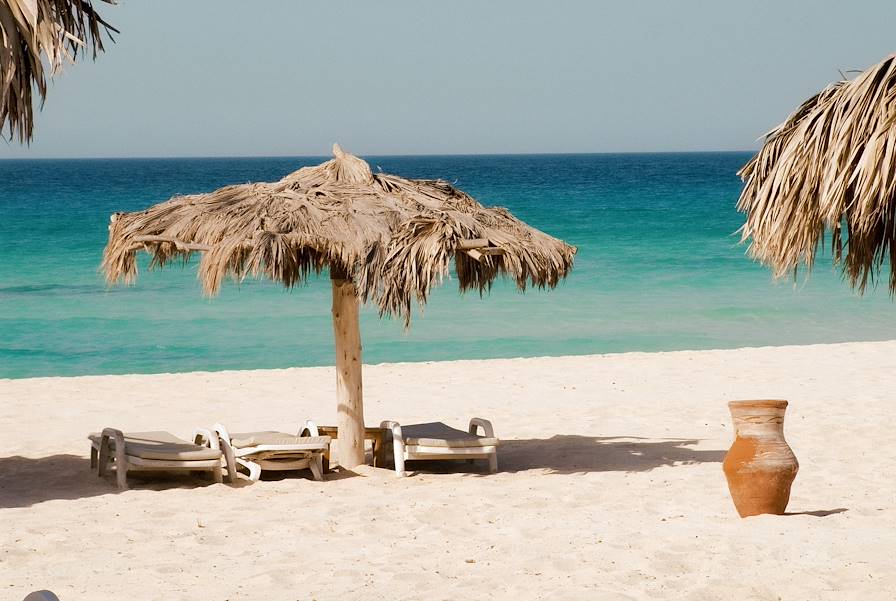
Drive to Marsa Matruh. A night on the beach. Finally, the hotel overlooks this from all its windows and balconies, and a few steps lead you there. The facilities are up to international standards. Nothing is lacking in comfort; services are provided with exact professionalism. And the offer is clear: the seaside!
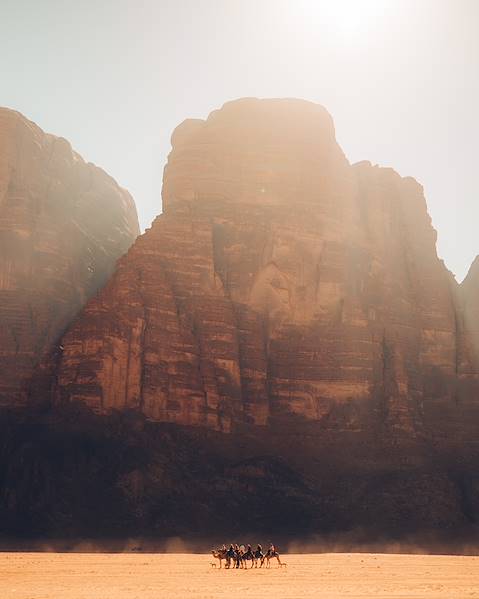
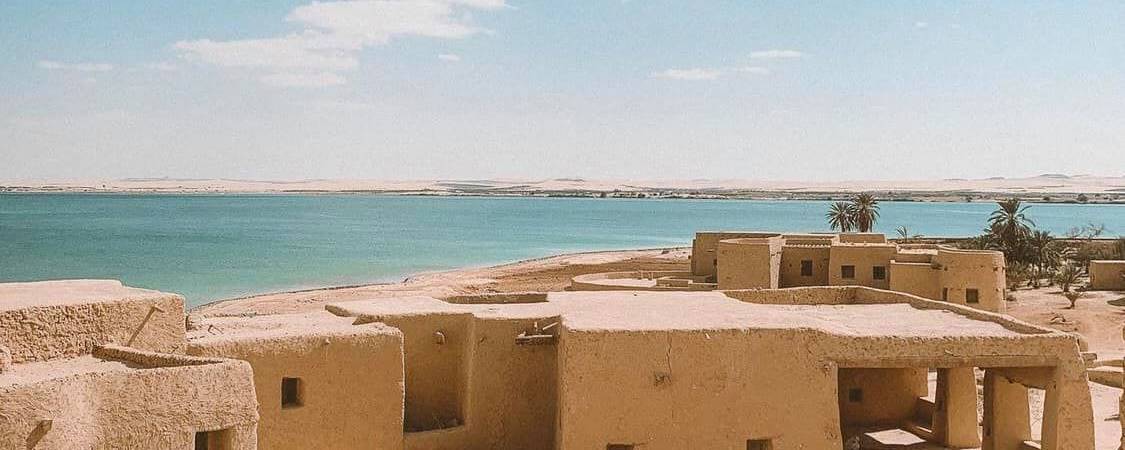
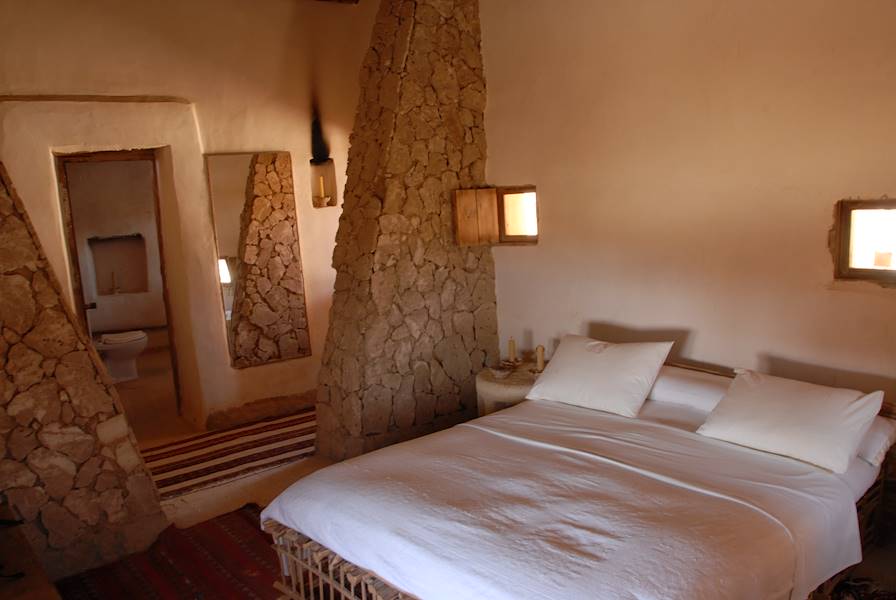
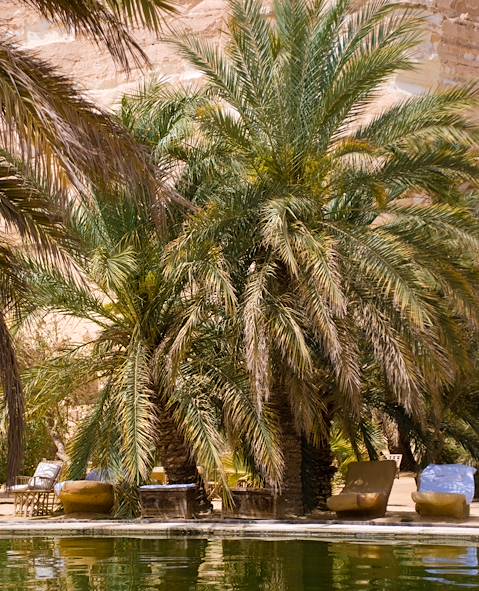
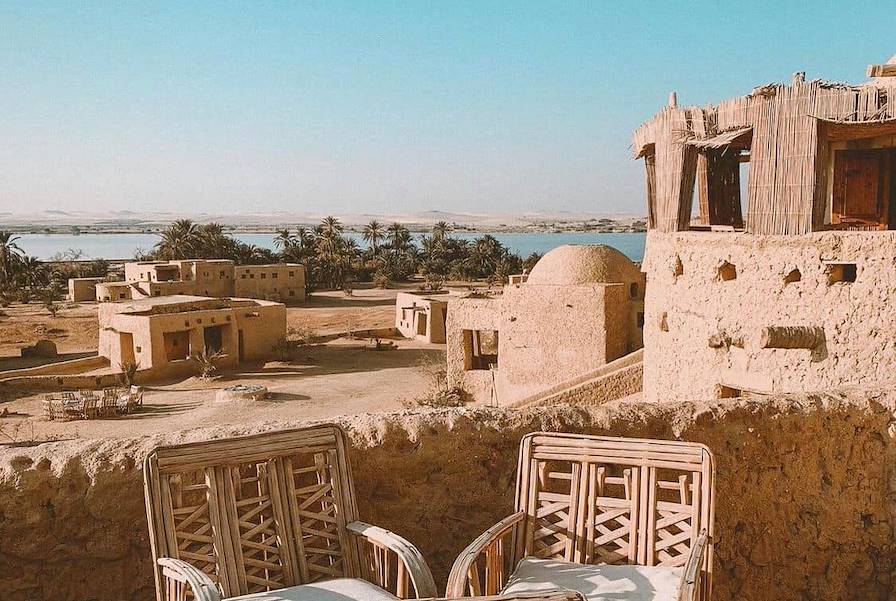
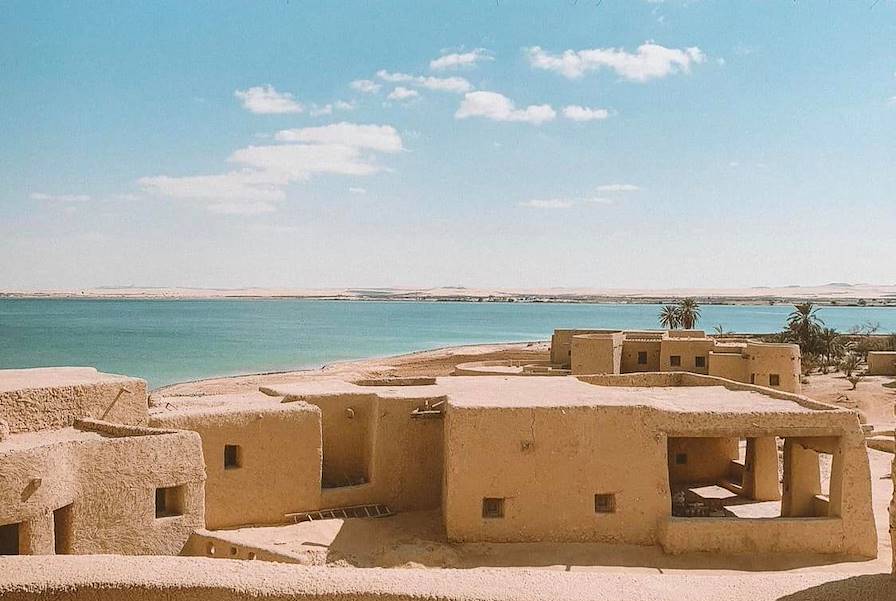
With a private car and driver, plus a guide: head to Siwa. After crossing the desert from north to south, you arrive at the Siwa oasis and check in for three nights in an eco-lodge bordered by the desert on one side and saltwater lakes on the other. Its position is dominated by a massive rocky table, the White Mountain, which gives it a certain majesty. It is said, both here and elsewhere, that Alexander the Great is buried in the heart of this mountain. Here you find a real village built from stone and karshif - a blend of salt, clay and natural elements from the oasis. The fundamentals of vernacular architecture are respected: they have proven their worth and fully support the establishment’s ecological ambition. In the rooms, there is a natural simplicity that is also an aesthetic choice: no electricity, and of course no air conditioning. The candles and ventilation are enough. People do not come to Siwa for the dazzle of spotlights, but for the shimmering glow of candles on salt bricks, to stay in tune with the elements and the cosmic rhythms that shape day and night. The night skies, stripped of all light pollution, are truly magical. The furniture is made from olive wood. The expertly crafted, mainly vegetarian cuisine makes the most of organic vegetables from its sunlit kitchen garden. From the facilities to the dishes, it’s also about art - to the delight of travellers.
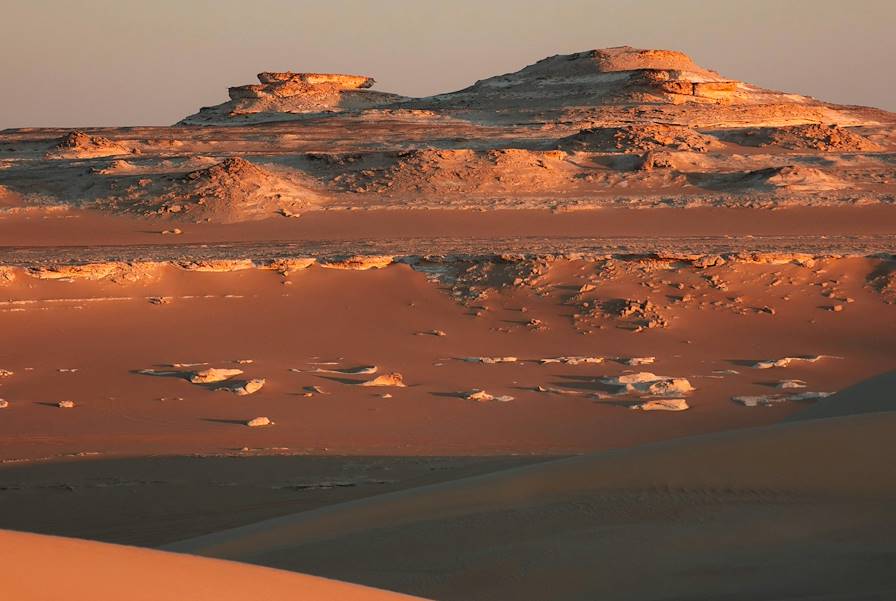
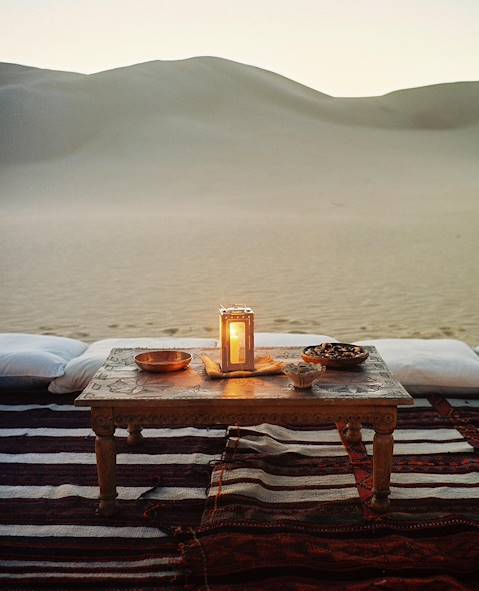
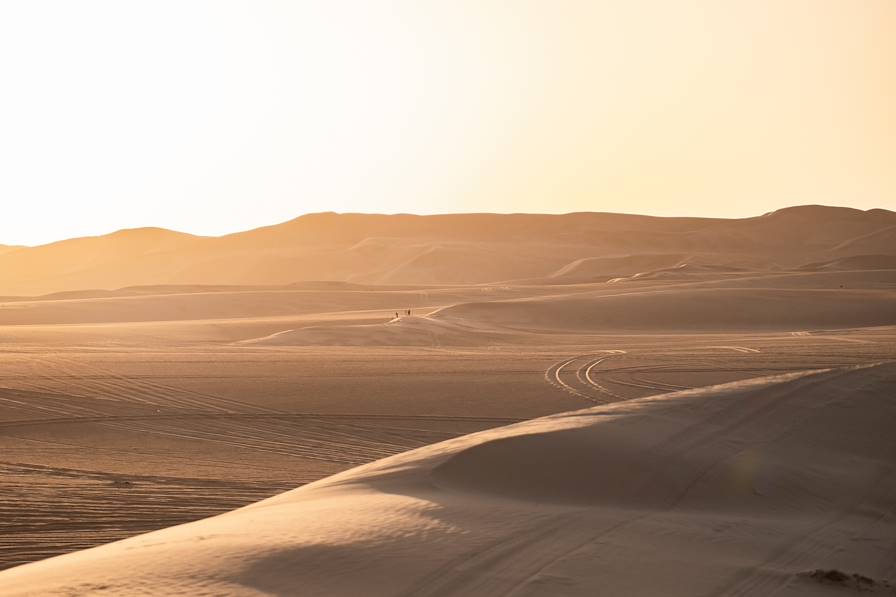
Already planned - The highlights of Siwa. The Mountain of the Dead is a necropolis from the 13th Dynasty, in the 18th-17th centuries BCE. For the most part, the tombs have been looted, but the structures remain, offering good insights into the funerary rites of the time. The Temple of the Oracle of Amun is interesting for more than one reason. Amun, the ram-headed god, was worshipped there, and Alexander the Great came to seek legitimacy for his rule over Egypt. This cult, through the flexibility of its reuses, shows what a crossroads Siwa was in its desert. As for Cleopatra’s Bath, in the centre of the oasis, it proves how pleasant it is to swim in pure, warm water. And may the Lagid queen remain a label without equal. Next, enter the desert dune field aboard a 4x4. These dunes are the mineral waves of the Sahara, the Libyan Desert belonging to it as the Aegean Sea does to the Mediterranean. You can try sandboarding on the slopes. A Bedouin meal rounds off the day.
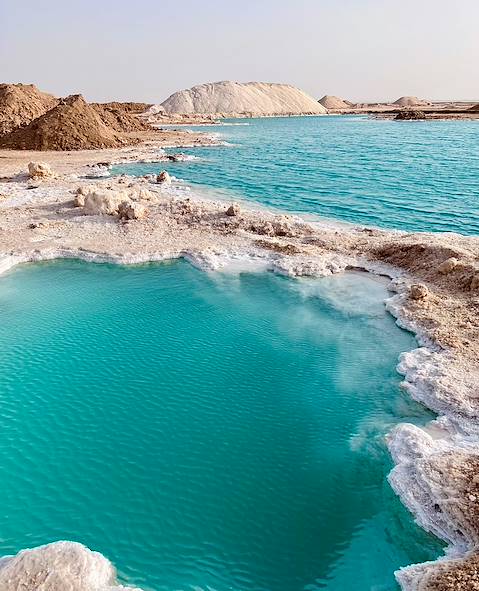
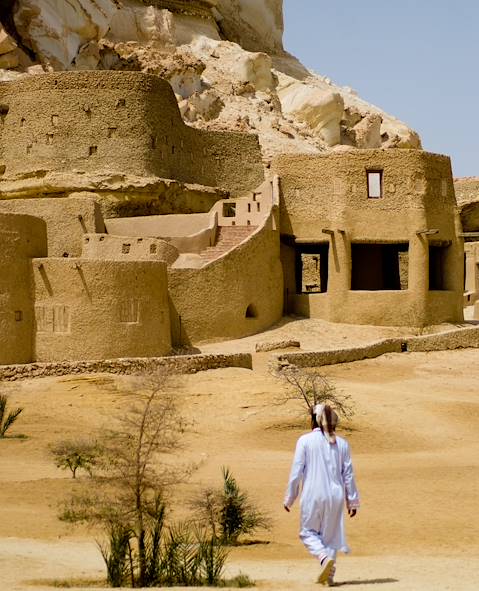
Already planned - Always with a guide from the oasis, head to the Shali Fortress, built in the 13th century to protect the inhabitants from Bedouin raids. Collapsed and later restored, it is a highly evocative example of desert life. A few explanations are enough to show how things happened in the houses, alleys and squares. You can imagine how life was here for so long, between great barrenness and the miracle of water. On site, stalls offer local products: delicious dates, olive oil, salt and brined goods. While fresh water makes the first possible, the two lakes provide the substance for the second. You will therefore also get a sense of these significant formations. And you can float here, as the salt concentration allows it almost as much as in the Dead Sea.
Drive to El Alamein. A night slightly to the northwest, on Sidi Abd El-Rahman Bay. Here you'll find a beach establishment that meets a higher standard. Your room overlooks the pool, then the beach, and then the wide blue sea. To let the light flow freely, pristine white is everywhere, subtly highlighted here and there with a light grey. The bedding is perfect. There are four restaurants, bars, a spa, etc. We take care of you.
In your itinerary - Wartime memories. When you turn your back on the beach, you find history. El Alamein was the theatre of two major battles during the Second World War: the British army stopped and then pushed back the Italians and Rommel’s Afrika Korps there - a turning point, much like Stalingrad or Guadalcanal. There were two Free French brigades among the units of General Montgomery’s 8th Army during the second battle. The British sites linked to these events are a memorial, theAlamein War Cemetery and the Al-Alamein Military Museum. The Italians and Germans also had memorials erected.
Drive to Cairo Airport, where assistance is available. Return flight.
À la carte
This suggested itinerary can be customisable down to the smallest detail, including duration, stops and content. An à la carte menu of experiences is also available to create a journey that reflects who you are.
Cairo by night, with a friend
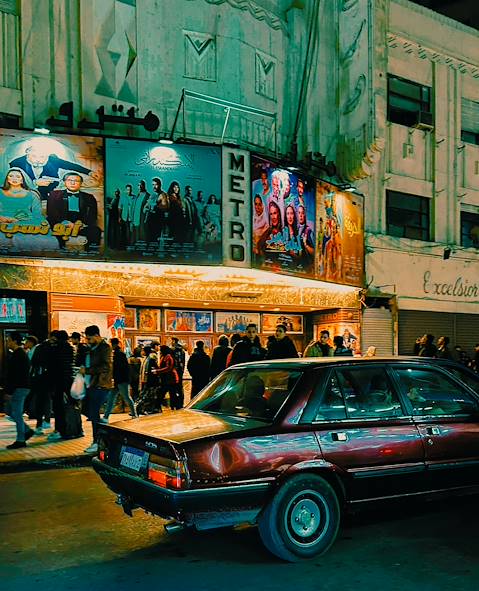
Let’s just say that, during the day, the city is devoted to Egyptian antiquities and frenetic traffic. At night, however, it becomes softer and deeper. It becomes welcoming and mysterious, never losing its charm but instead coming into its own. It is returned to its enchantments and to the Cairenes, who then get to enjoy their Cairo. The time to approach it, is therefore at dusk. With someone who knows it like the back of their hand. Because it remains a mystery for those who do not hold the keys. That is why we leave you in the hands of a knowledgeable friend. An initial meeting lends itself to discussions around expectations and viewpoints, and helps to sketch out a plan of action. Once this is done, you set out in search of the answers the city will kindly provide, in line with your expectations.And with a few more days at hand: Cairo, yet again
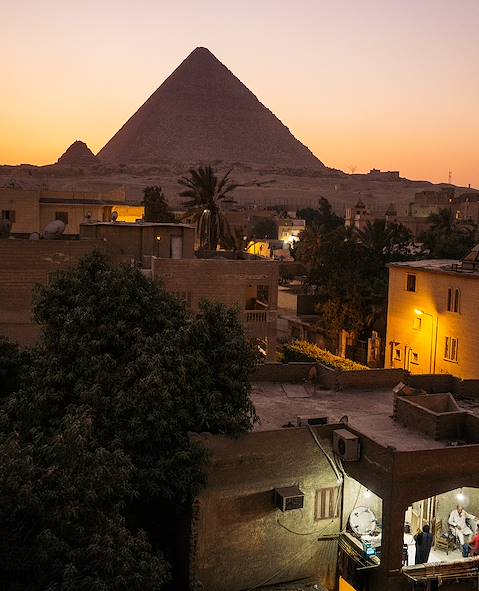
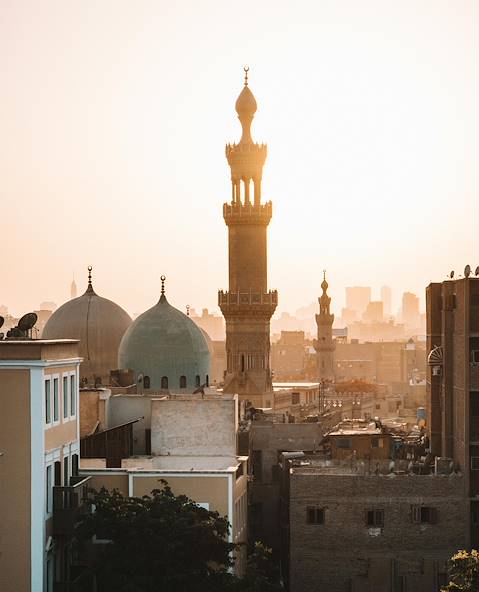
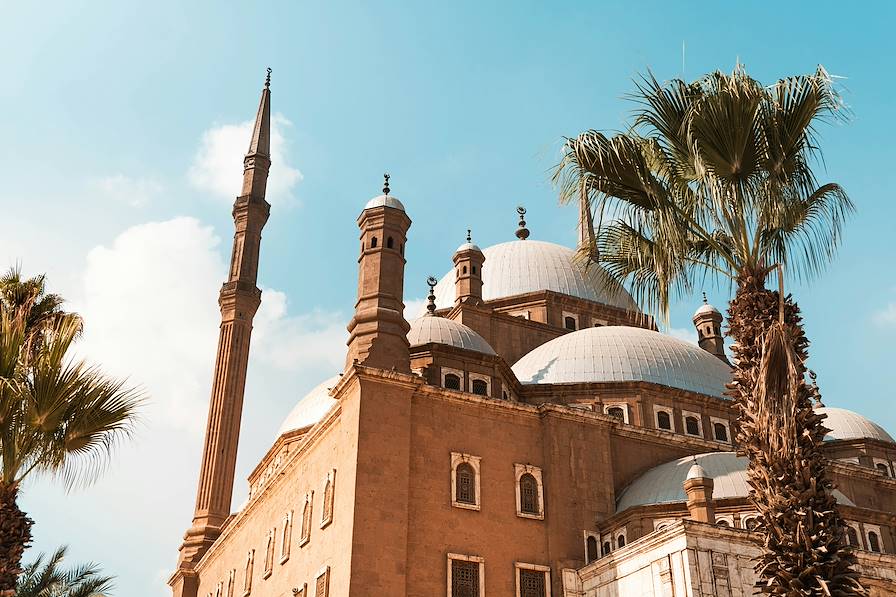
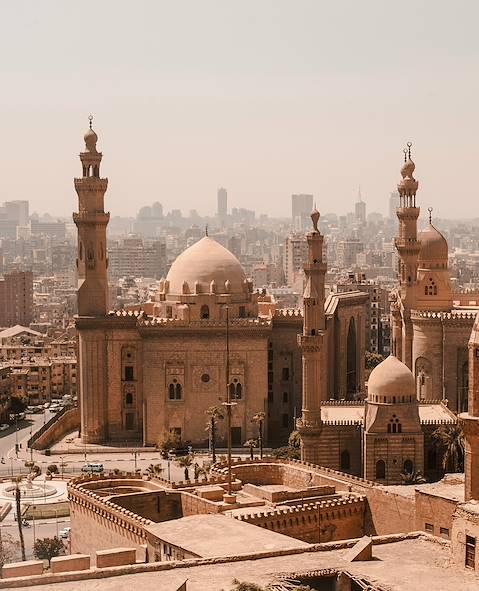
A single day, of course, is only enough to scratch the surface of Cairo. Since we’re here, perhaps it would be good to linger a little longer. For the pyramids, archaeology museums, the magnificent examples of Islamic architecture offered by the old city, and the traces Europe has left there. If by chance it were a first time; but this is unlikely to be the case. Let’s bet that, at that point, you’ll want to stay even longer. To venture a little further. To answer that call of a unique atmosphere, one that does not quite let you go home. One never truly finishes with the city on the Nile. It always deserves the time one devotes to it. And it generously fills it with emotion. And to see it differently, the encounter - Like a Friend, relaxed and insightful - is ideal.
Why visit Egypt with Voyageurs du monde?
Every day, our travel specialists craft bespoke experiences shaped around each traveller's profile, desires and budget. These passionate experts design experiences delivered on the ground by a local network of Concierges and trusted contacts. These fully customisable, made-to-measure trips are complemented by a wide range of high-end services (lounges, 24/7 assistance, travel booklet, app, Wi-Fi, restaurant booking, etc.)
Let us create your tripA few of the advantages of travelling with us to Egypt
- Globally unique concierge service
- Wi-Fi: 1 GB/day included
- CO2 absorption