100% customisable travel idea
Canada - East - Newfoundland
100% customisable for you
On arrival, collect your rental car and drive into the city centre. St John’s - the easternmost city in North America - is steeped in symbolism and history, and ranks among the continent’s oldest European settlements. It is also the capital of Newfoundland and Labrador, a fitting introduction to this journey to the far reaches of Canada.
Check in for two nights directly on the harbour. Behind its modern lines, the building reveals generous spaces that open to the outdoors. It would be a shame to miss the view over the calm Atlantic waters as they funnel through the narrow channel known as the Narrows. From the comfort of your modern, well-equipped room, you can watch seasoned captains manoeuvre their vessels. Alternatively, explore the hotel itself - the restaurant, café or fitness centre all beckon.
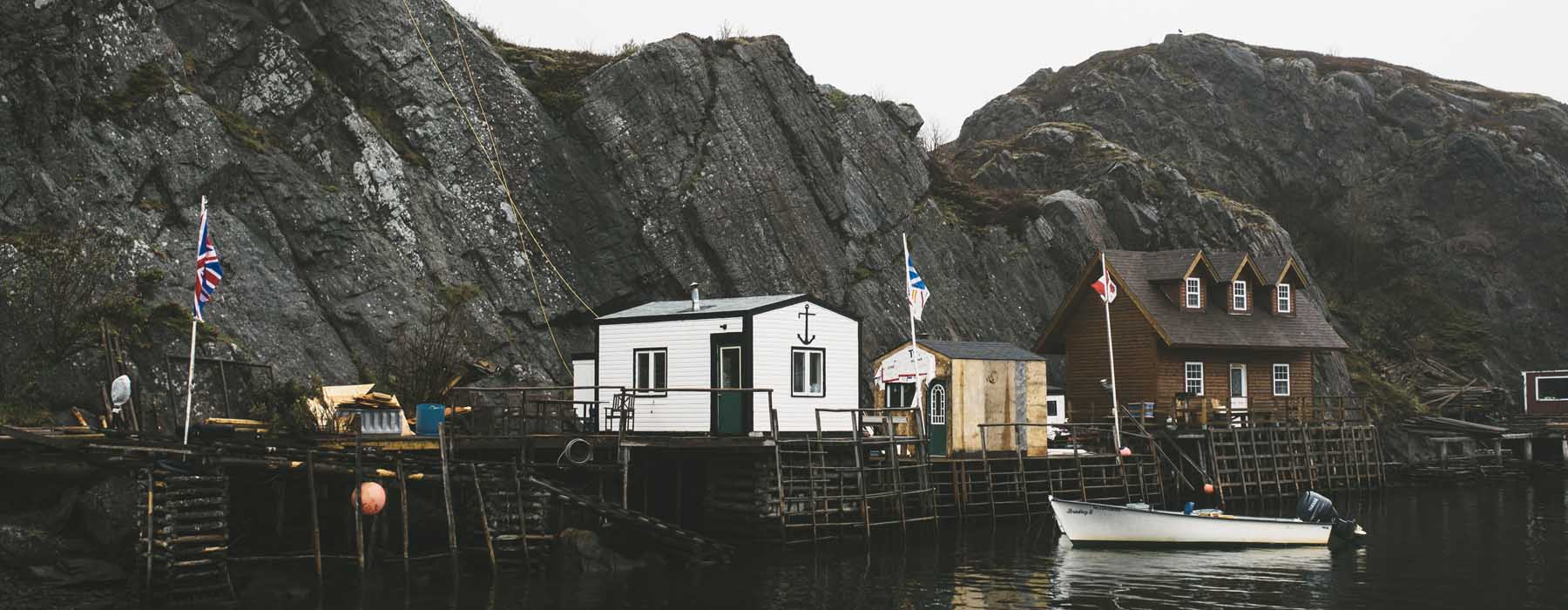
Spend the day discovering the flagship city of the Avalon Peninsula, where sheer cliffs rise boldly from the ocean. Exploration begins downtown, taking full advantage of your hotel’s prime location. Just a few steps away, George Street, Water Street and Duckworth Street form the lively heart of the city, where pubs huddle together and live music spills out into the night air. For a calmer interlude, head to Quidi Vidi, a peaceful hamlet framed by rocky walls, with brightly coloured houses and a small chapel clustered around a charming fishing harbour. Further on, The Battery district - now an emblem of the city - charms with its fishermen’s houses clinging to the cliffs, yet still exudes a sense of calm. The day ends as it should, at Cape Spear, the easternmost point of North America. The lighthouse standing proudly on the shore offers visitor prime whale-watching from June to August.
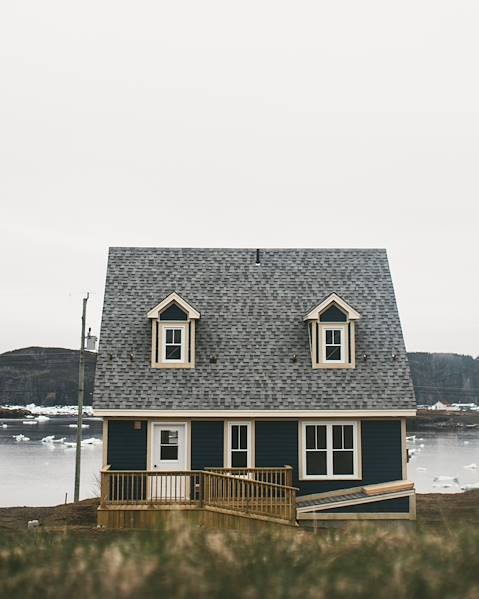
Drive north to Trinity. Check in for three nights at the heart of the village, at a property enveloped in hypnotic shades of blue. Rooms and suites are spread across a handful of delightful wooden houses, most of them listed as architectural heritage and meticulously restored by local craftspeople. Warm, fully equipped interiors open onto glorious views over the bay. In the evening, it's just a short walk from your cottage to the restaurant, also set right on the water. The indefatigable owner has overseen the transformation of this former fishing shack into a well-regarded dining address. Adirondack chairs scattered across the terrace are a welcome invitation to linger after you've dined.
Time seems to have passed Trinity by. Nestled deep within its bay, the village - once specialised in building fishing boats - feels rooted in another century, with homes and shops dating back to the 1800s. There are many ways to learn about the city's history, but wandering between art galleries and craft shops is every bit as appealing. Beyond the village, walking trails trace the contours of the bay - the Gun Hill Trail among them - offering ever-changing perspectives over the cobalt-blue waters.
Must-see: Terra Nova National Park, tucked away at the end of Bonavista Bay, just an hour’s drive away. Covering 155 square miles (400 km²), the park is made up of open meadows, spruce forests, ponds and rivers. A world in itself. On the horizon, the Clode and Newman fjords carve into the coastline, and early summer brings icebergs here as well, swept in by the Labrador Current. Vast and varied, the park draws an abundance of wildlife. Lynx, black bears, moose and Newfoundland martens share the landscape, and overhead, steady formations reveal the presence of a rich birdlife: boreal chickadees, pine siskins and golden-crowned kinglets all vie for the attention of amateur ornithologists.
Heading northwards, even further north, set course for Fogo Island by ferry from the port of Farewell - an invigorating crossing in itself. Settle in for three nights on the island's northern coast, at a property made up of three traditional white wooden houses. Each has its own personality and unique colour scheme. Inside, contemporary style meets perfectly functional comfort, while large picture windows frame sweeping sea views.
Fogo - “the island of fire”, named by Portuguese fishermen who sailed these waters centuries ago - is a paradoxical name for this wind-lashed northern outpost. Measuring around 17 by 9 miles (27 by 14 km), the island is easily explored on foot via a network of trails. The Brimstone Head Trail leads to a rocky headland, the site of an ancient volcano, while the Turpin’s Trail is equally striking, threading grassy plateaux and rugged coastline. It is also located close to Tilting, a village first used by French fishermen in the 16th century before the Irish established a lasting presence on the site. Their cultural legacy lives on, visible in the traditional houses and fishing stages perched on stilts above the water.
Return by ferry, then drive east across the province. At the end of a road winding between islets and steep cliffs, Twillingate comes into view. Known as the “iceberg capital”, it sees these colossal blocks of ice drift into its waters each year after calving from glaciers or the pack ice - especially in May and June. Check in for three nights at a charming wooden house overlooking the harbour. The rooms are comfortable and simply decorated, while the kitchen and lounge are shared with other guests for breakfast or after a day outdoors - the perfect opportunity for discussing the day’s adventures. Once again, the view steals the show - this time over calm, icy-blue waters stretching beyond. Excursions out to sea depart just a few minutes’ walk away. Overlooking it all, Long Point Lighthouse, standing guard since 1876, watches over both the comings and goings of awed visitors and the daily rhythm of local fishing life. The area can be reached on foot via a network of pleasant trails, rewarding walkers with spectacular views over the bay.
In your itinerary - Iceberg cruise.. The captain waits patiently at the helm of his vessel, moored in the harbour, his calm expression betraying decades of experience in these waters. You set out with him to get a closer look at the immense blocks of ice that have broken free from the pack ice - or from a glacier. Shifting shades, translucent layers and sculptural forms make each iceberg mesmerising. Attention soon turns to the wildlife animating the bay: porpoises, seals and seabirds are frequent companions. Whales, on the other hand, are more elusive, and may keep you waiting, but they usually pass through the area between June and August.
See and do - Learn more about local history at the Twillingate Museum, and about the island’s Indigenous Béothuk people at the Boyd’s Cove Interpretation Centre; admire the traditional fishing harbours; or take to the road to see the waterfalls at Grand Falls-Windsor.
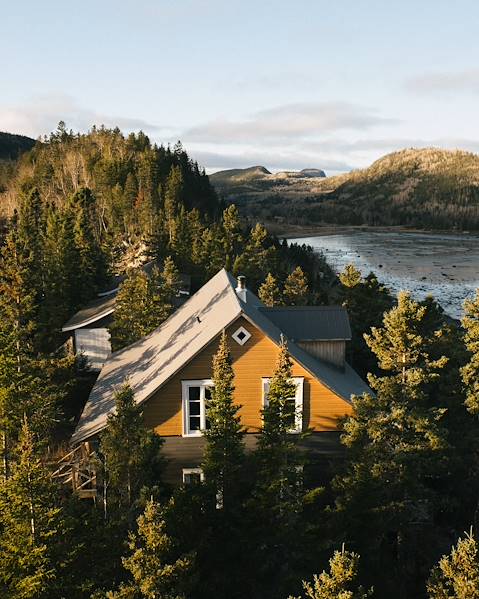
Head west to Gros Morne National Park, the second-largest national park on Canada’s Atlantic side. Spanning some 446,000 acres (180,500 hectares), it is a spectacular mosaic of alpine plateaux, glacial valleys, coastal lowlands and still lakes - an invaluable window into geological processes at work over millions of years. Along the shores of Bonne Bay, the indented outline of Norris Point gradually appears. You settle in for three nights right on the water, in a colourful wooden building housing spacious, warm and understated rooms. The sun room offers 180-degree views over the calm bay. After enjoying the hotel’s facilities - sauna and hot tub included - you head to the restaurant, well known locally for its refined cuisine. A peaceful yet central base, ideal for exploring both the northern peninsula and the park itself.
Hundreds of millions of years ago, the ancient Iapetus Ocean collided with the eastern margin of ancestral North America. Plate tectonics transformed destruction into creation, forcing geological layers upwards to form a mountain range. As a result of this geological event, Gros Morne National Park is one of the very few places in the world where you can see - and even walk on - the Earth’s mantle. Normally buried beneath the oceanic crust, here it rises to the surface. Vegetation struggles to gain a foothold in this mineral-rich terrain, creating a stark, ochre landscape known as the Tablelands.
In your itinerary - Cruise through the fjords of Western Brook Pond. Gros Morne is celebrated for the beauty of its glacial valleys, and Western Brook is among the most striking. Here, Atlantic salmon, brook trout and Arctic char share its waters, while gull colonies skim the surface. From the boat, glacier-carved landscapes drift past, and from time to time, a towering waterfall emerges from the mist.
Drive back to Deer Lake, return your rental car and fly to Toronto, then connect with your international return flight. Night on board, arrival the next day.
This suggested itinerary can be customisable down to the smallest detail, including duration, stops and content. An à la carte menu of experiences is also available to create a journey that reflects who you are.
Every day, our travel specialists craft bespoke experiences shaped around each traveller's profile, desires and budget. These passionate experts design experiences delivered on the ground by a local network of Concierges and trusted contacts. These fully customisable, made-to-measure trips are complemented by a wide range of high-end services (lounges, 24/7 assistance, travel booklet, app, Wi-Fi, restaurant booking, etc.)
Let us create your trip
Travel with complete freedom, guided by your interests,
ideas and passions.
250 travel specialists, organised by country and region. Driven by a passion for beauty and never short of ideas, they inspire you and design an ultra-personalised journey: itineraries, accommodation, workshops, encounters, and more.
Always at your service: with a dedicated travel specialist, Concierge service and 24/7 assistance, our teams support you and adapt in real time, for a trip that is both flexible and expertly supported.
With family, as a couple, in a group of ten, on a road trip, by train, by boat, for a weekend or a round-the-world journey... Trips tailored to your preferences, enhanced by clever services, for ever smoother travel.