100% customisable travel idea
Sacred mountains, castles and onsen In Tohoku, discover an untouched Japan
Japan - Tokyo - Northern Honshu - Tohoku region
Rediscovering Japan
Your trip
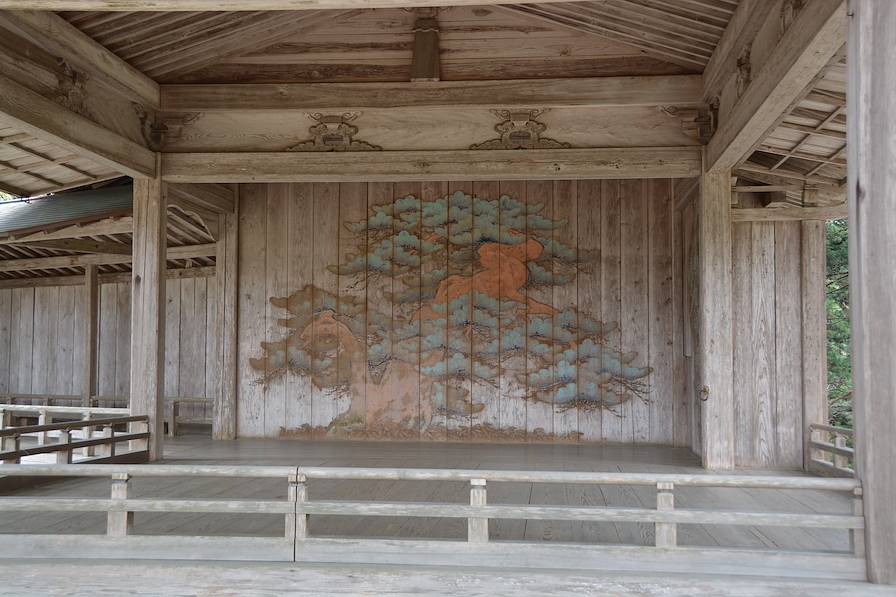
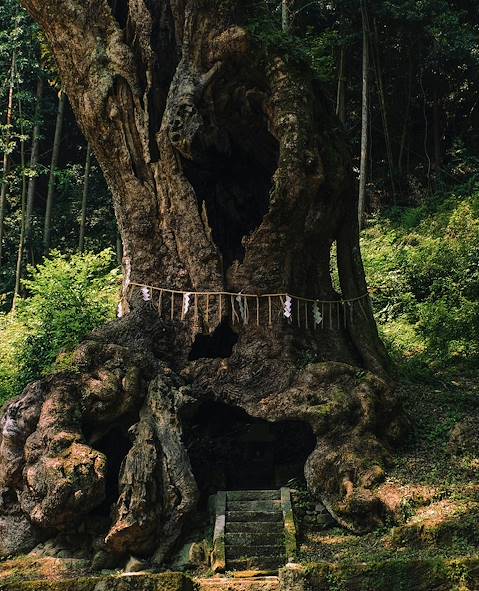
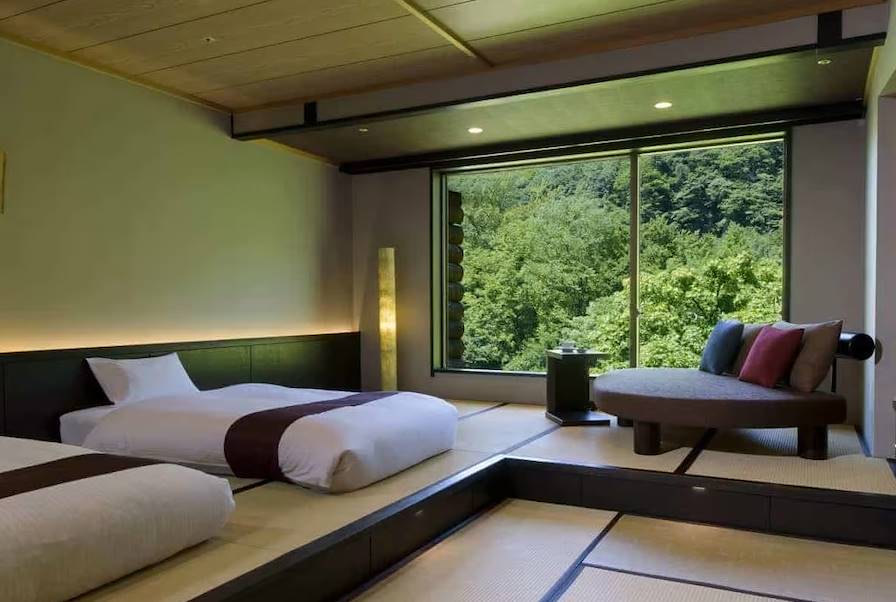
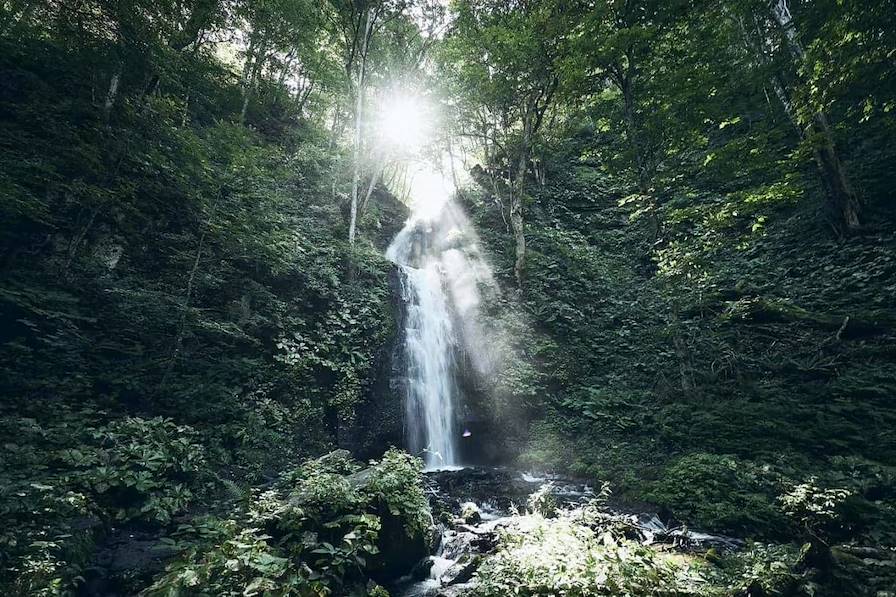
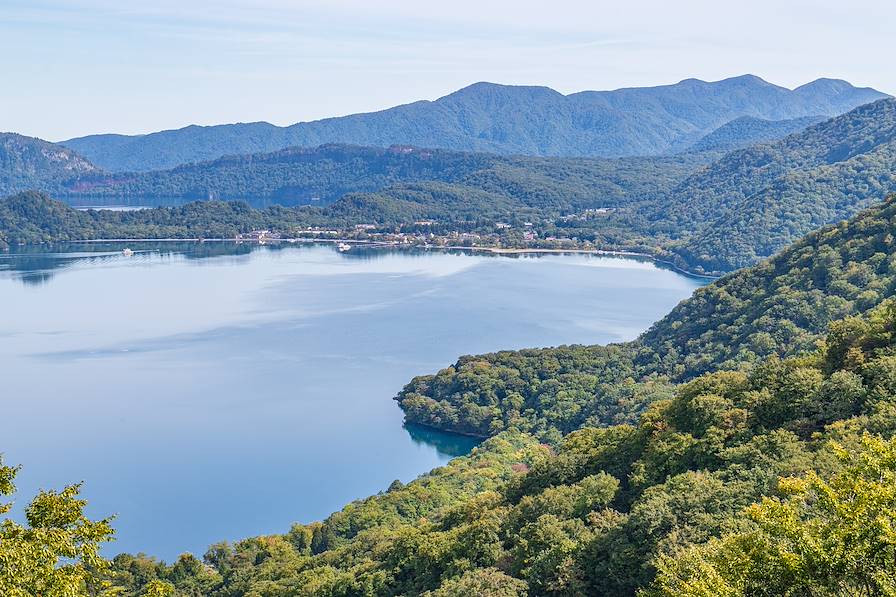
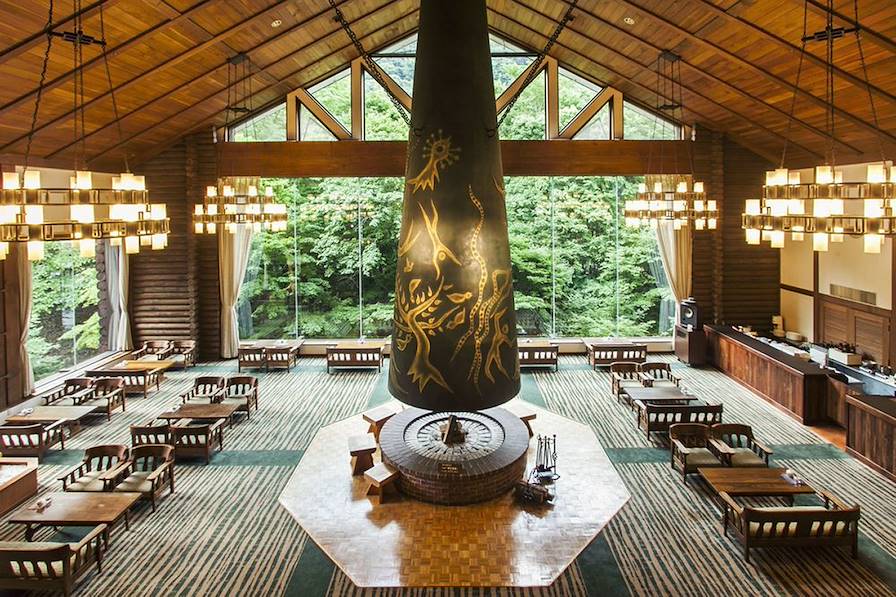
This hybrid trip offers a range of stop-offs, regions, and discoveries. Appropriate transport is therefore required, taking you as close as possible to the things to see, do and experience. We have also made getting around as effortless as possible. The first part of the journey is by train, dropping you off in the heart of the towns, and from there, exploring on foot is a breeze. You have the Japan Rail Pass in your pocket,a key that opens the doors to Japan’s railway lines. For the following journeys, we provide you with a car rental to take you deep into the heart of the landscapes. At every stop, you are immersed in authentic Japanese culture or nature, thanks to accommodations we have carefully selected: a small mountainside hotel with a Noh theatre stage; a ryokan with onsen baths, tatami mats and typical cuisine; an intimate lakeshore retreat; a former rice warehouse renovated by samurai heirs; a small inn set atop a natural hot spring; a design hotel radiating serenity and calm. Each comes with its own set of experiences, types of relaxation and flavour. Because it is breathtaking, we have added a cruise through the Geibikei Gorge, between Sendai and Hiraizumi, to your itinerary. For the rest of the trip, you are free to explore at your own pace. And if a minor setback or a sudden whim should arise, you always have the contact details of our on-site Concierge at your disposal.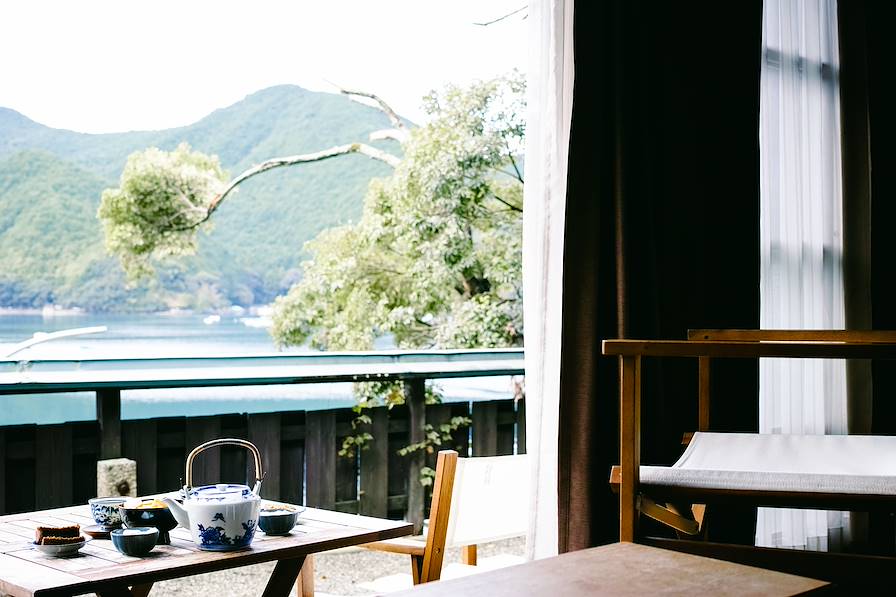
Itinerary
100% customisable for you
Direct international flight to Tokyo. Night on board, arrival the next day.
From Haneda Airport, you’ll reach Tokyo by train (using the Japan Rail Pass, valid for 14 days).
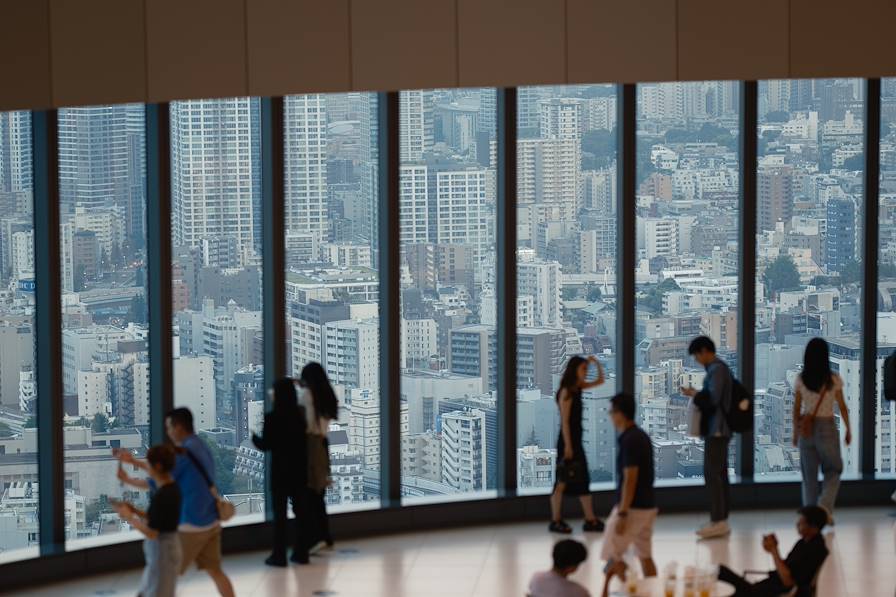
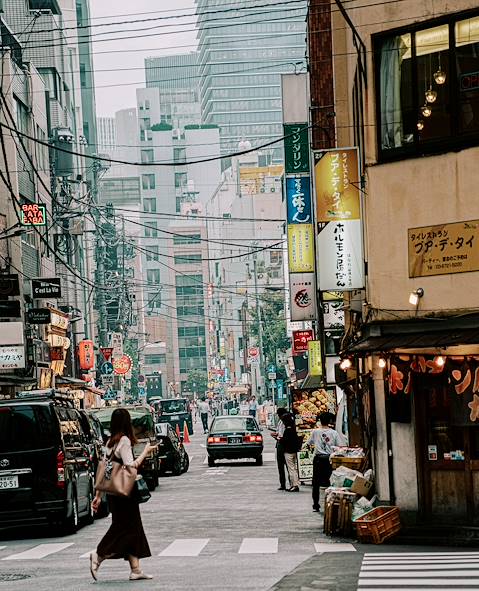
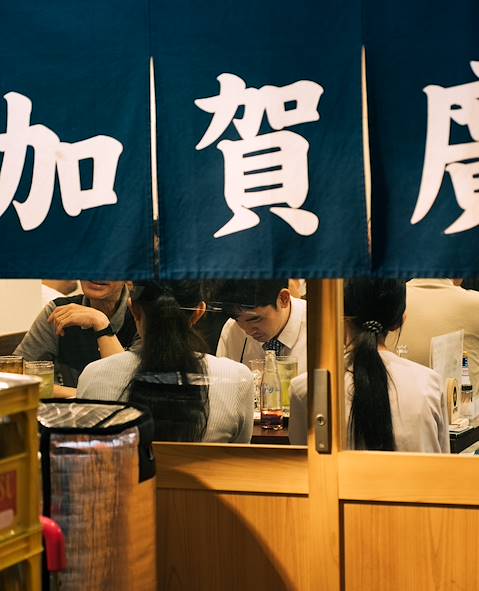
Capital of the East and a thriving, modern global city, Tokyo's energy, innovation, imagination and audacity are as intoxicating as a fine sake. This is where tomorrow’s trends take shape - in food, technology, gaming and more. A hint of eccentricity awaits in Harajuku, where lolitas and cosplayers rival one another in manga-inspired dandyism. For cutting-edge electronics, Akihabara’s XXL stores deliver in spectacular fashion. In the narrow lanes of Golden Gai, In the narrow lanes of Golden Gai, friends gather shoulder to shoulder in some 200 pocket-sized bars. Those seeking calm will find it in the gardens of Rikugi-en and Koishikawa Koraku-en. Quirky museums - the Daimyo Clock Museum, the Japan Toy Museum, the Tabi Museum - offer unexpected detours. For a taste of traditional Japan, book tickets for kabuki or no theatre, attend a sumo bout, wander through the old Yanaka district or visit Meiji-jingu and the Fukagawa Edo Museum. Then it's time to gain some altitude: climb to the top of Shibuya Sky, a 230-metre tower whose rooftop terrace overlooks Shibuya and the vast expanse of Tokyo. On clear days, you can even catch a glimpse of Mount Fuji…
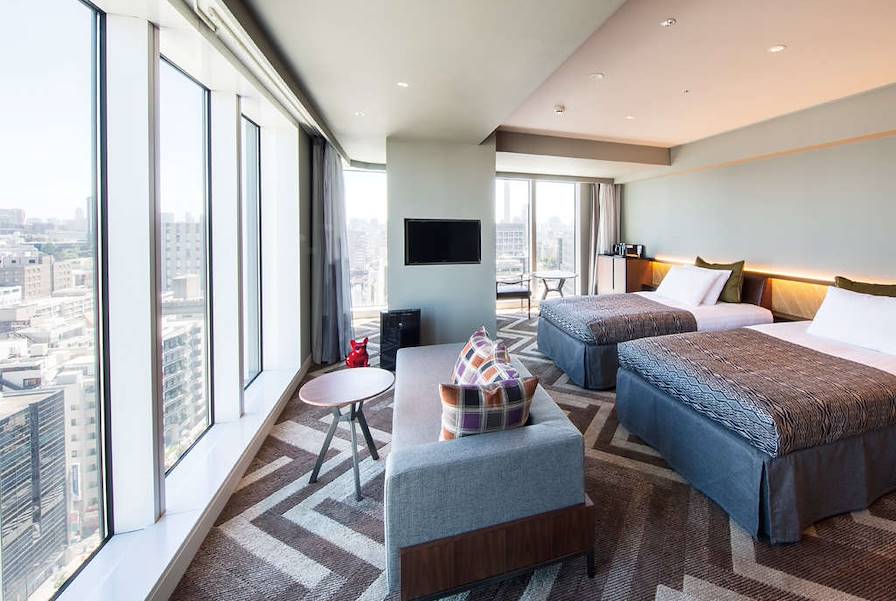
Check in for the night at a design-led building of concrete, glass and steel. Inside, the mood is refined and quietly cosmopolitan, though subtle details leave no doubt that you are in Japan. It would be hard to forget, in any case: large windows in both the lobby and the rooms offer constant views of the city. The guest rooms strike an effortless balance between style, comfort and generous space - ideal for recovering from a long flight. The hotel also features a teppanyaki counter and a terrace with sweeping views.
Train to Sendai (1 hour 45).
You’ll be staying for two nights just steps from the station, in a modern hotel housed in an impressive 15-storey building - a perfect ambassador for modern Japan. Inside, the décor is contemporary, design-led and very Western. The rooms and bathrooms are spacious, as are the shared guest areas, refreshingly open to the outdoors. All the expected services are on hand, plus a small gym. At the restaurant, with its elegant yet relaxed atmosphere, the menu is Italian: antipasti, pasta, risotto and all the classics.
More than 400 years after its founding, Sendai is still shaped by the spirit of its founder, Lord Date Masamune, whose memory is honoured by a mausoleum. This former feudal capital has become a pleasant city, its avenues both spacious and tree-lined. The Sendai Museum and Osaki Hachiman-gu Shrine are other notable attractions. Beyond the city, you can easily explore the surrounding region, from the natural sites of Matsushima and Oku-Matsushima to Kinkasan Island.
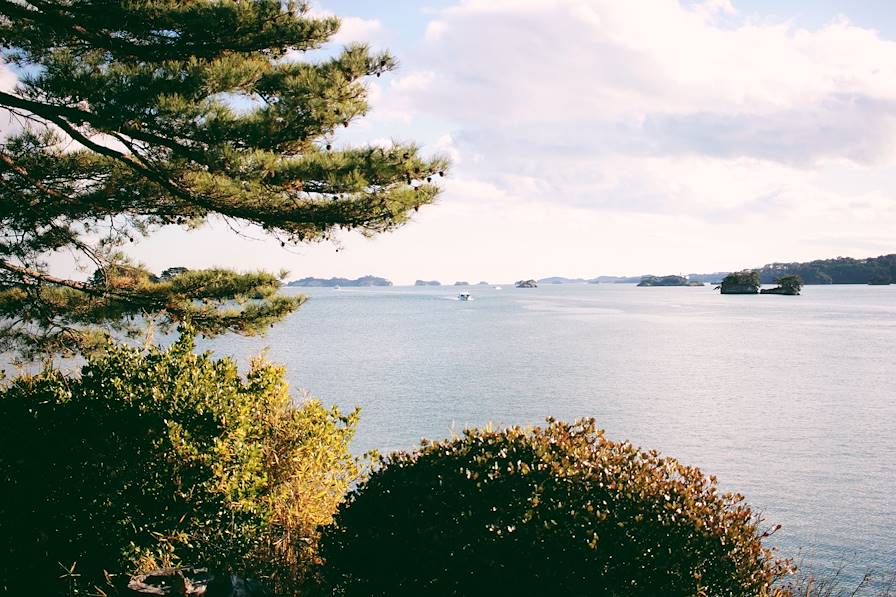
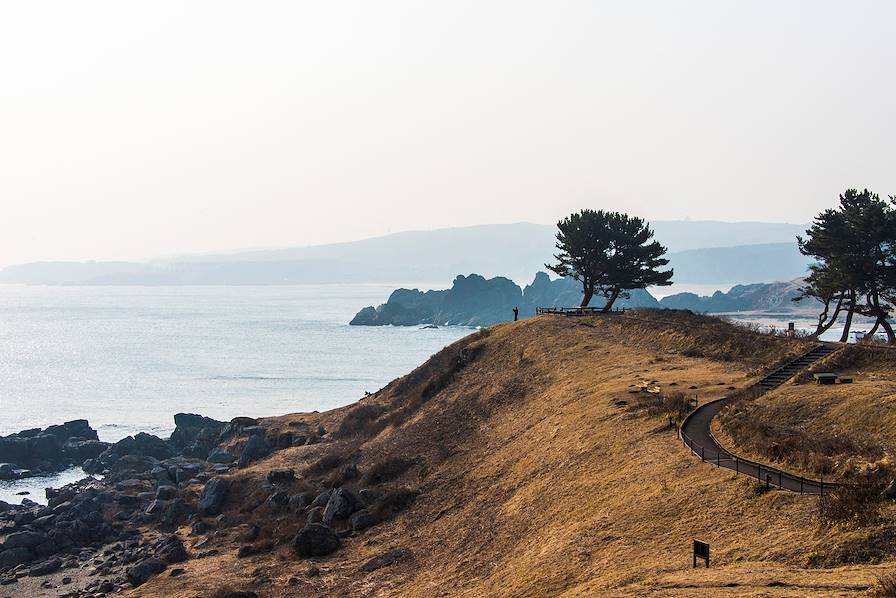
Must-see - Matsushima, the “islands of pines”. Just 30 minutes by train from Sendai, Matsushima is considered one of Japan’s three most beautiful natural sites - alongside Itsukushima and Amanohashidate. Its 260 islets scattered across a superb bay are cloaked in pine trees, creating an utterly unique landscape. There are several ways to explore the bay, including by boat, but the most picturesque is to walk along the shoreline, dotted with beautiful temples. Entsu-in, to name just one, is surrounded by a moss garden and a mystical bamboo grove... and you’ll more or less have it to yourselves.
Train to Geibikei (1 hour).
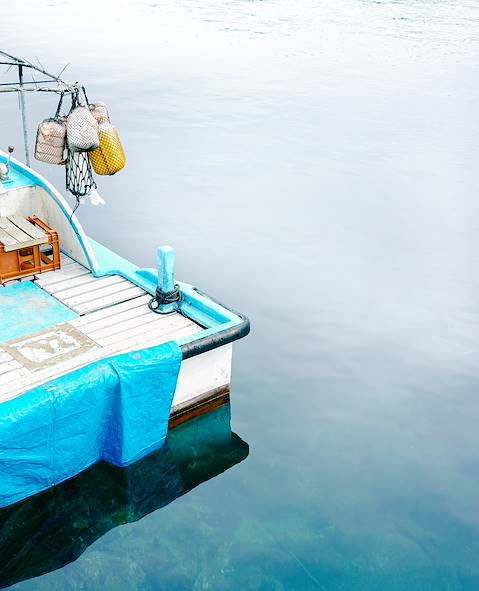
In your itinerary - A cruise through the Geibikei Gorge, an exceptional natural site, especially when it takes on its autumn colours. By boarding a boat that takes you deep into the gorges, you can better appreciate their beauty and explore them independently.
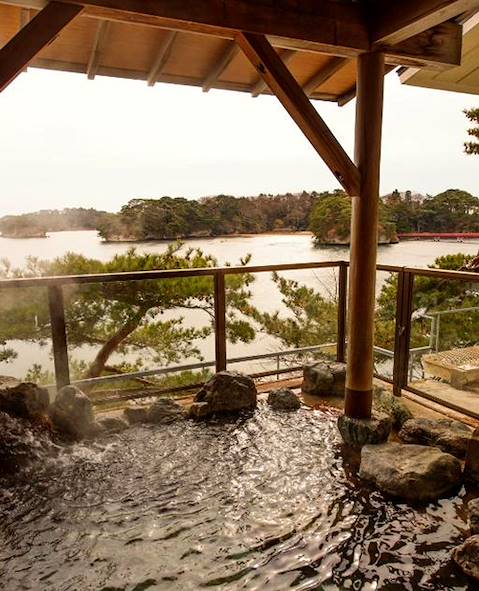
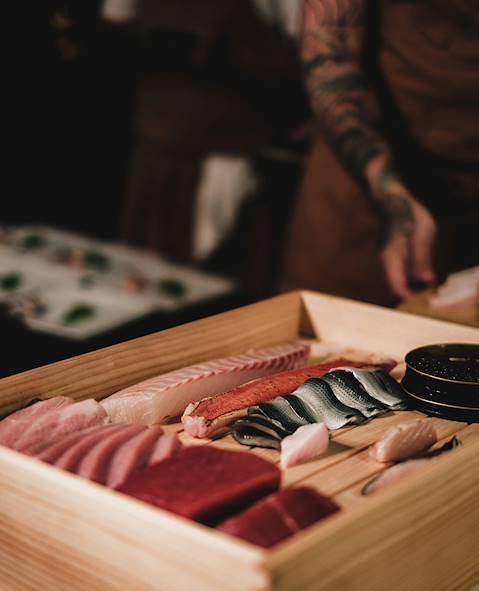
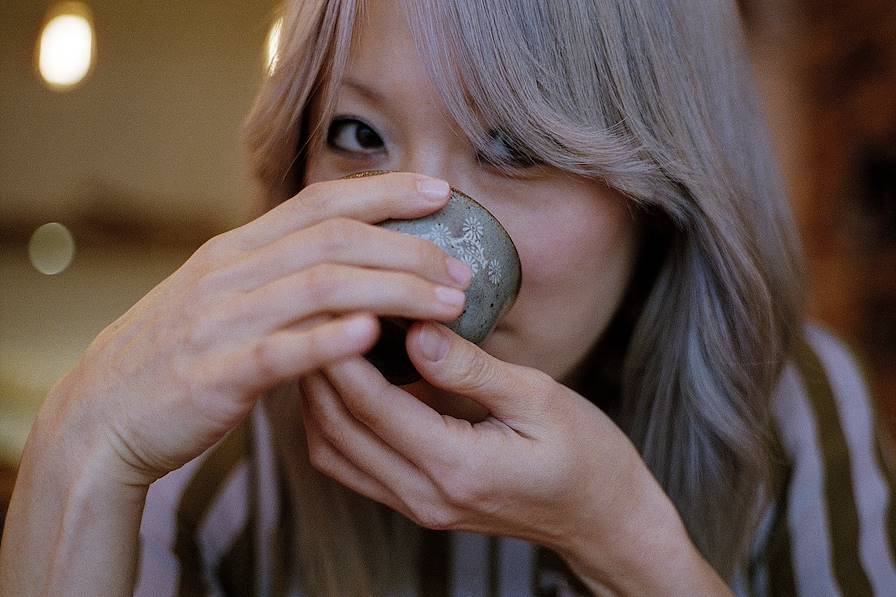
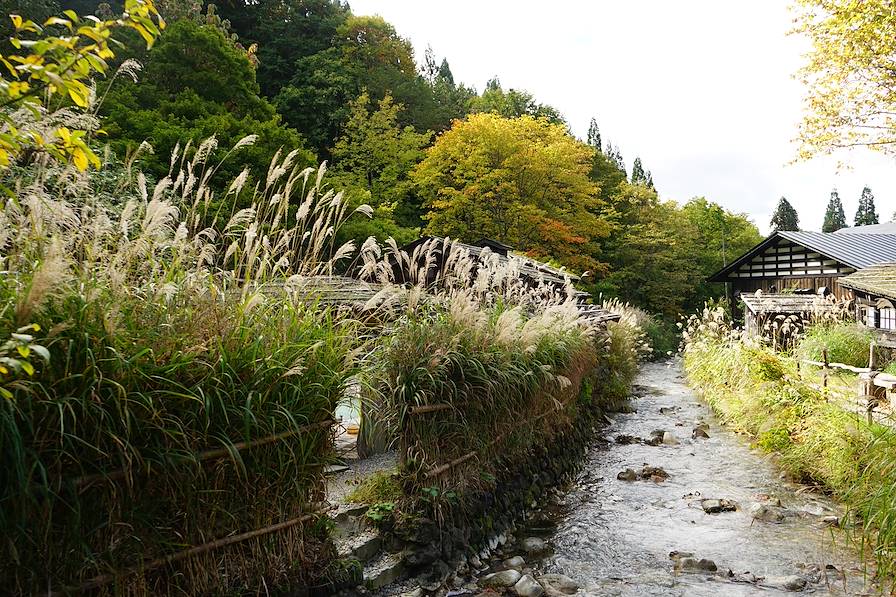
Then on to Hiraizumi by local bus (30 mins). Settle in for the night at a charming ryokan built above a natural hot spring. Here, you’ll experience traditional Japan. On arrival, a steaming cup of tea awaits. The windows open onto the garden; calm sets in instantly. The guest rooms feature tatami mats and low Japanese furniture - for that classic minimalist style. In the evening, dinner is served in your room, prepared by the chef using local produce: homemade soba noodles, wagyu beef steak, sushi, sashimi, tempura, and more. During your stay, guests can make the most of the hot-spring baths. Three are recommended: one on arrival, another after dinner and a final one in the morning, followed by a generous Japanese breakfast: omelette, natto (fermented soybeans), seasonal fruit, miso soup, grilled fish and, of course, rice.
Return the car and take the train to Tokyo (3 hours 45). Final night in the same hotel as on arrival.
International return flight. Night on board, arrival the next day.
À la carte
This suggested itinerary can be customisable down to the smallest detail, including duration, stops and content. An à la carte menu of experiences is also available to create a journey that reflects who you are.
The Tohoku region through contemporary art
While it evokes an ancestral Japan of castles and temples, Tohoku is also a region of contemporary art. You can discover it in particular at the Towada Art Center, a contemporary art museum showcasing works by both Japanese and international artists, including Yoko Ono and Yoshitomo Nara; at the Aomori Contemporary Art Center, designed by Tadao Ando, with its spacious circular exhibition hall; or at the Aomori Museum of Art, where local artists, such as Shiko Munakata, are represented, as well as artists from other countries, such as the renowned Marc Chagall.
Why visit Japan with Voyageurs du monde?
Every day, our travel specialists craft bespoke experiences shaped around each traveller's profile, desires and budget. These passionate experts design experiences delivered on the ground by a local network of Concierges and trusted contacts. These fully customisable, made-to-measure trips are complemented by a wide range of high-end services (lounges, 24/7 assistance, travel booklet, app, Wi-Fi, restaurant booking, etc.)
Let us create your tripA few of the advantages of travelling with us to Japan
- Globally unique concierge service
- Wi-Fi: 1 GB/day included
- Gourmet Voyageurs
- Adjust your trip while travelling
- 24-hour assistance
- CO2 absorption