100% customisable travel idea
In Ladakh, on the roof of the world Monasteries, sacred valleys and Himalayan peaks
India - Ladakh - Delhi
Encounters at the summit
Your trip
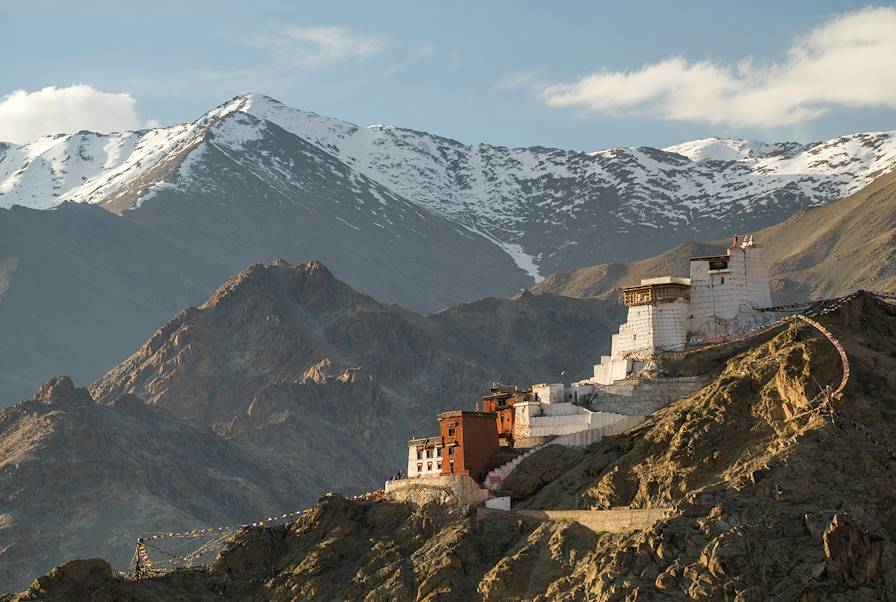
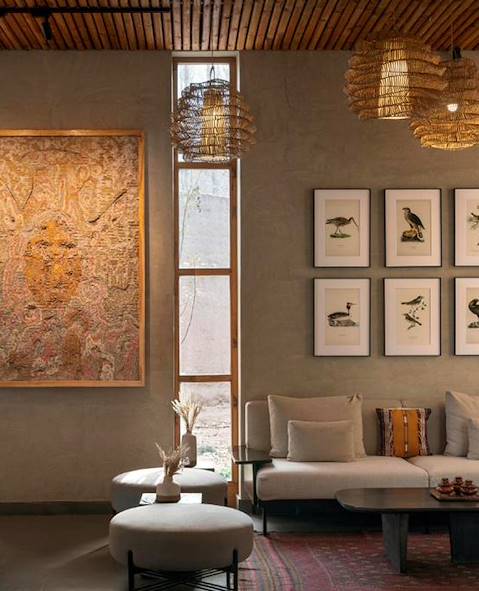
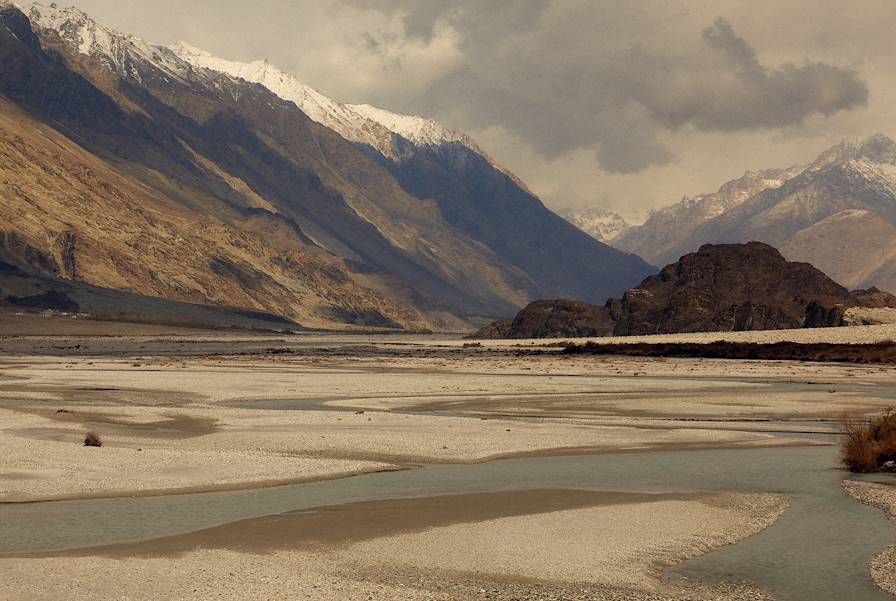
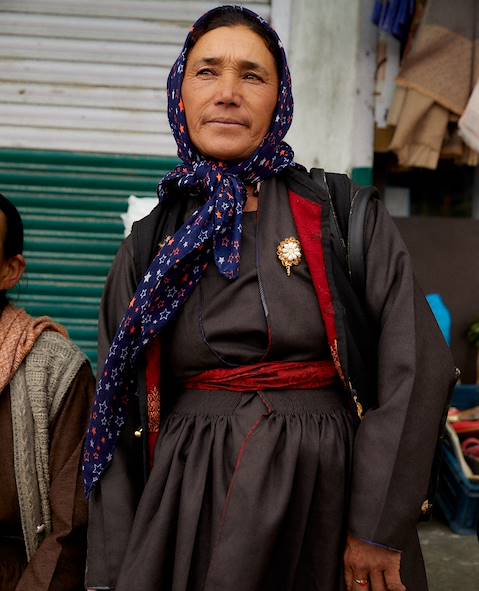
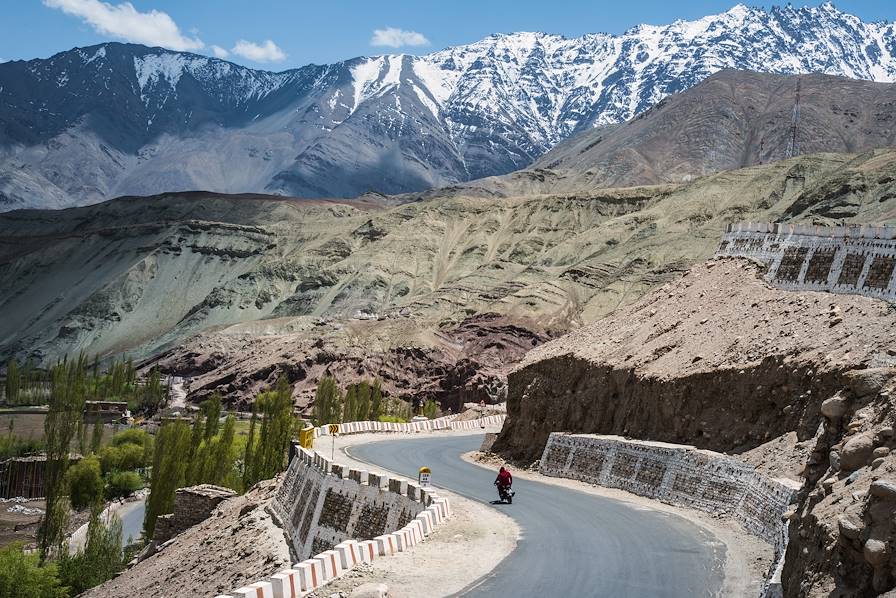
A restored traditional residence in Saspol, an aristocratic house in Nimmu, a villa surrounded by orchards in Stok, a contemporary enclave in Leh, an imperial palace in Delhi: your accommodation takes the trip to the next level. Atmosphere, comfort, service. Your nights are enchanting, you can take our word for it. In Ladakh, a private car with air-conditioning and an English-speaking driver will be waiting for you. The distances are not very far and, under these conditions, the routes are easy to manage. All tour days are accompanied by a private guide. This is a great advantage as it allows for more precise, detailed and in-depth interactions. You really get to experience Ladakh. And the journey allows you to benefit from increased flexibility and authenticity. A nap in the shade after lunch on the grass by the Indus? Well, yes, why not! No strenuous effort is required from travellers. We take things slowly, and approach higher altitudes with all the necessary care. Good physical condition is enough. While you are free to go wherever you like with the guide, we have made sure to include a few highlights in your itinerary. Of course, numerous monasteries: Lamayuru, Tingmosgang, Alchi, Likir, Spituk, Thiksey, Hemis or even Stakna. And what's more, you will have the opportunity to delve deeper into the cities and neighbourhoods you pass through - such as, Nimmu, Leh, and Majnu-Ka-Tilla (Delhi) - by connecting directly with the locals. Finally, should any minor setback occur along the way, or should you have an unexpected request, you have the contact details of our on-site Concierge. Who is highly knowledgeable about travel in these regions, and offers extensive support and guidance if needed. This enables them to easily adjust the itinerary once you are on site, in coordination with your travel specialist.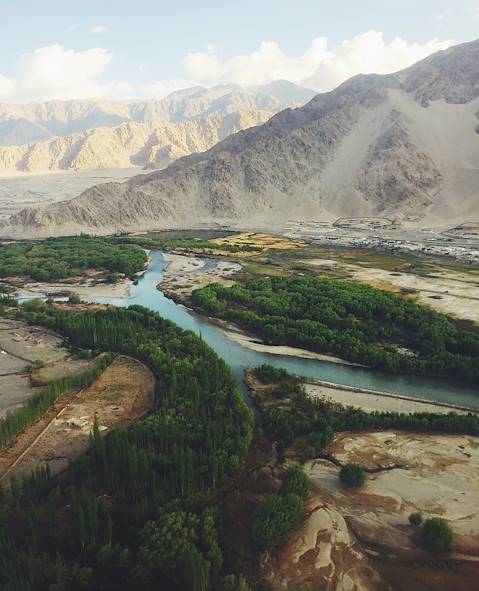
Itinerary
100% customisable for you
Private transfer on arrival to take you to your hotel in Delhi Aerocity. Located right by the airport, the hotel area was created with the Commonwealth Games in mind. Modern and secure, it provides easy access to the terminal - ideal in case of a late arrival or an early departure. As for the nearby malls, they're perfect for stocking up at the start of your trip.
Settle in for an overnight stay at a contemporary hotel. It's certainly big , but at the same time shows real flair in architecture and design. The spacious public areas are crafted with precision, and have an unexpectedly harmonious feel. The lobby and the patio are particularly pleasant places for spending some time. The rooms are boldly stylish and modern, well-balanced and impeccably equipped. The same high standards are to be found in the hotel's restaurants and bars: international cuisine, North Indian dishes, Japanese specialities and cocktails - all prepared with the utmost professionalism. There's also an excellent spa, run by an great team of staff, and the outdoor pool is both a technical and an aesthetic success.
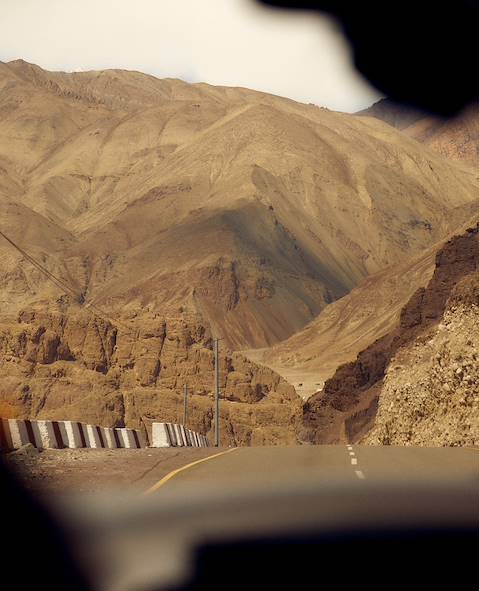
Flight to Leh, the capital of Ladakh. On arrival, you'll meet your private guide who'll be accompanying you throughout your adventure. Private transfer to Saspol, in the Indus Valley, 37 miles (60 km) to the north-west. To get there, your driver will be taking the only well-maintained road connecting the capital to the village - one of the highest in the world. Set in the very heart of this region favoured by the Mughal emperors, you can enjoy the peace and tranquillity of the great outdoors while your guide points out the small farming villages nestling in green fields here and there.
Settle in for a two-night stay in a century-old building surrounded by a garden where fruit trees, walnut trees and mulberry trees grow. The rooms are tastefully simple. In fact, it's precisely this natural minimalism that gives the place its aesthetic appeal. And of course the rooms are well equipped (good bedding, private bathrooms). Breakfast is served on site. You can order dinner to enjoy in your own room. The rest of the day is for relaxing, as you get used to the high altitude. If (and only if) you feel up to it, you'll have the chance to visit Gon-Nila-Phuk, the 15th Buddhist temples cut into the rock Tucked away in the hills overlooking the village, these caves are the pride of the region.
In your itinerary, with your private guide - the origins of Lamayuru Monastery, an important seat of the Drikung Kagyu tradition (an oral tradition school, red hat), date back to the 11th century. The sanctity of the site had made it a place of grace - even the most hardened criminals escaped death, provided they managed to reach it. Pacts were negotiated there. Muslims in Kashmir have always shown it great respect. In 1834, tensions between Hindus and Buddhists led to the sacking of the monastery by the troops of the King of Jammu. The buildings we see today date from the early 20th century, and they house 200 monks. Next on your itinerary is a visit to the pretty village of Temisgam in the Sham Valley. King Drag-pa-Bum ordered the palace and monastery of Tingmosgang to be built here in the 15th century to serve as the capital. It was his grandson Bhagan who founded the Namygyal dynasty, a powerful lineage that shaped the history of the region until its annexation by the Dogras. Above all, it was here that the Treaty of Tingmosgang was signed between Ladakh and Tibet in 1684, bringing to an end the armed conflicts with the Mughals, provided that trade agreements were respected - such as Ladakh’s exclusive rights to the pashmina wool produced in Tibet, the exchange of tea bricks, and the sending of missions with gifts for the Dalai Lama in Lhasa.
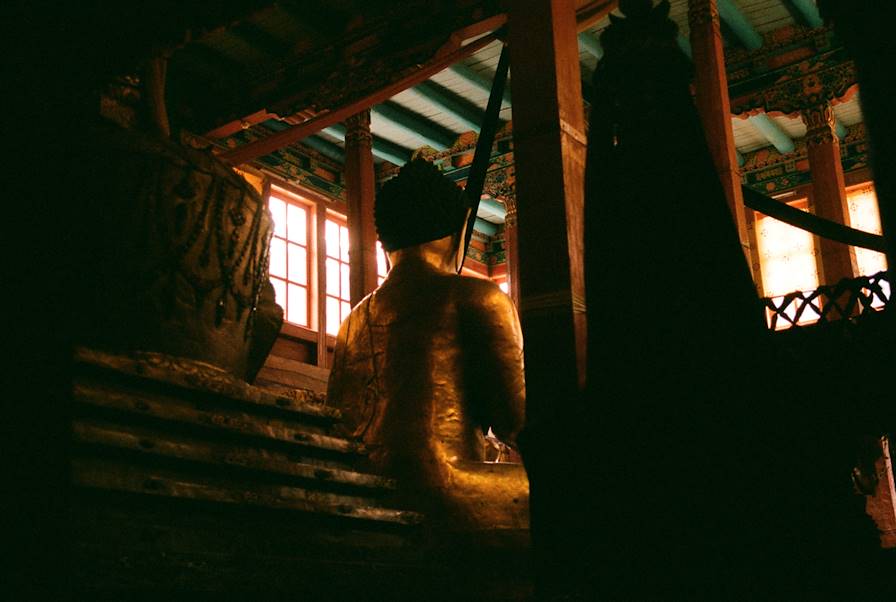
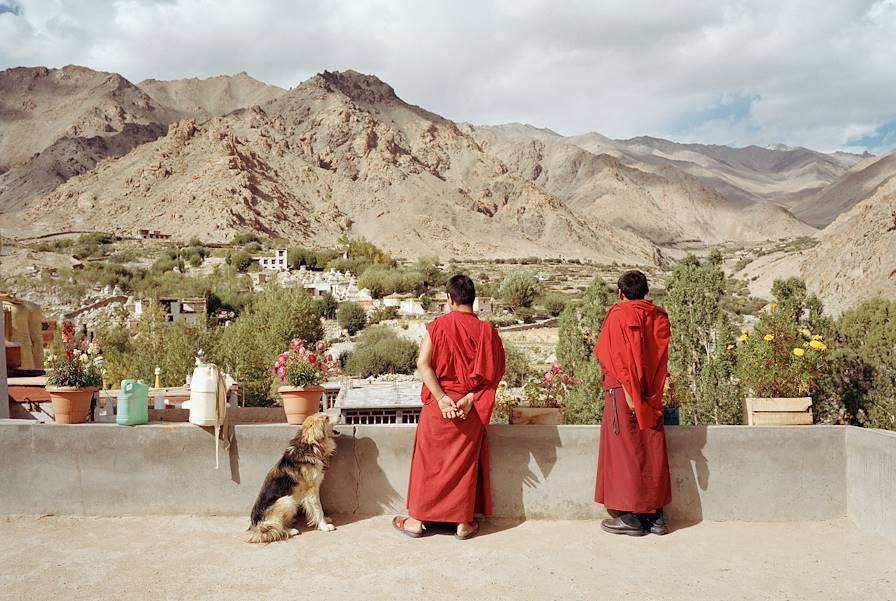
Already planned, with a private guide - perched on a hilltop, Likir Gompa was founded in the 11th century. It exemplified the old Kadampa tradition, inherited by the Gelugpa schools (the current custodians) and the Kagyüpa. Avalokitesvara, the bodhisattva of compassion, welcomes visitors. In class, the next generation of monks learn about the sacred texts by reading aloud together. A beautiful collection of ancient thangkas awaits in the museum. The Monastery of Alchi, managed by the monks of Likir, was also founded in the 11th century. The Kashmiri influence can be clearly seen in the three main buildings: the Dukhang (main hall), the Sumsteg (the function of this space is unclear), and the temple of the Bodhisattva Manjushri. The walls are decorated with some of the oldest wall paintings in Ladakh. The work of the wood and stone sculptors both intrigues and fascinates. Some chörtens (stupas) date from the 13th century, and with their complex symbolism these structures are typical of Buddhism.
A short drive with a private driver will take you to Nimmu, where you'll settle in for a two-night stay in a stately and imposing Ladakhi building. The way it's been converted into a guest house is exemplary: the very best experts and craftspeople were brought in. This 12,917 sq ft (1200 m²) residence has about thirty rooms, including two Buddhist temples. It's surrounded by outdoor terraces and a 12-acre (5-hectare) orchard planted with apricot, apple and walnut trees. Meals are served either outdoors with a panoramic view of the mountains, or in the former winter kitchen, today a traditional dining room. The cuisine is simple, and is inspired by regional specialities - organic fruit and vegetables from the village gardens. A barn houses yaks, cows and dzos.
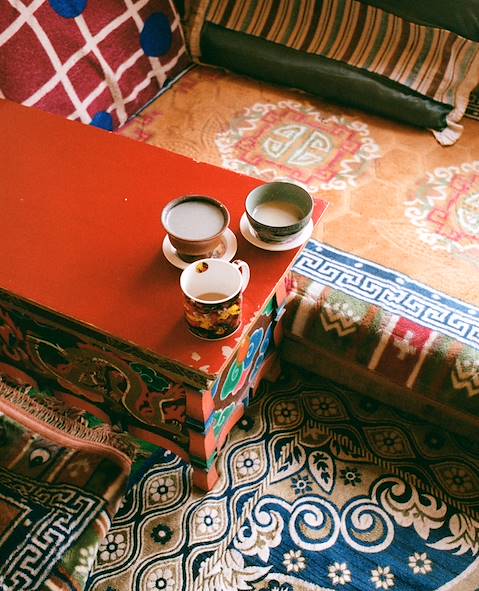
In your itinerary - Explore the village with a local. A large oasis in the middle of the mineral desert, Nimmu is home to about 200 families. Set at the confluence of the Indus and Zanskar rivers, at an altitude of 10,100 ft (3,100 metres) the village enjoys long hours of sunshine. This ensures that wheat, barley, fruit and vegetables can all thrive. A proud member of the local community will explain all this and much more. He's a great source of stories and tales connected with village. To round off your visit, a tasting of typical Tibetan butter tea is planned.
Optional: momo making (momo are Tibetan dumplings); traditional spoon workshop.
Private transfer to Stok.
In your itinerary - a stop along the way at Spituk, which has been a monastery since the 11th century, and a Gelugpa ("Yellow Hat" - the most recent of the four schools of Tibetan Buddhism) establishment since the 15th century. This gompa (fortified Buddhist monastery) houses an important statue of Palden Lhamo, the guardian goddess of Tibet. She's a "dharmapâla" a wrathful figure, protector of Buddhism and Buddhists. A new landscape - the pale greys and greens of the Indus valley. Next is a walk down to the village, following the farm tracks, and then it's time to turn back, for lunch by the now familiar river. A chat with your guide under the trees is a good opportunity to find out more about the Himalayas. Next, it's on to Stok and a visit to the museum part of the palace. The museum's collections document a vanished way of life, a way of life that was strikingly unique and highly sophisticated.
Two-night stay at the Stok Palace Heritage. There are three villas set in a garden planted with apricot, walnut and willow trees. They were built based on the principles of traditional, sustainable architecture. Inside, wood dominates and adding a sense of warmth. The rooms - bedrooms, living rooms, kitchen - are spacious, comfortable and well equipped. In the garden, you have all the space you could wish for, plus hammocks for admiring the mountains and the night sky. You'll find an unexpected sense of freedom here in the heart of Ladakh.
Optional - The secrets of the pashmina, private experience.
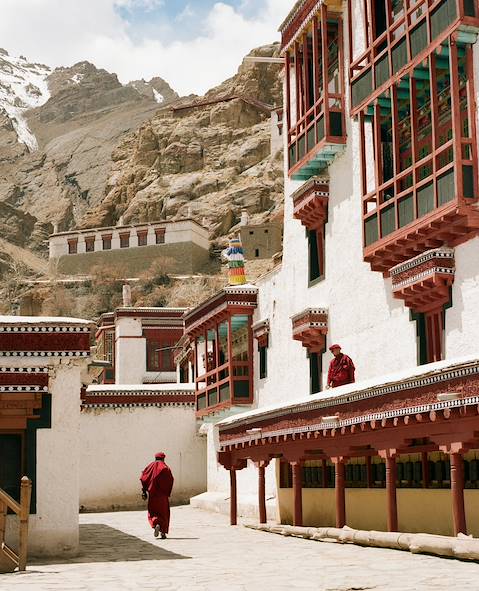
In your itinerary - departure with your driver and guide early in the morning for the Thiksey Monastery, which may well remind you of the Potala Palace in Lhasa. This Gelugpa gompa (a monastic school of the Yellow Hat order) is the largest in Ladakh, and is home not only to monks, but also to nuns. You'll attend the morning service there. Thiksey is renowned for its murals and thangkas (paintings on cloth). The location also offers an exceptional view of the Indus Valley. Then it's time for a country-style breakfast. Over tea, you'll be able to share your impressions with your guide. Back to the car, and off to Hemis Monastery, which was built in the 1600s. This is the main "gompa" or seat of the Drukpa Kagyu order (oral tradition, red hat lineage) in Ladakh. The buildings that form the inner courtyard feature splendid galleries and painted wooden door and window frames. Along the way, note the paintings showing the Mahasiddhas, unconventional Buddhist masters. In addition to its superb thangkas, the monastery museum sheds light on the principles and symbols of Tantric Buddhism. Next - a picnic by the Indus. The Indus flows from Mount Kailash to the Arabian Sea, and it is this river that gives India its name. In the afternoon, you'll see the impressive 16th century Stakna Monastery, which sits on a rocky hilltop. This Drukpa eagle’s nest once welcomed the royal family in appropriately magnificent apartments. Today, it still houses one of the richest libraries in the Ladakh region.
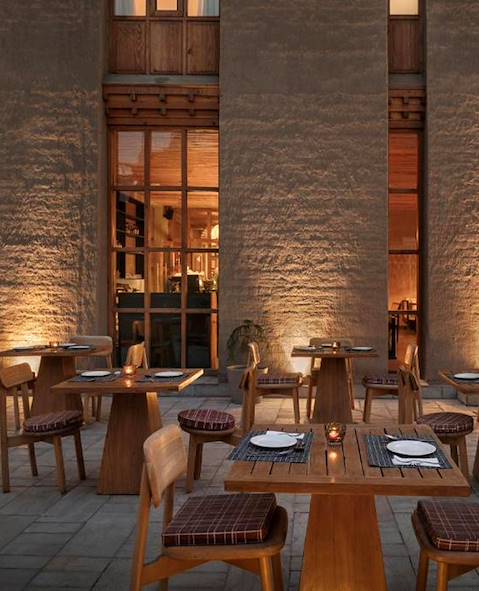
After your stay in the valley in the Zanskar range, it'll be time to get to grips with the rugged terrain on the way to Leh. Private transfer (approximately 30 minutes) and an overnight stay at modern accommodation in the city centre. The building’s impressive dimensions are softened by the compressed mud brick exterior - it looks almost like a mountain ready to blend into the surrounding landscape. The spaces are arranged around a soaring atrium with a skylight. Distributed around these areas, the rooms are furnished in minimalist style in earth tones. The on-site restaurant, complemented by an indoor/outdoor café, is a welcome addition. The friendly staff are on hand to pamper you.
In your itinerary - private visit to Leh. The capital of Ladakh, Leh stands at an altitude of 3,500 metres, and was once an important stop on the Silk Road. After sampling a variety of local dishes, you'll head to the city market to take a look at the history of the city through photographs. Next, a visit to the Soma gompa, headquarters of the local Buddhist association. There, the crowned Buddha and Padmasambhava are waiting to welcome you. You'll need to tear yourself away from admiring them and set off again, wandering through the historic alleyways and inevitably ending up at the market
. Also scheduled - a meeting with an art restorer. Sitting in the shade of the mosque is this veritable temple of art restoration where you'll have an appointment with an expert in the field. Religious manuscripts, ancient frescoes and thangkas (paintings on canvas typical of Tibetan Buddhist culture). Your local guide will make the visit even more interesting.
Transfer to Leh airport and flight to Delhi. Built in 1931, the building where you'll be spending the night is famous for being a reminder of the British Raj as well a heritage hotel. The luxury of the vast corridors, lounges, dining rooms and suites is stunning. Britain welcomed royalty here, it's where the independence of Pakistan was negotiated, and it's a place that has dazzled travellers from all over the world. Modern India has inherited this incredible building, meticulously keeping it in perfect working order. The hotel's collections of colonial art - the most important in the country - are displayed with aplomb. And the main restaurant is a delight - both for its décor and for its incomparable Asian cuisine.
In your itinerary: a private visit to Majnu-Ka-Tilla, the Tibetan quarter of Delhi. Several thousand Tibetan refugees have settled in this part of the north-east of the capital, which is notable for its peaceful little streets away from the hustle and bustle of the city. Colourful prayer flags flutter above the houses. After visiting a temple and a monastery, you'll be able to wander around the market, among street vendors selling momos (Himalayan dumplings) and stalls offering textiles made from yak hair. A great opportunity to pick up some last minute souvenirs to take home.
Private transfer to the airport and international return flight.
À la carte
This suggested itinerary can be customisable down to the smallest detail, including duration, stops and content. An à la carte menu of experiences is also available to create a journey that reflects who you are.
Making momos
Originally from Tibet, momos have established themselves as a Himalayan specialty. Stuffed with meat or vegetables, these small steamed dumplings served with spicy sauce are now highly prized throughout much of Southeast Asia. Under the expert guidance of the chef, you will learn how to prepare this traditional dish before enjoying a friendly tasting session.Traditional spoon-making workshop
Head to one of the largest villages in the Hemis National Park, home to around thirty families. Serving as the departure point for treks to the Markha Valley, the town also stands out as the only supplier of metal objects (copper, silver, iron, tin or bronze) with the privilege of displaying its products at the Leh market. Here, the focus is on the crafting of traditional copper spoons. After being extracted from local mines and purified, the metal is melted before being polished and decor to achieve the aesthetic of the final product.The secrets of pashmina, revealed in private
Made from the down of Changra goats raised at high altitude, pashmina is the finest part of cashmere. It is therefore used to make shawls and scarves. You'll meet in a peaceful village in the surrounding area. Here, Ladakhi women are busy making beautiful pashminas by hand. In their workshop, you will discover the secrets of spinning and weaving, and appreciate the care given to the finishing touches.And with a few extra days…
Rumbak - Perched at 4,200 metres (13,780 feet), Rumbak is a hamlet consisting of a few houses, west of Stok. Barley and vegetables are grown there, and yaks and goats are reared. Traditions are honoured there. You might call it deepest Ladakh, but above all, it is authentic Ladakh, shaped by Buddhism and the demands of the natural environment. Visitors explore the area, protected by the Hemis National Park, accompanied by a trekking guide born in the village. The trails are not particularly difficult, and the balance between elevation gain and magnificent scenery is excellent. After a day spent in the great outdoors, you spend the night with a local host. A journey to go all the way and experience exceptional hospitality.The Rupshu Lakes - In the southeast of Ladakh, the high plateau of Rupshu stretches between 4,500 and 5,500 metres above sea level, northwest of Lake Tso Moriri. The Changpa pastoralists lead their flocks there. Here you will find the Tso Kar and Startsapuk Tso lakes, overlooked by the peaks of Thugje (6,050 metres) and Gursan (6,370 metres). A team accompanies visitors and takes care of the logistics, equipment are transported by car, and a cook travels with the group. Total comfort in nature. Far from the crowded camps. The kiang, the wild donkey of Tibet, and the goa, the gazelle of Tibet, can be found on the plateau.
Why visit India with Voyageurs du monde?
Every day, our travel specialists craft bespoke experiences shaped around each traveller's profile, desires and budget. These passionate experts design experiences delivered on the ground by a local network of Concierges and trusted contacts. These fully customisable, made-to-measure trips are complemented by a wide range of high-end services (lounges, 24/7 assistance, travel booklet, app, Wi-Fi, restaurant booking, etc.)
Let us create your tripA few of the advantages of travelling with us to India
- Globally unique concierge service
- Gourmet Voyageurs
- Adjust your trip while travelling
- 24-hour assistance
- CO2 absorption