100% customisable travel idea
Essential Japan by train Tokyo and the Alps, Kyoto and Miyajima
Japan - Tokyo - Japanese Alps - Kyoto - Miyajima
100% customisable travel idea
Japan - Tokyo - Japanese Alps - Kyoto - Miyajima
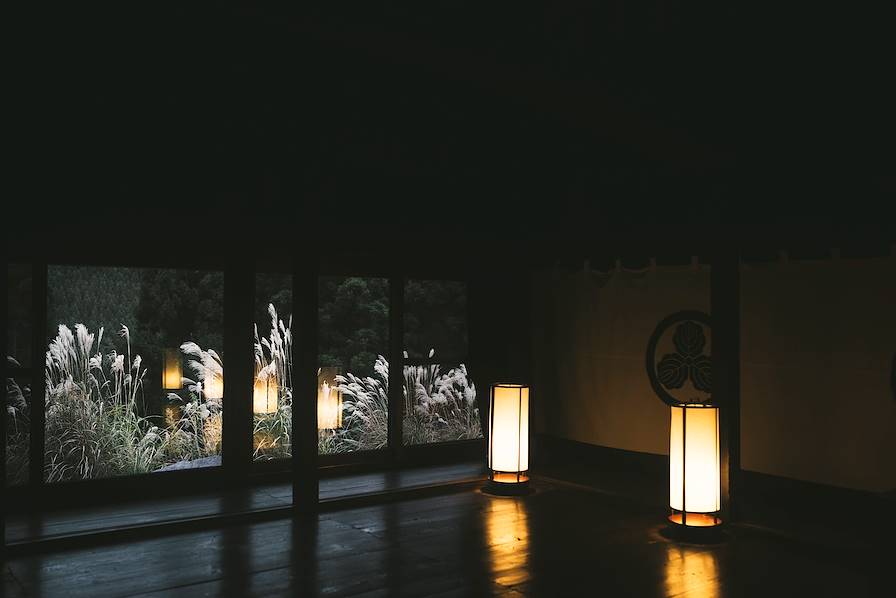
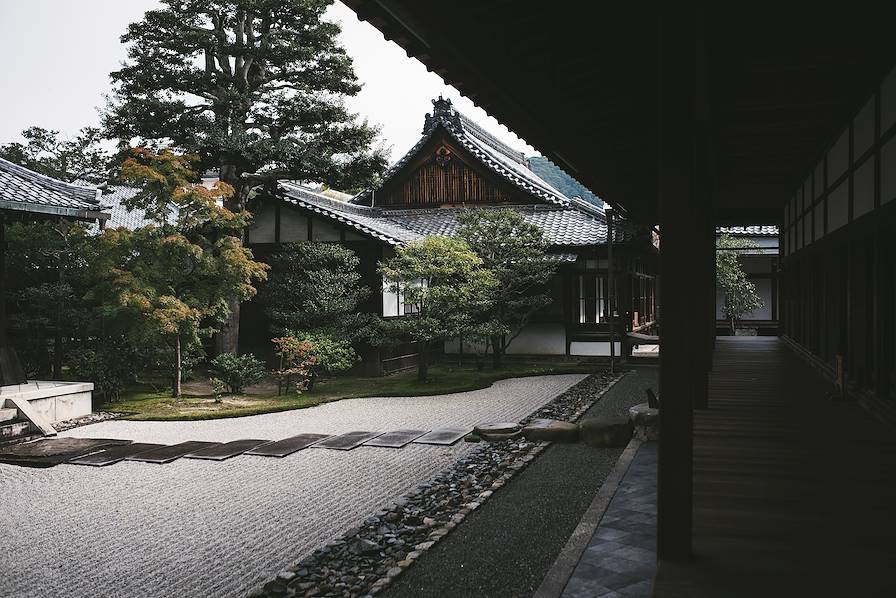
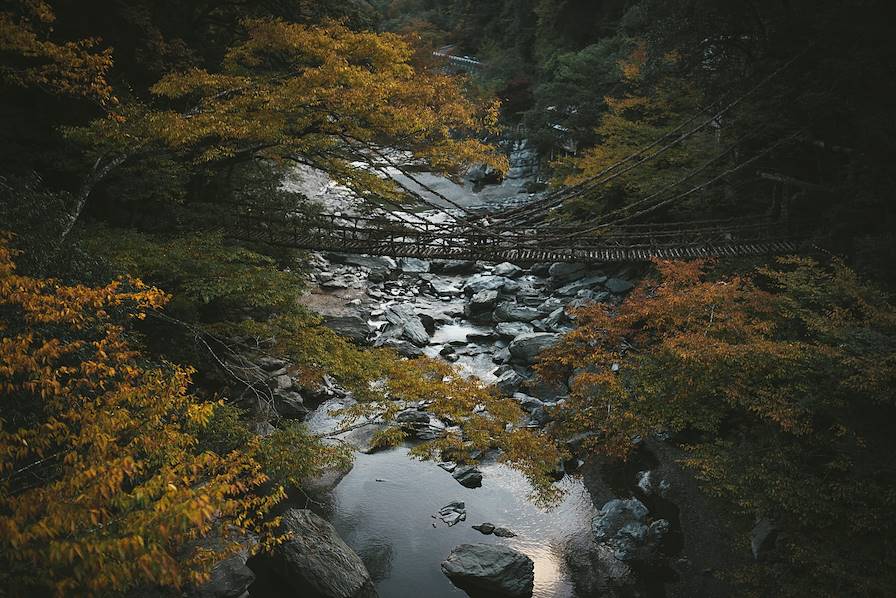
100% customisable for you
Night on board, arrival the next day.
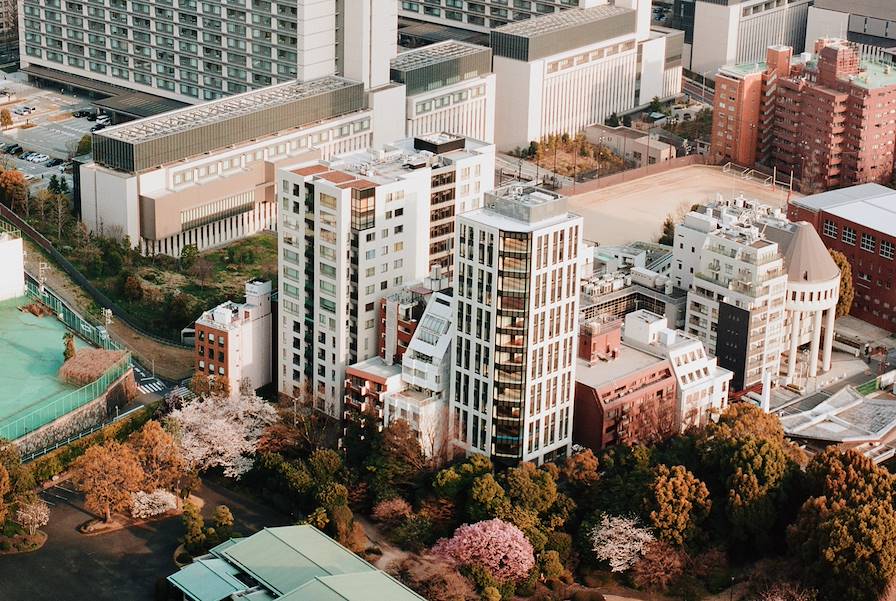
On arrival at Haneda Airport, you'll get a customised welcome and assistance to help you reach your accommodation in the city centre. Check in for a four-night stay near Shibuya Station. The hotel occupies the upper floors of a futuristic tower; the rooms are at such a height that each one offers a vantage point over Tokyo. There’s a sense of quiet formality throughout. Clean lines, industrial patterns and shades of grey, brown and white. Brick walls add a warm touch, as does wood elsewhere. The service is reliable and precise. Everyone loves the little robot that roams the floors and can even bring you a drink. In the restaurant, the chef masters both Japanese and French cuisine - a double talent that never fails to surprise and impress. And the bartenders are masters of cocktails.
In your itinerary - Tokyo in the footsteps of a local. We've connected you with an expatriate who has become a true connoisseur of the Japanese capital - probably the best way to get your bearings. Because even if Japan feels familiar in certain ways, it can still be disconcerting in others. So, to experience and see things like a true Tokyoite, you explore the city with an expert. Nothing is planned in advance, you'll just discuss about your preferences, passions, questions and knowledge, then set off to see how the city responds. Along the way, as the conversation flows, you’ll gather advices and insights that will be extremely useful for the rest of your trip.
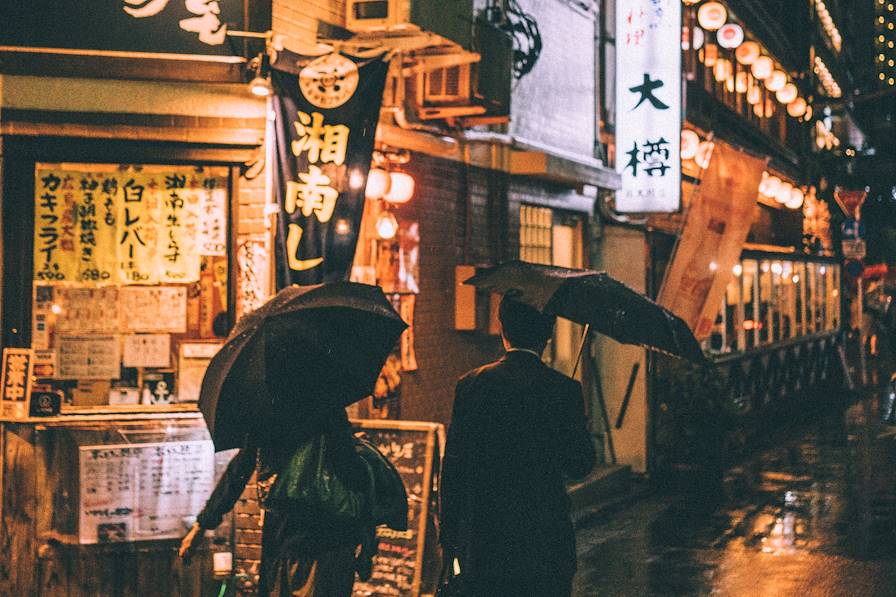
Capital of the East and a thriving, modern global city, Tokyo's energy, innovation, imagination and audacity are as intoxicating as a fine sake. This is where tomorrow’s trends take shape - in food, technology, gaming and more. A hint of eccentricity awaits in Harajuku, where lolitas and cosplayers rival one another in manga-inspired dandyism. For cutting-edge electronics, Akihabara’s giant stores deliver in spectacular fashion. Those seeking calm will find it in the gardens of Rikugi-en and Koishikawa Koraku-en. For quirky museums, the Daimyo Clock Museum, the Japan Toy Museum, the Tabi Museum - offer unexpected detours. For a taste of traditional Japan, book tickets for kabuki or no theatre, or attend a sumo contest. Then it's time to gain some altitude: climb to the top of Shibuya Sky, a 230-metre tower whose rooftop terrace overlooks Shibuya and the vast expanse of Tokyo. On clear days, you can even catch a glimpse of Mount Fuji… In fact, Tokyo always seems to be a step - or several - ahead.
Optional - Kamakura with a local.
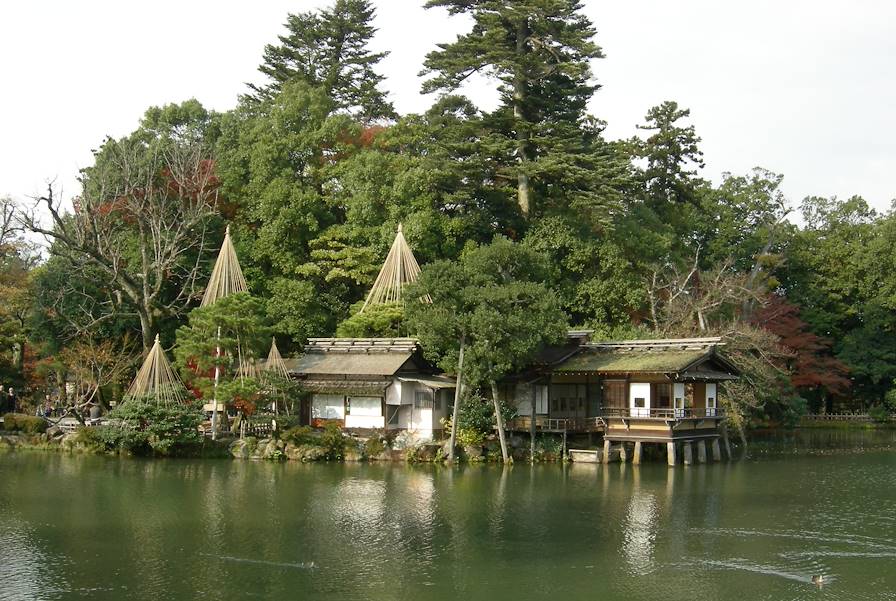
Departure for Kanazawa aboard the Shinkansen, Japan’s bullet train. The city is home to Kenroku-en, counted among Japan’s most beautiful gardens and refined over three centuries, from the 17th to the 19th. Overnight stay in Higashi Chaya, the former district of tea houses and geisha. A handful of rooms span the ground floor and first floor of your new accommodation, a charming machiya (traditional townhouse). Private spaces stretch out in a way that is rare in Japan. Rooms are separated by sliding doors that glide softly, and offer everything a modern traveller needs, including a kitchenette and a washing machine. A delightful little Japanese garden is tucked away somewhere. At breakfast, the property takes a small step aside from tradition, to satisfy (and sustain) its guests.
In your itinerary - The art of Japanese lacquer, a private visit. This craft is thought to have existed in Japan for more than 6,000 years, with different techniques found in each region. The creations from the city of Kanazawa are especially renowned. So you’ll take advantage of your time in the city to discover this lengthy, meticulous process with a passionate artisan.
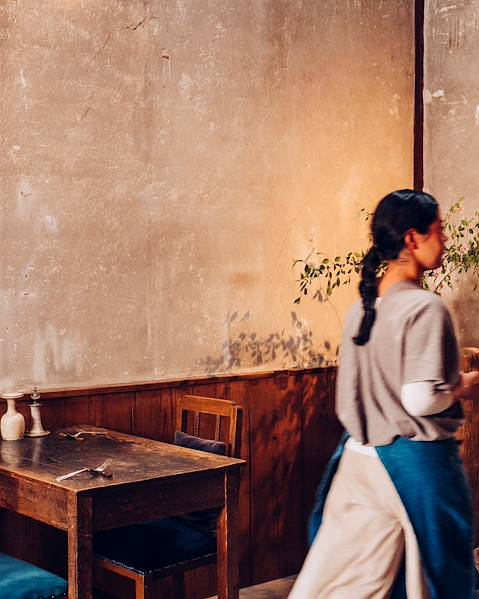
First, take a bus to Shirakawa-go in the Sho Valley. Listed as a UNESCO World Heritage site, this historic village features many gasshô-zukuri-style chalets (“built like hands in prayer”), a reference to their steep, thick thatched roofs. Combined with the mountain setting, the village exudes a timeless feel. Back on the bus, this time to Takayama, whose artistic heritage never fails to impress - definitely worth a mention are the Takayama Jin’ya, an Edo-period prefectural seat (17th-19th centuries), and the merchants’ houses of Sanmachi-suji (17th century). Finally, take the train to Hida Furukawa and settle in for two nights on the right bank of the Miyagawa. Local carpenters have shown expert skill and contemporary vision in the building of this large house. Expect clever use of pale wood, nothing heavy, and sliding screens. In keeping with core aesthetic choices, the furniture is adapted to modern living.
Founded by the son of Takayama’s bâtisseur, Hida Furukawa is, in a sense, its offspring. With a grid layout, old streets lined with storehouses, and a small canal where carp swim, this is the Japan of old. To begin with - and to better understand where you are staying - you can visit the museum of vernacular architecture, Hida no Takumi Bunka-kan. With tools, models and techniques, it's an art that has built the reputation of Hida carpenters since the 8th century. All this will work up an appetite, so attention turns to Hida beef, one of the highlights of Japanese livestock farming, or, in season, to ayu fish, freshly caught in the clear waters of the river. Sake is another Alpine speciality: with good water and good rice, simply add skill and you get drinks that rise far above the ordinary.
Optional - Cycling through the Japanese countryside.
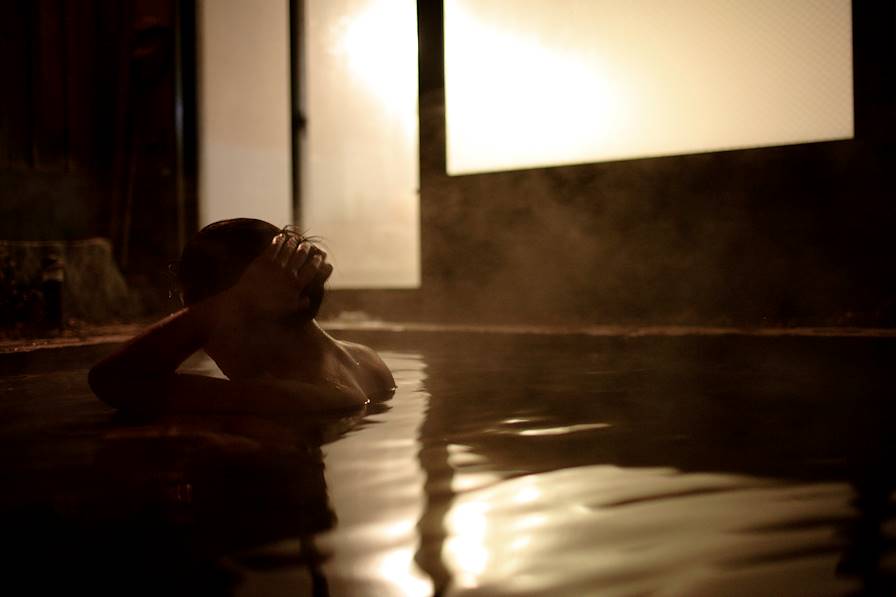
Train to Kyoto using the Japan Rail Pass, valid for one week. Check in for a four-night stay in the central and peaceful Nakagyo district. The hotel façade echoes traditional architecture. The whole property, in fact, nods to Japan’s aesthetic heritage while being fully of its time. Inside, it’s all about clean lines and high-tech comfort. Rooms are comfortable and very well equipped, with good quality bedding and useful connections. There are private bathrooms throughout, but also a daiyokujo - a public bath with treatments and massages. At breakfast, you'll find a buffet packed with plant-based ingredients and Japanese, Chinese and international options. Light meals, coffee, tea and a variety of drinks are available at the lounge bar throughout the day.
Kyoto Already included - Kyoto in the footsteps of a local. The principle is the same as in Tokyo: once again, we put you in touch with an expatriate guide. Of course, in Kyoto, history and culture cannot be ignored - and it would be a shame not to take the opportunity to delve a little deeper. That said, the city is clearly contemporary, too; this is part of its charm, and your guide is perfectly placed to demonstrate it. So you aim to strike a balance. That's what the initial discussion is for. Once things are clear, the tour begins.
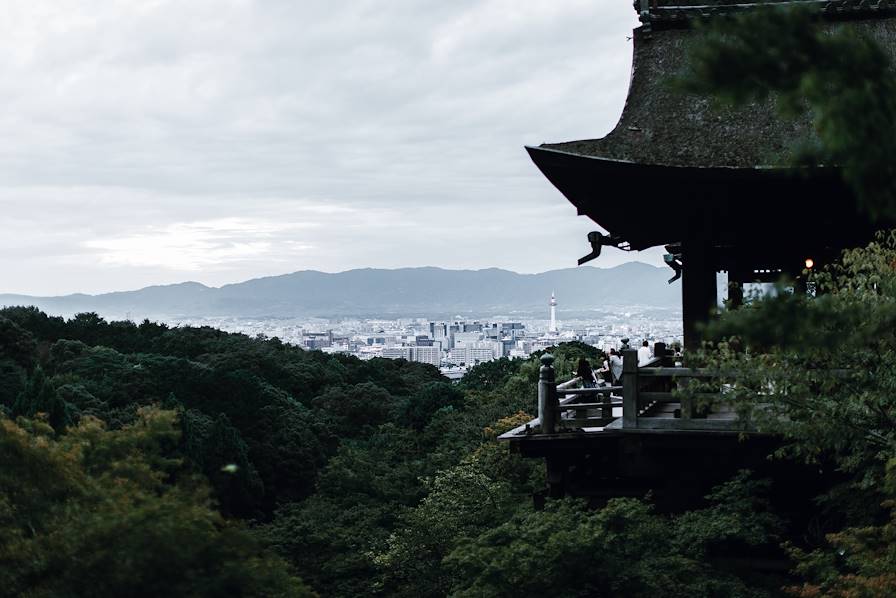
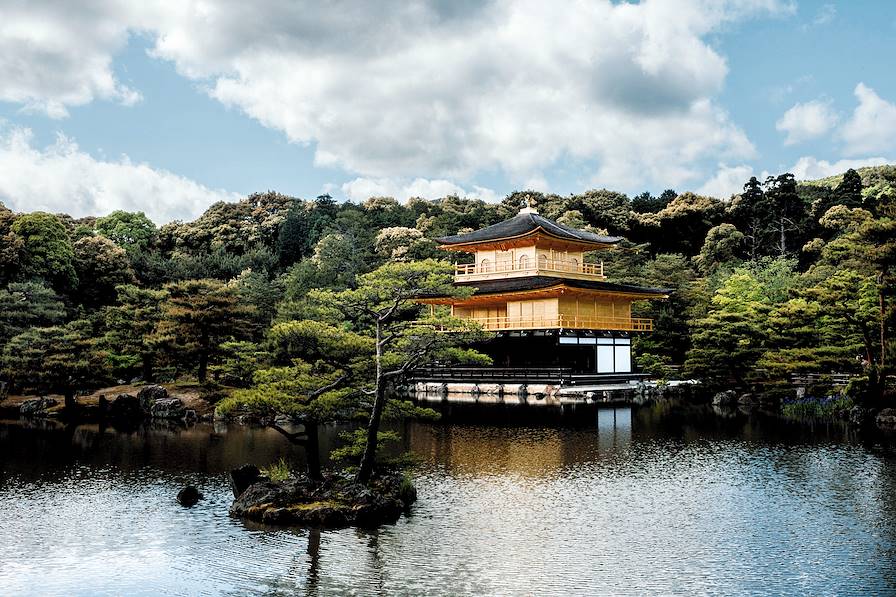
From traditional machiya townhouses in the magnificent Gion district to the rock garden of Ryoan-ji via soba noodle restaurants in town; from the terrace of the impressive modern train station (built to mark the 1,200th anniversary of the founding of the ancient capital, designed by architect Hiroshi Hara) to the terrace of the remarkable Kiyomizu-dera Temple, whose current buildings date from 1633, the magic of Kyoto, a city that blends poetry, art and modernity to perfection, never fails to cast its spell. This city is intoxicating, like the nostalgic scent of yesteryear that drifts from its old neighbourhoods, an intoxication that lingers like a dream long after waking.
Optional - A private guide for Himeji Castle.
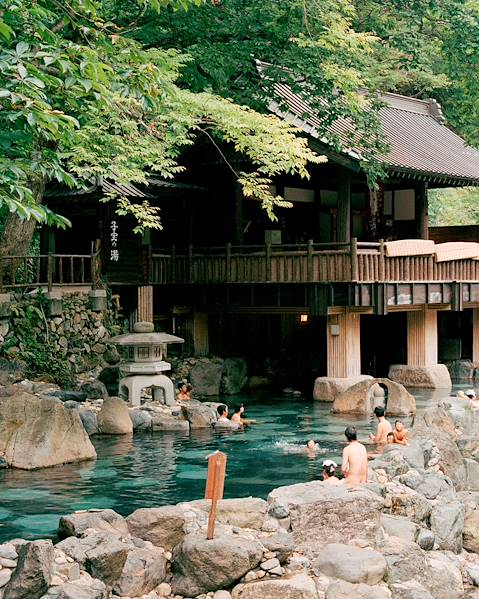
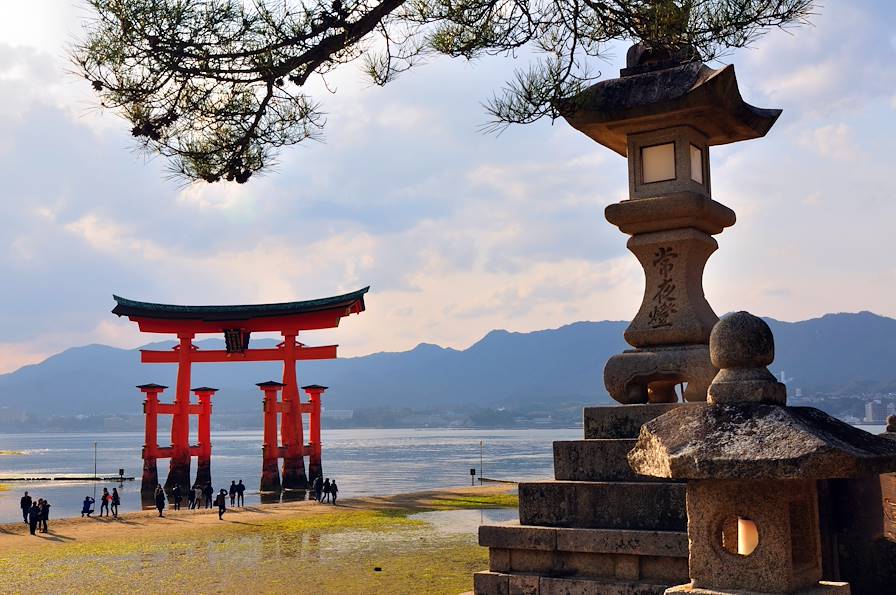
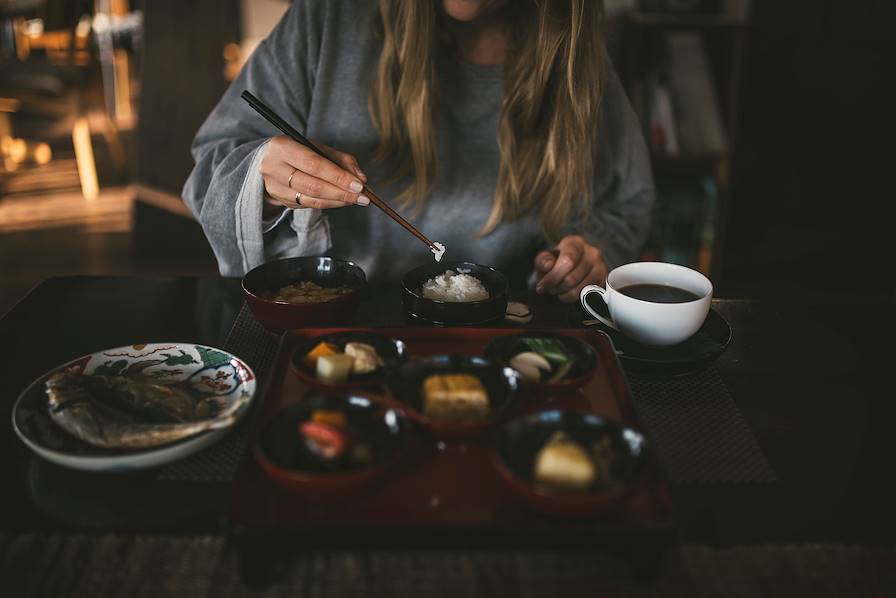
To reach Miyajima, allow for a train journey with a few changes and a short ferry crossing. On arrival, settle in for the night in Momijidani Park, where the maples blaze spectacularly in autumn. Founded in 1893, the ryokan today is made up of three buildings in miyadaiku style (the craft used by temple carpenters). The atmosphere is exquisite. The balance with nature is subtle. The space feels joyful. Traditional furnishings sit comfortably within the building’s architecture. You sleep on futons. Meals are served in your private space, at a low table. Kyoto cuisine here showcases the chefs’ impeccable technique.
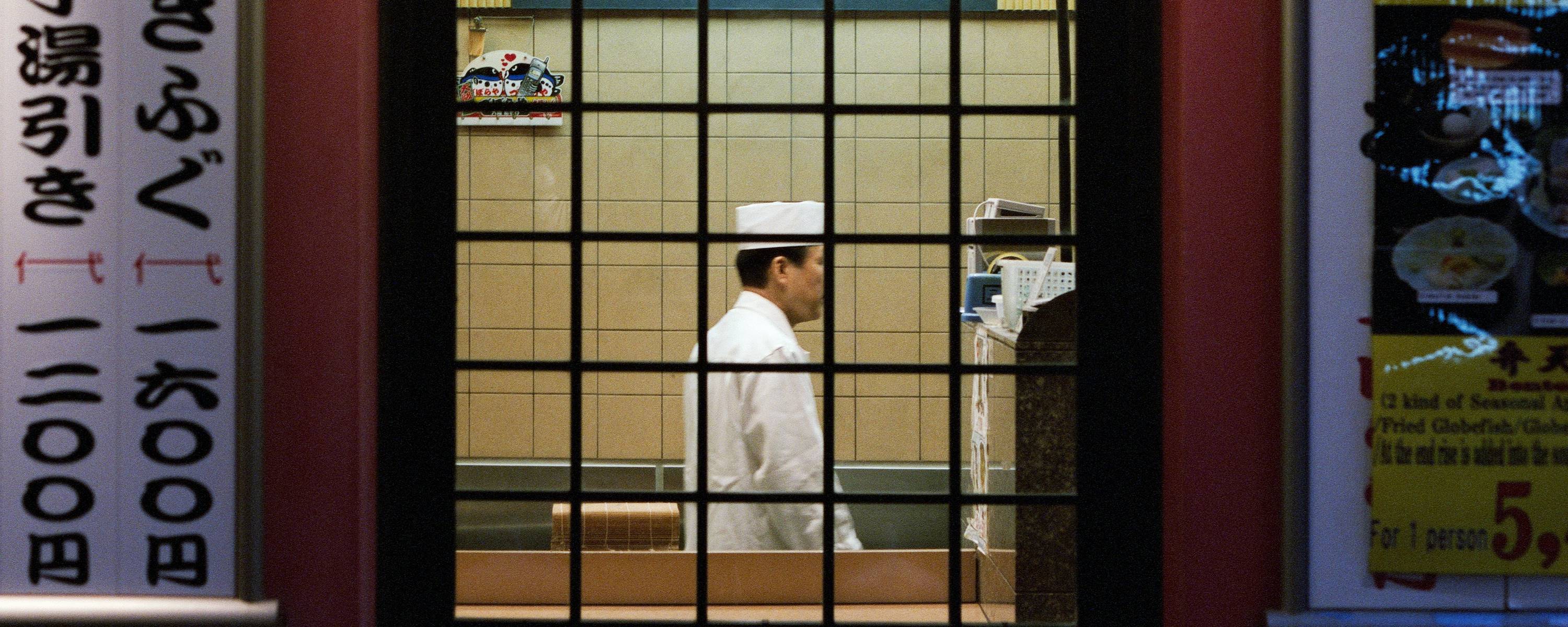
To leave Miyajima and reach Osaka, it’s the same, but in reverse: ferry, then train with a few changes. On arrival in Japan’s third largest city, settle in for the night just ten minutes from the main station. In the entrance, your attention is immediately drawn to the lounge space, where a grand staircase and a fireplace proudly stand. Spread across the floors, the rooms pay tribute to the modular design of Japanese bento boxes, transforming a 269 sq ft (25 m²) room into a functional living space. The restaurant lives up to the city’s impressive culinary scene. And before heading back in, do try takoyaki - the famous octopus balls that are a local speciality.
Train to the airport, still using the Japan Rail Pass, then international return flight.
This suggested itinerary can be customisable down to the smallest detail, including duration, stops and content. An à la carte menu of experiences is also available to create a journey that reflects who you are.
Every day, our travel specialists craft bespoke experiences shaped around each traveller's profile, desires and budget. These passionate experts design experiences delivered on the ground by a local network of Concierges and trusted contacts. These fully customisable, made-to-measure trips are complemented by a wide range of high-end services (lounges, 24/7 assistance, travel booklet, app, Wi-Fi, restaurant booking, etc.)
Let us create your trip
Travel with complete freedom, guided by your interests,
ideas and passions.
250 travel specialists, organised by country and region. Driven by a passion for beauty and never short of ideas, they inspire you and design an ultra-personalised journey: itineraries, accommodation, workshops, encounters, and more.
Always at your service: with a dedicated travel specialist, Concierge service and 24/7 assistance, our teams support you and adapt in real time, for a trip that is both flexible and expertly supported.
With family, as a couple, in a group of ten, on a road trip, by train, by boat, for a weekend or a round-the-world journey... Trips tailored to your preferences, enhanced by clever services, for ever smoother travel.