100% customisable travel idea
From the Himalayas to the forests of Rajasthan In the footsteps of the snow leopard and the Indian tiger
India - Ladakh - Jaipur - Ranthambore - Agra
100% customisable travel idea
India - Ladakh - Jaipur - Ranthambore - Agra
100% customisable for you
On arrival, transfer by private vehicle to Delhi Aerocity. Located next to the airport, the hotel complex was created for the Commonwealth Games. It is both modern and secure, and provides easy access to the terminals - ideal in case of late arrivals or early morning departures.
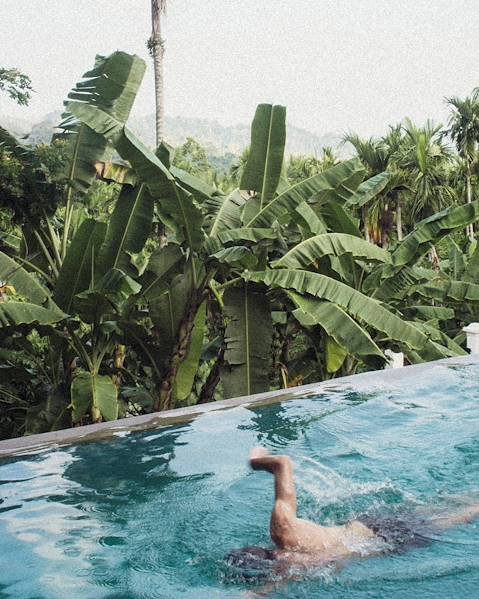
Overnight stop in a large contemporary hotel with all the added bonuses of an international chain. Everything is geared towards a smooth operation and guest comfort. The overall tone is clear and transparent: white and natural light interspersed here and there with flashes of colour. The designer furniture creates a sensation of lightness while the art collection is distributed throughout the many rooms. The accommodation is impeccably furnished and extremely comfortable. The restaurants serve both Indian and international cuisine. There is a gin bar to welcome guests. The Wellness Centre is well organised and run by professional teams. The outdoor pool is ideal for cooling off between flights.
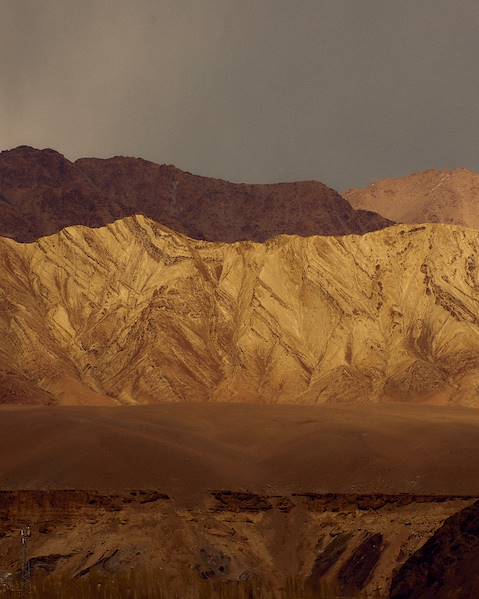
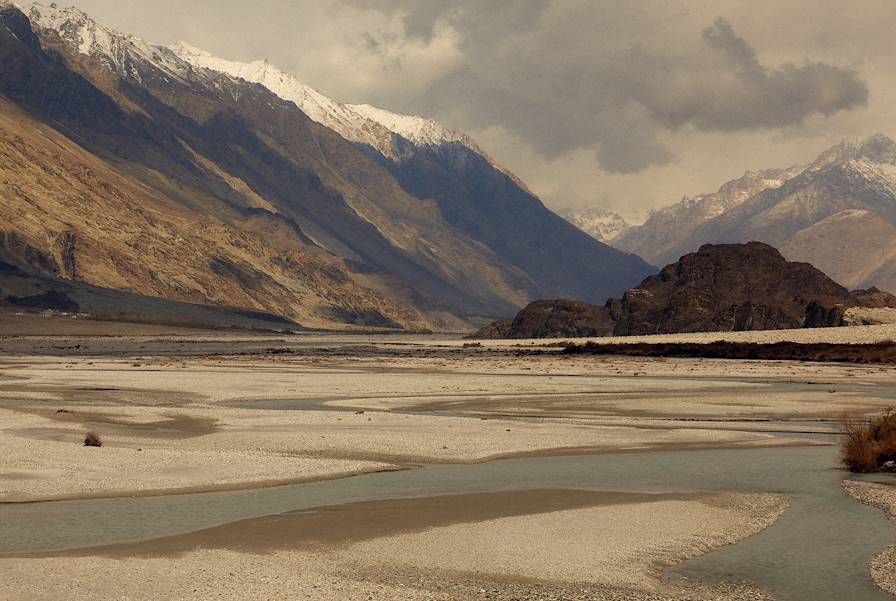
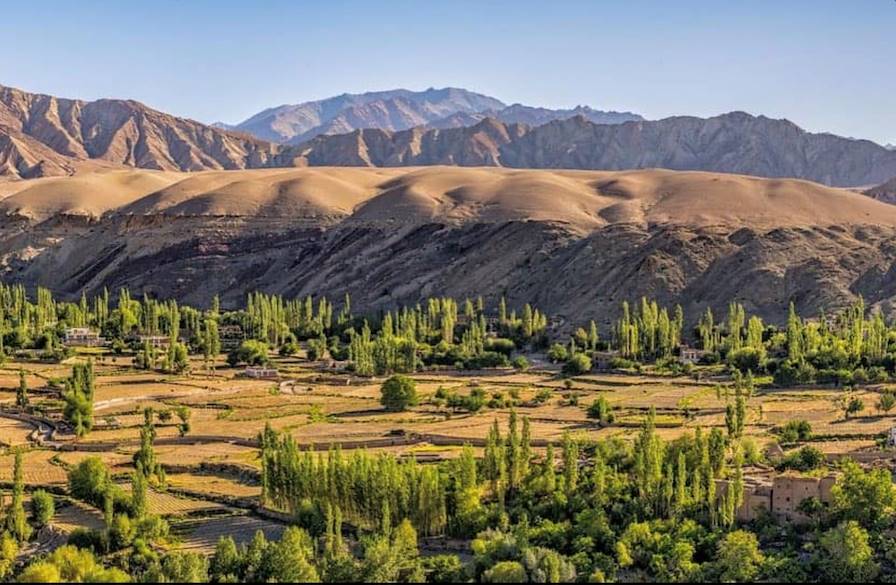
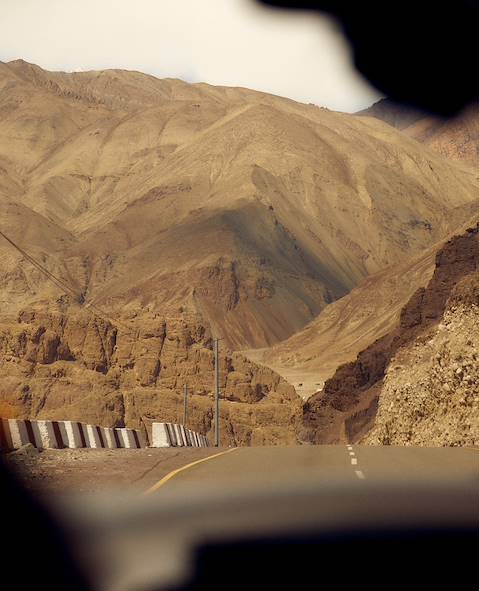
Flight to Leh, capital of Ladakh. Upon arrival, transfer by private vehicle to Saspol, in the Indus Valley, 60 km (37 miles) to the north-west. Savour the tranquillity of the great outdoors, nestling in the very heart of this region, popular with the Mughal Emperors. Your driver will point out small farming villages dotted here and there amidst the lush green fields. On the way, stop off to visit the Likir gompa (religious building). Built on a hilltop, the 11th-century structure embodies the ancient Kadampa tradition which has been passed down to the Gelugpa (its current custodian) and Kagyüpa Schools of Buddhism. Avalokitesvara, the bodhisattva of compassion (Buddhist deity) welcomes visitors. In class, the next generation of monks pour over the sacred texts and read aloud collectively. In the museum, feast your eyes on an impressive collection of ancient “thangkas” (paintings on fabric)
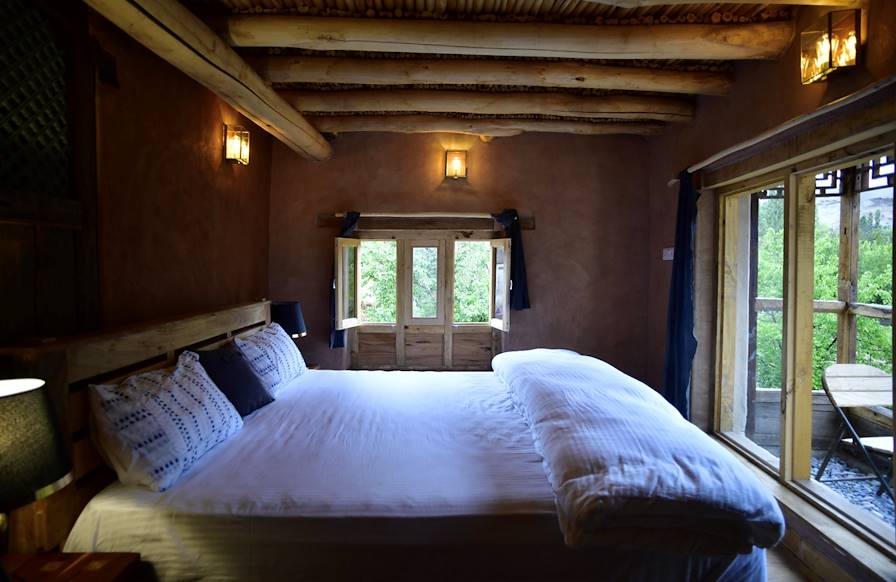
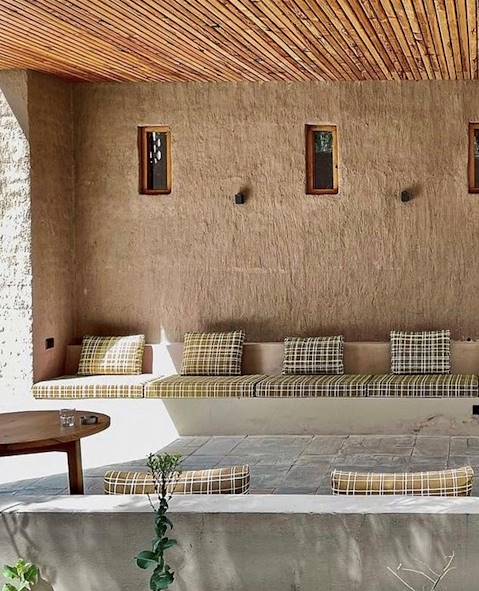
Enjoy a four-night stay in a century-old building surrounded by a garden with an abundance of fruit, walnut and mulberry trees. The rooms have a simplistic décor. Indeed, this natural minimalistic approach sets the local scene. The accommodation is well equipped (comfortable bedding, private bathroom). Breakfast is served on site. Dinner can be ordered to your room. The day gently draws to a close as you acclimatise to the altitude.
Scheduled: a day at the monasteries. The Alchi Monastery, managed by Likir (visited the previous day), was also founded in the 11th century. The Kashmiri influence is evident in the three main buildings: the Dukhang (main hall), Sumsteg (unknown function), and the temple of the bodhisattva, Manjushri. The walls are adorned with some of the oldest murals in Ladakh. The fascinating wood and stone sculptures really stand out. Some chörtens (stupas) date back to the 13th century, These complex symbolic structures are typical of Buddhism. Next stop: the Lamayuru Monastery, 1.5h away. Part of the Drikung Kagyüpa tradition (an “Oral-Lineage” school of the Red Hat Order), its origins also date back to the 11th century. The sanctity of the site has made it highly revered - even the most hardened criminals escaped death, provided they managed to get there. Pacts were negotiated there. Kashmir Muslims have always respected integrity. Tensions between Hindus and Buddhists led to the pillaging of the site by the King of Jammu’s troops in 1834. The current buildings date from the early 20th century and still accommodate 200 monks. Come and go as you please during the day thanks to a chauffeur-driven private vehicle as you continue to acclimatise.
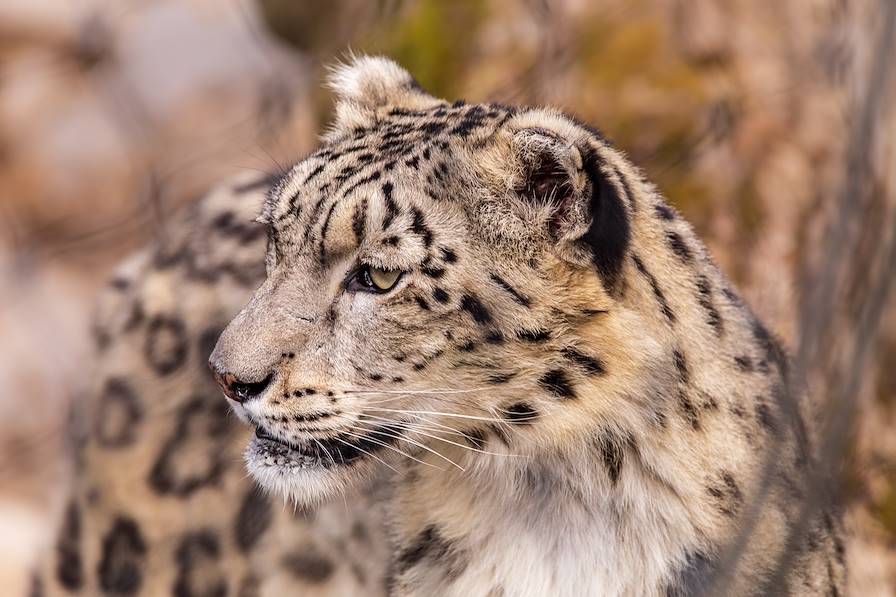
Scheduled: In search of the snow leopard. The Ladakhis call it “the ghost”, which explains just how difficult it can be to spot. A solitary creature, the animal frequents the high Himalayan plateaus where its spotted coat blends seamlessly against the lunar landscape. From November onwards, the big cat leaves the high mountain peaks and moves to altitudes more suitable for humans - particularly when it is searching for prey. The months of February and March coincide with the mating season. The valleys echo with the mating calls of the big cats, making them easier to find. Your dream team includes a naturalist guide trained to spot the “panthera uncia” and an experienced group of local snow leopard spotters. They rise well before sunrise to set off on a 2 to 3-hour trek to get a sighting of the animal (looking for tracks or droppings). You will be pointed in the most interesting directions from the outset. You can sometimes spot the snow leopard roaming along the ridge, scanning the horizon for its favourite prey - the large bharal or “blue sheep”, a stocky ungulate with thick horns, or the wild Ladakh mouflon (wild sheep). Their imposing build hardly intimidates the panther, as swift as it is agile, and capable of leaping 15 metres (49 feet). Your team will set up telescopes at strategic points, keep a close eye on the surrounding area and bring you hot drinks throughout the day.
Scheduled: Another day in search of the snow leopard. The day before, the big cat stayed true to its reputation for being elusive by cautiously staying out of sight. But your quest will not be in vain as Tibetan wolves, red foxes and even lynxes may put in an appearance. Bearded vultures and golden eagles circle patiently - they would be loyal allies in searching for the leopard, if only they would cooperate! Several hours later, a wave of excitement sweeps through the camp. Your guide has spotted a definite sign of life behind a rock. Minutes later, the snow leopard appears. Its coat ranges from pale grey to yellowish grey and is covered with dark spots. It has short ears and a piercing gaze. Its surprisingly long and bushy tail helps the animal maintain its balance, acting like a counterweight and also as a cosy cover-up as it drifts off to sleep. Its powerful legs take it from rock to rock in breathtaking leaps. The luckiest will witness the creature fall asleep before their very eyes or maybe launch a predatory attack. The less fortunate may simply catch a glimpse - indelibly etched in their minds - or perhaps a photograph.
Head back to base, elated by this recent encounter. Your driver will take the only road-worthy option available, connecting the two stops - one of the highest stop-off points in the world. Enjoy a two-night stay in modern, city-centre accommodation. The building’s impressive dimensions are softened by its compressed earth brick exterior. It seems as though a mountain is fast approaching. It is poised and ready to blend into the surrounding landscape. Rooms are located around a breathtaking atrium, bathed in natural light (from a skylight). The interior décor with its earthy tones is again minimalistic in terms of furnishings. There is an on-site restaurant and both indoor and outdoor cafés. Staff are attentive and always keen to hear about your latest encounter with the snow leopard.
Scheduled: Leh - private excursion. Leh, the capital of Ladakh, sits at an altitude of 3,500 metres. It was once an important stop on the Silk Road. After sampling local culinary delights, head to the city market to retrace the town’s history by searching through numerous photographs. Then, visit the Soma Gompa, the headquarters of the local Buddhist Association where the crowned Buddha and Padmasambhava are ready to welcome you. Tear yourself away in admiration and wander through the historic alleyways before inevitably ending up at the local market.
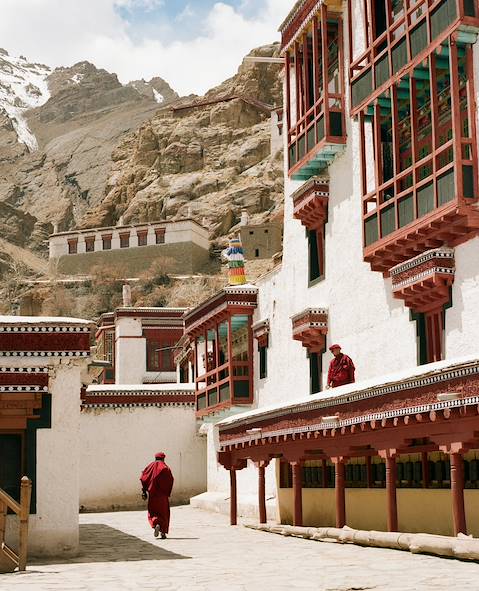
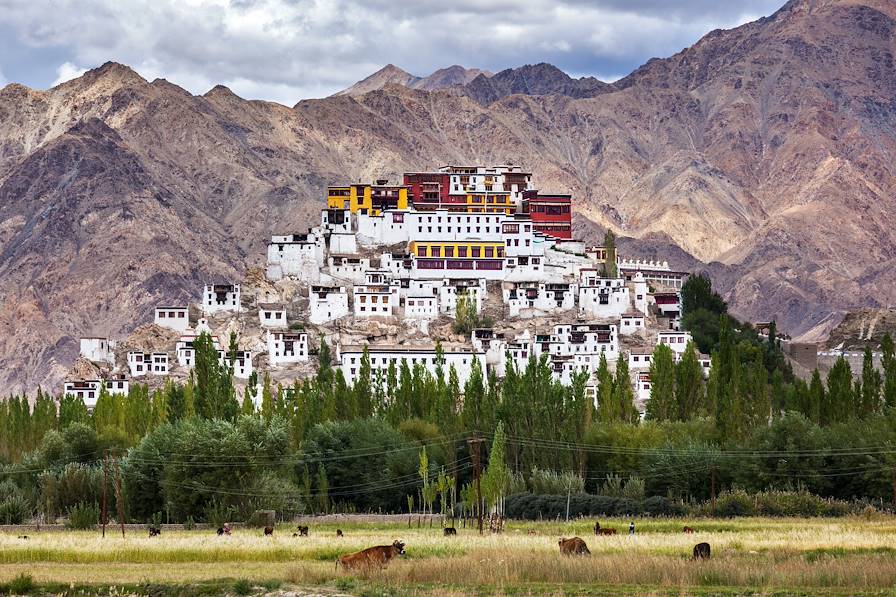
Scheduled: Set off early in the morning with your driver for Thiksey Monastery, which closely resembles Potala Palace in Lhasa. This Gelugpa Gompa (a monastic school of the Yellow Hat Order) is the largest in Ladakh. It is home to monks as well as nuns. You can attend the morning service. Thiksey is renowned for its murals and thangkas (paintings on fabric). The location also offers an exceptional view over the Indus Valley. High time for breakfast, country style. Visitors share their impressions with the guide over a cup of tea. Then get back into the car and head to Hemis Monastery, built in the 17th century. This is the main Gompa of the Drukpa Kagyu school (Oral-Lineage, school of the Red Hat Order) in Ladakh. The buildings that form the inner courtyard feature splendid galleries and painted wooden frames. Spot paintings of mahasiddhas, unconventional Buddhist ascetics. In addition to its superb thangkas, the monastery’s museum sheds light on the principles and symbols of Tantric Buddhism. A picnic by the Indus River is the next item on the agenda. Don’t forget that the river flows from Mount Kailash to the Arabian Sea, giving India its name. Spend the afternoon at the Stakna Monastery (16th century) - a remarkable structure perched on top of a rocky hill. This jewel in the Drukpa crown welcomed the royal family in its impeccably furnished apartments. It still holds one of the most well-stocked libraries in Ladakh.
Private transfer to the airport for the flight to Delhi. Upon arrival, meet your private driver who will accompany you over the next few days. Leave the Indian capital for Rajasthan travelling along a well-maintained route under the watchful gaze of the Aravalli hills. On the way, you will cross Haryana, a state in northern India, prior to reaching “the land of kings”. Notice how the décor takes on a more mineral aesthetic.
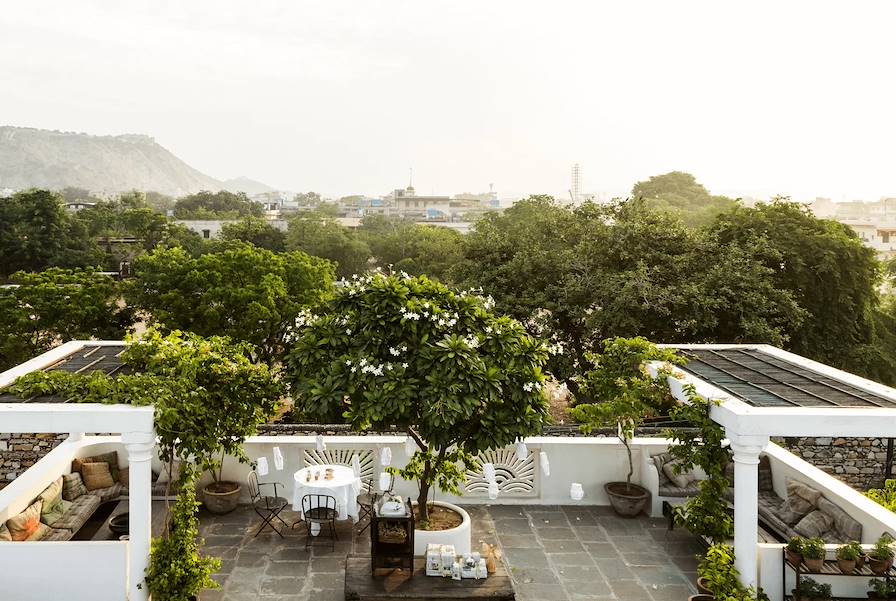
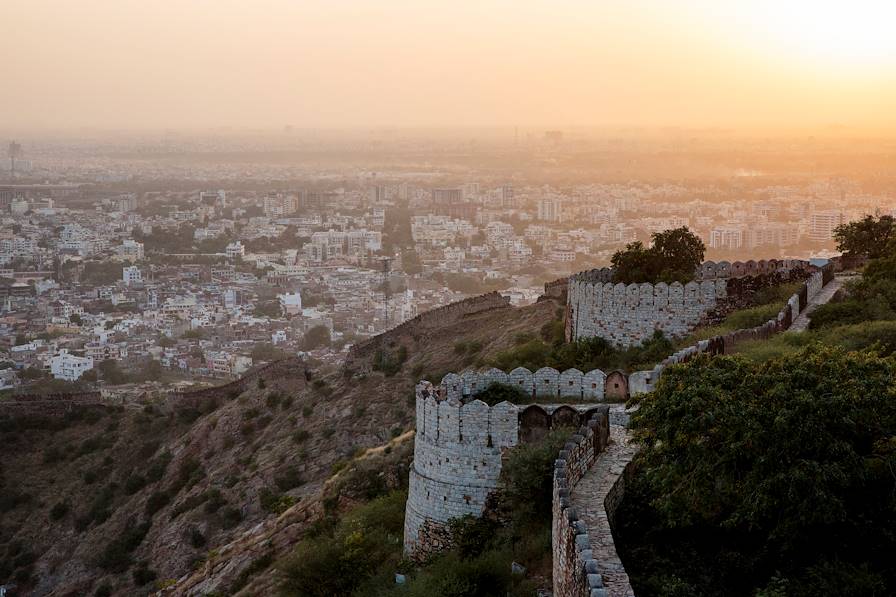
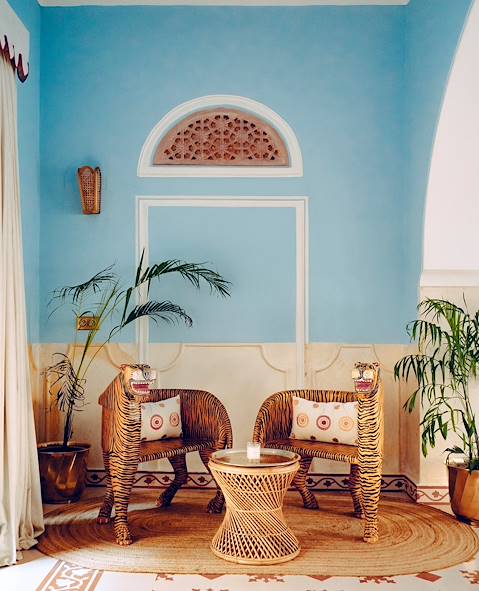
Spend two nights in the centre of Jaipur with the old town close by. The guesthouse is run by a family of jewellers with impeccable taste. The accommodation has all the trappings of an open-air art gallery, with carefully selected furniture, candles and vintage photographs creating a unique setting down to the minutest detail. No two rooms are alike, making occupants feel special. On the rooftop terrace, guests can sip traditional afternoon tea with an uninterrupted view of Nahargarh Fort (“Tiger Fort”, seen as an omen) before heading down for dinner in the garden. Shrouded in tranquillity, it is a comfortable refuge from the typical hustle and bustle of city life.
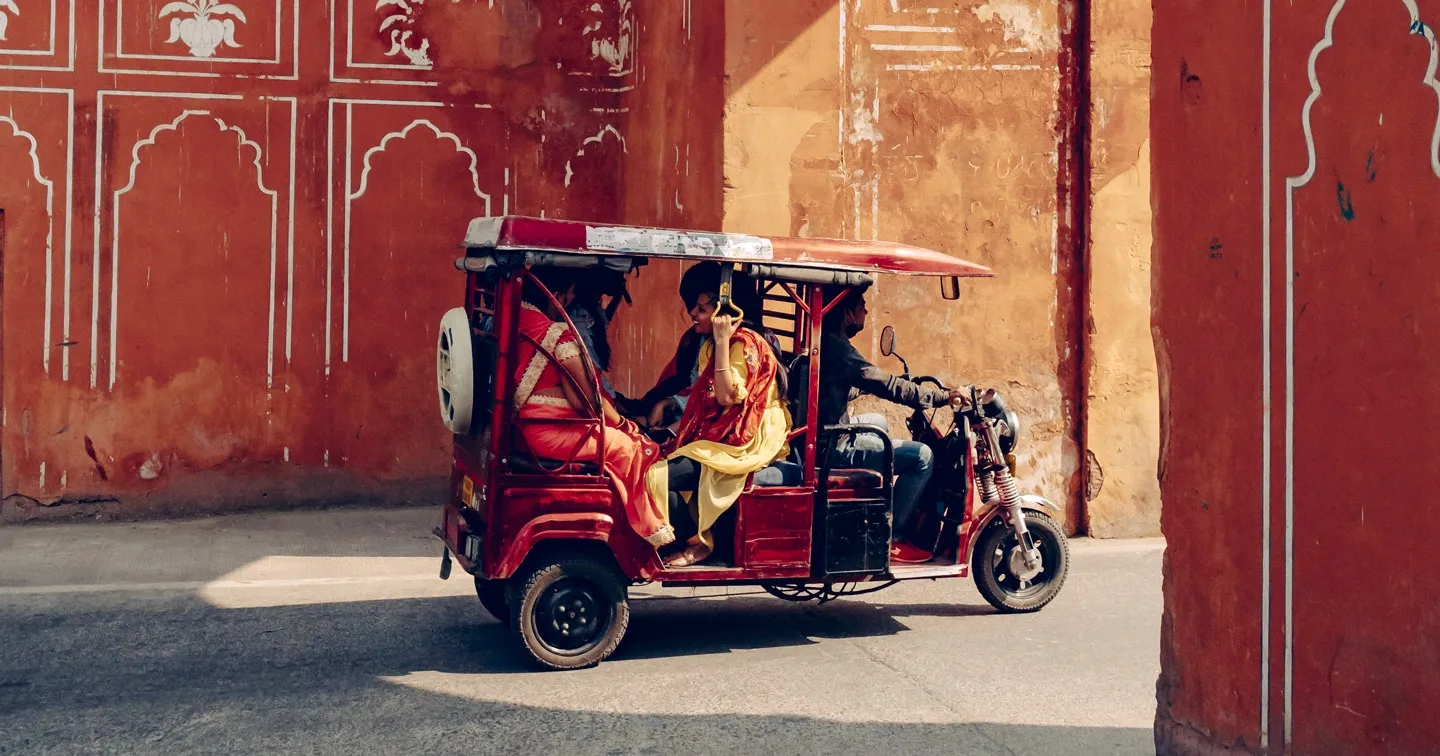
A city steeped in history and lavish legends, Jaipur exudes a unique, welcoming atmosphere. The capital city of Rajasthan has straight, unwavering avenues lined with bazaars, creating a vibrant, pulsating backdrop. Founded in the 10th century, the Pink City reached its golden age under Mughal rule, mainly thanks to Jai Singh II, who built the City Palace and the astronomical observatory in the early 18th century. The colour came into its own in the 19th century when Maharaja Ram Singh II had the walls painted pink, a symbol of welcome, for the visit of the Prince of Wales. He never came, but the pink stayed. Jaipur is also the place to shop in Rajasthan, with its mix of bazaars and trendy boutiques offering crafts, fabrics, tableware and more. You will never tire of this place and your driver will help you make the most of your stay.
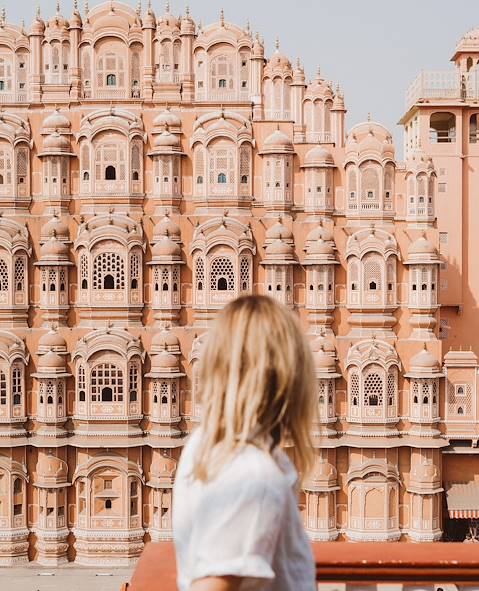
Scheduled: Amber Fort. At the foot of the Aravalli hills, the fortified city of Amber is reflected perfectly in the waters of Maota Lake. Accompanied by your private guide, the tour begins with the must-see Hawa Mahal (18th century). Its tall, magnificent pyramidal façade features hundreds of bay windows that allowed women in the royal harem to see without being seen. After this essential stop-off, discover a whole host of exciting locations including the Kali Temple and its many courtyards, the Women's Garden, the Hall for holding private audiences and the Man Singh Palace concealing twelve secret passages leading to the apartments of the favoured few.
Optional: take a stroll through the bazaars, private excursion.
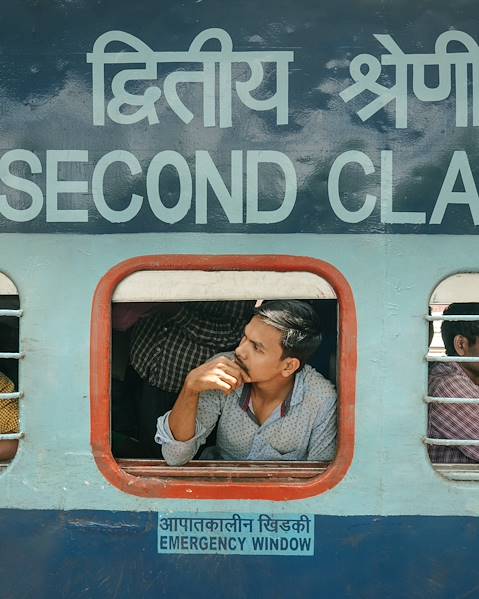
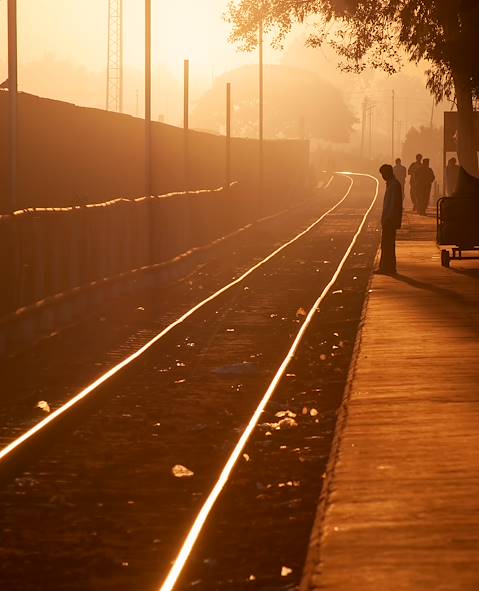
The train is the ideal form of transport to travel to Ranthambore, once the private hunting grounds of the Maharajas of Jaipur. The train station is not far from the park. Your driver will drop you off at the station and accompany you to your seat on board the carriage. As the train leaves the station, another facet of Indian life unfolds before you and you can share your experience with the locals. Upon arrival, you will be met at the train carriage door by your driver who will take you to your next retreat -
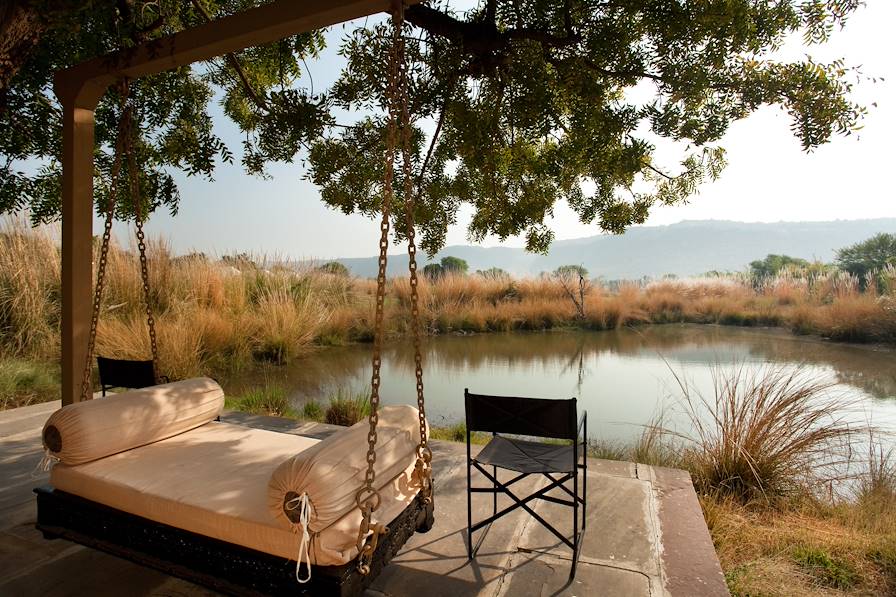
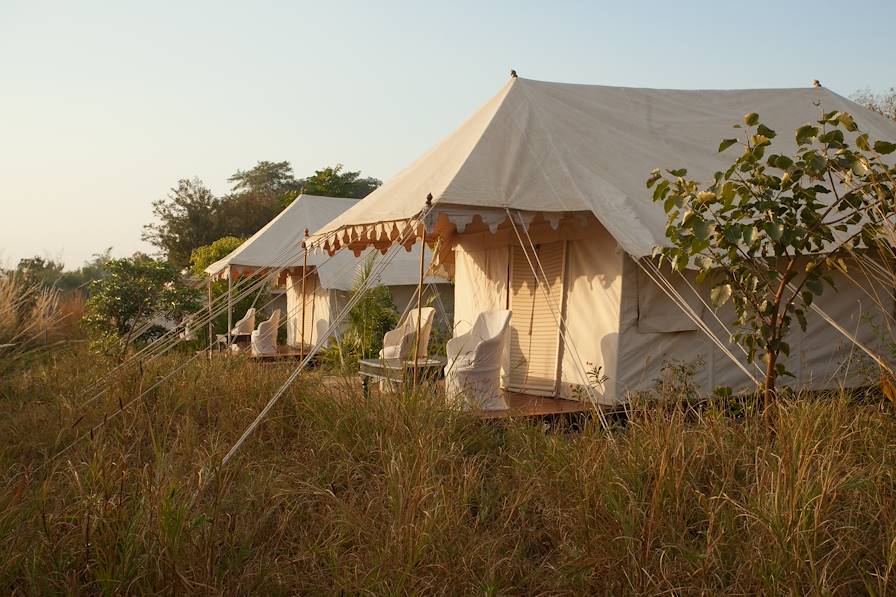
a two-night stay at the entrance to the park. This area is managed by the family of one of the historical figures involved in the protection of the Indian tiger and the creation of the protected site. Stay in cosy tents erected on stilts, African style, or in a cottage on the edge of the reserve with a view of the park. The pace echoes that of a safari, namely an early morning wake-up call and a light snack at the restaurant before heading off for a game drive. Time for an afternoon nap after another excursion. The restaurant offers vegetarian cuisine where guests can enjoy home-grown garden produce. Gather around the campfire after dinner. A swimming pool means you don’t have to swim in the lakes - leave those to the crocodiles! The small spa is simplistic but nevertheless pleasant.
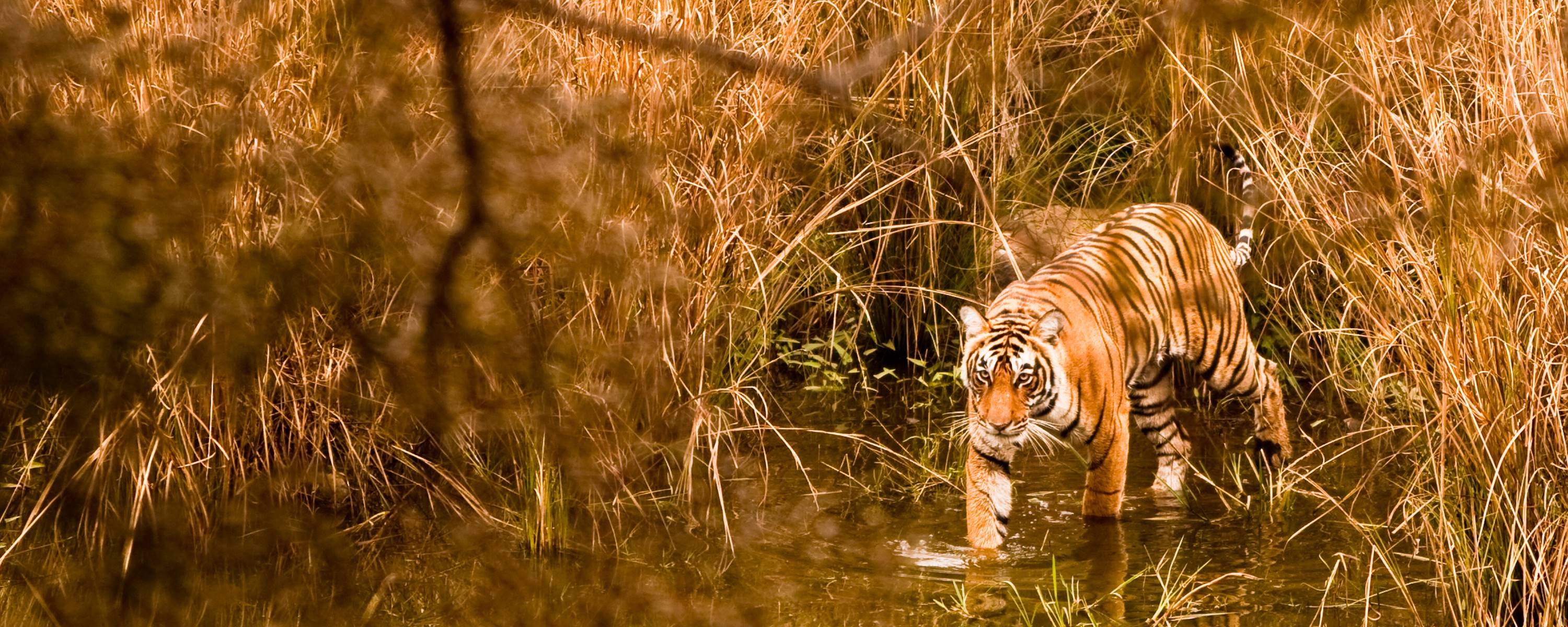
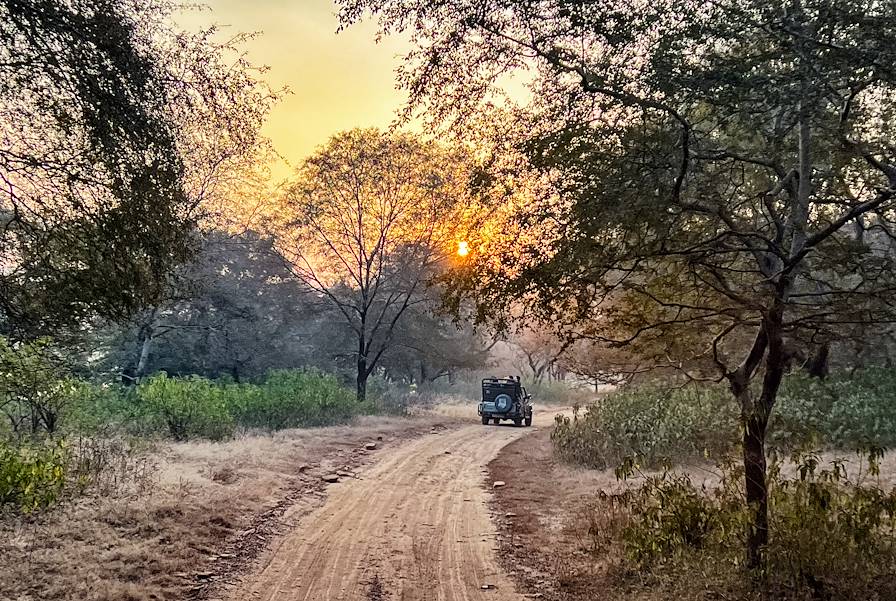
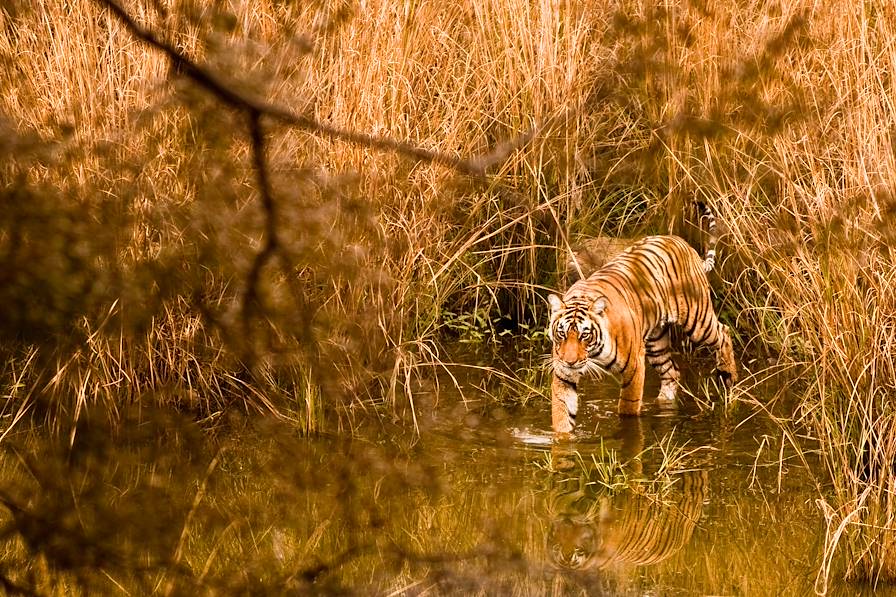
Scheduled: Tiger safaris. You can trust the Maharajas to keep the best locations a secret. Nestled in a gap between two mountain ranges, this crossing - once frequented by caravans laden with fabrics and spices - is well irrigated by mountain streams. The result is lush vegetation - rare in an otherwise arid state - and a diverse ecosystem comprising lakes, cliffs and plains that attract an incredible range of animals such as Sambar deer, Langur monkeys and sloth bears. However, the real star of the show is the tiger, whose population has risen to 80 thanks to the conservation efforts of those in charge of the site. Discreet and solitary, this animal is difficult to spot. Two daytime excursions plus the services of your own guide and naturalist will give you the best possible chance. And while its incandescent, striped coat may seem easier to spot than that of its distant cousin, the snow leopard, it is in fact perfectly camouflaged against the park landscape. Fortunately, your guide knows where to look (shaded forest areas during the day and near stretches of water in the evening) and which signs to search for, such as droppings or scratch marks on tree bark, in this vast area covering 1,334 km² (515 square miles), of which 400 km² (155 square miles) are open to the public.
Transfer in a private vehicle to the station where you will board a train to Bharatpur. You will once again be escorted to your seat in a first-class carriage with air conditioning, and met by your driver on leaving the train. This then takes you to Agra, capital of the Mughal Empire in the 16th century. Today, the city is a real open-air museum of red sandstone, with many perfectly preserved pools, courtyards and palaces.
Optional:
overnight stay en route to Agra (the imperial city of Fatehpur Sikri) in a hotel with a pleasant contemporary atmosphere featuring elements inspired by traditional India - such as arched ceilings. Each room is unique with its own natural colour combination. The rooms are comfortable and well maintained, right down to the restaurant featuring a contemporary bistro style: black and white check floors, retro chairs and marble tables. Authentic cuisine is served here with recipes reminiscent of childhood, made from fresh, local ingredients. The numerous bars, cafes and restaurants in the area add to the options available.
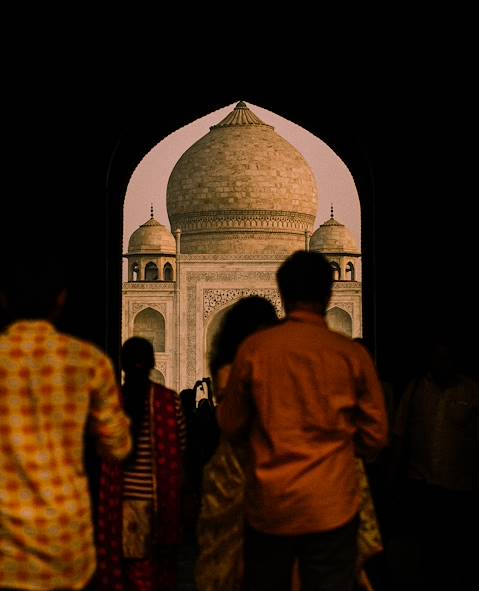
Scheduled: A visit to the Agra Treasures at sunrise. The city boasts an extraordinary architectural heritage, naturally epitomised by the quintessential features of Indo-Muslim architecture: the Taj Mahal, built by order of the Mughal Emperor, Shah Jahan, in memory of his wife, Mumtaz Mahal. Visit this interesting location at dawn, accompanied by a private guide. Standing on the banks of the Yamuna River in the heart of a 17-hectare Mughal garden, classed as the architectural jewel of Indo-Islamic art, never ceases to inspire dreams. Experience this combination of solids and voids, concave and convex forms, shadow and light, where arches and domes enhance the aesthetics - a powerful statement indeed. After breakfast, the morning itinerary continues at Red Fort, an imposing sandstone citadel that houses numerous imperial pavillons or small palaces - symbols of elegance and power. Slightly further on, discover the Itmad-Ud-Daulah Mausoleum, a testament to a transition in architectural styles and seen by some as the initial draft of the Taj Mahal.
After this awe-inspiring morning adventure, head towards Delhi Aerocity. Travel along the border between Uttar Pradesh and Rajasthan before heading back to the international airport complex. After returning your rental vehicle and bidding farewell to your driver, check into your hotel. Spend some time here before your overnight flight. Relax in your room and enjoy the hotel facilities such as the pool and possibly a massage. Evening transfer by private vehicle to the terminal. Night on board, arrival the next day.
This suggested itinerary can be customisable down to the smallest detail, including duration, stops and content. An à la carte menu of experiences is also available to create a journey that reflects who you are.
Every day, our travel specialists craft bespoke experiences shaped around each traveller's profile, desires and budget. These passionate experts design experiences delivered on the ground by a local network of Concierges and trusted contacts. These fully customisable, made-to-measure trips are complemented by a wide range of high-end services (lounges, 24/7 assistance, travel booklet, app, Wi-Fi, restaurant booking, etc.)
Let us create your trip
Travel with complete freedom, guided by your interests,
ideas and passions.
250 travel specialists, organised by country and region. Driven by a passion for beauty and never short of ideas, they inspire you and design an ultra-personalised journey: itineraries, accommodation, workshops, encounters, and more.
Always at your service: with a dedicated travel specialist, Concierge service and 24/7 assistance, our teams support you and adapt in real time, for a trip that is both flexible and expertly supported.
With family, as a couple, in a group of ten, on a road trip, by train, by boat, for a weekend or a round-the-world journey... Trips tailored to your preferences, enhanced by clever services, for ever smoother travel.