100% customisable travel idea
The East Coast and Île Sainte-Marie Encountering Madagascar’s breathtaking natural wonders
Madagascar - Antananarivo - Andasibe - Pangalanes - Île Sainte-Marie
Madagascar in its natural state
Your trip
It takes two flaps of the wings: one to go to Île Sainte-Marie, the other to return. The rest relies on local means and an all-terrain vehicle, with a private driver. It’s efficient, flexible and friendly. And it spares you many hassles. Since the Palmarium Reserve can only be reached by boat, you take a small motorboat to get there. This is what leads you along the Pangalanes Canal. On site, you walk, travel by pirogue, or ride an eBike. Your hotels blend seamlessly into their diverse settings. Urban in Antananarivo and Toamasina, but two different “urbans”. A lively seaside resort in Île Sainte-Marie; nature elsewhere (in this elsewhere, as simple as it may be, the retreats are altogether charming). Unexpected culinary treats make welcome appearances along the route. Malagasy kitchens are alive and cooking. The half-board option allows you to enjoy them in line with everything else. If you like, we can take care of restaurant reservations for you. Additionally, we have included on your itinerary an off-the-beaten-track encounter in Antananarivo and a delightful series of encounters with wildlife, from lemurs to humpback whales. All of this is accompanied by private guides. Would you like to extend the journey’s eastern finale with a western counterpoint? Just say the word. And if, along the way, an unexpected wish or a minor setback arises, you have the contact details of our on-site concierge to assist. The unexpected is exactly what it’s there for.
Itinerary
100% customisable for you
Night on board, arrival the next day.
Welcome and help with formalities. Private transfer and two-night stay just north of Lake Anosy. From the garden terrace, you have a lovely view of the garden. The colonial villa is charming and well ventilated. The white walls reflect the light. Inside, a restful shade awaits you. The decoration mingles chocolate, sienna and beige tones. No detail is overlooked. The few rooms are especially pleasant and intimate. High-quality bedding. Spotless bathrooms. Gleaming floors. Antananarivo will not disappoint. The dusky pink colour of the dining room suits it perfectly. It extends under the canopy. The chef is an artist, serving harmonious little masterpieces, with colours that set the stage for the flavours to come. Paired with French wines.
Scheduled - Art and permaculture supporting communities A former gymnastics teacher, entrepreneur, environmental activist and visual artist, Dieudonné has founded an art tin workshop and two schools with his wife about 15 km (9 miles) from Tananarive. Artisans, people in need from all backgrounds, and around 120 families live in the village, making a living from ironwork, permaculture and fish farming. The profits generated help improve living conditions for all and support an educational programme. With a private guide, you'll discover this unique and sustainable social and artistic initiative: visit the facilities and crops, and enjoy conversations.
Optional -E-bike tour around Tana.
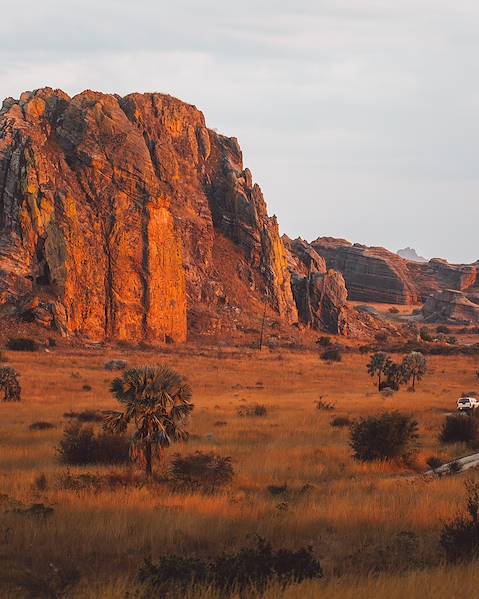
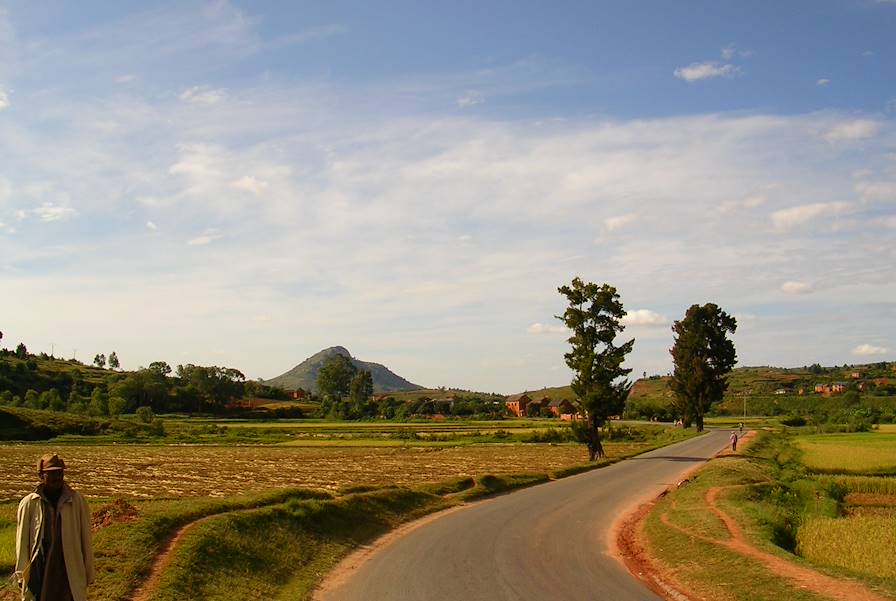
Scheduled - the village of Ambatomanga. You are joined by your driver-guide. Head east. Stop at the village of Ambatomanga, overlooked by the Blue Rock Rock, which has kept its charming 19th-century architecture. The granite mass of the rock is striking. The Protestant church is a heritage-listed site. Local farmers produce excellent cheeses. All this calls for a walk around the area, accompanied by a private guide
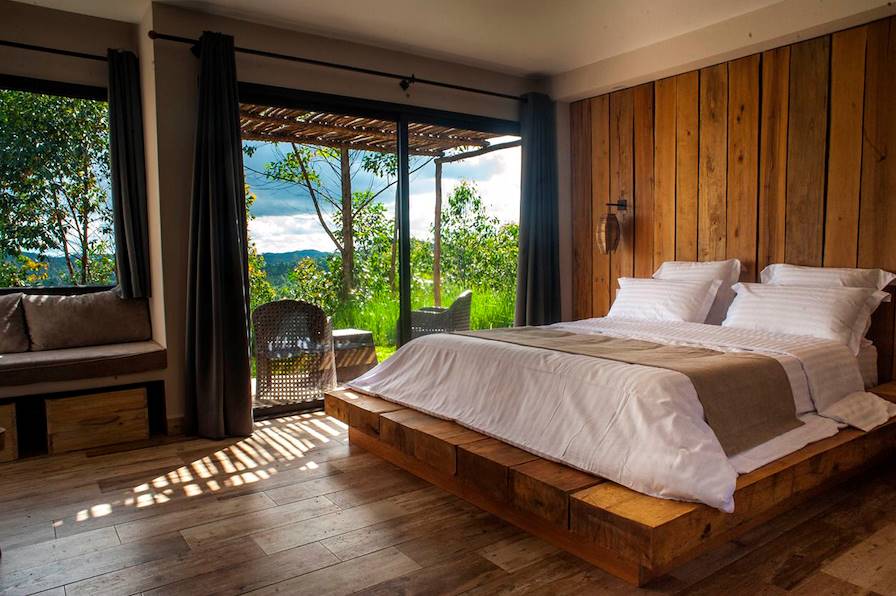
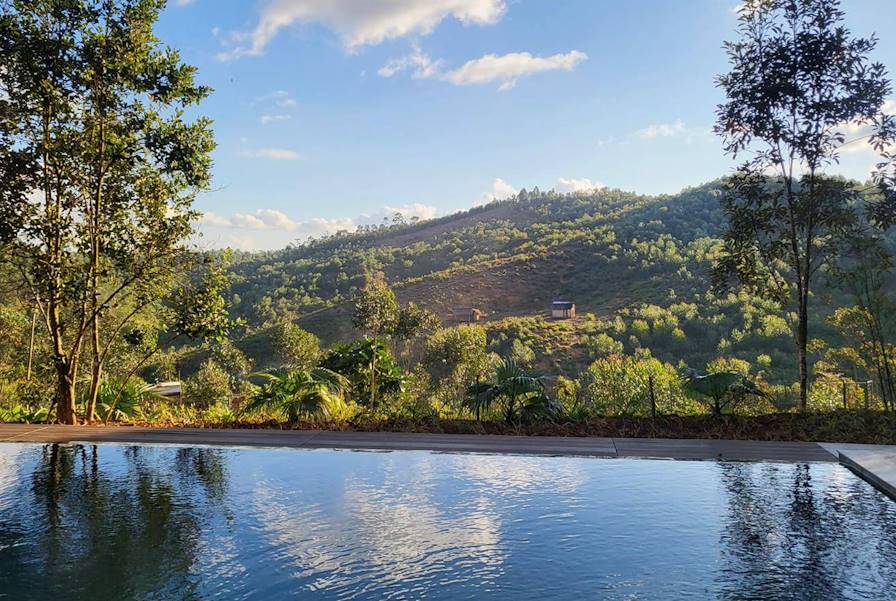
>. In Andasibe, you'll settle in for two nights in a modern house, mainly built of brick and glass. The layout is fluid and pleasant to live in. The rooms are simple; elegant and comfortable. They are decorated in natural colours. These qualities are reflected in the restaurant as well, where thoughtfully prepared dishes are served. A lovely swimming pool awaits in the wild garden Massages are available.
Also planned - - t The forest, at night. Along with other lemurs, mouse lemurs are active at night. But they are not the only creatures to live in these woods. Your headlamp will show you a vast range of wildlife.
Scheduled - The Analamazaotra Special Reserve,with a private guide. At around 1,000 metres (3,280 feet) above sea level, you can find the indri, which the Malagasy call babakoto. This diurnal, fruit-eating lemur behaves in a way that invites comparison with humans. It is more like a homonculusin fact as it stands about 70 cm (28 inches) tall and lives among the orchids of the rainforest. Long protected by taboos, it features in several origin myths. In total, about ten species of lemurs live in the reserve. And birds. The beautiful Madagascar blue pigeon, for example. Or the Malagasy calicalic. The crested coua. The Malagasy snipe. The metallic Angaladian sunbird. Etc.
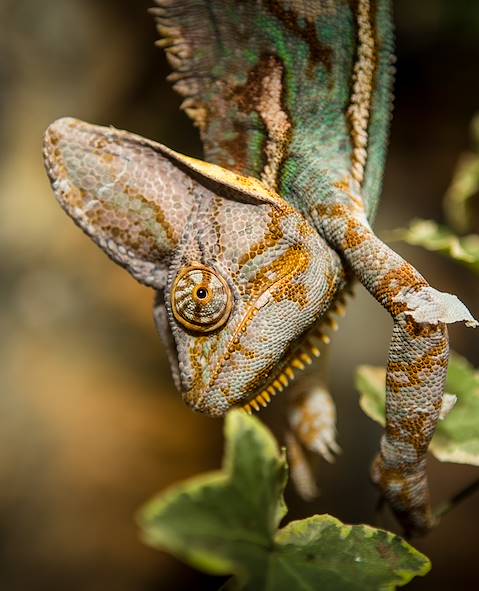
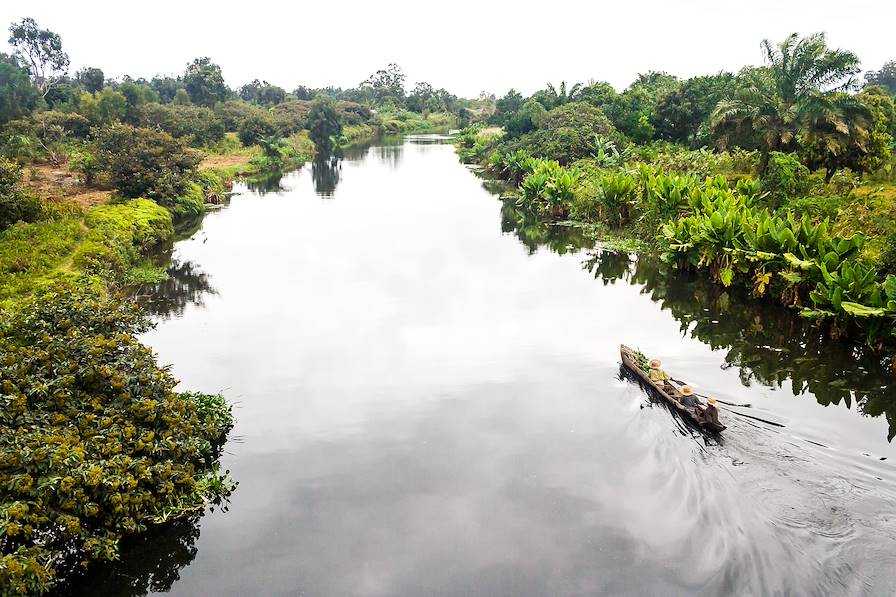
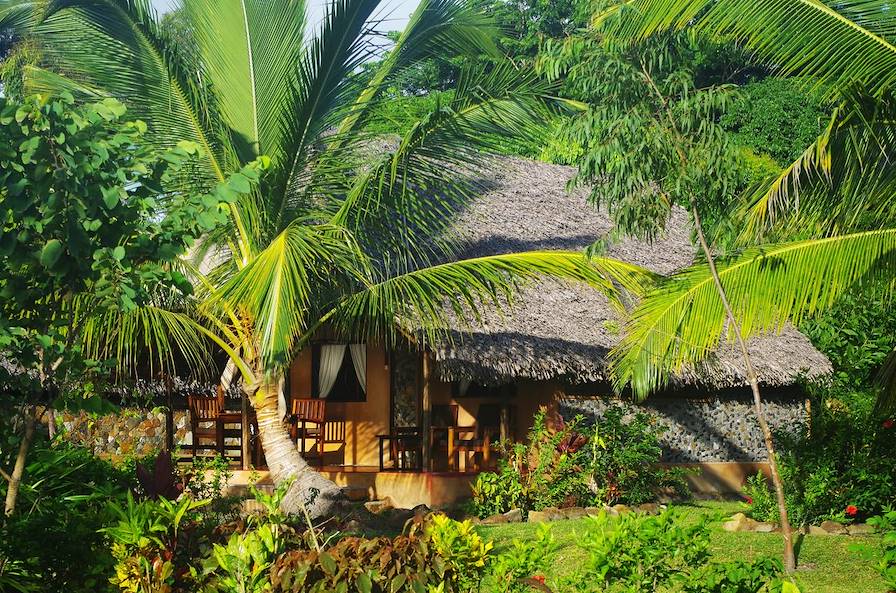
Drive to the Pangalanes Canal, continuing to Manambato on Lake Rasoabe. You say goodbye to your driver. And sail to Lake Ampitabe settling in for two nights at the Palmarium private reserve. The traditional pavilions are simple but well built and very comfortably appointed. The restaurant serves good Malagasy cuisine and international cookbook dishes. The lakeside scenery is remarkable. The surrounding woodlands are dense, and intensely green. Curious travellers have a good chance of spotting the panther chameleon in the area. However, people mainly come here for the lemurs, the main attraction of the reserve.
Scheduled - the aye-aye. This cousin of the lemurs is hard to spot. Discreet and nocturnal, it prefers dense forest environments, which conceal it. However, it has been spotted on an islet in the canal. A commotion, swiftly contained through careful access control, to ensure that the aye-aye can continue living undisturbed. You reach the site by boat with a private naturalist guide. From there, you can observe the tiny creature without disturbing its peace.
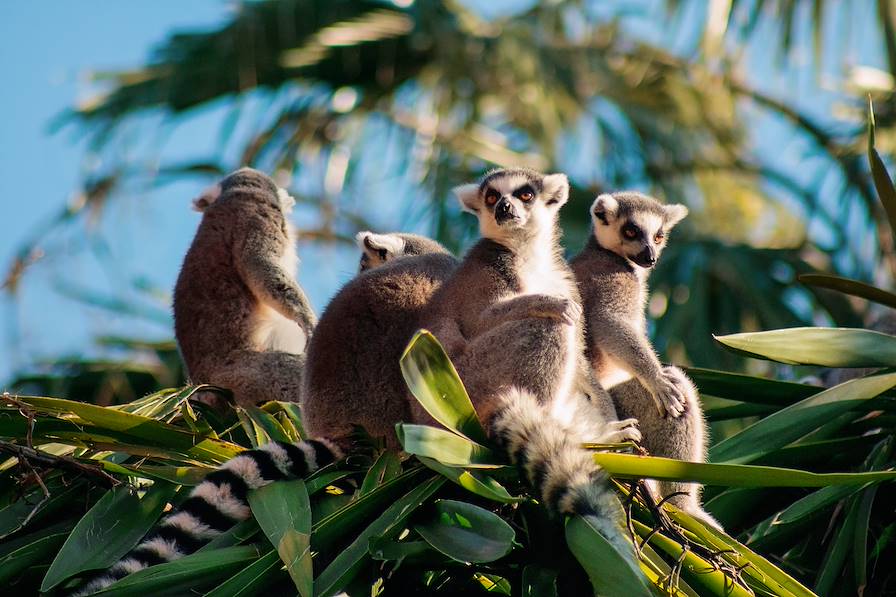
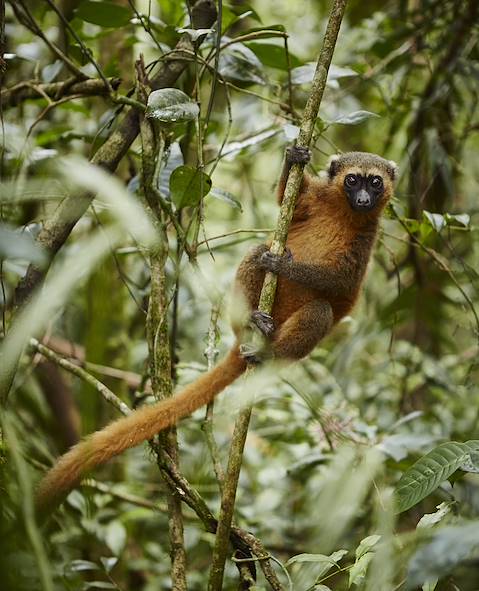
Scheduled - The Palmarium Reserve A guide helps you distinguish between the indri, the black-and-white ruffed lemur with its striking sideburns, , and the crowned lemur. The white sifaka - is an original character, moving along the ground with graceful leaps. All these animals may display a certain curiosity toward humans. In these regions, still partly unspoiled, the plant life is exceptionally diverse. For example, you can spot carnivorous pitcher plants belonging to the Nepenthes genus. As well as orchids. There are also bony and mahogany trees, the fan-shaped traveller’s tree and a variety of palms. The helmet vanga, the Madagascar bulbul and Lafresnaye’s vanga are just some of the species you may encounter.
Crossing to Toamasina / Tamatave, the main port on the east coast. This is a hub for the country’s trade. Saint Joseph Cathedral, built in 1932, houses the remains of Henri de Solages, catholic missionary in Madagascar.
Private transfer and one-night stay in a modern city-centre establishment. The decor is contemporary in style and the facilities are comfortable. A pool, spa, hammam and gym are a welcome treat after your few days spent in the brush. The restaurant stands out for its delicious culinary eclecticism.
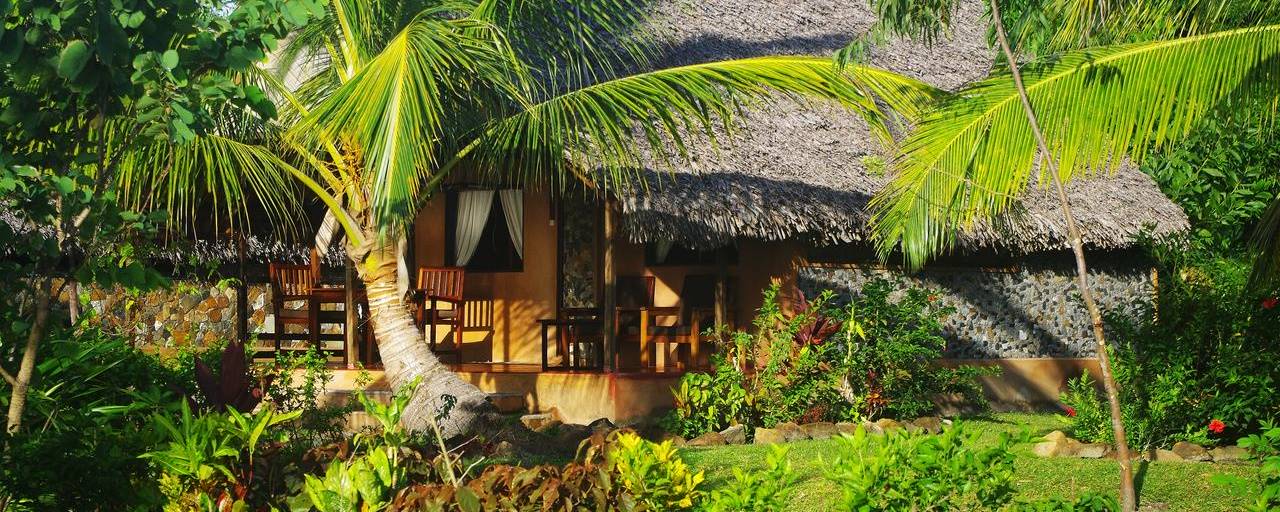
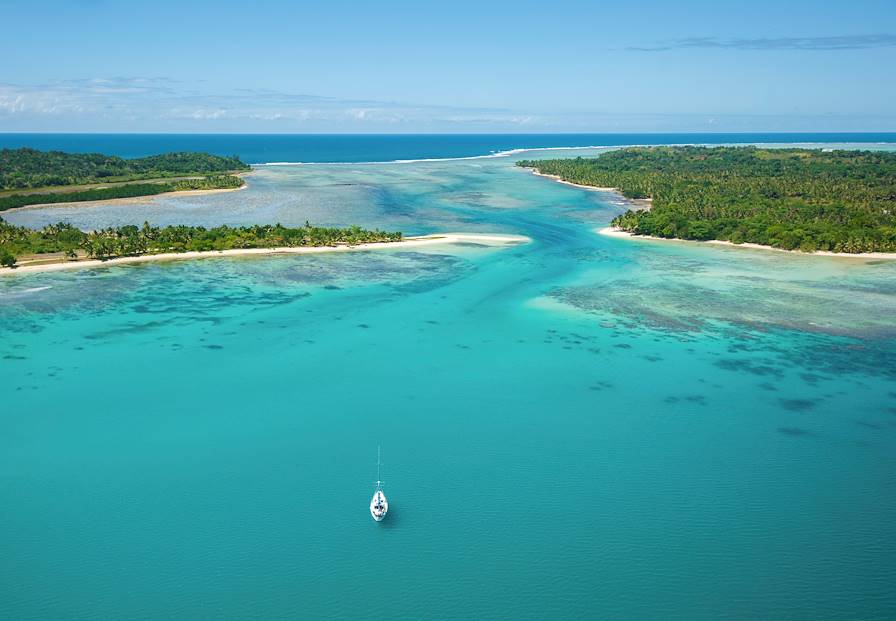
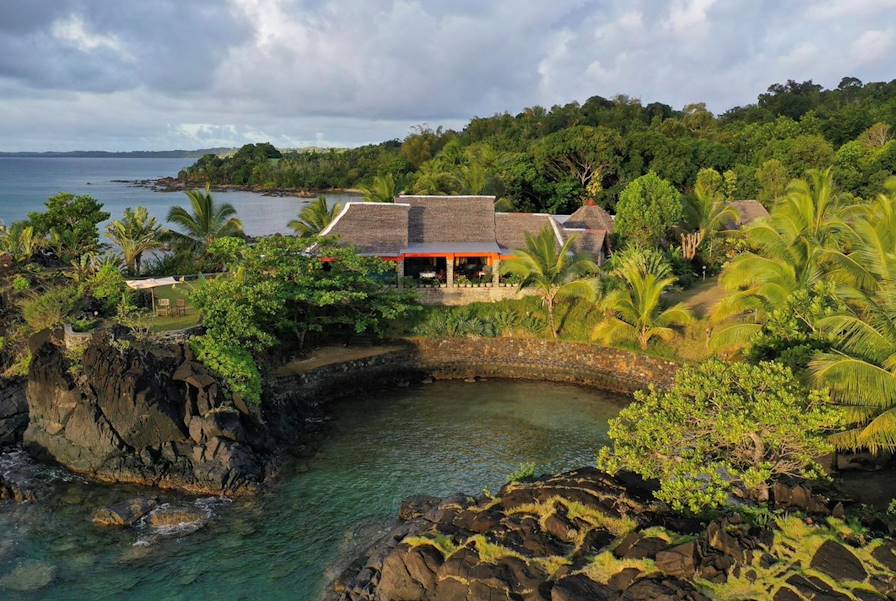
Private transfer to the airport. Flight to Sainte-Marie. New private transfer and three-night stay on the north-west coast of the island. Your hotel is on the waterfront, set amid lush vegetation. The bungalows are inviting, featuring warm tones, natural materials, and a subtle touch of elegance. They are also well-ventilated, adding to their comfort. Step outside to reach the private beach, enjoy water sports, or simply relax, gently rocked by the sea breeze. The restaurant serves French-inspired cuisine, with the freshest ingredients sourced from the surrounding waters. Badminton or massage - it all depends on your mood. There's no swimming pool? A natural cove has been adapted to serve the same purpose — and it works beautifully.
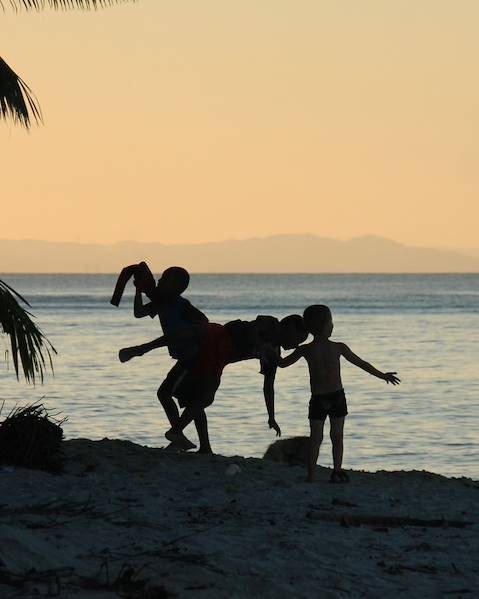
In the 18th century, this narrow, long island lived under the Jolly Roger. Among the seafaring outlaws who prowled these waters was the Englishman Christopher Condent, a pivotal figure in the migration of piracy from the Caribbean to the Indian Ocean, who ultimately went on to become a successful Breton merchant. The pirate cemetery is a curiosity of Sainte-Marie. From the hotel, if you don’t spend all your time at the beach, you can go cycling through the countryside (forest plants, spice gardens, etc.), head out to sea (snorkelling, kayaking), or try fishing for bonito or captain fish - in short, embrace the spontaneous, ocean-breeze lifestyle the tropics offer.
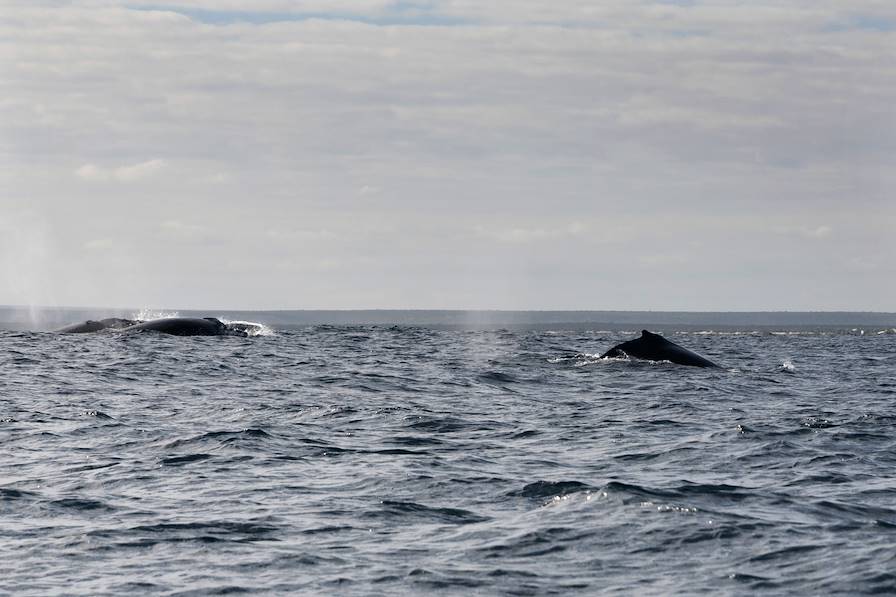
Scheduled - Whale watching Excursion with volunteers from the Cétamada association, from July to mid-September. Humpback whales are the main visitors to the channel between Sainte-Marie and the main island. They are drawn by the ideal conditions for their breeding displays. The high jump is one of the characteristic behaviours of this giant, which manages to propel its twenty-five tonnes several metres above the surface of the water. A truly breathtaking performance.
Optional - In private at Île aux Nattes.
Private transfer to the airport and flight to Tananarive. Then return international flight.
À la carte
This suggested itinerary can be customisable down to the smallest detail, including duration, stops and content. An à la carte menu of experiences is also available to create a journey that reflects who you are.
Electric bike ride around Tana
Like all capitals, Antananarivo has a periphery that links it to the countryside. This lies exactly where it can be felt. And where congestion and pace are noticeably lighter compared to what they are in the centre. An area that still feels like a village, which is a pleasure to explore by electric bicycle. You will be given the equipment with its accessories, and, accompanied by a guide (just for you), off you go! The exertion is entirely manageable. And the encounters made along the way are worth their weight in authenticityÎle Sainte Marie - Île aux Nattes in private
Just off the southern tip of Île Sainte Marie, Île aux Nattes has a history of piracy and buccaneering. This has earned it a flattering reputation throughout the Indian Ocean. Today, it is above all an untouched little paradise, where neither combustion engines nor electricity are permitted. So it’s all blue sea, white sand, palm trees and tranquillity! Just the whisper of the wind and the rustle of the surf. After a canoe crossing, you spend the day walking, swimming and having a picnic. Private skipper.With a few more days in hand: Nosy Komba
To get to Nosy Komba, in the northwest of Madagascar, you could take a boat from Hell-Ville on Nosy Be. The small island is covered with forest and encircled by fishing villages. In the gardens, sugar cane, vanilla and spices are grown. In the workshops, special care is taken with Richelieu embroidery (which involves creating openwork in the fabric: embroidering the design with stem stitch and adding bars with buttonhole stitch, and so on). Nosy Komba is also a magnificent place to observe makis. This time, it’s not of the sushi variety, but rather the friendly “Eulemur macaco”, the black lemur. Next, take a dip in Nosy Tanikely Marine National Park, where the colours of the coral wildlife burst forth, where clownfish slip between the arms of sea anemones, where my friend the trevally circles endlessly with its companion the barracuda, where the grouper glides past like a gentleman, and the moray eel peeks out like a nosy neighbour.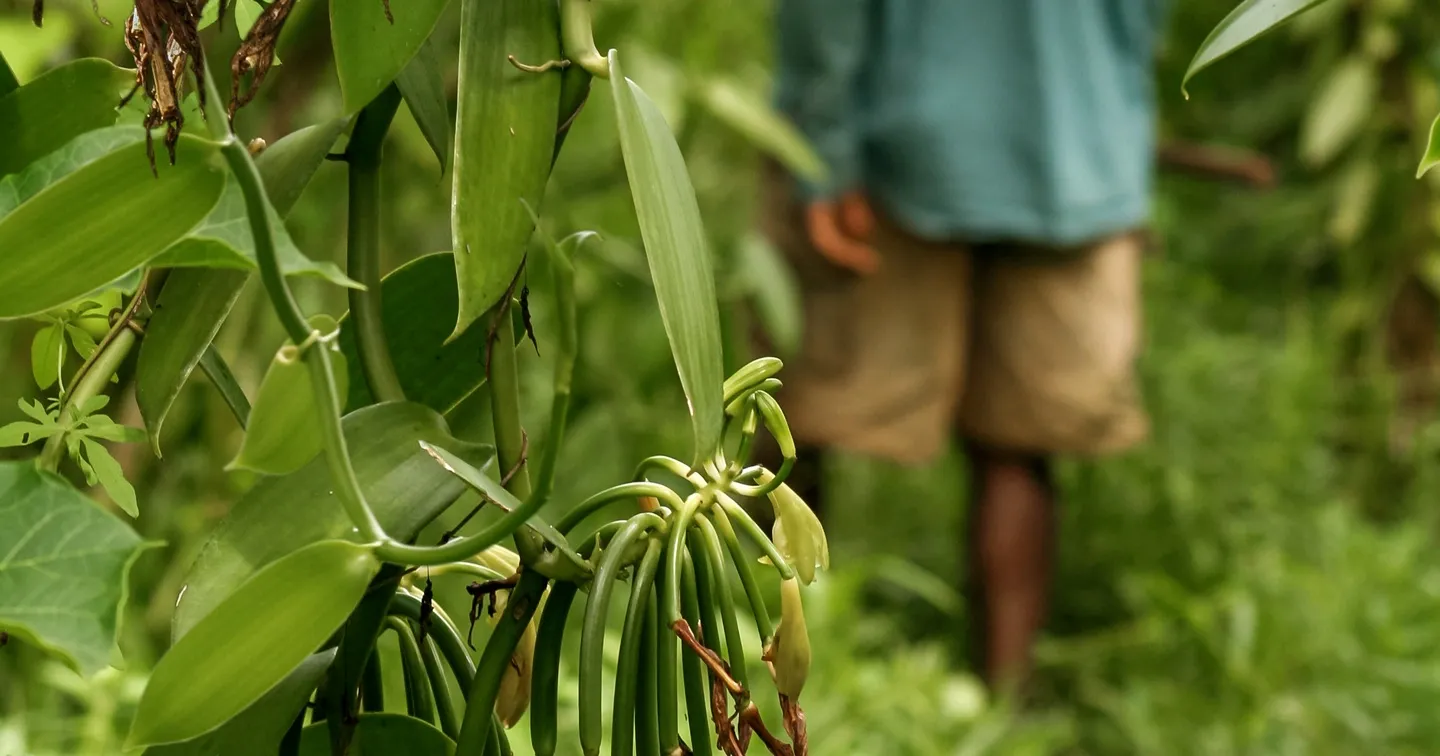
Why visit Madagascar with Voyageurs du monde?
Every day, our travel specialists craft bespoke experiences shaped around each traveller's profile, desires and budget. These passionate experts design experiences delivered on the ground by a local network of Concierges and trusted contacts. These fully customisable, made-to-measure trips are complemented by a wide range of high-end services (lounges, 24/7 assistance, travel booklet, app, Wi-Fi, restaurant booking, etc.)
Let us create your tripA few of the advantages of travelling with us to Madagascar
- Globally unique concierge service
- CO2 absorption